
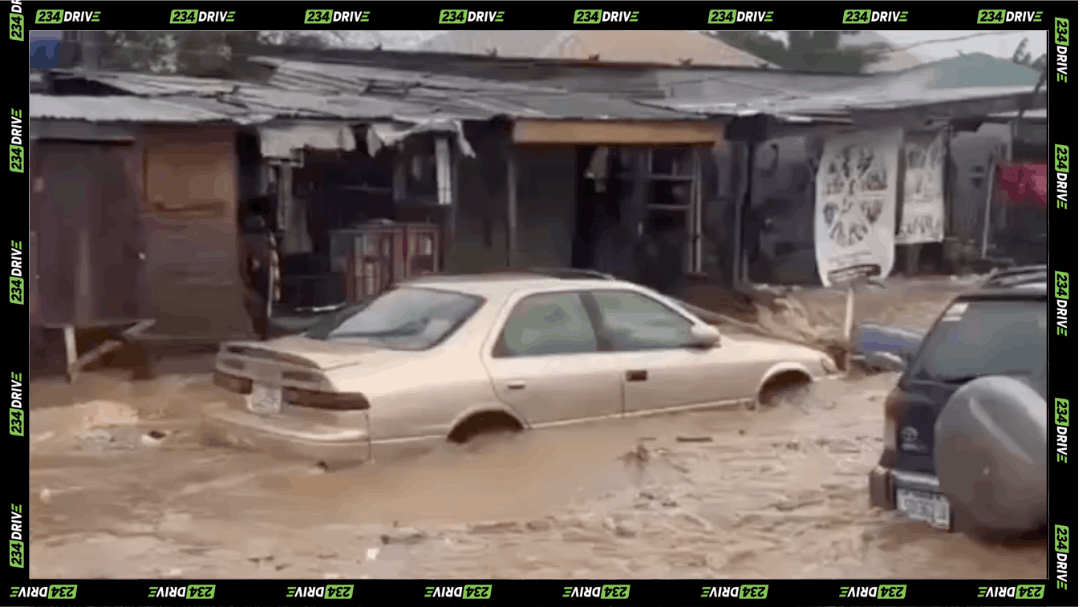
Accra and Lagos were plunged into severe flooding within hours of heavy rainfall, killing at least three people in Ghana’s capital and leaving several Lagos communities with submerged roads, trapped vehicles and flooded homes.
In Accra, authorities blamed record rainfall, climate pressure and buildings blocking waterways. In Lagos, officials linked the flooding to prolonged rainfall, coastal geography and blocked drains. Both cities now face the same urgent test of keeping residents safe and implementing a working plan to fix the drainage, waste management and planning failures that turn rain into disaster.
Heavy Rain Floods Accra and Lagos as Poor Drainage Worsens Impact
Accra recorded about 140 millimetres of rain in one day on Monday, a level President John Mahama described as the city’s highest in several years. He explained that changing climate conditions had made the situation harder to control but also highlighted human actions, especially the construction of buildings on waterways.
Emergency teams and local volunteers used boats to rescue at least 15 children and an infant in Tse Addo after floodwaters entered the area. Authorities also recovered the body of a man in his 60s from Alajo, while local reports said two more people died after floodwaters came into contact with electrical wiring in their homes.
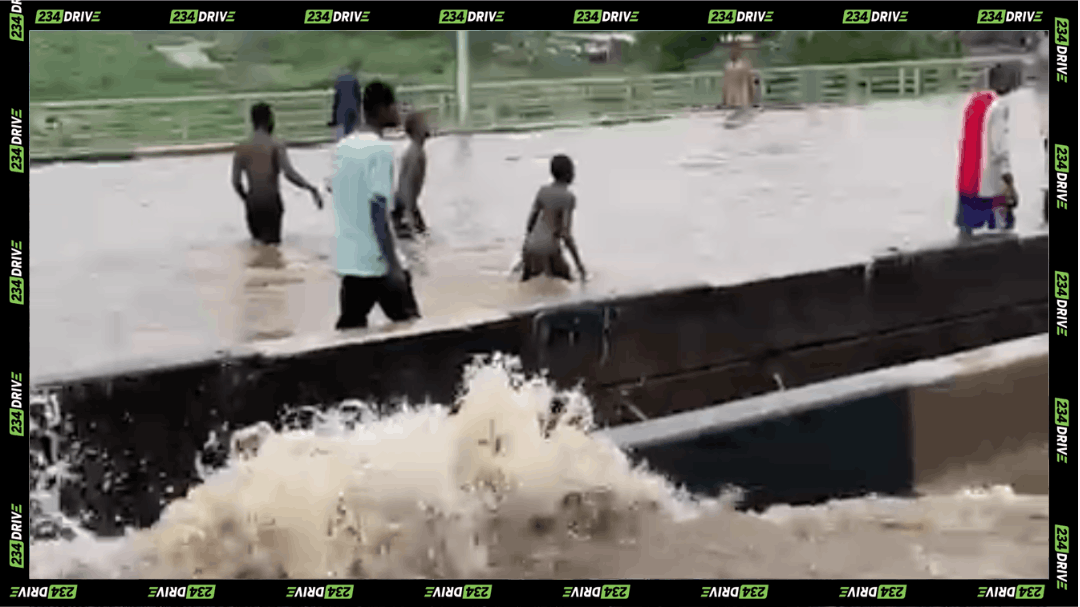
The Ministry of the Interior urged residents to avoid unnecessary travel as police, military officers and firefighters supported rescue operations. The Ghana Meteorological Agency also warned that more rain-bearing clouds could spread across parts of the country.
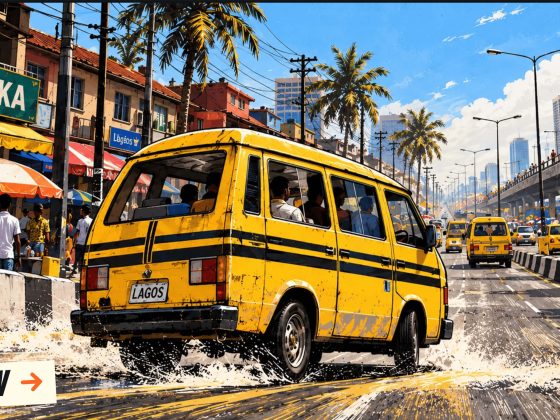
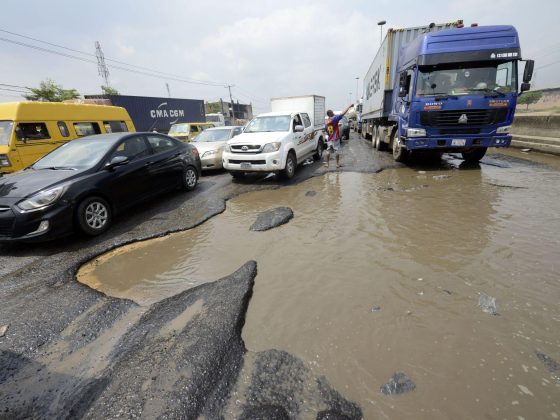
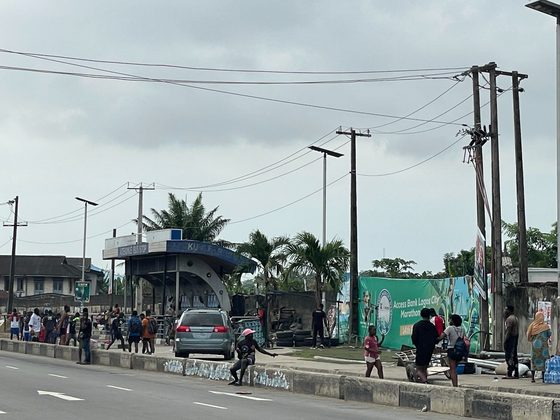
While Lagos hasn’t announced any death associated with the flooding yet, heavy rainfall on Sunday flooded several communities across the mainland and island, including Mushin, Gbagada, Surulere, Shomolu, Ikeja, Ikorodu, Oshodi, Victoria Island and parts of Lekki. Videos shared online showed flooded roads, stuck vehicles and refuse blocking drainage channels.
Lagos commissioner for environment and water resources, Tokunbo Wahab, said LAWMA teams had moved into some affected areas after the flooding. He added that NiMet had forecast above-normal rainfall for 2026, with Lagos more exposed because of its coastal and low-lying terrain.
The rain has also increased pressure on a waste problem Lagos was already trying to control. Before the flooding, the state had moved to curb roadside dumping by working with transport unions under its new waste enforcement drive. With refuse now blocking drains and worsening floods in some areas, the newly established ‘waste police’ faces a tougher test.
Wahab said the state had stepped up drainage clearing and enforcement against illegal structures on waterways but urged residents to stop dumping waste in drains and public spaces.
NiMet Warns Coastal Roads and Communities Face Fresh Flood Risk
Heavy rainfall is putting more Nigerian cities and coastal West African communities at risk of flash flooding. The Nigerian Meteorological Agency (NiMet), in its June 30 weather outlook, warned that sustained rain could affect coastal and low-lying areas, especially Lagos, Ogun, Ondo, Rivers, Bayelsa, Delta, Cross River and Akwa Ibom.
The agency said thunderstorms and light rainfall were expected across parts of southern Nigeria in the morning, with moderate rainfall likely to spread later in the day. Roads in affected states could become unsafe where blocked drains, poor drainage or low-lying terrain allow water to rise quickly.
NiMet also warned of thunderstorms and rainfall in parts of northern and north-central Nigeria, including Borno, Adamawa, Taraba, the Federal Capital Territory, Nasarawa and Benue. It urged motorists to drive carefully during rainfall and poor visibility and warned residents not to walk or drive through floodwaters.
The flood risk is also spreading across coastal West Africa. Beyond Lagos and Accra, countries such as Togo and Ivory Coast have reported flash floods or issued warnings for low-lying areas.