

Nigerians have a saying that goes, ‘Every day for the thief, one day for the owner’. And Lagos may be edging towards that ‘one day’ because more residents are openly tired of being stopped, surrounded or pressured for money on the road.
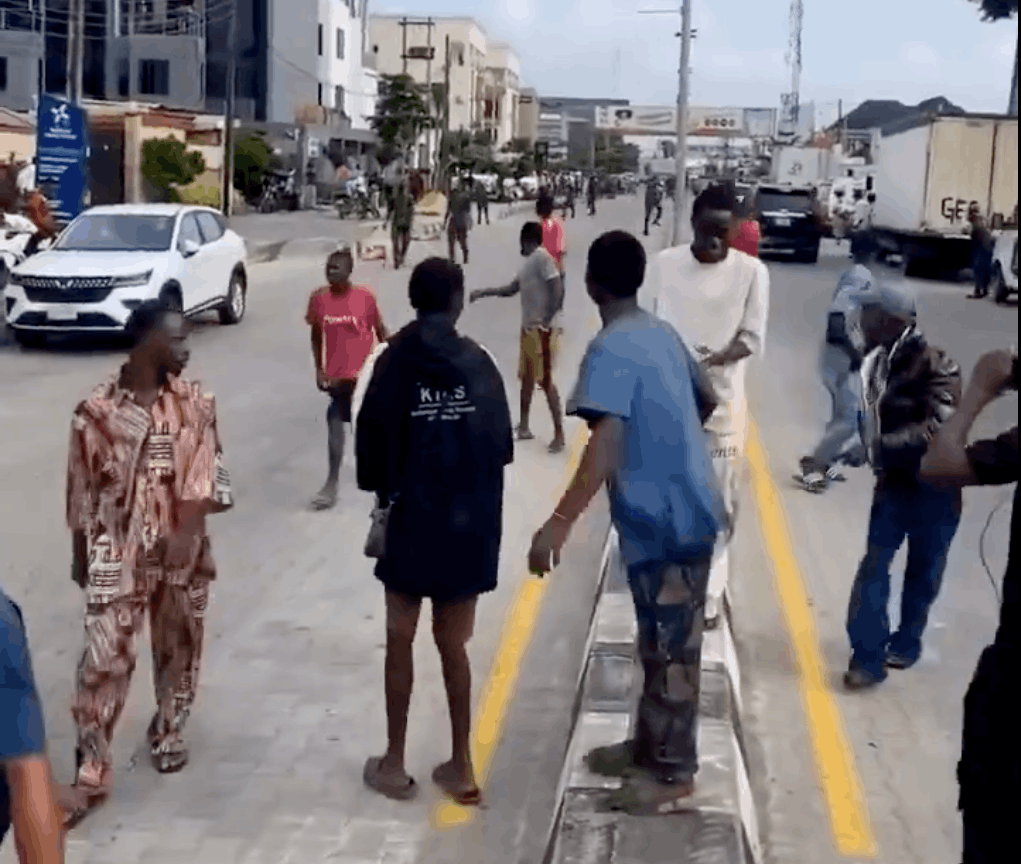
The frustration recently moved beyond scattered complaints after Kizitolid documented the activities of street urchins around Lagos in a short video shared on X, drawing the attention of state officials.
Lagos’ New Face of Street Begging Takes Centre Stage at Globally Streamed Wedding
Peller and Jarvis’ wedding celebrations were built for the internet. Their August 8 white wedding was livestreamed on Twitch and YouTube, while footage from their August 1 traditional wedding in Lekki showed something less celebratory happening outside.
Videos captured groups of young men surrounding vehicles going to and from the venue. In one clip, a man climbed onto the bonnet of a moving car before slipping underneath it, forcing the driver to stop.
The scenes also reflected how the image of street begging in Lagos appears to be changing. Years ago, the typical picture was someone with a visible disability sitting at a junction or Almajiri children moving from person to person asking for money.
Increasingly, Lagosians are also encountering young, able-looking men clustering around cars at traffic stops, following vehicles or putting motorists under pressure to give them money.
The ‘Show Love’ Business Model Lagos Streets Have Adopted
‘Show love’ sounds harmless enough. On Lagos roads, however, it can mean handing cash to someone who approaches your car.
That definition was made clear for the world during US streamer IShowSpeed’s Lagos visit earlier in 2026. Videos showed young men running alongside his convoy and repeatedly asking him to ‘show them love’. For viewers, it was another viral Lagos moment. For the people doing the asking, it also showed how getting close to someone famous could create an opportunity to leave with money.
That is where Lagos Environment Commissioner Tokunbo Wahab believes the problem becomes harder to control. Responding to the short documentary on street urchins in Lagos, Wahab argued that celebrities, influencers and other residents who regularly give money can unintentionally encourage people to remain on the streets. According to him, some begin to see the activity as a profitable way to make a living, even after government teams remove them from particular areas.
His argument also mirrors what some of the young men in Kizito’s documentary said themselves. They mentioned the names of people who had previously shown love, while noting that some of those people no longer stop or give as they once did.
The pattern can feel almost like feeding a stray that learns where food regularly appears, then returns with others. Once the original source stops giving, the search does not necessarily end. It spreads to nearby cars, businesses and other people who look like they may offer the same reward.
That is the trickle effect Lagos is beginning to feel. One person gives at a familiar spot, others notice, and the location itself develops a reputation as somewhere money can be made. The celebrity may eventually drive away, but the expectation remains.
Social Media Has Given Begging a Bigger Stage
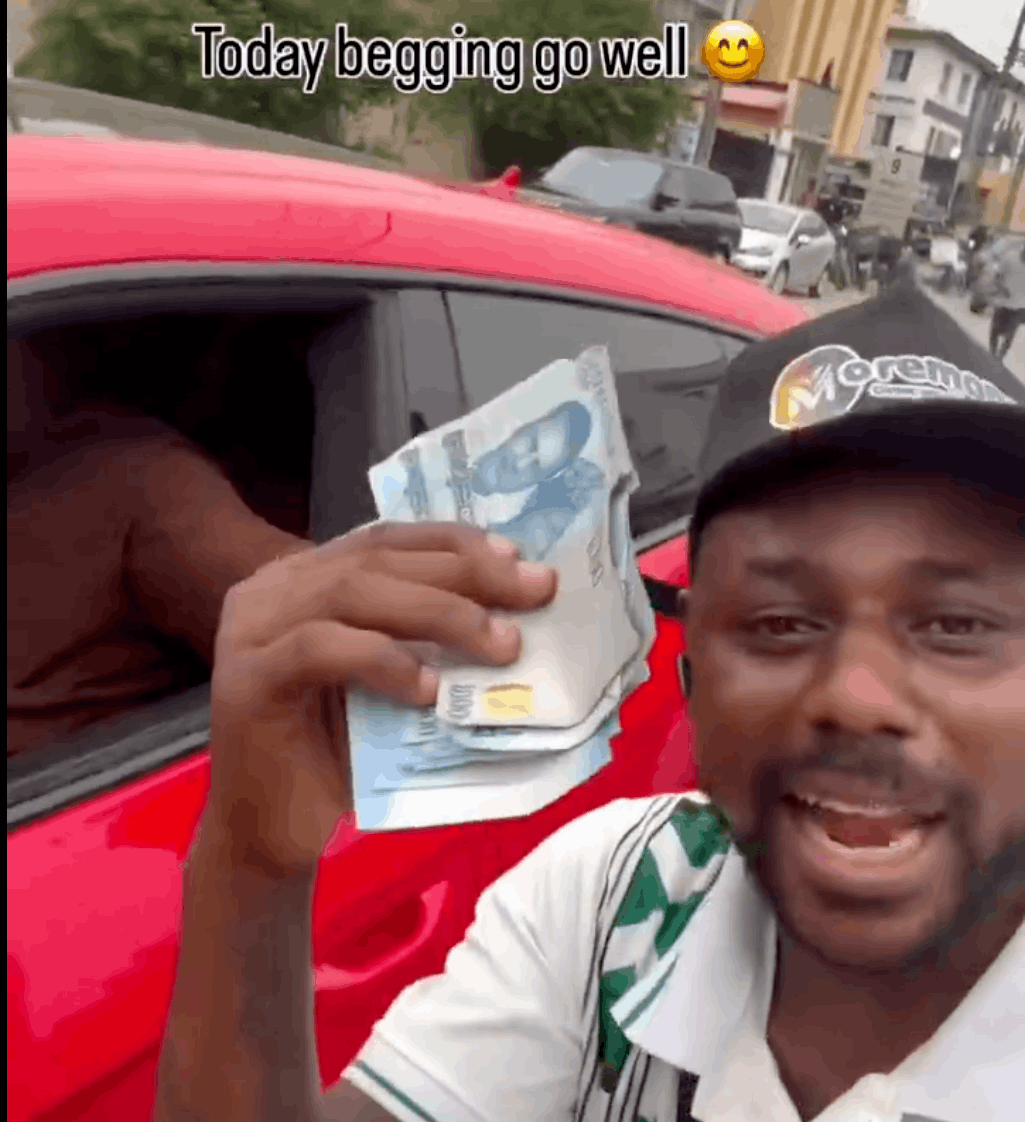
The street is no longer the only place where begging can pay. Social media has added another layer to the monetary reward: attention.
Lekki Street Boy is one of the clearest examples. In an interview, he openly described life on the street while discussing an online identity that has grown around asking people for money. What may have once ended with a few naira at a traffic stop can now become a video that attracts thousands of views, likes, comments and new followers.
That changes the incentive. Getting close to a celebrity no longer pays only with what they might give, but the encounter itself can become content. A refusal can go viral. A generous response can travel even further, while the person asking gains visibility simply by being part of the moment.

Celebrities can also benefit from that attention. Public acts of generosity often produce their own videos and reactions, creating an environment where giving can become part compassion and that visibility can also turn generosity into public performance, where celebrities know their response may be filmed, compared and discussed online.
Young viewers scrolling through all of this online can end up viewing this as a template. They watch people approach expensive cars, call out famous names, receive money, and then gain popularity from the encounter and they push to emulate or at least have a piece of the celebrity cake.
Social media does not necessarily create the behaviour, but the visibility, likes, and repeated celebrity attention can make it look increasingly rewarding. What once looked like a roadside hustle can now come with an online audience watching and, in some cases, wanting to copy it.
Still, visibility and celebrity attention only explain part of why the streets keep supplying new faces.
Economic Hardship Explains Part of It, Not All of It
There is also an economic reality underneath all of this. For Lagosians living on the lower end of the income scale, the cost of food, transport and other basic needs continues to put pressure on already thin earnings. Nigeria’s headline inflation stood at 15.91%, while food inflation was 17.52% in the latest figures published by the National Bureau of Statistics.
That hardship can explain why more people may turn to the streets for money. It does not excuse what happens when asking becomes intimidation.
Some encounters now go beyond standing beside a car with an open hand. Drivers have reported being surrounded, threatened or having their vehicles damaged after refusing to pay. In April, 234Drive covered Afrobeats singer Mavo’s encounter with a group of young men in Lagos after he refused their demand for money. Footage showed a stone being thrown at his car as he drove away. It was later reported in a follow-up post on X that Mavo was able to have those involved held by police.
Economic hardship can push people to ask for help, but it does not give anyone the right to damage a car or cause societal nuisance because the help desired was not given.
Lagos Is Turning More to Enforcement
The Lagos government is increasingly treating the problem that way. In July, environmental enforcement officers apprehended 396 people during an operation targeting street begging, with authorities saying those apprehended would be profiled and directed towards relevant support or further action.
The state is also considering a longer-term legal response. With the Lagos State House of Assembly working to advance a bill seeking to prohibit street begging, more so, discussions around the proposal have included rehabilitation, care for vulnerable children and structured alternatives for people who genuinely need support.
So Lagos may finally be getting close to that proverbial ‘one day’.

The question is what that ‘one day’ becomes. Does frustration eventually boil over into clashes between motorists and those asking for money, or does the government bring the situation under control before Lagos reaches that point?