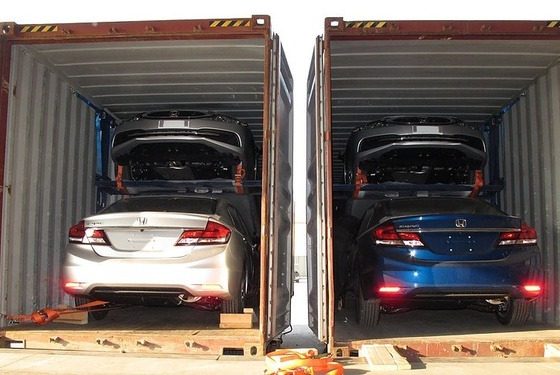

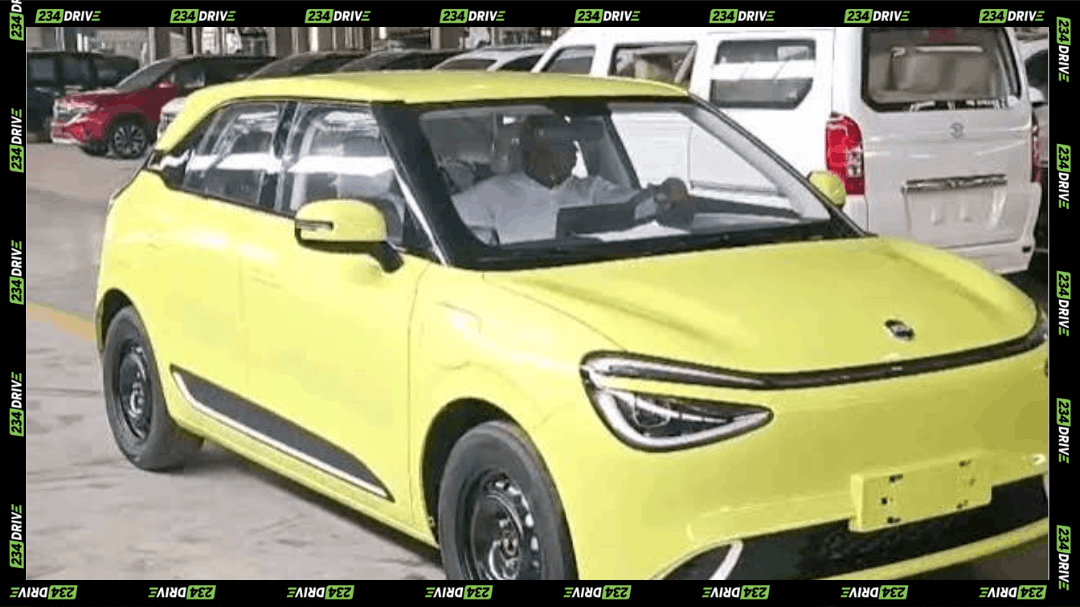
In a major step toward cleaner transport adoption, the Federal Government of Nigeria has approved tax waivers for nearly 4,000 electric vehicles imported in the first half of 2026, the first batch under a new programme aimed at putting more cleaner-energy vehicles on Nigerian roads.
The government is using tax cuts and support for local assembly to bring down costs. The move also comes as higher petrol prices make electric and fuel-saving vehicles more attractive to drivers and transport operators.
Nigeria’s EV Push Still Has a Power Problem
The government has already removed value-added tax on electric vehicles and cut EV import duties from 5% to zero in 2026. Nigeria’s 2022 Energy Transition Plan wants electric vehicles to make up 60% of the country’s vehicle fleet by 2050.
For now, that target remains far away. Dealers estimate that EVs still make up less than 1% of vehicles on Nigerian roads.
Electricity remains one of the biggest barriers to wider EV adoption. Nigeria’s national grid supplies about 4,000 megawatts to a population of more than 200 million, leaving homes and businesses dependent on generators when power goes out.
Charging options are also limited. A policy brief cited by Reuters estimated that Nigeria had about 48 public EV charging stations by late 2025, mostly in Lagos and Abuja. South Africa had more than 500.
That gap means many Nigerian EV owners charge their cars at home, sometimes turning to solar power or generators when grid electricity is unavailable.
Despite these challenges, electric motorcycles and tricycles could provide another route to wider EV adoption. Nigeria has more than 15 million motorcycles, while commercial riders have faced higher fuel costs since petrol subsidy removal.
Donda X co-founder Stanley Nwankwo said electric motorcycles and tricycles can cut operating costs by about two-thirds. Companies including MAX and Spiro are also building battery-swapping networks that allow riders to replace empty batteries within minutes.
Lower import costs may help, but wider EV adoption will still depend on charging access, reliable electricity, affordable financing and enough technicians to maintain the vehicles.
Grid vs Solar EV Charging: The Cost of Powering a Car at Home
For Nigerian EV owners, home charging usually comes down to two main power options: relying on the grid or building a personal solar setup.
Teslim currently relies mainly on the grid. He charges his BYD Atto 3 at home and rarely needs public charging stations. Since home charging takes several hours, he usually plugs the car in overnight and has it ready by morning.
Solar, however, is already part of his thinking. When asked if he would consider using it to charge the car, Teslim said he already has an inverter and solar panels at home. He said he would need to expand the system before using it regularly for EV charging.
A solar energy dealer explained that a proper EV solar setup requires more than adding a few panels. For a vehicle with a battery around the Atto 3’s size, the system would also need an inverter, battery storage and an EV charger.
That is where battery storage becomes important. It can hold power generated during the day for use later, reducing dependence on the grid.
But once the five-year costs of both options are compared, the difference becomes hard to ignore.