

Uber is preparing for a future where robots may handle many of the trips now done by drivers and couriers, but its CEO says the shift will not happen all at once. The company has 9.5 million drivers and couriers on its platform, raising the question of if new earning options can grow fast enough before automation takes over more transport jobs.
Uber Says Driverless Cars are Coming, But Not Overnight
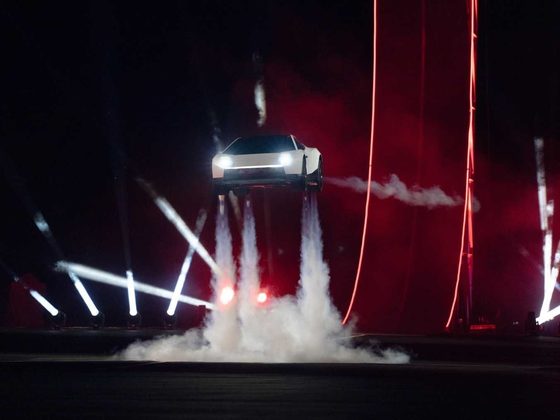
Uber CEO Dara Khosrowshahi said autonomous vehicles could make transport safer and cheaper over time. He pointed to Tesla’s driver-assistance systems and Waymo’s self-driving operations as signs that the technology is already moving into real use.
But the move to driverless rides will not be instant. Uber still needs the right cars, working sensors, clear rules and enough safety checks before robots can handle most trips on real roads.
Khosrowshahi said Uber may reach that point in the next 15 to 20 years. The rise of autonomous vehicles could affect the millions of people who currently earn through driving and delivery on the platform.
When asked what those workers would do, Khosrowshahi gave a direct answer: he does not know.
Uber is trying to create more ways for people to earn beyond driving. The platform now includes delivery, shopping and Uber AI Solutions, where workers can help train AI agents and models from their phones.
The bigger question is whether these new options can grow fast enough as automation improves. Khosrowshahi said the impact may not become serious within five years, but it could become harder to ignore after that.
How Uber Driver Income Shapes Africa’s Ride-Hailing Market
In Africa, the push toward driverless rides brings unemployment fears closer to household income. In Kenya, 53% of drivers who rely on ride-hailing said it is their main source of income. In Nigeria, the figure drops to 25%, while South Africa stands at 30%, showing that Uber does not play the same role in every market.
Uber’s reach adds more weight to the debate. The company operates in more than 60 cities across Africa. In South Africa, one of its strongest markets, Uber says its ecosystem has created over one million direct and indirect economic opportunities since 2013.
The sector is also attracting more money. Africa’s ride-hailing industry was valued at $2.85 billion in 2024 and is expected to reach $4.28 billion by 2032. In South Africa alone, Uber’s transport and delivery services added an estimated R17 billion to the economy in 2023, while drivers and couriers earned R2.3 billion.
As AI and autonomous vehicles move closer to daily transport, Africa’s next challenge will be keeping that economic value growing without moving too quickly past the human drivers who helped build it.