
The mobility landscape in Nigeria in 2026 is defined by a massive surge in vehicle volume and a road network that requires a calculated approach to risk management. For the Nigerian woman, safety is no longer a matter of chance; it is the result of rigorous preparation, tech integration and defensive driving habits. Drivers who navigate urban centres with confidence are typically those who have audited their environment and vehicle status before turning the ignition. This guide provides an authoritative record of the protocols and tools that effectively maintain safety on the road.
The Statistical Reality Of 2026
To understand the scale of the challenge, it is necessary to examine the data. Recent reviews of Federal Road Safety Corps (FRSC) records from 2025 indicate a sobering trend: 10,446 road traffic crashes were recorded, marking a significant rise in road crashes from the previous year. While women account for roughly 18% of fatalities, the complexity of the risks faced is unique, often involving specific security concerns alongside mechanical failures.
The data confirms that human error remains the dominant factor in 90% of these incidents. Speeding is the primary cause of fatalities, followed closely by reckless overtaking and mechanical neglect. In 2026, the infrastructure deficit, characterised by significant potholes and unlit highways acts as a force multiplier for these risks. A tyre burst in an isolated patch of the Third Mainland Bridge or on the Lokoja-Abuja expressway is more than just a mechanical issue; it is a security emergency that requires an immediate and tactical response.
Vehicle Preparedness Beyond The Legal Minimum
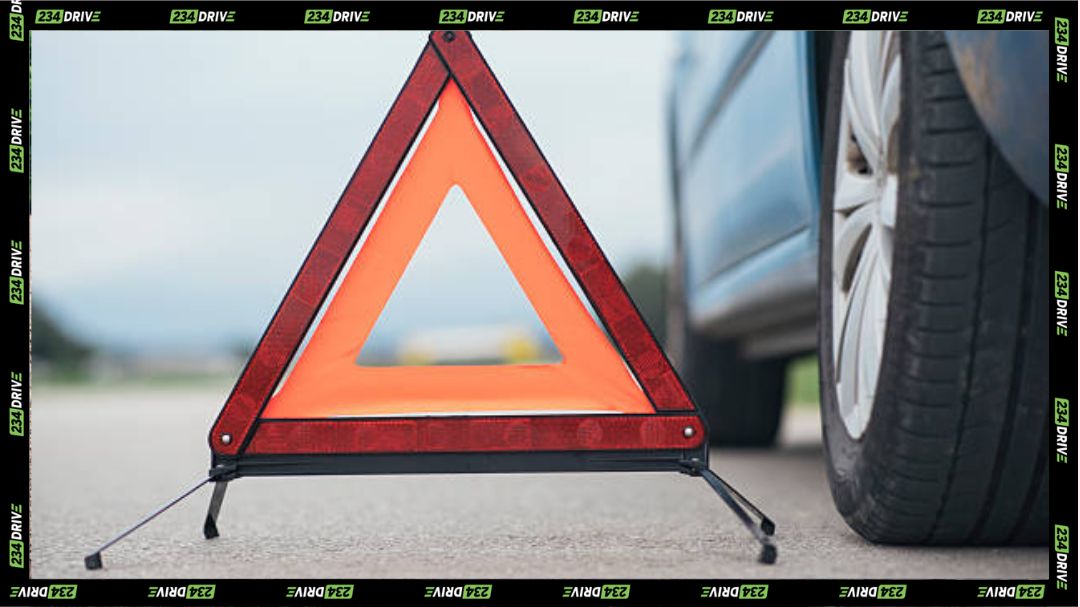
The Nigeria Highway Code mandates an essential vehicle checklist including a warning triangle (C-Caution), a fire extinguisher and a spare tyre. These requirements represent the absolute baseline for roadworthiness. To enhance safety in the current climate, a vehicle requires a technical audit that extends beyond these legal minimums.
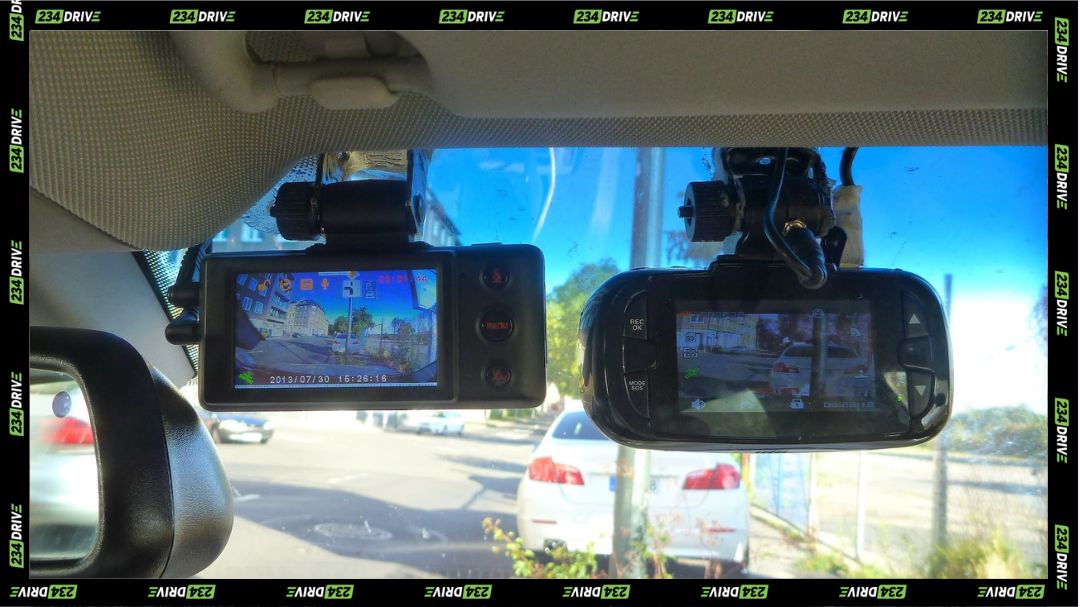
One of the most effective tools for modern Nigerian driving is a high-definition dashcam system. Evidence shows that front-and-rear cameras are instrumental in settling disputes with aggressive commercial drivers or providing the necessary footage to dismiss arbitrary fines at traffic management checkpoints. In environments where staged accidents are used to extort motorists, the dashcam serves as an objective witness.
An effective survival kit must also include a portable tyre inflator and sealant. Potholes are frequent causes of tyre damage, and the ability to temporarily seal a puncture and inflate a tyre without exiting the vehicle in an unsafe area provides a massive safety advantage. Pairing this with a jumper cable set and a high-capacity power bank ensures that the driver remains mobile. A mobile phone is a primary lifeline in traffic; a dead battery represents a point of failure that can compromise security. Regular maintenance remains the foundation of this preparedness, with weekly checks of brakes, fluids and tyre treads reducing the likelihood of stalling in heavy traffic a moment when vehicles are most vulnerable to opportunistic crime.
The Tech Stack For Secure Commutes
Digital tools in 2026 have evolved into essential safety layers rather than mere conveniences. The FRSC Mobile App is a fundamental tool for any driver in Nigeria, providing real-time safety alerts, mapping of ‘black spots’ (crash-prone areas) and a direct line to the National Traffic Radio.
For personal security, SOS applications with one-tap emergency features are highly effective. These tools are designed to integrate with Nigerian security agencies, allowing users to share their live GPS location with trusted contacts and emergency responders simultaneously. In cities where situational awareness is paramount, these applications provide a critical digital shield.
Utilising Google Maps or Waze is advisable even on familiar routes. In cities like Lagos or Port Harcourt, unexpected gridlock can add hours to a commute, potentially pushing a trip into the night. Early awareness of diversions allows for rerouting to busier, better-lit roads before sunset, which is a key component of proactive risk management.
Defensive Driving tn the Nigerian Ecosystem
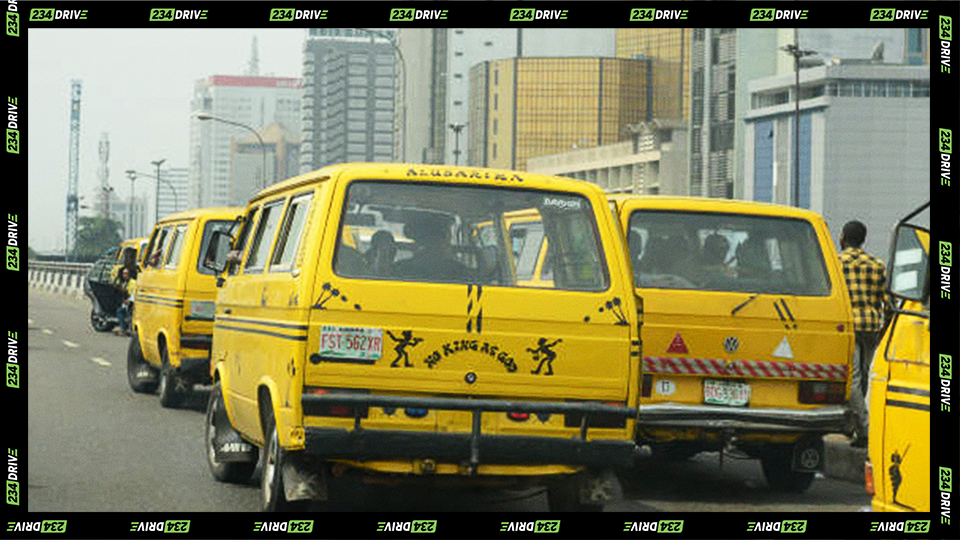
Driving in Nigeria requires a specific psychological posture. Motorists must navigate an ecosystem of okadas, buses, kekes and heavy-duty trailers. The fundamental rule of defensive driving in this context is the anticipation of irregular traffic patterns. Effective road safety for women involves treating every commercial bus as if it is about to stop abruptly without signalling. Giving okadas and kekes a wide berth is necessary, as these operators frequently manoeuvre through narrow gaps in traffic.
Speed management must be handled with strict discipline. The FRSC frequently warns that ‘excess speed plus overloading equals mass suicide.’ On Nigerian highways, a mechanical failure at 120 km/h is often fatal, whereas the same failure at 80 km/h is typically a manageable incident. In heavy traffic or unfamiliar areas, it is vital to keep windows up and doors locked. Valuables like handbags, laptops or phones should never be left visible on the passenger seat; instead, they should be placed in the footwell or the boot. Opportunistic theft in parking lots or traffic jams targets easy visibility, and the best defence is ensuring that no targets are presented.
Checkpoint Etiquette And Legal Rights
Encounters with law enforcement including the Police, FRSC or state traffic authorities can be a source of anxiety. However, it is vital for motorists to know their rights as defined by the Police Act 2020 and the Constitution to maintain a professional engagement.
When stopped at a checkpoint, remaining calm and professional is the most effective approach. Turning on the interior light at night and keeping hands visible on the steering wheel signals transparency. Motorists have the right to request an officer’s identification, specifically their name, badge and number before engaging in a detailed check. It is essential to ensure all documents are current: driver’s licence, vehicle registration, insurance, roadworthiness and proof of ownership. Carrying clear photocopies while keeping originals in a secure, hidden folder is a recommended practice.
If an officer attempts to impose a fine, requesting an official ticket or receipt is the correct protocol. Aggressive arguments should be avoided; instead, facts should be stated firmly and the interaction documented with a dashcam or phone if the situation becomes unprofessional. Most friction at checkpoints is avoidable through a combination of calm professionalism and a visible knowledge of legal rights.
Breakdowns And Emergency Management
Establishing a protocol for vehicle failure is essential. If a breakdown occurs in a busy area, the hazard lights should be activated and the warning triangle placed at least 50 metres behind the vehicle. In isolated or poorly lit locations, the safest course of action is to remain inside the car with the doors locked while calling for help immediately.
Dialling 122 for the FRSC or 112 for general emergencies provides the first line of defence. If a stranger offers assistance, the situation must be evaluated with extreme caution. It is often safer to wait for an official tow truck or a trusted mechanic than to accept help from an unverified source.
In the event of an accident, the first priority is to check for injuries. Victims with potential spinal injuries should not be moved unless the vehicle is at risk of fire. Exchanging details with the other party, noting witness names and ensuring dashcam footage is saved are critical steps. All incidents should be reported to the nearest FRSC command or police station within 24 hours to ensure a formal record is established.
Night Driving And Long-Distance Travel
A primary rule for long-distance travel in Nigeria is the avoidance of night highways. The risks ranging from reduced visibility and unmapped potholes to criminal activity are exponentially higher after dark. If a trip is estimated to take eight hours, starting at 6:00am ensures arrival well before sunset.
For solo trips, informing a trusted contact of the route and estimated time of arrival is a key safety habit. Sharing a live location via WhatsApp provides ongoing oversight. Stops should only be made at reputable, well-lit fuel stations. If a driver suspects they are being followed, they should not drive home. Instead, the vehicle should be directed to the nearest police station or a busy public place like a shopping mall or a major hotel.
The Empowered Mindset
Safety on Nigerian roads is an act of empowerment. It is about refusing to be a passive participant in a challenging environment. By ensuring that a vehicle is technically sound, tech tools are integrated and driving habits are defensive, a driver takes control of their own mobility.
Nigerian women are among the most resilient drivers globally, navigating structural challenges every day with efficiency. This guide is intended to provide the technical data and procedural framework to manage those challenges effectively. Through preparation and awareness, the risks of the road are transformed from unpredictable threats into manageable variables.
What are the non-negotiable safety rules for driving in your city? Share your observations and habits in the comments below.