

The Nigerian automotive landscape in 2026 is defined by a complex intersection of high fuel costs, evolving fiscal policies and a resilient enthusiast culture. For the modern Nigerian driver, ‘affordability’ in the sports car segment has been redefined to a bracket of ₦3 million to ₦15 million, focusing predominantly on high-quality ‘tokunbo’ imports. This market shift is driven by the July 2026 Green Tax—imposing surcharges on engines above 2.0 litres—and a petrol price floor of ₦1,200 per litre. Consequently, the desirability of a vehicle is now measured as much by its mechanical endurance and tax efficiency as by its zero-to-100 km/h sprint time.
Navigating this environment requires a departure from vanity toward strategic ownership. Enthusiasts in hubs like Lagos and Abuja are increasingly prioritising Japanese engineering, which offers a unique synergy of available spare parts and manageable maintenance. While the prestige of European marques remains, the practical reality of Nigerian road conditions—where potholes can swiftly compromise low-slung suspensions—favours robust, lighter-weight models. The following selection represents the most viable entry points for those seeking performance without the financial volatility often associated with high-end sports car ownership in the tropics.
1. Toyota Celica (2000–2005)
The seventh-generation Toyota Celica remains a quintessential choice for the Nigerian enthusiast, with clean Toyota examples currently commanding between ₦3.5 million and ₦8.5 million. Its exterior design is a masterclass in early-millennium ‘edge’ styling, featuring a wedge-shaped profile and sharp, swept-back headlamps that provide a timeless road presence. Despite its age, the aerodynamic silhouette helps it stand out in urban traffic, and its relatively generous ground clearance ensures it manages standard speed bumps more effectively than its lower-slung rivals.
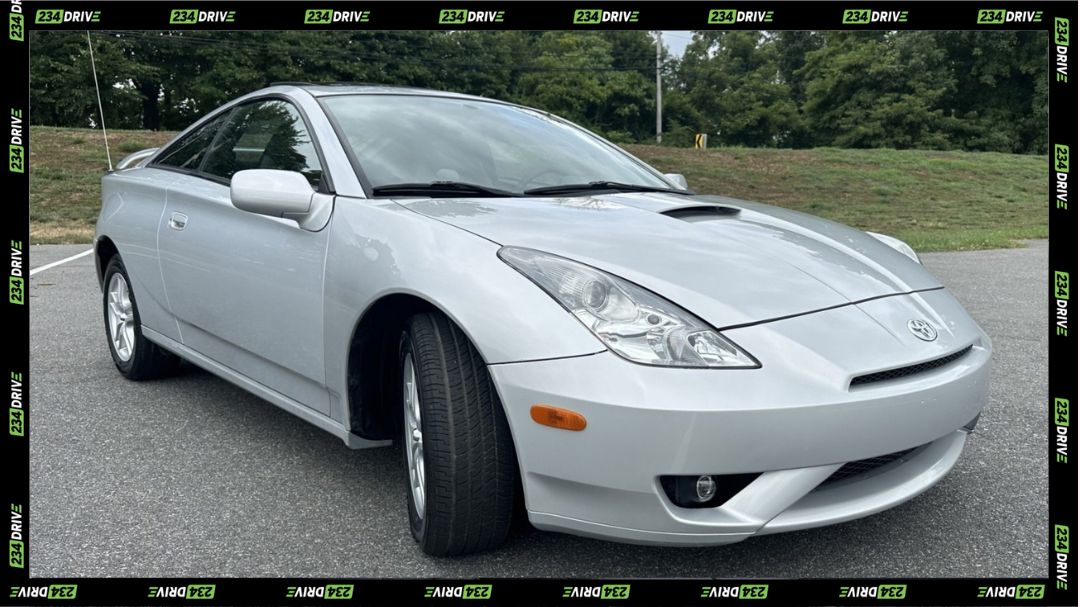
Toyota Celica 2005. Source: Bring A Trailer
Under the bonnet, the 1.8-litre VVT-i engine delivers approximately 180 hp, a figure that provides spirited performance while remaining exempt from the upcoming 2% Green Tax. The interior is driver-centric, featuring a simple, ergonomic layout that has aged gracefully, though the plastics are typical of the era. Its front-wheel-drive configuration makes it predictable and easy to handle in the heavy congestion of Lagos, and the widespread availability of Toyota parts ensures that a routine service remains affordable, typically ranging from ₦100,000 to ₦250,000.
2. Mazda MX-5 Miata (NA/NB/NC Generations)
For those seeking a pure open-top experience, the Mazda MX-5 is the definitive roadster, with prices for well-maintained tokunbo models ranging from ₦6 million to ₦12 million. The exterior is iconic for its compact dimensions and balanced proportions, particularly the early NA models with their pop-up headlights or the more muscular NC generation. It possesses a distinct, friendly aesthetic that avoids the aggression of modern coupes, making it a sophisticated choice for weekend drives along the Lekki-Epe Expressway.
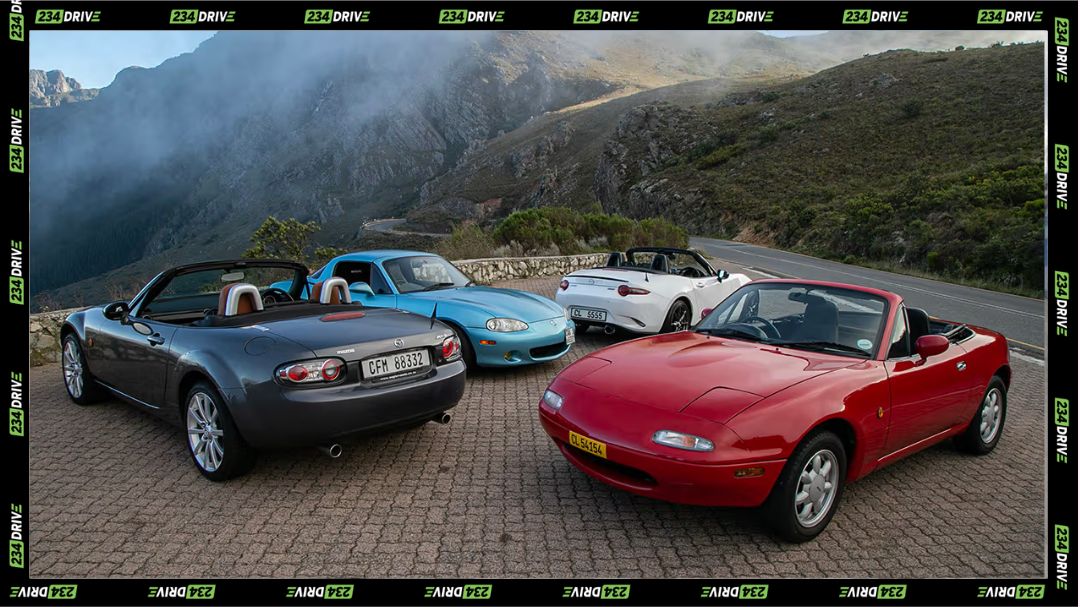
The Miata’s interior is famously intimate, offering a snug cockpit that prioritises the connection between driver and machine over digital distractions. Powered by engines ranging from 1.6 to 1.8 litres, the MX-5 avoids the heavy engine taxes while delivering a lightweight, rear-wheel-drive thrill that few other cars in this price bracket can match. However, owners must be mindful of the soft-top’s vulnerability to the intense Nigerian sun and heavy tropical downpours, requiring careful garage storage to maintain the fabric’s integrity.
3. Honda CR-Z (2010–2016)
The Honda CR-Z occupies a unique niche as a hybrid sports coupe, with market listings often found between ₦3 million and ₦7 million. Its exterior styling is futuristic and aggressive, featuring a short wheelbase and a high-tail design that mimics the classic CR-X. The sharp lines and LED accents give it a modern presence on the road, belying its more modest performance figures. It is an ideal vehicle for the ‘fuel-conscious enthusiast’ who refuses to sacrifice aesthetic flair for efficiency.
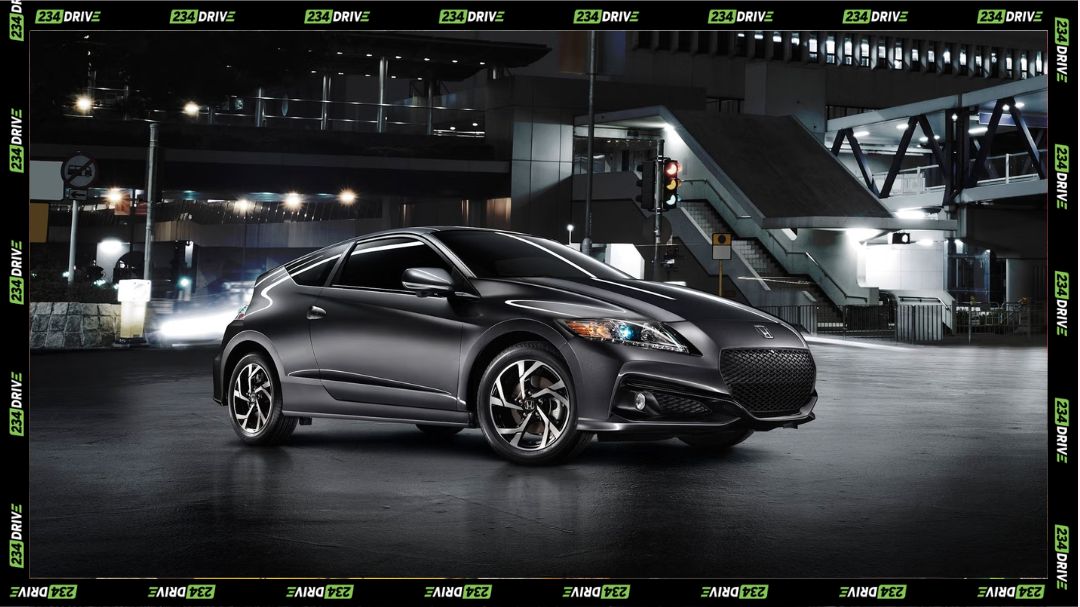
Inside, the CR-Z features a high-tech ‘3-mode’ drive system and a digital instrument cluster that feels remarkably current. The 1.5-litre hybrid powertrain produces a combined 130 hp, which, while not class-leading, offers exceptional fuel economy of approximately 5 to 7 litres per 100km—a vital trait given the ₦1,200/L petrol prices. While the hybrid battery represents a long-term maintenance consideration (with replacements costing upwards of ₦1 million), the daily savings and exemption from Green Taxes make it one of the smartest financial plays in the segment.
4. Nissan 350Z (2003–2009)
The Nissan 350Z is the ‘power’ option in this list, with current market listings available for ₦4 million to ₦12.5 million depending on mileage and condition. Its exterior is a brutalist expression of Japanese muscle, defined by a wide stance, vertical door handles, and a low-slung roofline that screams performance. It has an imposing road presence that commands respect, though its low front splitter and firm suspension require the driver to exercise extreme caution when navigating poorly maintained secondary roads in Abuja or Port Harcourt.
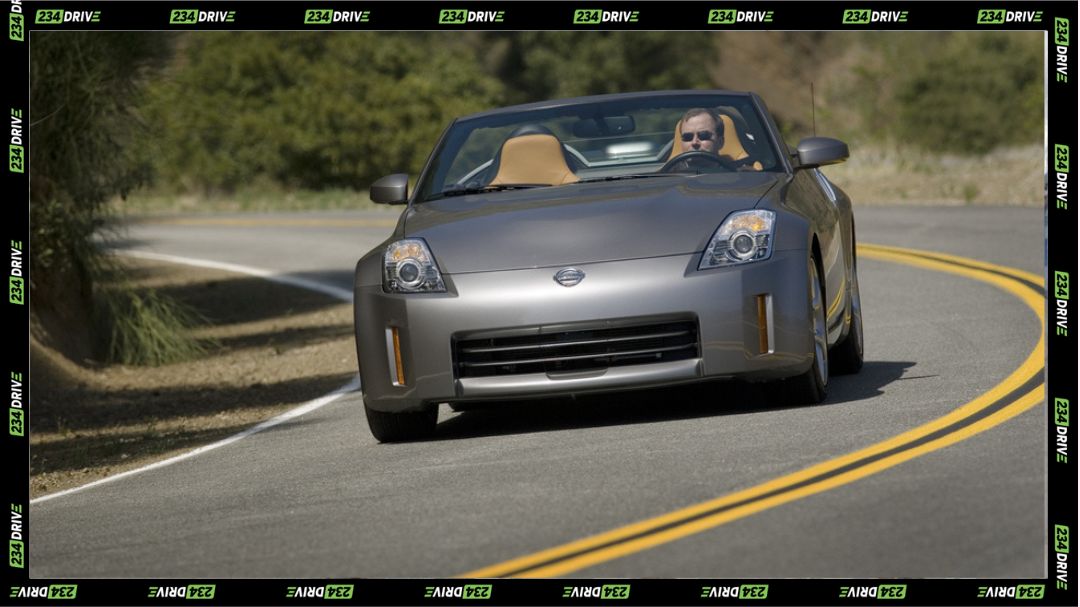
The interior is Spartan and functional, focused entirely on the 3.5-litre V6 engine that produces a robust 280 to 300 hp. While the acceleration and V6 soundtrack are addictive, the 350Z is subject to the new 2% Green Tax and possesses a higher fuel consumption rate (10–13 L/100km). This makes it a more expensive vehicle to run daily, but for those who prioritise rear-wheel-drive dynamics and raw power, the 350Z offers a level of performance that is difficult to find elsewhere for under ₦15 million.
5. Honda S2000 (1999–2009)
The Honda S2000 is a legendary high-revving roadster, though its rarity in Nigeria makes it a ‘unicorn’ find, with prices for rare clean examples sitting between ₦2.5 million and ₦5 million for earlier models. The exterior is minimalist and purposeful, with a long bonnet and a short rear deck that perfectly encapsulates the front-mid engine, rear-wheel-drive layout. Its design has aged exceptionally well, retaining a premium and technical appearance that still turns heads at automotive gatherings across the country.
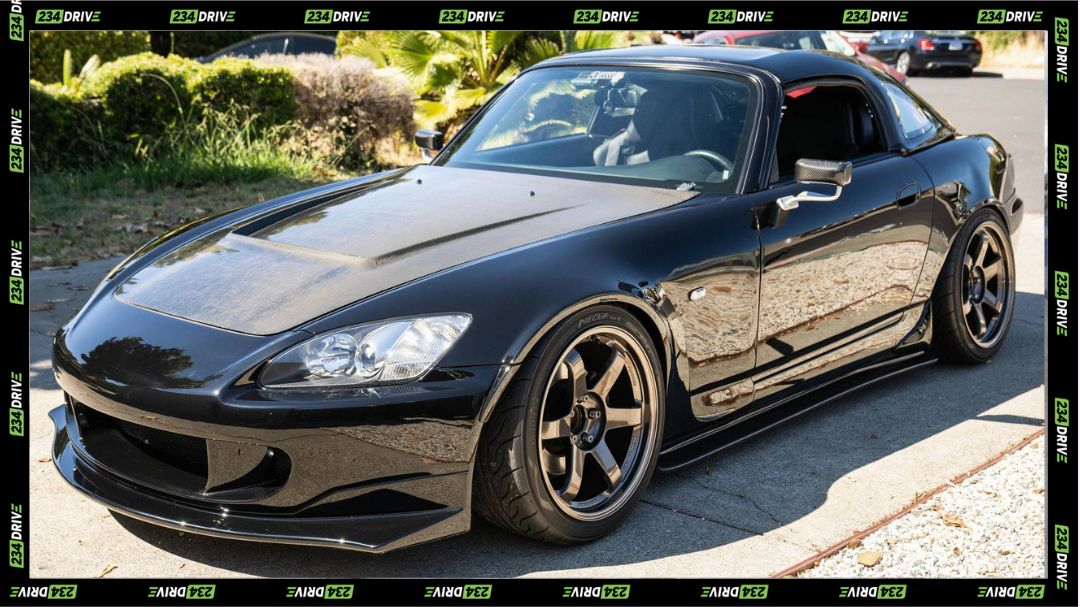
The S2000’s interior is dominated by a digital tachometer that reads up to 9,000 rpm, reflecting the race-bred nature of its 2.0-litre engine. With 240 hp on tap, it provides one of the most engaging driving experiences in history, though it does trigger the new 2.0L tax threshold. Maintenance is straightforward due to Honda’s robust engineering, but sourcing specific parts for the F20C engine can be more challenging and expensive than for a standard Civic or Accord, making this a car for the dedicated collector rather than the casual commuter.
The Nigerian Ownership Reality
Owning a sports car in Nigeria in 2026 requires a pragmatic approach to infrastructure. The primary challenge is the disparity between a vehicle’s intended design and the reality of local road conditions; low ground clearance can lead to frequent underbody damage and suspension wear. Even with reduced import tariffs, prospective owners must budget an additional ₦200,000 to ₦500,000 for regular suspension refreshes, including bushes and dampers, to ensure the car remains roadworthy. Furthermore, the tropical climate necessitates a cooling system in peak condition, as the combination of high ambient temperatures and heavy traffic can easily lead to overheating in performance engines.
Prestige remains a significant factor in the Nigerian market, but it is increasingly being weighed against the availability of specialised technicians. While a Toyota or Honda can be serviced by most competent mechanics in major cities, the more complex systems of a Nissan 350Z or a hybrid Honda CR-Z require workshops with diagnostic equipment and specific expertise. Consequently, the ownership experience is most rewarding for those who reside in urban centres where such facilities are available, allowing the vehicle to serve as both a statement piece and a reliable weekend escape.
Comparative Market Analysis
When compared to segment rivals, these five models hold a significant advantage in terms of resale value and durability within the Nigerian context. While European alternatives such as an early BMW Z4 or Audi TT may offer more refined interiors, their maintenance costs are often double or triple those of the Japanese marques. The Toyota Celica and Honda CR-Z, in particular, benefit from a high degree of parts interchangeability with more common models, ensuring that they do not become ‘garage queens’ due to a lack of affordable components. In terms of durability, the naturally aspirated Japanese engines are better suited to the variable quality of fuel often found at local pumps.
From a competitive positioning standpoint, the Nissan 350Z and Honda S2000 are the most likely to appreciate in value as ‘modern classics’ whereas the Celica and CR-Z are viewed as accessible entry points for younger enthusiasts. Resale value is historically strongest for the Toyotas, as the brand’s reputation for reliability acts as a permanent floor for valuations. In the 2026 market, the ability to maintain a sports car on a ‘civilian’ budget is the ultimate competitive edge, making these five vehicles the most logical choices for the discerning Nigerian driver.
Summary
The Nigerian sports car market in 2026 is a testament to the endurance of automotive passion in the face of economic pressure. From the fuel-efficient Honda CR-Z to the visceral Nissan 350Z, these five cars offer a diverse range of thrills for every type of enthusiast. Their collective strength lies in their Japanese reliability and their ability to navigate the unique challenges of the Nigerian environment. We invite you to share your thoughts: which of these icons would you choose for your Lagos commute, or is there another affordable gem we have missed?

.jpg?t=169508520940)