
The ‘Chinese invasion’ of the UK automotive market has shifted from a trickle to a flood and the Geely Starray EM-i is the latest vessel to breach the shore. Launched in spring 2026, this mid-size SUV has arrived with a headline-grabbing entry price of £29,990, officially making it the cheapest plug-in hybrid (PHEV) in its class. For a market where the average PHEV now frequently tips over the £40,000 mark, Geely is making an aggressive play for volume, targeting families and fleet managers who are priced out of European and Japanese alternatives.
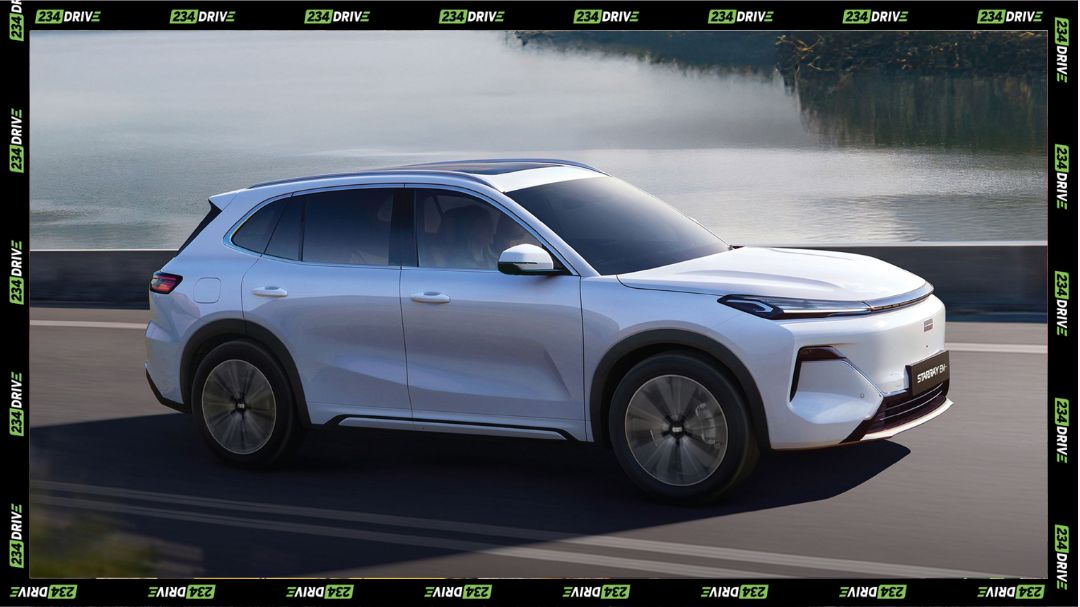
The Starray is more than just a bargain-basement special; it is the first vehicle built on Geely’s dedicated Global Intelligent Electric Architecture (GEA) specifically for hybrid use. Unlike ‘converted’ EVs that often sacrifice boot space or fuel tank capacity, the Starray’s packaging is efficient. It offers two battery options—18.4 kWh and 29.8 kWh—delivering WLTP electric ranges of 51 and 84 miles respectively. The latter figure is particularly significant; at sub-£35,000 for the Ultra trim, it offers the longest EV range of any PHEV in its price bracket, essentially functioning as a full EV for the vast majority of UK commutes.
Under the skin, Geely has leveraged its ownership of Lotus to tune the chassis for British roads. The result is a ride that prioritises compliance and comfort over cornering prowess. While enthusiasts might find the body lean noticeable and the steering somewhat light, the Starray excels in urban environments where its electric motor handles the heavy lifting, keeping the cabin hushed and refined. However, the transition to petrol power isn’t always seamless; the 1.5-litre engine can sound strained under heavy load, a reminder that this is a vehicle designed for efficiency rather than performance.
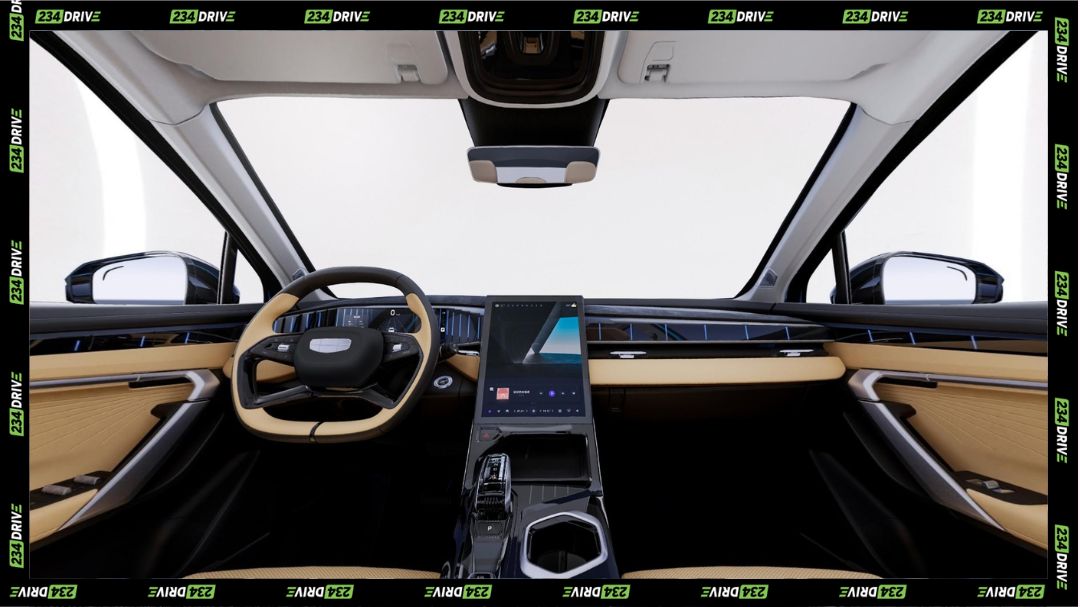
The interior is where the Starray truly challenges its price point. The cabin features a 15.4-inch portrait touchscreen and a 10.2-inch driver display, powered by the Flyme Auto system. Material quality is high, with extensive use of synthetic leather and soft-touch plastics that mimic more expensive rivals. Yet, the tech-heavy approach brings its own frustrations. The reliance on the touchscreen for basic functions like climate control can be fiddly, and the suite of Advanced Driver Assistance Systems (ADAS) is frequently cited by early reviewers as being overly intrusive, with constant alerts for lane positioning and driver monitoring.
For the value-conscious buyer, the ownership proposition is bolstered by an industry-leading eight-year or 125,000-mile warranty on both the vehicle and the battery. With 0% APR finance deals starting around £335 per month, Geely is directly undercutting rivals like the BYD Sealion 5 and MG HS by thousands. While the brand remains a relative unknown to some, its parentage of Volvo and Lotus provides a layer of engineering credibility that other newcomers lack. The Starray isn’t just a cheap car; it is a calculated move to democratise long-range hybrid technology.Ultimately, the Geely Starray EM-i represents a shift from ‘mobility efficiency’ to ‘mass-market disruption.’ It forces the question: if you can have 84 miles of EV range, a premium-feeling cabin and a decade-spanning warranty for under £35,000, why would you pay £10,000 more for a badge? For the 234Drive reader, the Starray is a clear signal that the gap between ‘affordable’ and ‘advanced’ is closing faster than the established manufacturers would like to admit.