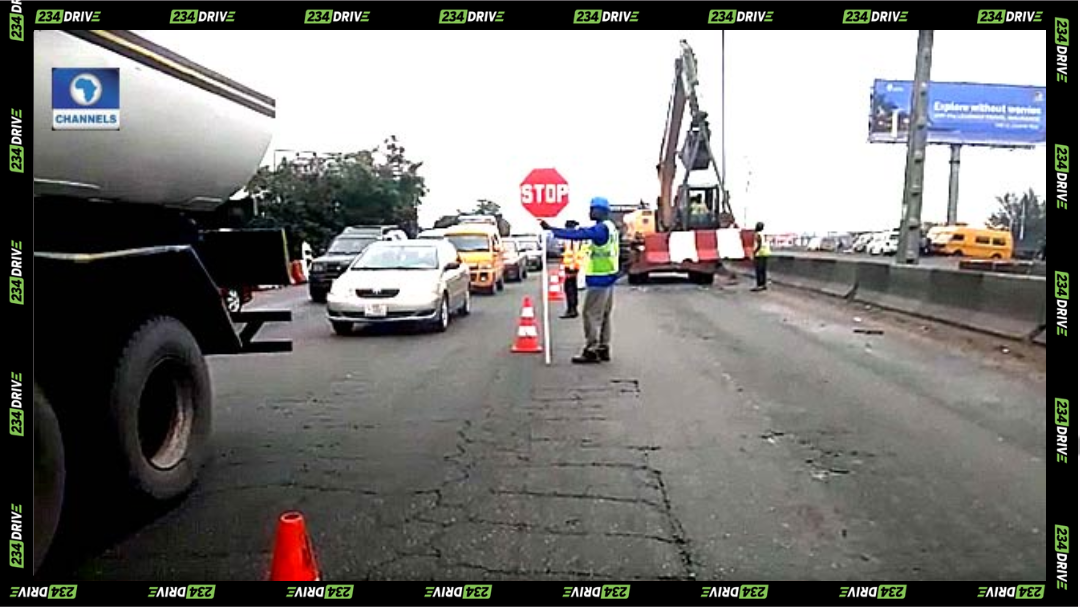

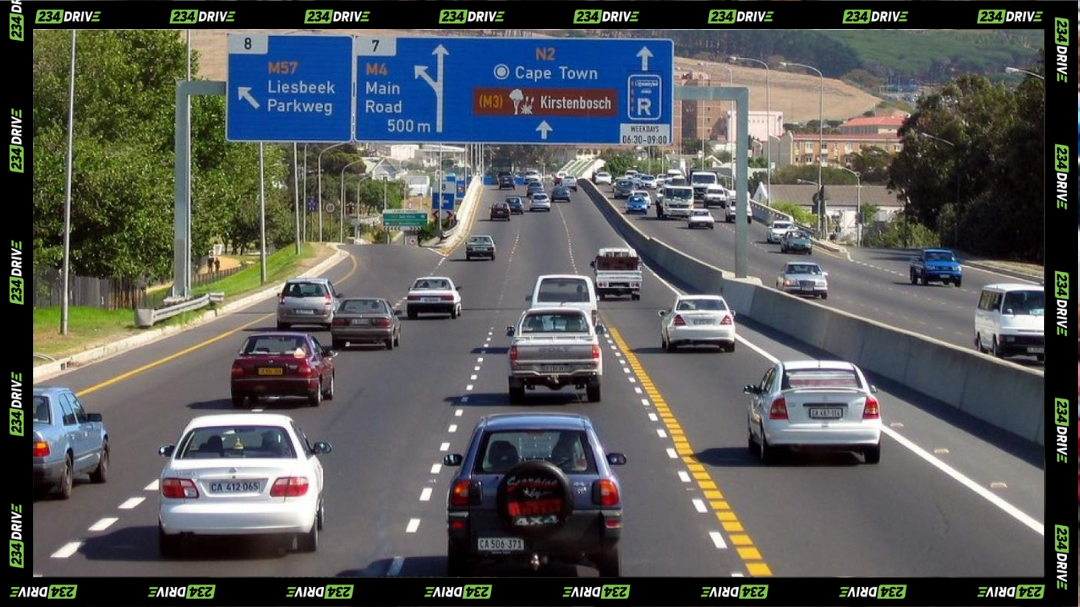
Traffic moves steadily along the N2, connecting Cape Town’s airport to the city’s busy daily rhythm. | Source: Tourismupdate
For a road that links one of South Africa’s busiest international gateways to a city sold as a global tourism capital—like a life-threatening adventurer’s journey but without a promised happy ending. The N2 highway between Cape Town International Airport and the city centre has earned a grim nickname among locals: the “hell run”.
What should be a simple drive has slowly turned into a place many people fear. Along this road and the smaller roads feeding into it, attacks follow a clear pattern. Criminals take advantage of traffic and slow movement. They throw rocks or concrete to break windscreens, place spikes or debris to cause punctures, and wait for cars to stop before moving in. The goal is to score by forcing vehicles to stop and then robbing the people inside.
Recent incidents show how serious the problem has become. In one case, an anti-crime activist narrowly survived after attackers threw concrete into his car near the airport, injuring his wife and trying to force him to stop.In another case, attackers hurled a large rock at a business owner’s son’s car, smashing through the rear window and nearly killing him. In the most tragic incident, assailants attacked a retired teacher during a smash-and-grab in traffic, and she later died at Netcare N1 City Hospital.
These incidents are bigger than a few isolated attacks. Business leaders and activists say this violence has lasted for more than 20 years, affecting both daily commuters and tourists. Many cases go unreported, making official figures unreliable. What unsettles people most is how routine these attacks have become on a road thousands depend on every day.
What is Cape Town’s Government Response to the ‘Hell Run’
That pressure has now prompted a more defined response from the city’s government. Cape Town mayor Geordin Hill-Lewis has confirmed that the City of Cape Town plans to build a high-security wall along the most dangerous section of the N2 near the airport. The project, estimated at R180 million, is intended to physically separate the highway from surrounding high-risk areas and will be funded through the city’s medium-term budget framework.
Responsibility for the N2 officially sits with the South African National Roads Agency and provincial authorities, but the city says waiting is no longer an option. Political parties such as Freedom Front Plus have welcomed the move, citing urgent safety needs. Critics, including the South African Human Rights Commission, argue the wall risks entrenching old spatial divides and sidesteps deeper causes of crime.
For now, the plan signals a priority, which is restoring a basic sense of safety on a road that should never have become infamous in the first place.