
Car gaskets are the unsung heroes of your engine. It is the thin seals that prevent oil, coolant, and combustion gases from mixing or leaking. In Nigeria, where the roads are tough and the sun is hotter, these components face extreme pressure.
If you drive a popular Tokunbo (foreign-used) car like a Toyota, Honda, or Lexus, your single biggest engine threat isn’t just a pot-hole; it’s a blown Cylinder Head Gasket. Ignoring the early signs of a leak could cost you anywhere from ₦500,000 to over ₦1.8 million in total repair costs today.
This 2025 guide breaks down the real risks, the tell-tale symptoms, and the genuine preventative measures that work in Lagos, Abuja, and Port Harcourt traffic.
Why Head Gaskets Blow So Often in Nigeria
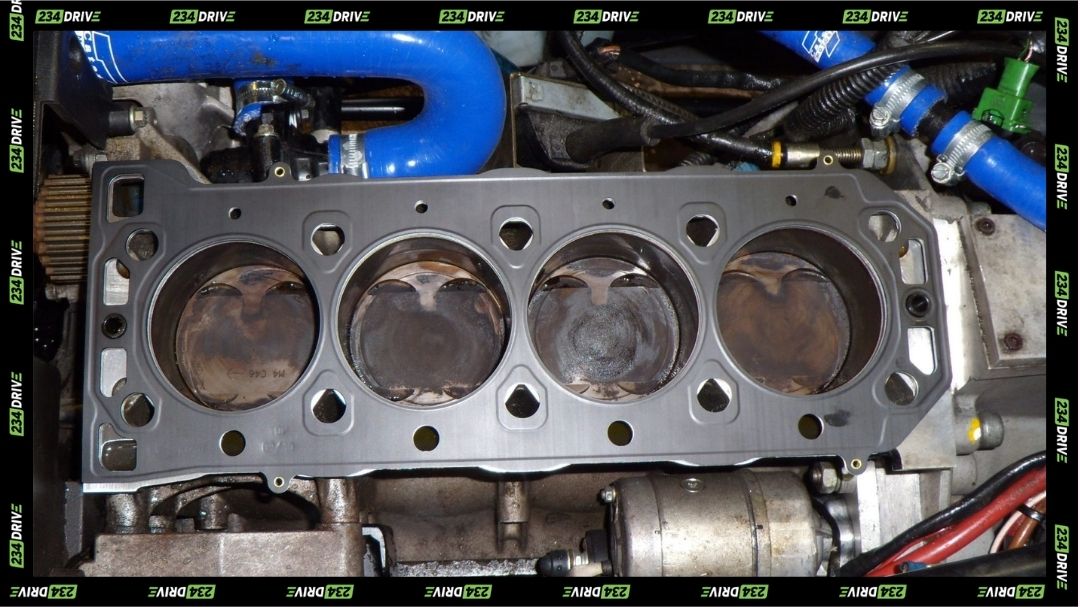
The head gasket sits between the engine block and the cylinder head, sealing the combustion chamber itself. Its failure is rarely spontaneous; it’s almost always the result of sustained heat and abuse typical of Nigerian driving conditions:
- Overheating from Go-Slow Traffic: Lagos, Abuja, or PHC traffic jams push your cooling system to the absolute limit. Fan issues, clogged radiators, and minor leaks turn into catastrophic failures quickly in 35°C heat.
- Adulterated Fuel: Poor quality fuel causes knocking and detonation—uncontrolled explosions inside the cylinder. This detonation creates pressure spikes that literally punch holes in your head gasket, leading to leaks.
- Poor Coolant Quality: Using tap water, fake coolant, or mixing different coolant types accelerates electrolysis (a chemical reaction) that corrodes and eats away at the gasket material.
- Overloading: Overloading vehicles (especially Hiace buses, Sienna, or SUVs) generates excessive engine heat and pressure, accelerating gasket fatigue.
- Delayed Service: Many Nigerian cars are 15–20 year-old Tokunbos. If the cooling system hasn’t been properly flushed or the thermostat replaced, it’s a ticking time bomb.
Common Types & Failure Signs
While the head gasket is the most feared, other gaskets are equally important and have distinct failure signs common in Nigeria:
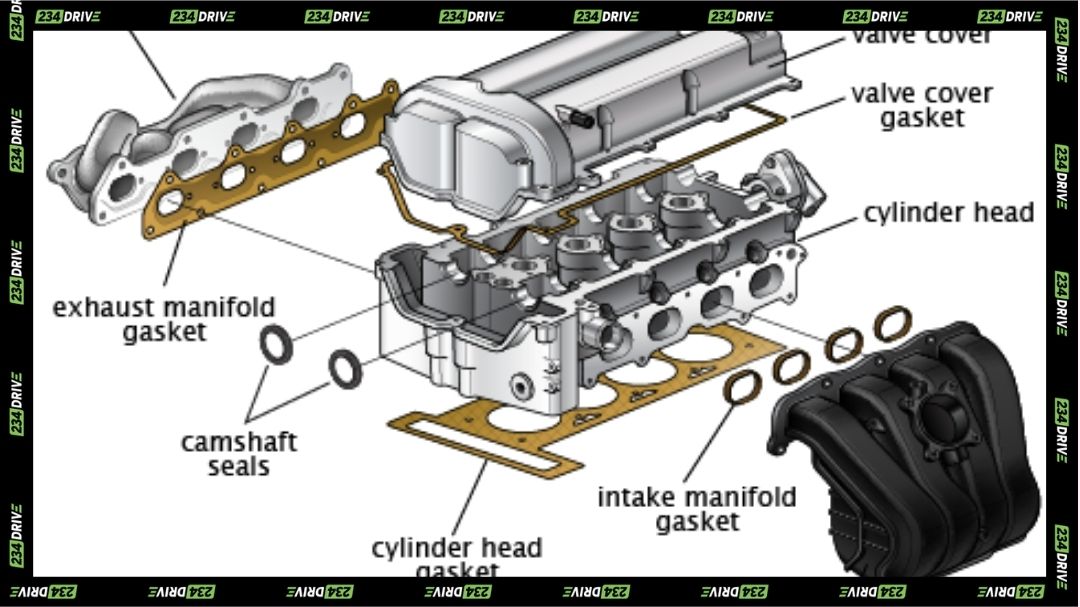
- Cylinder Head Gasket: Located between the engine block and cylinder head, this gasket seals the combustion chamber, oil, and coolant passages. Failure is indicated by overheating in slow traffic, white smoke, milky oil on the dipstick, or unexplained coolant loss (Part Price: ₦25,000 – ₦120,000).
- Valve Cover/Top Gasket: Situated under the rocker cover, its job is to stop oil from leaking onto the hot exhaust system. Common failure signs include an oil burning smell, oil on spark plugs, or smoke under the bonnet (Part Price: ₦8,000 – ₦25,000).
- Intake Manifold Gasket: Found between the intake manifold and the cylinder head, this gasket seals the air/fuel mixture. A leak here causes a rough idle, triggers the check engine light, and leads to poor pickup (the car feels like it’s dragging) (Part Price: ₦10,000 – ₦30,000).
- Exhaust Manifold Gasket: Placed where the exhaust manifold meets the cylinder head, this gasket prevents exhaust gas leaks. Failure results in a loud “kpo-kpo-kpo” sound when accelerating, or the smell of exhaust fumes inside the car (Part Price: ₦12,000 – ₦35,000).
- Oil Pan/Sump Gasket: Located at the bottom of the engine, it stops engine oil from leaking onto the ground. The most obvious sign of failure is oil spots under the car after parking (Part Price: ₦8,000 – ₦20,000).
Symptoms Nigerian Mechanics See Every Day
If you notice any of these signs, you need to park the car immediately and call your mechanic. This is a five-alarm emergency:
- White Smoke from Exhaust: This is coolant burning. It smells sweet.
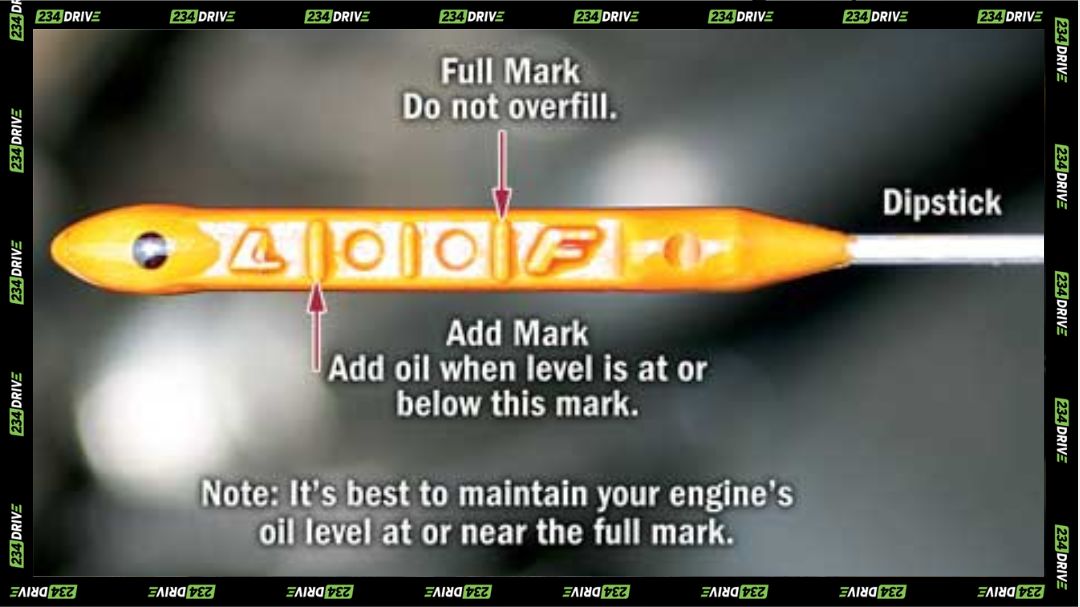
- Milky Mayonnaise Oil: A creamy, yellowish substance on your oil cap or dipstick. This means oil and coolant have mixed—a classic head gasket failure.
- Engine Overheating: The engine overheats even after you’ve changed the fan or radiator.
- Coolant Level Dropping: Your coolant tank is empty, but you can’t see any visible leaks on the ground (it’s leaking internally).
- Bubbles in the Radiator: Bubbles (combustion gases) appearing in the radiator or overflow tank when the engine is running.
- Loss of Power: The engine runs rough and loses noticeable power.
Real Repair Costs (2025 Market Prices)
A head gasket repair involves dismantling the entire top half of the engine, sending the cylinder head for “skimming” (machining to ensure it’s flat), and reassembling everything perfectly—often replacing the timing belt and head bolts too.
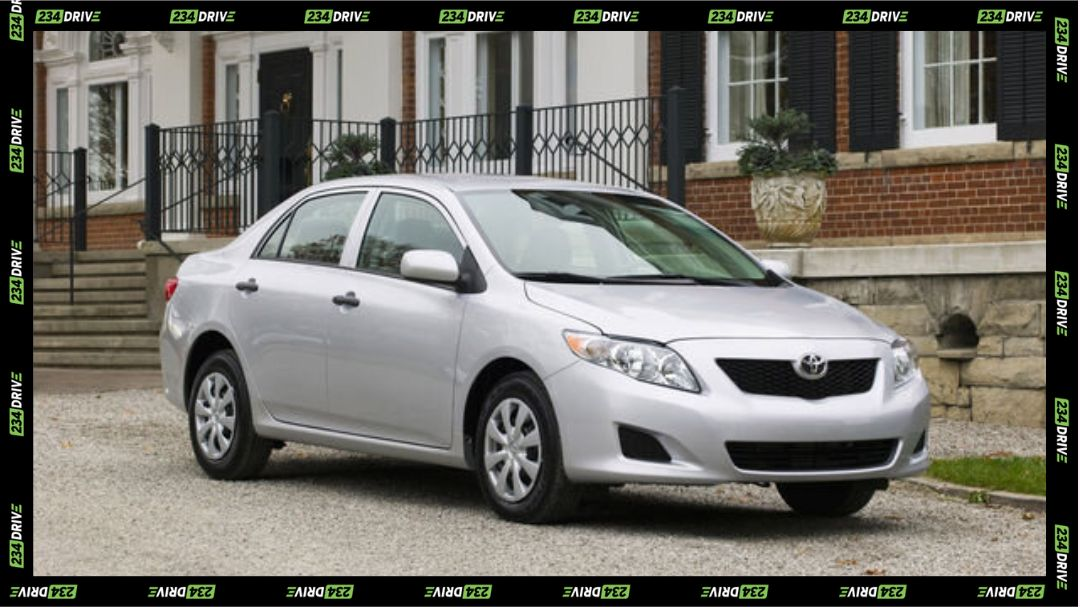
- Toyota Corolla (2005–2010): The repair cost for these popular sedan models typically falls between ₦450,000 and ₦650,000, including the head skimming and labour.
- Honda Accord (2003–2007 EOD): Known for its sensitivity to heat, repairing the head gasket on this engine generation is slightly higher, ranging from ₦500,000 to ₦800,000.
- Toyota Camry (2007–2011 2AZ-FE): This specific engine is notorious for warping the cylinder head, pushing repair costs into the ₦600,000 to ₦950,000 range due to the complexity and machining required.
- Lexus RX350/ES350 (V6 Engines): Because V6 engines are transversely mounted and require significantly more labor to access the rear cylinder head, the repair cost is much higher, generally between ₦1,000,000 and ₦1,800,000. (Requires much more labour)
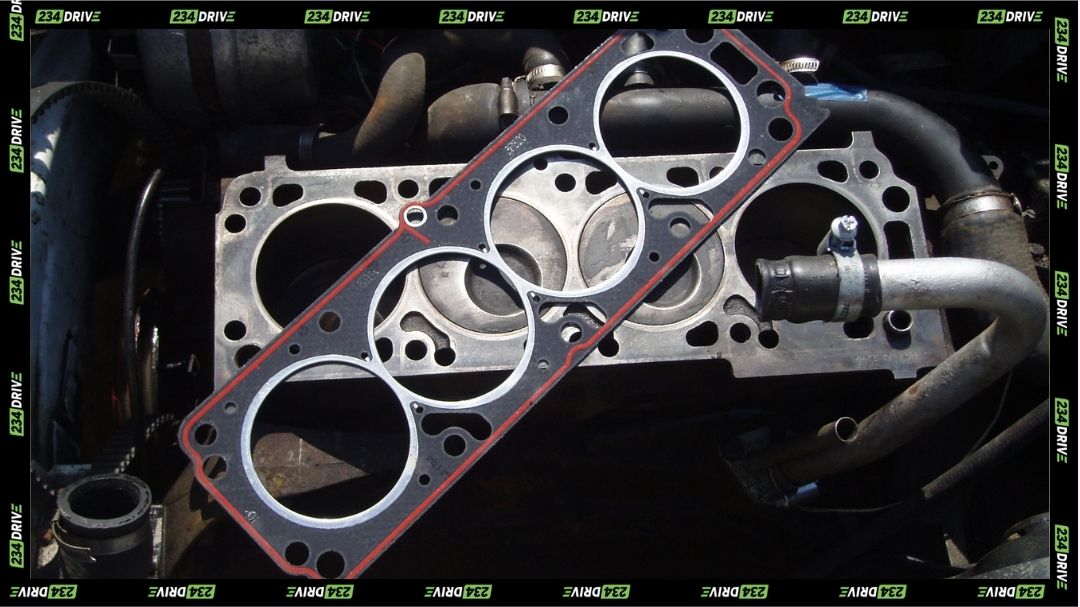
Cost Breakdown for the Part (Head Gasket Only):
- Toyota Corolla 2003–2008: ₦35,000–₦65,000
- Honda Accord 2003–2007: ₦60,000–₦100,000
Best Gasket Brands Available in Nigeria:
Always insist on these brands, even if they cost slightly more than the local Taiwan (Tier 3) parts:
- Tier 1 (Best Quality): Genuine Toyota/Honda, Victor Reinz (Germany), Elring (Germany), Stone (Japan).
- Tier 2 (Reliable Aftermarket): Mahle, Payen, Corteco, Goetze.
Prevention Tips That Actually Work in Nigeria
A blown head gasket is almost always caused by overheating that could have been prevented. Invest a little now to avoid a massive loss later:
- Use Only Quality Coolant: Use red Long-Life (Toyota/Honda) or Prestone green. Never, ever mix different types or brands. Use distilled water for dilution if required, not tap water.
- Change Your Thermostat: Change this tiny part every 3 years or 40,000 km. It costs less than ₦15,000, but a stuck thermostat is the single fastest way to blow your head gasket.
- Flush Your Cooling System: Flush the system entirely every 2 years to remove deposits, rust, and sludge that clog radiators and reduce efficiency.
- Buy Better Fuel: Use 95 RON fuel from reputable stations (TotalEnergies, Ardova, NNPC Mega) when possible to minimise engine knock and detonation.
- Emergency Cooling: If your temperature gauge starts to rise in a traffic jam, put your car heater on full blast and switch off the A/C. This draws heat away from the engine bay, acting as a second, temporary radiator.
- Avoid Sealants as a Permanent Fix: Do not use head gasket sealant powders/liquids (like K-Seal or Bar’s Leaks) as a permanent solution. They often block the radiator, leading to bigger issues down the line.
A blown head gasket is one of the most stressful and costly repairs any Nigerian driver can face. In the current economic climate, preventing this problem is the ultimate cost-saving measure. Spend that ₦15,000 on preventative maintenance instead of waiting to spend ₦600,000 on a full engine job!