
The steering wheel stands as one of automotive engineering’s most fundamental yet overlooked components. What began as a simple replacement for cumbersome tillers in the 1890s has evolved into a sophisticated control hub integrating safety systems, digital interfaces, and driver assistance technologies. Modern steering wheels represent the convergence of mechanical precision, ergonomic design, and cutting-edge electronics, transforming from basic circular frames into multifunctional command centers.
As the automotive industry transitions toward autonomous driving, the steering wheel faces its most significant evolution yet: potentially becoming optional equipment in fully self-driving cars. This article explores the historical development, mechanical systems, material considerations, safety innovations, and future prospects of this essential component that has defined driver-vehicle interaction for over a century.
From Ships to Streets: The Historical Journey
The steering wheel’s automotive journey began with maritime inspiration, adapting the ship’s wheel concept to land vehicles. Early automobiles like Karl Benz’s 1885 Patent-Motorwagen relied on tillers—horizontal bars with handles—which proved awkward on uneven terrain. The breakthrough came in 1894 when French engineer Alfred Vacheron equipped a Panhard 4 hp car with a circular steering wheel for the Paris-Rouen race, demonstrating superior handling and precision.
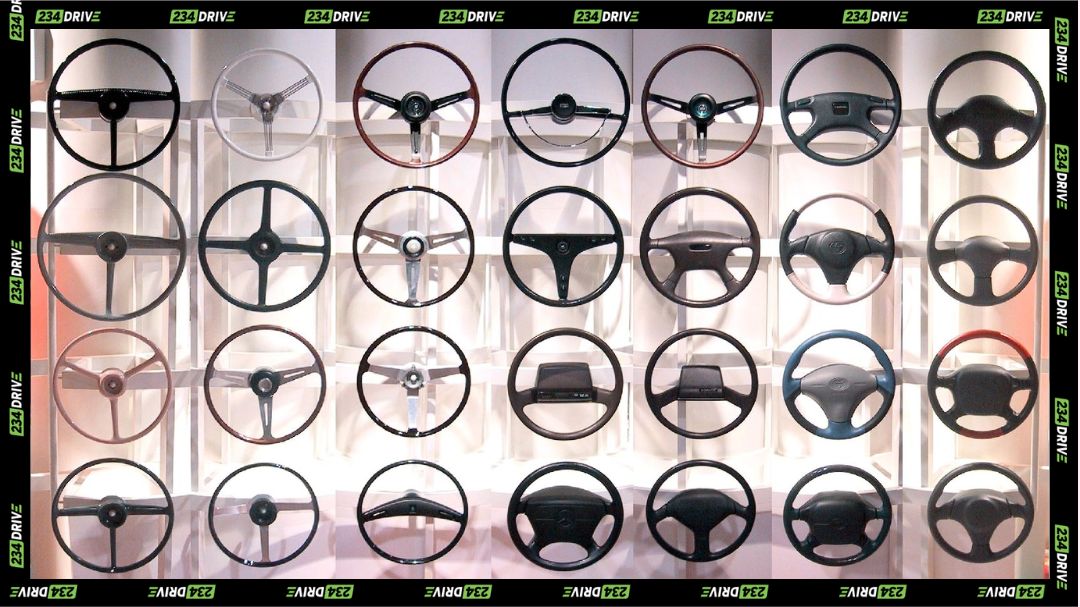
By 1898, Panhard et Levassor had standardised steering wheels on production models. Charles Rolls imported a steering wheel-equipped Panhard to Britain in 1898, while Packard introduced the design to America in 1899. Ford’s Model T cemented its dominance, and left-hand drive became the American standard by 1910. Innovation accelerated throughout the 20th century: horn buttons appeared in 1915, telescopic adjustment arrived in 1949 on the Jaguar XK120, and power steering debuted with the 1951 Chrysler Imperial. The 1960s introduced collapsible columns (mandated in the U.S. by 1968), tilt mechanisms, and cruise control switches. Airbags arrived optionally in 1981 Mercedes models before becoming standard equipment by the late 1980s.
The Mechanics Behind the Turn
The steering wheel converts rotational force into precise wheel swiveling through gears, rods, and pivoted joints. A typical wheel measures 15 inches in diameter, with gear ratios providing manageable control—four wheel rotations might translate to just 12 inches of tire movement. Two primary systems dominate: rack-and-pinion features a pinion gear meshing with a toothed rack for precise, direct response preferred in modern vehicles. Steering-box systems employ worm gear variants including recirculating-ball configurations, offering greater durability for heavy-duty applications despite increased complexity.
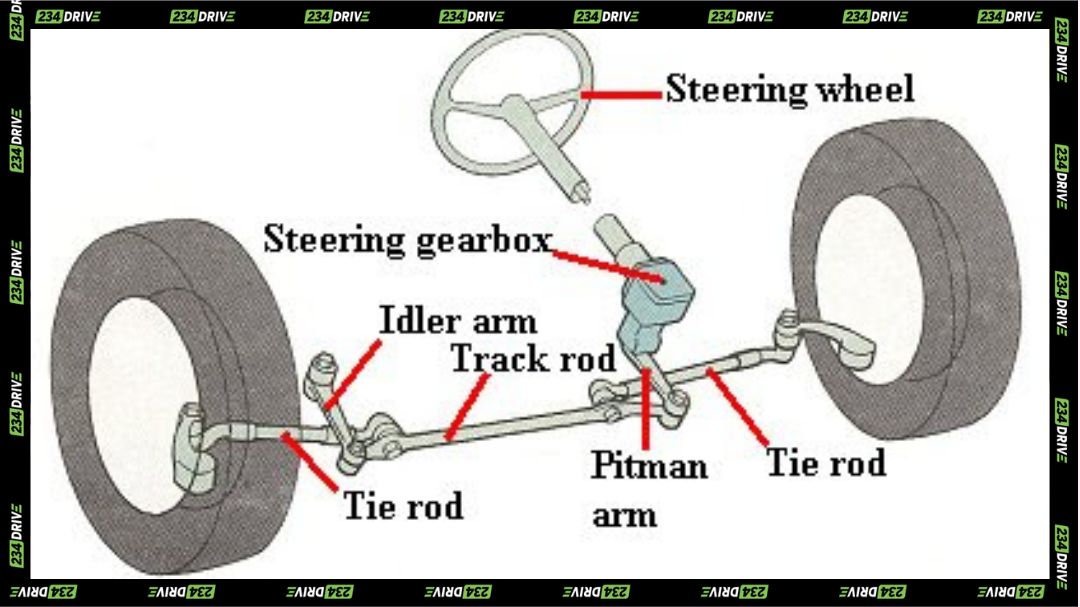
Power assistance revolutionised steering effort. Hydraulic Power Steering (HPS) uses engine-driven pumps and fluid but draws constant energy and requires maintenance. Electric Power Steering (EPS) provides superior efficiency through motors delivering on-demand assistance, enabling variable levels based on speed—lighter at parking speeds, firmer at highway velocities for stability. Modern systems warn against “dry steering” (turning while stationary) which accelerates component wear.
Materials That Make the Difference
Steering wheel construction balances structural integrity with tactile comfort. The skeleton typically consists of steel, aluminum, magnesium, or carbon fiber, covered with various grip materials. Carbon fibre provides exceptional durability and firm grip but scratches easily and offers less comfort. Leather remains the premium choice, delivering quality, aesthetic appeal, and comfort, though it’s difficult to clean and costly. Polyurethane alternatives offer easy maintenance and affordability but sacrifice breathability.
Plastic coverings provide easy cleaning but feel dated with poor grip when hands sweat. Wood trim delivers sophisticated aesthetics and excellent grip for luxury vehicles, though it’s less durable and expensive. Alcantara provides soft texture and outstanding grip favoured by enthusiasts but wears quickly and lacks breathability. Design configurations vary from four-spoke standards to modern three-spoke layouts providing better instrument visibility. Adjustability options include tilt mechanisms, telescope adjustment, and quick-release hubs for racing applications.
Safety Integration and Modern Technologies
Safety evolution transformed steering wheels from injury risks into protective systems. Collapsible columns compress during frontal impacts, reducing chest and facial injuries—patented in 1934, reaching production in 1967, and federally mandated by 1968. Airbag integration during the 1980s required redesigning hub structures to accommodate deployment mechanisms.
Contemporary steering wheels function as comprehensive command centres. Buttons for horns, cruise control, audio systems, and telephony connect through slip rings maintaining electrical continuity during rotation. Advanced Driver Assistance Systems (ADAS) integrate Lane Keep Assist features using torque overlay for corrective steering inputs. Hands-on detection monitors driver engagement, while heating elements improve cold-weather comfort. Formula 1 wheels exemplify technological extremes, costing $100,000 each with over 30 buttons controlling everything from fuel mixture to differential settings.
Steer-by-wire (SbW) technology eliminates mechanical linkages between wheel and road wheels entirely. Electronic signals transmit steering inputs to actuators, enabling adaptive gear ratios, increased design freedom, and seamless autonomous driving integration. Haptic feedback through SbW communicates road conditions, lane boundaries, and system warnings directly through the wheel rim, enhancing driver awareness without visual distractions.
Fascinating Facts and Future Prospects
Steering wheels harbour surprising characteristics. Studies reveal they contain more germs than toilet seats, making regular cleaning essential. In Japan, sumo wrestlers face driving challenges due to steering wheel size incompatibility. U.S. mail trucks employ right-hand steering wheels for curbside delivery convenience. Safety guidelines now recommend 9-and-3 hand positions rather than traditional 10-and-2, reducing arm injury risks during airbag deployment. Modern wheels incorporate self-centering mechanisms that automatically return to neutral positions, reducing driver fatigue.
As vehicles progress toward autonomy, steering wheels face potential obsolescence as primary controls. BMW holds patents for retractable steering wheels that fold away during autonomous operation, maximising interior space. However, regulatory frameworks suggest steering wheels will persist as backup controls even in highly automated vehicles. Concept designs envision sustainable flax-fibre composites, modular attachment systems for personalisation, and minimalist touch-sensitive surfaces with haptic feedback.
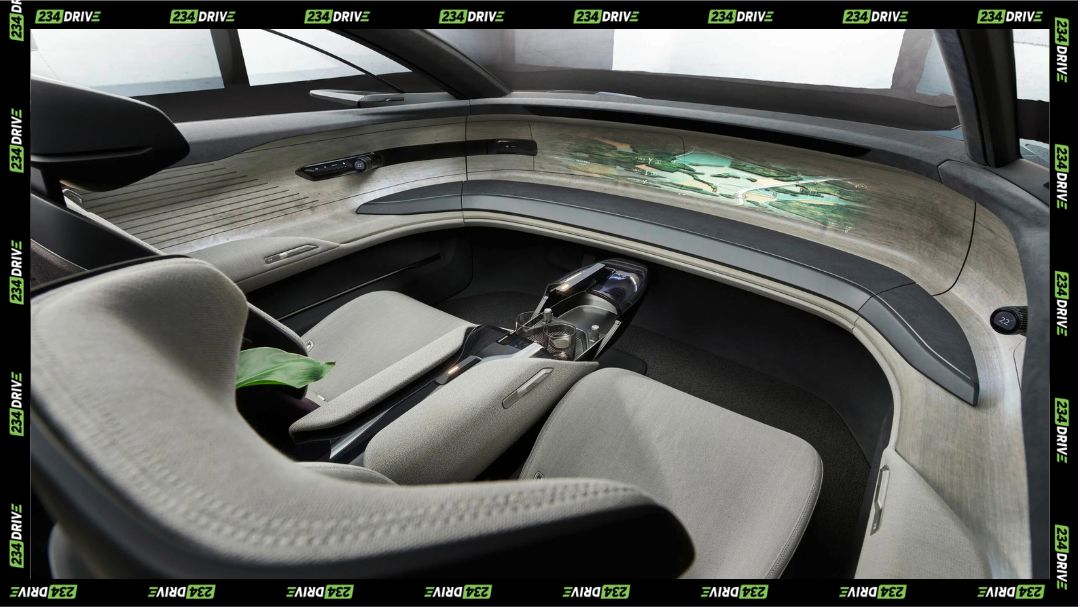
Steer-by-wire promises transformative benefits: tighter turning radii through variable gear ratios, improved safety via AI integration providing corrective assistance, and efficiency gains from eliminating hydraulic systems. These advances raise concerns about electronic reliability and cybersecurity vulnerabilities, but represent the inevitable evolution of human-vehicle interfaces.
Conclusion
The steering wheel’s journey from simple navigational tool to sophisticated control interface reflects broader automotive evolution. Beginning as a practical replacement for tillers in 1894, it has absorbed countless innovations—power assistance, safety integration, electronic controls, and autonomous compatibility—while maintaining its essential function of connecting driver to machine. Modern steering wheels balance mechanical precision, ergonomic comfort, safety requirements, and technological capabilities in remarkably compact packages.
Looking forward, steering wheels stand at a crossroads between traditional manual control and autonomous futures. Whether they evolve into retractable interfaces, minimalist touch surfaces, or remain as reassuring backup systems, their fundamental purpose of human-vehicle connection endures. As vehicles become increasingly intelligent, steering wheels will likely transform from control devices into communication interfaces facilitating collaboration between human drivers and artificial intelligence systems, ensuring this century-old component remains relevant for decades to come. What features do you value most in your vehicle’s steering wheel? Share your thoughts and experiences in the comments below.