
The Honda Vezel, widely recognised as the Honda HR-V in international markets, has established itself as a dominant force in Kenya’s competitive compact crossover segment since its global debut in 2013. Marrying the rugged utility of an SUV with the nimble footprint of a hatchback, the Vezel has become a staple on Kenyan roads, particularly within the urban landscapes of Nairobi and Mombasa. Its market trajectory is defined by a shift towards sustainable mobility, as its hybrid variants have gained significant traction among middle-class professionals and small families seeking a balance between prestige and economy. The vehicle’s public image is one of modern sophistication and pragmatic engineering, appealing to those who prioritise reliability without sacrificing contemporary styling.
In the Kenyan automotive landscape, the Vezel’s reputation is bolstered by its dual-generation presence. The first-generation RU series (2013–2020) and the ultra-modern second-generation RV series (2021–present). Most units entering the country arrive as foreign-used imports from Japan, a pipeline that ensures a steady supply of high-specification models. Whether navigating the congested avenues of the capital or cruising along the coastal highways, the Vezel is viewed as a versatile “all-rounder.” This guide explores the various iterations of the Vezel available in the local market, examining their design, interior technology, and the financial considerations essential for ownership in 2025.
The First-Generation Honda Vezel (RU1/RU2 Petrol)
The exterior of the first-generation petrol Vezel is defined by its coupe-like silhouette, a design choice that was revolutionary for the compact SUV segment at the time of its release. Its sharp, sweeping character lines and hidden rear door handles give it a sleek, two-door appearance while maintaining four-door practicality. The front fascia features an aggressive “solid wing face” grille design, flanked by halogen or LED headlamps depending on the trim. Its 170 mm ground clearance provides a commanding road presence compared to standard saloons, though it retains a compact enough profile to navigate narrow urban streets with ease. The build quality is robust, with a paint finish that has proven resilient against the harsh equatorial sun often experienced in the Kenyan interior.
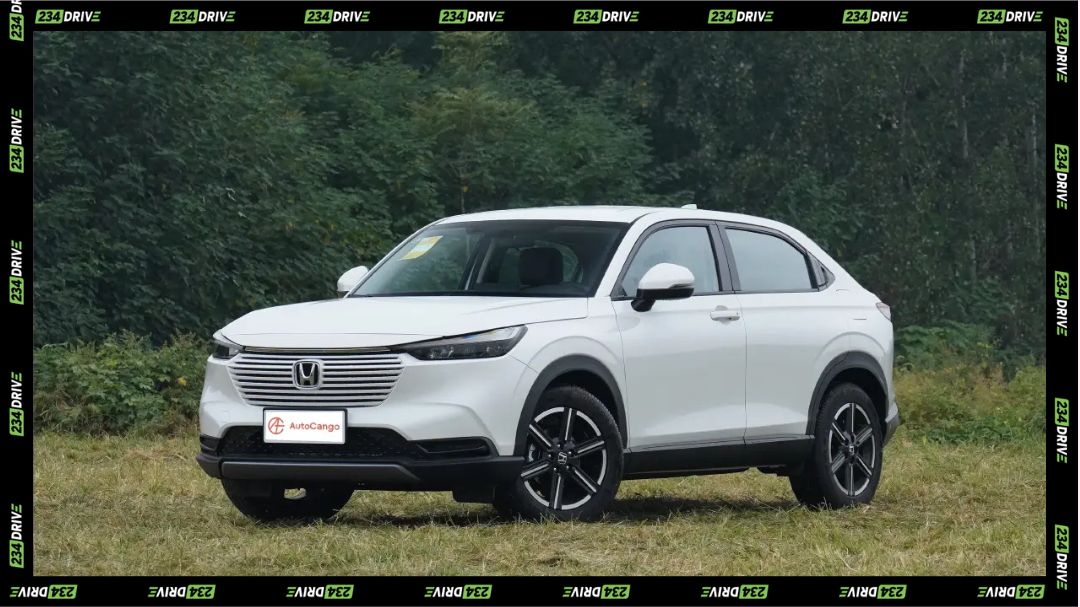
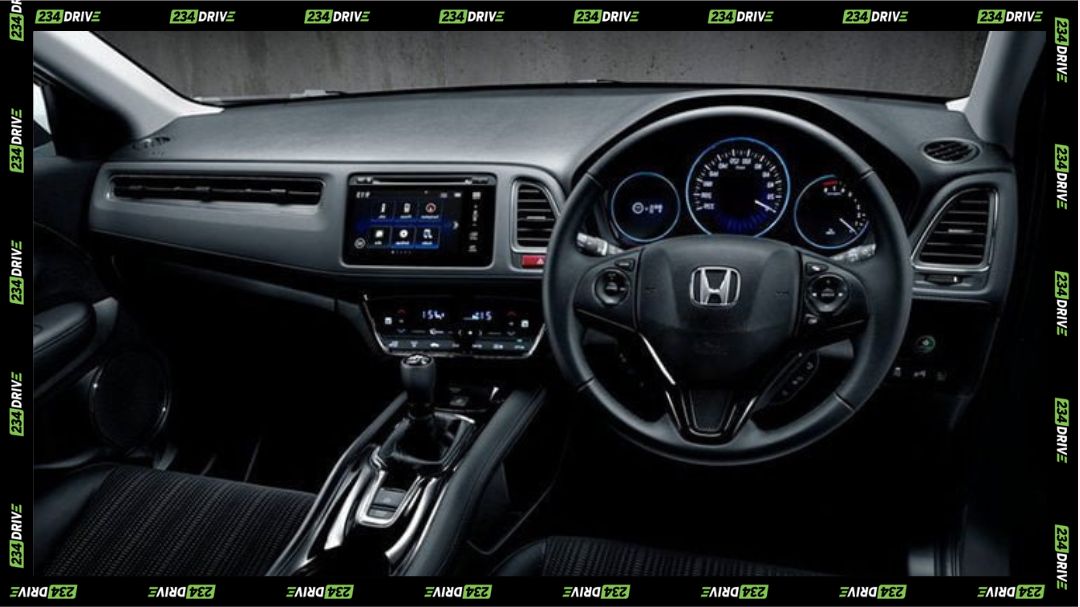
Inside, the petrol-powered RU series offers a driver-centric cockpit finished with high-quality soft-touch materials and a distinctive high-deck centre console. The cabin is surprisingly spacious, providing ample legroom for both front and rear passengers, though the sloping roofline can slightly restrict headroom for taller occupants in the back. Performance is delivered via a 1.5-litre DOHC i-VTEC engine paired with a smooth Continuously Variable Transmission (CVT). This setup produces a respectable 129 brake horsepower, offering a balanced driving experience that is more focused on efficiency than raw speed. In the current Kenyan market, well-maintained 2017–2018 petrol models typically retail between KSh 2.4 million and KSh 2.7 million, with current market valuations reflecting strong demand for these units.
The First-Generation Honda Vezel Hybrid (RU3/RU4 i-DCD)
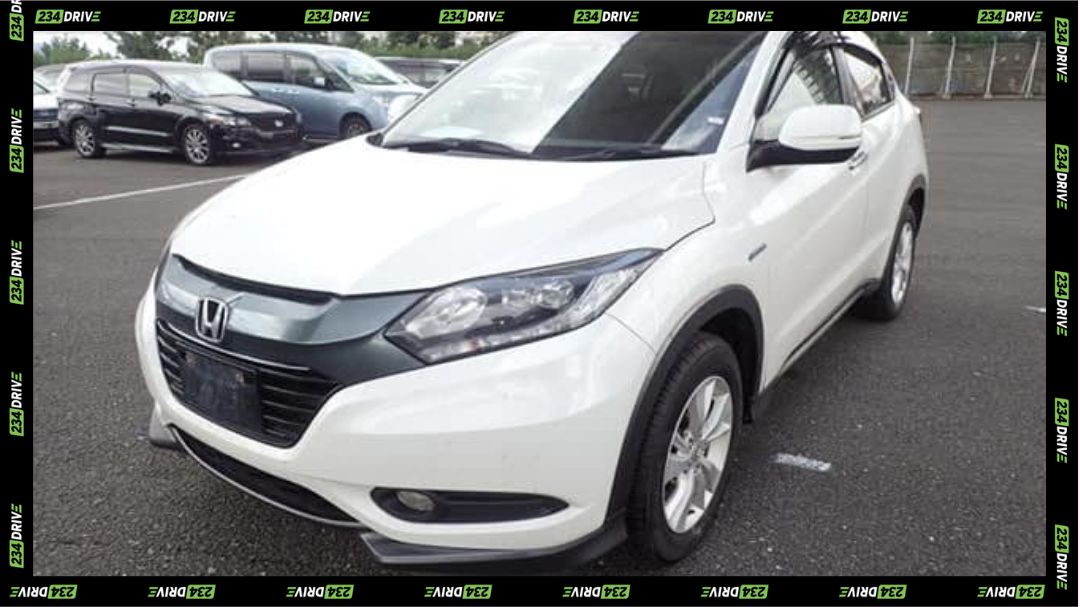
The Hybrid RU3 variant shares much of its exterior DNA with its petrol sibling but is often distinguished by subtle blue-tinted accents in the headlamps and clear-lens LED tail lights. It maintains the sporty, aerodynamic profile that made the RU series a global success, often sitting on 17-inch or 18-inch alloy wheels that enhance its premium aesthetic. The road presence is elevated by a more modern lighting signature, which remains a key selling point for Kenyan buyers looking for a vehicle that looks more expensive than its price tag suggests. The integration of the hybrid badging serves as a status symbol in Kenya, signalling the owner’s commitment to modern technology and fuel economy.
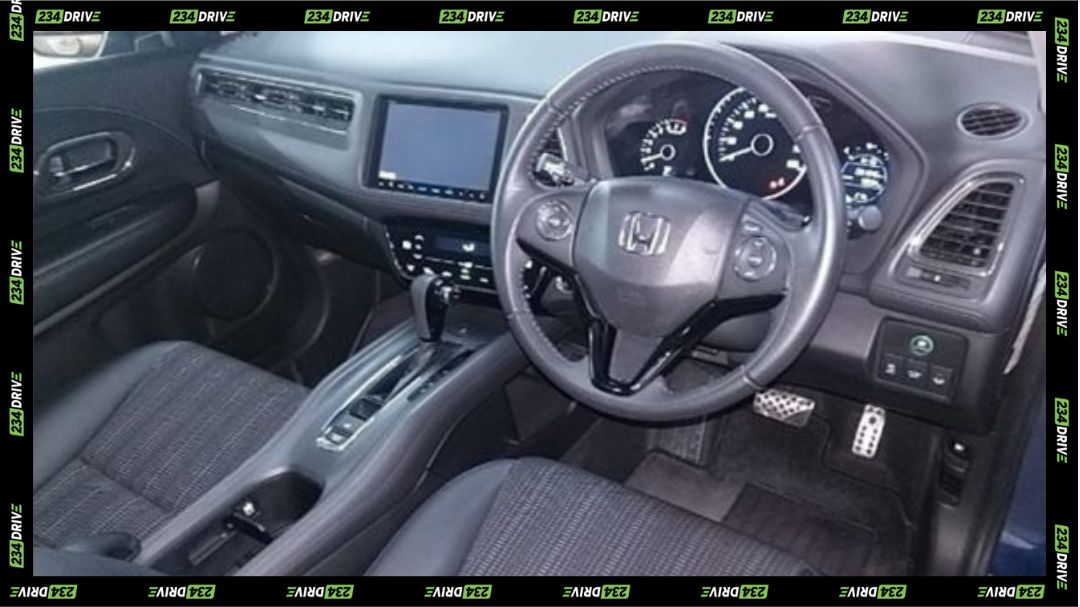
The interior of the Hybrid RU3 is where the differences become most apparent, featuring a unique electronic gear selector and a digital instrument cluster that displays energy flow and battery status. Under the bonnet lies the Sport Hybrid i-DCD system, combining the 1.5-litre engine with an electric motor and a 7-speed Dual Clutch Transmission (DCT). This combination delivers a nippier 137 horsepower and significantly improved low-end torque, making it ideal for the stop-start traffic of Nairobi. Comfort remains a priority, with high-grade trims offering heated seats and dual-zone climate control. Prices for these models vary based on mileage and year, with 2015–2017 units ranging from KSh 2.25 million to KSh 2.75 million, while later 2019 models can push towards KSh 2.9 million.
The Second-Generation Honda Vezel e:HEV (RV Series)
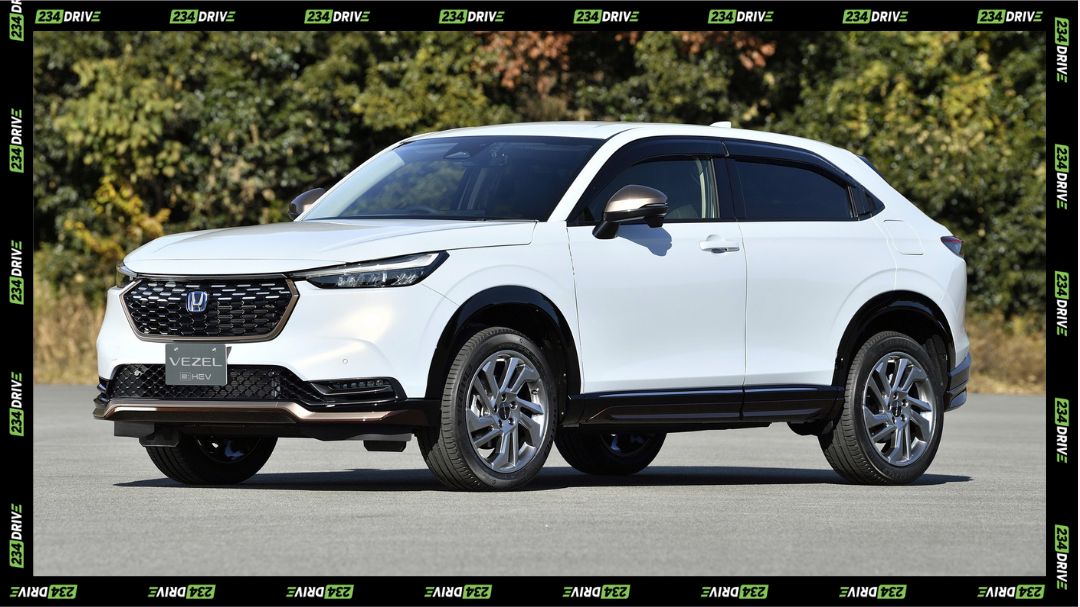
The 2021 redesign brought a radical shift in the Vezel’s design language, moving away from curves towards a more minimalist, sophisticated aesthetic. The exterior features a bold, body-coloured horizontal grille that integrates seamlessly into the front bumper, giving it an almost electric-vehicle look. The LED headlights are slimmer and more aggressive, connected by a clean shoulder line that runs the entire length of the vehicle to a full-width LED light bar at the rear. This generation boasts a more upright stance and a flatter roofline, which not only improves its visual presence but also addresses the headroom criticisms of its predecessor. It is a striking vehicle that stands out in the upscale neighbourhoods of Karen or Muthaiga.
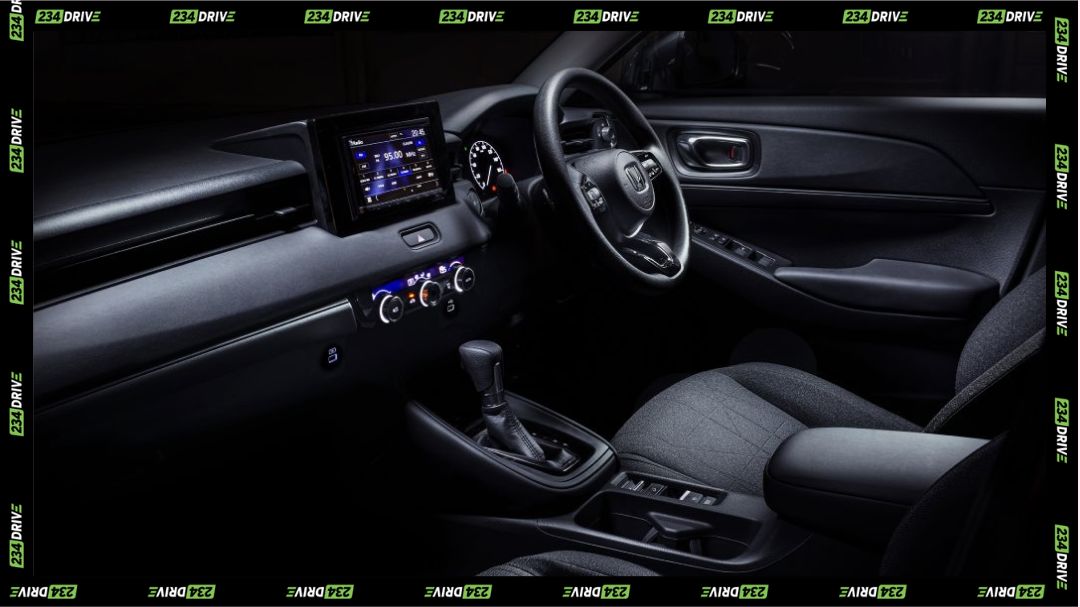
The interior of the RV series is a masterclass in modern ergonomics, featuring a “light and airy” concept with an L-shaped air vent design that creates a curtain of fresh air for passengers. The technology suite is significantly upgraded, featuring a 9-inch touchscreen with Apple CarPlay and Android Auto, alongside the Honda Sensing safety suite as standard. The e:HEV powertrain uses two electric motors to provide a seamless, EV-like driving experience, delivering 131 horsepower and a massive 253 Nm of torque. This translates to effortless overtaking on the open road and exceptional quietness in the city. As these are newer units, prices are premium; a 2021 hybrid import starts around KSh 3.2 million, as detailed in recent price guides.
How it Handles the Kenyan Roads
The Honda Vezel is exceptionally well-suited to the diverse driving conditions found across Kenya. Its compact dimensions make it a favourite for urban dwellers who must navigate tight parking spaces and heavy traffic, while its 170 mm ground clearance is adequate for the occasional “light-duty” rough road or the ubiquitous speed bumps found in Kenyan residential areas. The suspension is tuned for comfort, effectively soaking up the vibrations from uneven tarmac. However, for those living in areas with particularly poorly maintained roads, many owners opt to install aftermarket skid plates to protect the undercarriage, especially on the hybrid models where the battery and electrical components require extra shielding from debris.
Climate and maintenance considerations are also vital for Kenyan ownership. The Vezel’s air conditioning system is robust enough to handle the coastal humidity of Mombasa and the dry heat of the Rift Valley. Regarding maintenance, while Honda parts are generally more expensive than Toyota equivalents, they are widely available in major towns. The hybrid battery, which typically lasts between 8 and 12 years, is a consideration for long-term owners, with replacements in Kenya costing approximately KSh 250,000. For the lifestyle-conscious Kenyan, the Vezel offers a high level of prestige and a “cool factor” that few other compact SUVs in this price bracket can match, making it a symbol of upward mobility.
Market Comparison and Rival Analysis
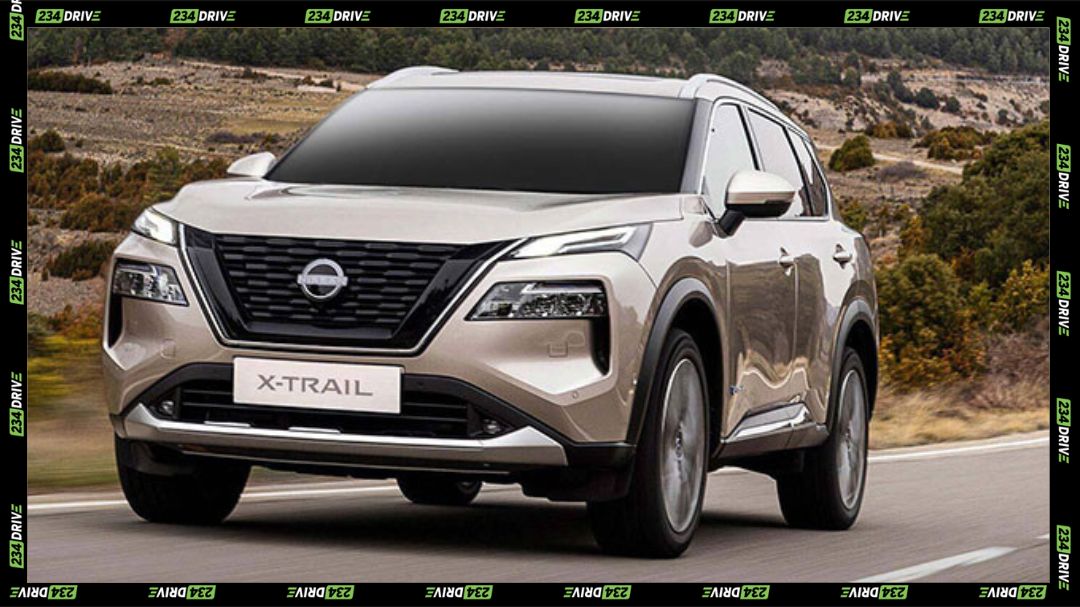
When compared to its primary segment rivals, such as the Subaru XV and the Nissan X-Trail, the Honda Vezel occupies a unique middle ground. The Subaru XV offers superior Symmetrical All-Wheel Drive and higher ground clearance, making it the better choice for rural excursions; however, the Vezel counters with significantly better fuel economy, especially in hybrid form, where it achieves 20–25 km/l compared to the XV’s 10–12 km/l. The Nissan X-Trail offers more interior volume and a seven-seat option, but it lacks the Vezel’s urban agility and has historically suffered from more CVT-related reliability concerns in the Kenyan second-hand market. The Vezel’s resale value remains remarkably strong, typically retaining about 65% of its value after five years of local use.
In terms of durability and maintenance, the Vezel is generally viewed as more reliable than European alternatives like the Peugeot 2008, though it cannot quite match the “bulletproof” reputation of the Toyota C-HR. While the Toyota C-HR is its most direct rival in terms of style and hybrid tech, the Vezel is often preferred for its “Magic Seats” and superior boot space, providing better utility for family life. Many buyers find it helpful to compare pros and cons when weighing these options. The main drawback for the Vezel remains the potential for costly repairs to the DCT gearbox in early hybrid models (2014–2015). Consequently, most experts recommend checking detailed reviews to ensure long-term durability and lower total cost of ownership.
Conclusion
The Honda Vezel represents a sophisticated and highly efficient choice for the Kenyan motorist, blending modern technology with practical SUV utility. Its strengths lie in its exceptional fuel economy, premium interior feel, and a design that remains contemporary years after its release. While buyers must be mindful of higher parts costs and specific gearbox maintenance for early hybrids, the overall package offers a compelling value proposition in the KSh 2.2 million to 5.5 million range. Whether you are looking for a stylish urban commuter or a reliable family crossover, the Vezel stands as one of the best investments in the current market.
What are your thoughts on the Honda Vezel? Do you prefer the fuel-sipping hybrid or the traditional petrol engine for Kenyan roads? Share your experiences or questions in the comments below!