
Air travel in Nigeria has transformed from a luxury to a daily necessity for business professionals, tourists and families alike. With the vast geography of the country making road travel time-consuming, the domestic aviation sector has seen a massive surge in demand. However, booking a flight in Nigeria requires a clear understanding of the local market, fluctuating prices, and the best platforms to use for a seamless experience.
This guide provides a thorough breakdown of how to book, where to book, and how much it costs to fly domestically and internationally from Nigeria’s major hubs.
Understanding the Nigerian Aviation Landscape
The Nigerian aviation industry is a dynamic environment where state-owned and private carriers compete across a network of over 20 airports. The most active routes connect the “Big Three”: Lagos, Abuja, and Port Harcourt, but there is increasing connectivity to regional centres like Uyo, Kano, Enugu, and Calabar.
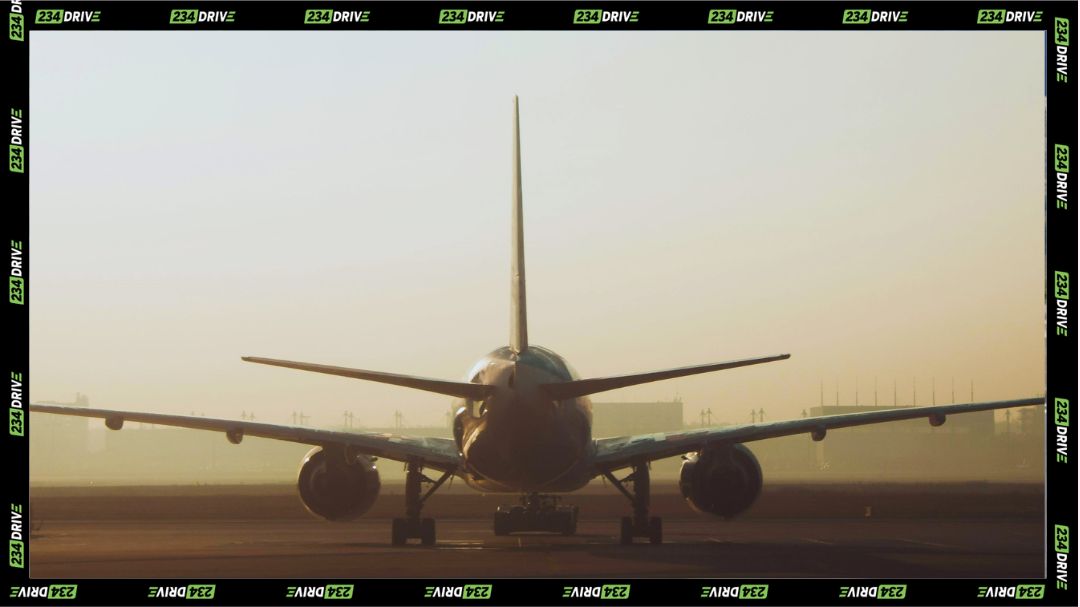
As of early 2026, flying is the preferred method for anyone prioritising speed and safety. While the market faces challenges like fuel price volatility, the entry of new carriers has improved service standards and booking convenience.
Where to Book Your Flights in Nigeria
When deciding where to book, you should choose between booking directly with the airline for better customer support or using an aggregator for price comparisons.
Top Domestic Airlines
For domestic travel, these are the most reliable carriers currently operating in the country:
- Air Peace: Nigeria’s largest airline, covering almost every major city. They are often the first choice for travellers looking for reliable service and flexible schedules.
- Ibom Air: Known for having the highest punctuality rates in the country. Ibom Air is particularly strong on the Lagos-Abuja and Uyo routes.
- United Nigeria Airlines: A solid choice for regional connections, especially to the South-East and South-South regions. You can book United Nigeria Airlines tickets easily through their mobile-responsive portal.
- ValueJet and Green Africa: These are the leading low-cost carriers in Nigeria, offering “Lite” fares for travellers who only have hand luggage.
Leading Booking Platforms and Aggregators
If you want to compare multiple airlines side-by-side to find the lowest fare, these platforms are highly recommended:
- Wakanow: Nigeria’s largest online travel agency. Wakanow is excellent for those who want to pay via bank transfer or even use “pay small small” instalment plans.
- Travelstart: A globally recognised platform with a strong local presence. Travelstart offers extensive filter options to help you find the best morning or evening flights.
- Skyscanner and Google Flights: These international tools are perfect for tracking price trends and identifying which days of the week are generally cheaper for your specific route.
How to Book Your Flight Online: A Step-by-Step Guide
Booking your flight is a simple five-step process that can be completed in under ten minutes if you have your details ready.
Step 1: Search and Compare
Start by using an aggregator to see the full range of prices for your preferred dates. Don’t just look at the price; check the departure and arrival times, as early morning flights in Nigeria are less likely to suffer from the “knock-on” effect of delays later in the day.
Step 2: Choose Your Fare Tier
Most Nigerian airlines now use “Branded Fares.” For example:
- Economy Saver/Lite: Usually the cheapest but excludes checked baggage and is non-refundable.
- Economy Classic/Standard: Includes 20kg of checked luggage and allows for one free date change.
- Business Class: Offers lounge access, priority boarding, and 30kg to 40kg of baggage.
Step 3: Enter Passenger Information
You must enter your name exactly as it appears on your government-issued photo identification. For domestic flights, this includes your National ID (NIN), Driver’s Licence, or Voter’s Card. For international flights, you will need your International Passport details.
Step 4: Add Extras and Insurance
During the booking process, you can add travel insurance, select specific seats, or pay for excess baggage in advance. Booking excess baggage online is often 20% cheaper than paying at the airport counter.
Step 5: Secure Payment
Complete your transaction using a Naira debit card or a direct bank transfer. Once successful, your e-ticket will be sent to your email and phone via SMS. Ensure you save the PNR (Passenger Name Record) code.
How Much is a Flight in Nigeria? (Cost Breakdown)
The question of how much it costs is the most common query for Nigerian travellers. It is important to correct outdated information; as of February 2026, the days of ₦20,000 or ₦40,000 tickets have passed due to inflation and aviation fuel costs.
Current Price Inconsistency Explained
You may see a low “base fare” on search engines, but the total checkout price is often significantly higher. This is because the total price includes:
- Airport Passenger Service Charge (PSC): Mandatory fees for airport maintenance.
- Fuel Surcharges: These fluctuate daily based on global oil prices.
- VAT and Development Levies: Mandatory government taxes.
Estimated One-Way Domestic Fares (Feb 2026)
- Short-haul (e.g., Lagos to Benin/Ibadan): Starting from ₦125,000 to ₦155,000.
- Standard-haul (e.g., Lagos to Abuja/Port Harcourt): Between ₦153,698 and ₦210,000.
- Long-haul (e.g., Lagos to Kano/Maiduguri): Between ₦185,000 and ₦265,000.
Estimated International Fares (Return)
- Regional (e.g., Lagos to Accra): Starting from ₦450,000.
- International (e.g., Lagos to London/Dubai): Starting from ₦1,850,000 for Economy and up to ₦5,500,000 for Business Class.
Airport Logistics and Requirements
Identification and Documentation
- Domestic Travellers: You do not need a passport. Any valid government-issued photo ID is sufficient.
- International Travellers: You need a passport valid for at least six months and a valid visa for your destination.
- Minors: Children under the age of 16 travelling with only one parent or a guardian may require a letter of consent and a birth certificate.
Check-In Timelines
- Domestic Flights: Check-in usually opens 2 hours before departure and closes 45 minutes before takeoff.
- International Flights: Check-in opens 4 hours before and closes 90 minutes before departure.
- Lagos/Abuja Traffic: Always factor in at least an extra 90 minutes for airport traffic, especially if you are heading to Murtala Muhammed Airport during rush hour.
Travel Tips for Affordable Booking
- Book Mid-Week: Statistics show that flying on Tuesdays and Wednesdays can save you up to ₦30,000 compared to Friday or Sunday flights.
- Use Airline Apps: Sometimes airlines like Air Peace offer “App-only” discounts that aren’t visible on their websites.
- The “40-Day Rule”: For domestic flights, the sweet spot for the lowest prices is usually booking 4 to 6 weeks in advance.
- Online Check-In: Always check in online to secure your preferred seat and avoid the long queues at the airport.
Summary Comparison Table: Travel Modes in Nigeria
| Feature | Domestic Flight | Interstate Bus | Private Car |
| Average Speed | 1 hour | 10–15 hours | 8–12 hours |
| One-Way Cost | ₦153,698+ | ₦35,000 – ₦65,000 | ₦45,000 (Fuel) |
| Safety Level | High | Low to Medium | Medium |
| Comfort | High | Low | Medium |
| Best For | Business & Urgent Trips | Budget Travellers | Moving Large Items |
Final Thoughts
Booking a flight in Nigeria is now more accessible than ever thanks to digital innovation. By understanding the realistic costs of 2026, knowing which airlines offer the best reliability, and using trusted platforms, you can navigate the Nigerian skies with confidence. Whether you are flying for work or pleasure, planning ahead remains the ultimate secret to a stress-free journey.
Safe travels across the Giant of Africa!