
The Omoda C9 PHEV represents Chery’s ambitious entrance into South Africa’s premium plug-in hybrid SUV market, arriving with bold promises of luxury, performance, and exceptional value. Launched in mid-2025 at R999,000, this flagship model from the Omoda sub-brand challenges established European rivals like the BMW X3 30e and Volvo XC60 T8 with a compelling combination of 440 kW power output, 150 km electric range, and comprehensive warranty coverage. For South African buyers seeking an electrified SUV without the typical premium price tag, the C9 PHEV demands serious consideration.
Initial reception has been overwhelmingly positive, with reviewers praising its refined ride quality, feature-packed interior, and impressive efficiency figures of 1.4 L/100 km combined. However, questions remain about long-term reliability, software refinement, and brand prestige compared to established luxury marques. This review examines whether the Omoda C9 PHEV delivers on its premium promise and represents genuine value in South Africa’s competitive SUV segment.
Exterior Design and Road Presence
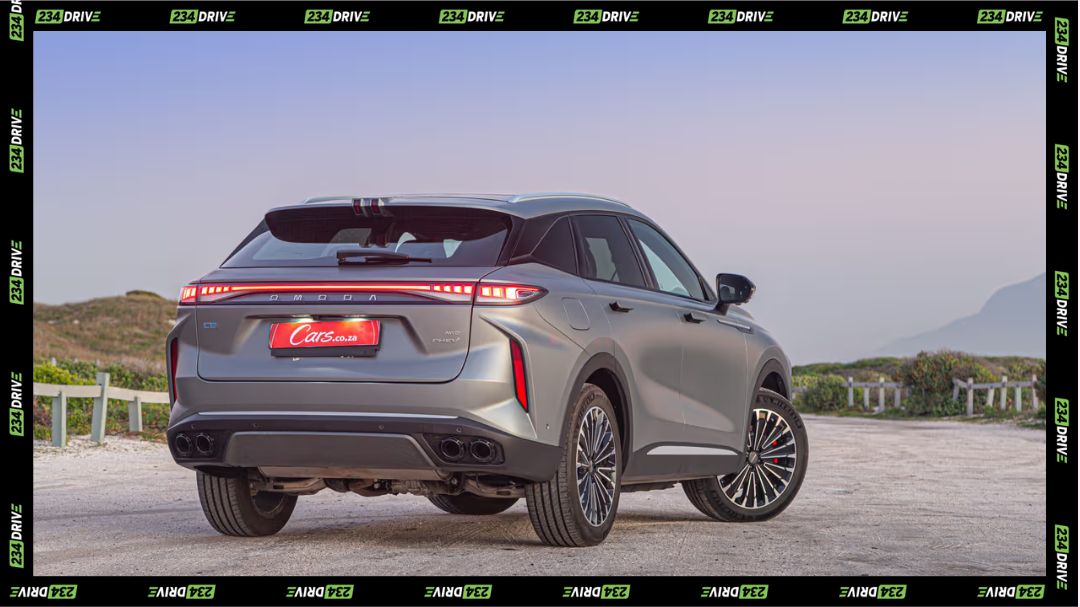
The Omoda C9 PHEV commands attention with its sleek, coupé-inspired SUV silhouette that balances aggression with sophistication. Measuring 4,775 mm in length, 1,920 mm in width, and 1,671 mm in height, it presents a substantial road presence without appearing oversized. The front fascia features a distinctive full-width LED light bar that flows seamlessly into the headlamp clusters, creating a modern signature that’s immediately recognisable. Glossy black trim accentuates the grille and lower bumper sections, whilst the sloping roofline lends a dynamic profile that distinguishes it from boxier SUV competitors.
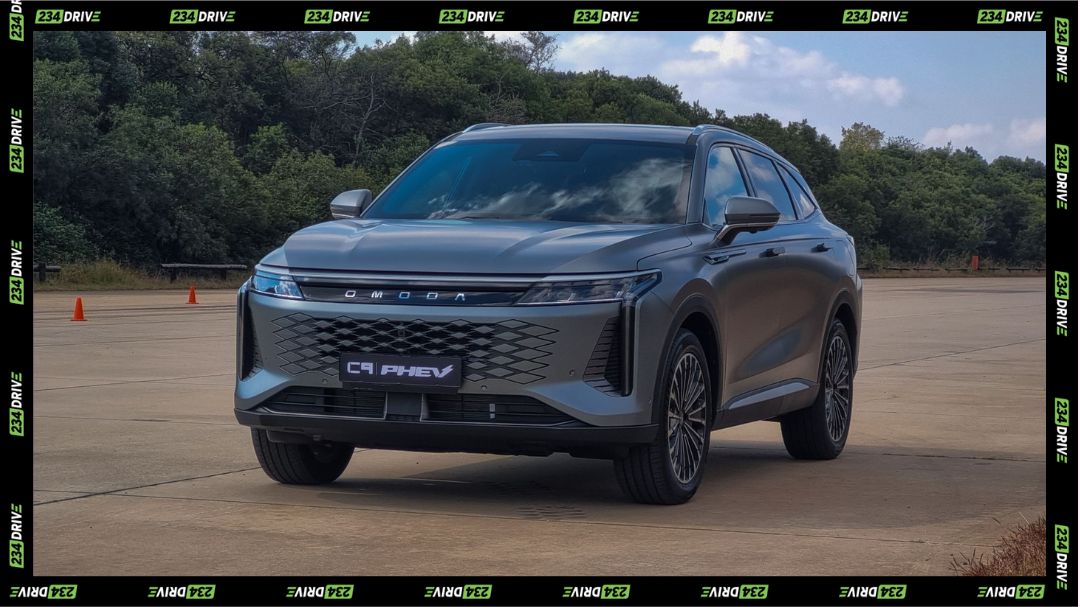
Twenty-inch Michelin tyres wrapped around stylish alloy wheels fill the arches nicely, contributing to the vehicle’s premium stance. The rear continues the design language with another LED light bar spanning the tailgate, creating visual width and a cohesive aesthetic. Unlike some Chinese vehicles that lean heavily into aggressive styling cues, the C9 PHEV exercises restraint, opting for clean lines and balanced proportions that wouldn’t look out of place in a European manufacturer’s showroom. The aerodynamic design serves both form and function, contributing to improved efficiency whilst maintaining the commanding presence expected of a luxury SUV.
Interior Comfort and Technology
Step inside the Omoda C9 PHEV and you’re greeted by a cabin that genuinely rivals established premium brands in terms of material quality and presentation. Nappa leather upholstery covers deep-bolstered front seats that offer heating, ventilation, and massage functions across eight settings. The dashboard is dominated by an impressive 24.6-inch curved dual-screen setup that houses both the digital instrument cluster and infotainment system, creating a thoroughly modern ambience. Soft-touch materials, intricate stitching, and ambient lighting elevate the interior atmosphere, though glossy plastic surfaces do attract fingerprints and require regular cleaning.
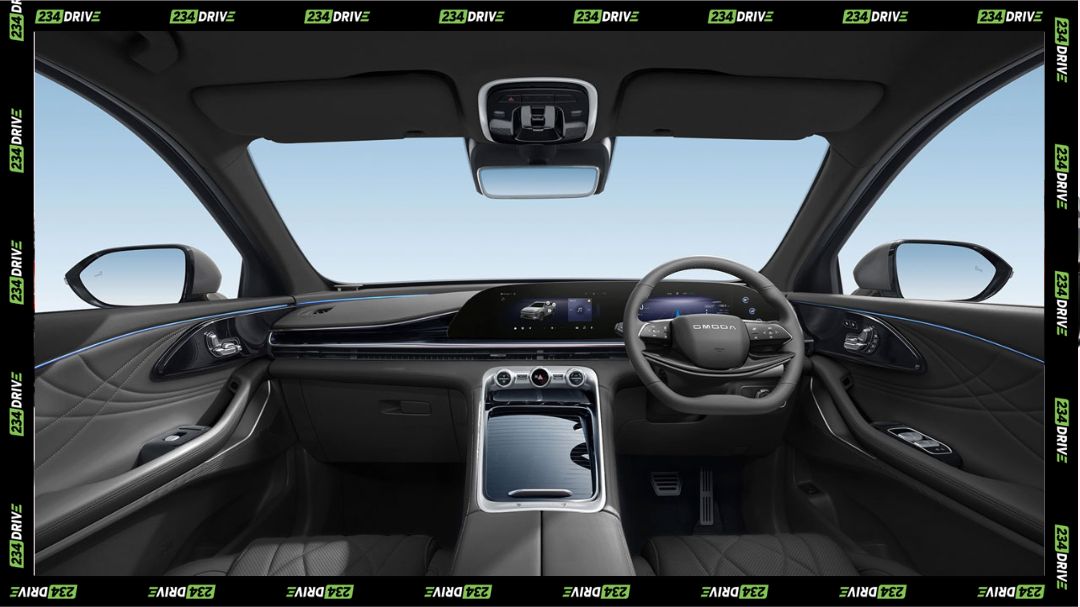
Rear passengers are equally well catered for, with reclining seats, separate climate controls, and generous legroom thanks to the 2,800 mm wheelbase. The flat floor accommodates three adults comfortably on longer journeys. Technology features are extensive, including wireless Apple CarPlay and Android Auto, 50W wireless charging with cooling, a head-up display, driver-monitoring camera, panoramic sunroof, and even a cabin fragrance system. The 12-speaker Sony audio system delivers excellent sound quality for audiophiles. However, the infotainment system draws criticism for laggy responses and confusing menu structures that frustrate users accustomed to more intuitive interfaces. Cargo capacity ranges from 660 litres to 1,783 litres with rear seats folded, though the load bay is shallower than some rivals and lacks a spare tyre.
Performance and Driving Dynamics
Under the bonnet, the Omoda C9 PHEV employs a sophisticated “super hybrid system” combining a 1.5-litre turbocharged petrol engine producing 115 kW and 230 Nm with three electric motors—one integrated with the engine and two mounted on the rear axle. This configuration delivers a combined output of 440 kW and 915 Nm of torque, transmitted through a three-speed dedicated hybrid transmission to all four wheels. The acceleration figures are genuinely impressive: 0-100 km/h arrives in just 4.9 seconds, a time that eclipses many hot hatches and puts it amongst the fastest SUVs under R1 million in South Africa. Top speed is limited to approximately 190 km/h, which is more than adequate for local conditions.
The 34.5 kWh lithium-iron-phosphate battery enables up to 150 km of pure-electric driving on the WLTP cycle, making it practical for daily commuting without burning petrol. DC fast-charging replenishes the battery from 30% to 80% in just 25 minutes, whilst AC home charging takes 5.5 hours. Real-world efficiency is genuinely impressive, with testers achieving between 4.4 L/100 km and 5.9 L/100 km depending on driving conditions—figures that shame conventional SUVs. When the battery is depleted, consumption rises to 6.9 L/100 km, still respectable for a 2,200 kg vehicle. The adaptive suspension offers six driving modes, though differences between settings are subtle. Ride quality is plush and refined, handling South African road imperfections well, though the 20-inch wheels occasionally thud over larger potholes. Steering is light but accurate, and the all-wheel-drive system provides excellent traction and confidence-inspiring grip. Some reviewers note wooden brake feel and aggressive bite at low speeds, requiring acclimatisation.
How It Stacks up for South African Roads
The Omoda C9 PHEV presents a compelling proposition for South African buyers navigating the country’s unique automotive landscape. The 150 km electric range suits urban and suburban commuting patterns in Johannesburg, Cape Town, and Durban, where many motorists can complete daily journeys on battery power alone, particularly when paired with home solar charging. Load shedding, paradoxically, makes plug-in hybrids more attractive than pure EVs, as the petrol engine provides backup when charging infrastructure is unavailable. The claimed 1,100 km total range addresses South Africa’s vast distances and sometimes sparse refuelling infrastructure on national routes.
Road conditions present both opportunities and challenges for the C9 PHEV. Whilst the adaptive suspension and substantial ground clearance handle potholed suburban streets and deteriorating provincial roads adequately, the 20-inch wheels and low-profile tyres are vulnerable to damage from severe impacts. The all-wheel-drive system provides reassurance during Highveld winter mornings or Cape Town’s wet season, though the vehicle is fundamentally road-oriented rather than a genuine off-roader. Climate considerations are generally favourable: the heated and ventilated seats address temperature extremes, whilst the cabin’s excellent noise suppression creates a serene environment. Maintenance availability through Chery’s expanding South African dealer network is improving, though brand unfamiliarity and the complex hybrid powertrain raise questions about long-term service quality and parts availability compared to established luxury marques.
Competitive Positioning and Market Rivals
At R999,000, the Omoda C9 PHEV undercuts key rivals by substantial margins whilst offering comparable or superior specifications. The BMW X3 30e xDrive PHEV retails around R1.2 million, offering 220 kW combined output, 50 km electric range, and the prestige of German engineering, but lacks the raw power and efficiency of the Omoda. The Volvo XC90 Recharge commands similar pricing to the BMW, delivering refined Scandinavian luxury and 340 kW output, yet still trails the C9 in performance terms. Both European alternatives benefit from established service networks, higher resale values, and brand cachet that Omoda cannot yet match. However, the gap in value proposition is undeniable—the C9 PHEV delivers 441 kW at half the price of some competitors, alongside a comprehensive warranty package that includes seven years or 200,000 km vehicle coverage, ten years unlimited kilometre battery warranty for the first owner, and a seven-year service plan.
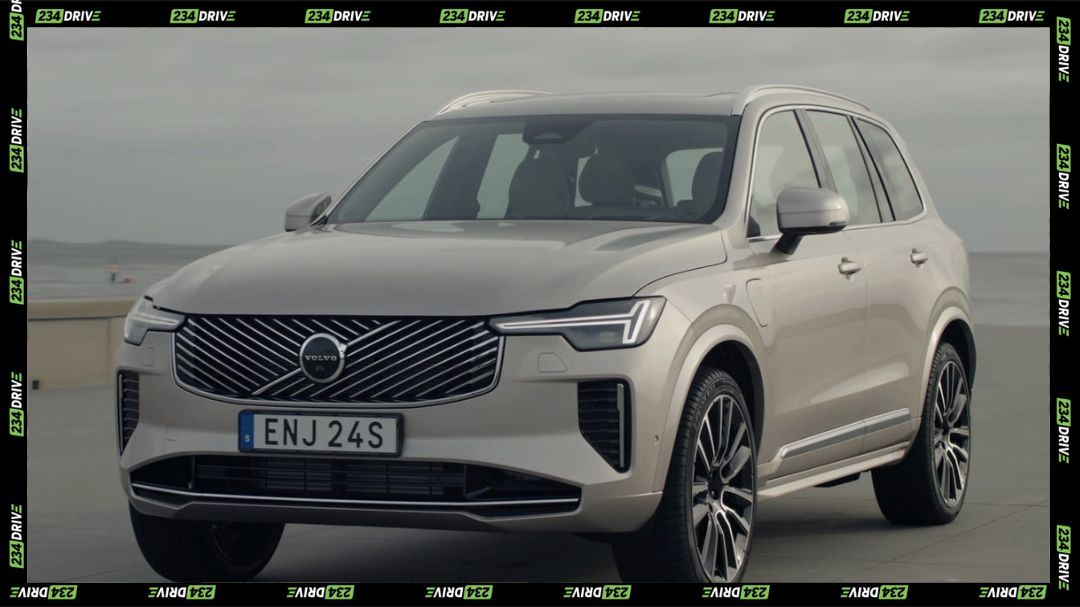
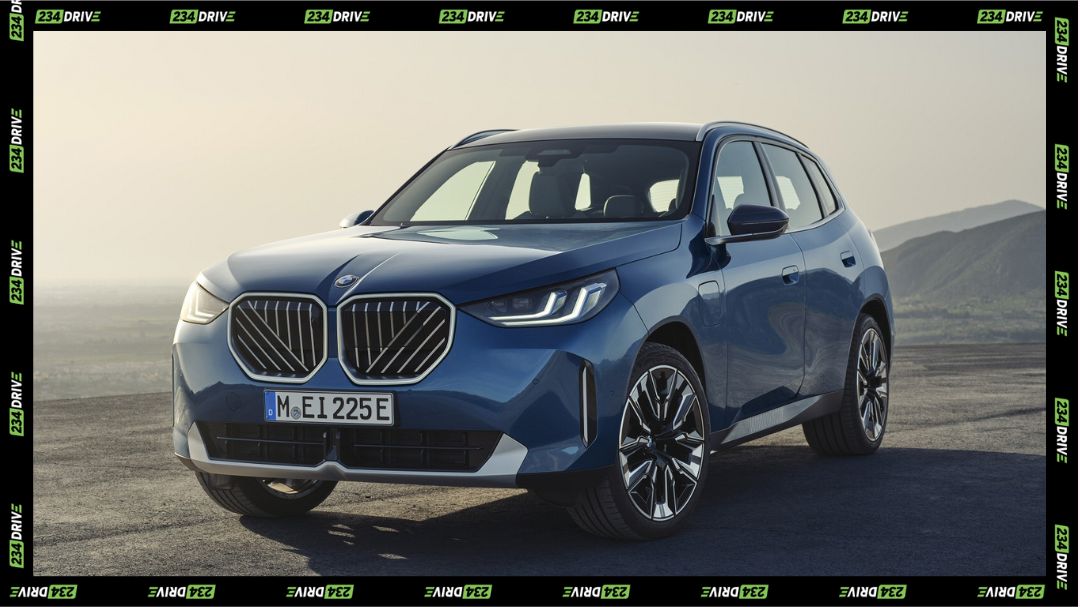
Within the Chinese brand ecosystem, the Chery Tiggo 9 PHEV offers similar hybrid technology at lower pricing but with less premium positioning and fewer luxury features. Resale values remain the C9’s Achilles heel, as Chinese brands historically depreciate faster than European competitors in South Africa, though improving product quality and expanding market acceptance may narrow this gap. Maintenance costs should theoretically be lower given simpler mechanical components and competitive parts pricing, but the unproven reliability of the complex hybrid system creates uncertainty. Early adopters are essentially beta-testing long-term durability, accepting this risk in exchange for substantial upfront savings and cutting-edge technology. For buyers prioritising specifications and value over badge prestige, the C9 PHEV represents compelling value; for those concerned with resale or brand perception, established alternatives warrant consideration despite higher entry costs.
Conclusion
The Omoda C9 PHEV arrives in South Africa as a genuine contender in the premium plug-in hybrid SUV segment, delivering exceptional performance, impressive efficiency, and luxury features at a price that undercuts European rivals significantly. Its 440 kW power output, 150 km electric range, and comprehensive warranty package create a compelling value proposition for buyers open to Chinese automotive brands.
However, questions about long-term reliability, software refinement, and resale values temper enthusiasm for risk-averse buyers. For South African motorists seeking cutting-edge hybrid technology without premium brand pricing, the C9 PHEV deserves serious consideration. What are your thoughts on Chinese luxury vehicles entering the South African market? Share your perspective in the comments below.