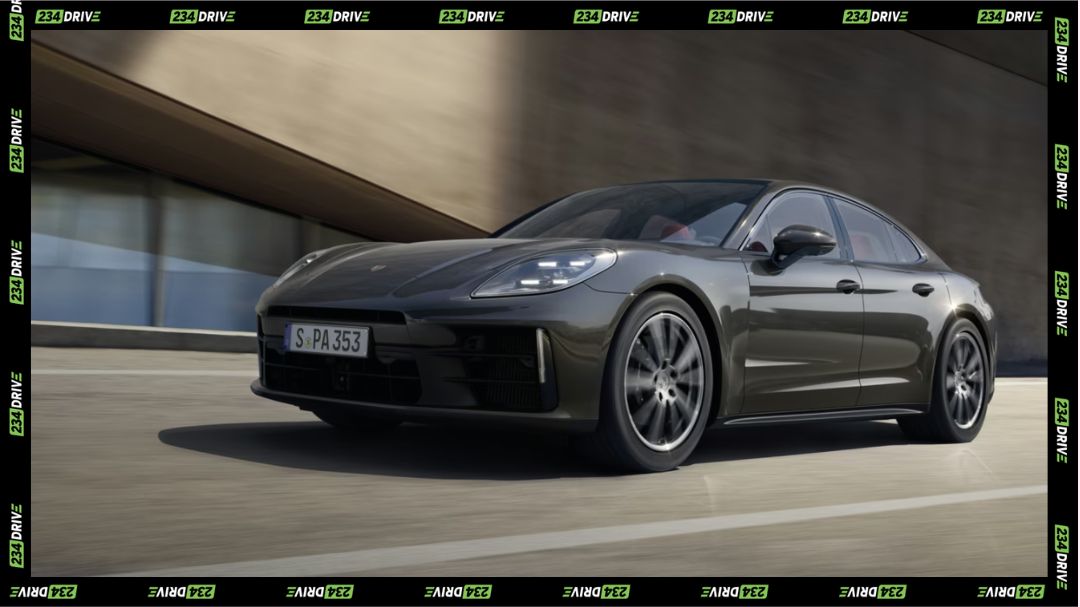

The automotive world is witnessing a dramatic collision between electrification ambitions and the cold reality of the balance sheet. Porsche, long seen as a standard-bearer for the transition to high-performance electric vehicles, has reached a critical juncture that could redefine its entire product roadmap. Recent reports indicate that the company’s new CEO, Michael Leiters, is actively considering the cancellation of the all-electric 718 Boxster and Cayman models, a move that would have been unthinkable just eighteen months ago. This potential retreat signals a wider industry pivot as the initial euphoria surrounding battery-powered transport is replaced by a rigorous assessment of development costs and genuine consumer demand.
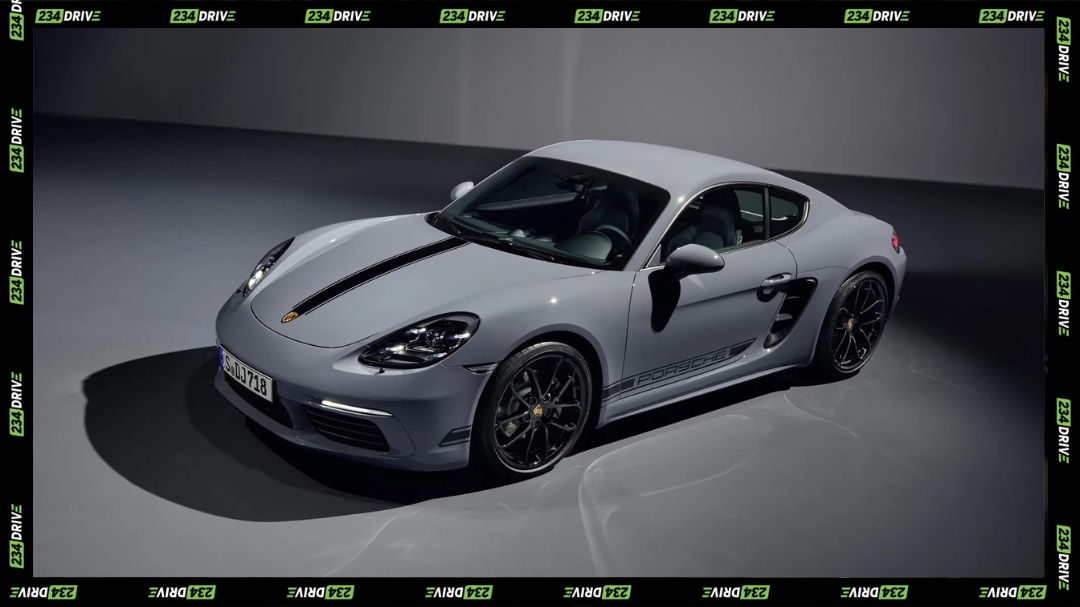
Porsche AG is currently grappling with a set of formidable challenges that have forced this re-evaluation. The electric 718 project, intended to be a cornerstone of the brand’s goal to achieve 80% electric sales by 2030, has been mired in what insiders describe as “development hell”. Technical complexities in maintaining the brand’s legendary handling within the weight constraints of a battery-electric architecture, combined with a projected launch window of 2026–2027, have seen costs escalate beyond sustainable levels. The situation was further complicated by the bankruptcy of Northvolt, a key battery partner, and a significant cooling of the Chinese market, which has traditionally been Porsche’s largest source of growth. Consequently, the company is weighing whether to pivot these sports cars back toward hybrid powertrains or even retain internal combustion engines to safeguard profitability.
The 718 series was designed to utilise a bespoke, lightweight electric platform that promised to deliver the visceral engagement Porsche drivers expect without the tailpipe emissions. The initiative was positioned for large-scale use within the premium segment, intended to prove that the “soul” of a mid-engined sports car could survive the transition to electrons. However, the business reality is that development delays are costing the manufacturer hundreds of millions of pounds. While Porsche focuses on the engineering and design of the chassis, the failure of its external battery supply chain has left the project’s power and management systems in a state of flux. This shift highlights a strategic realisation that securing a stable, affordable electric vehicle battery pack is just as vital as the badge on the bonnet.
This move signals a fundamental change in direction for the Volkswagen Group subsidiary. Rather than chasing aggressive EV targets at any cost, Porsche is prioritising financial stability and securing its supply chains. This “sustainable shrinkage” of the electric portfolio allows the company to focus on its high-margin SUVs, such as the Macan and Cayenne, which are better suited to carry the weight and cost of current battery technology. By potentially reintroducing combustion or hybrid options for the 718, Porsche is ensuring it has a viable product for markets where the charging infrastructure remains inadequate or where government incentives have evaporated, as seen with the introduction of Wuling electric cars in developing markets.
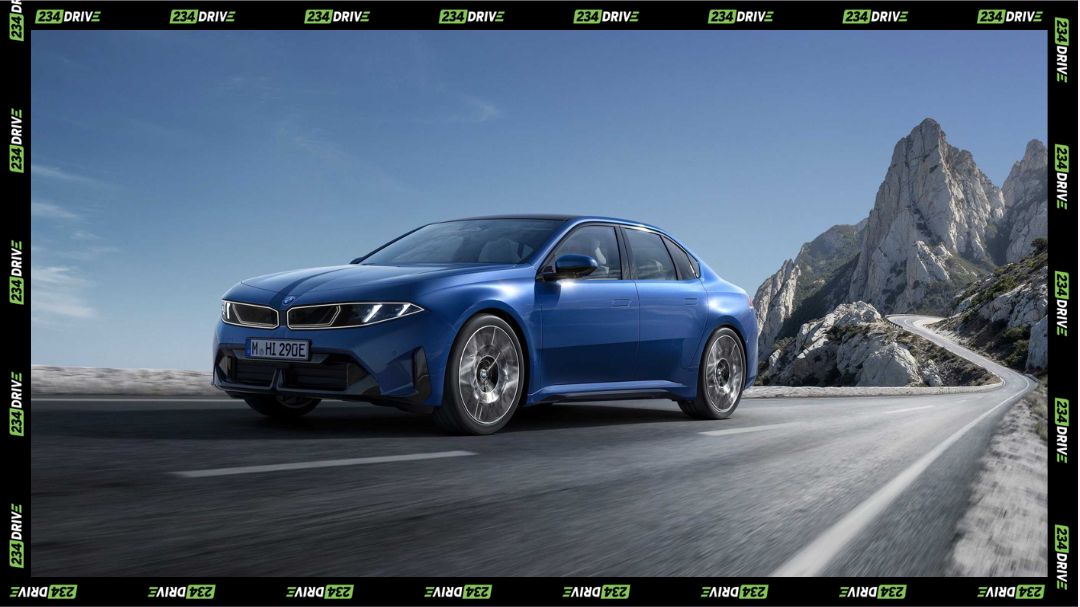
When contrasted with global competitors, the pace of the transition appears increasingly fragmented. While Chinese manufacturers continue to scale rapidly—exporting over 5.5 million units in 2025 and seeing electric vehicles capture a significant share of their domestic market—Western legacy automakers are pulling back. Established rivals are also recalibrating; for instance, the rollout of Mercedes-Benz electric vehicles and the latest BMW electric cars shows a more measured approach to high-performance segments. Ford and General Motors have already announced massive write-downs on their EV programmes, totalling over £20 billion combined, as they struggle with vehicle affordability and high interest rates.
The execution details of more successful competitors, particularly in East Asia, reveal a tech stack and business model that the West is currently struggling to match. Companies like BYD have achieved vertical integration, managing everything from lithium mining to chip design, which allowed them to move from initial launch to full-scale European deployment in less than eighteen months. In contrast, Porsche’s reliance on a diverse network of external suppliers has left it vulnerable to the type of disruption seen with Northvolt. The track record of the industry suggests that those who can control their entire energy ecosystem are the ones clearing certifications and entering full service while others are stuck in the planning phase.
Ultimately, the potential axing of the electric 718 marks the definitive shift from the era of EV hype to an era of fleet-scale realism. It suggests that for the near future, hybrids will serve as the primary bridge technology, offering consumers a familiar experience without the range anxiety or the premium price tag associated with pure battery power. As battery costs are projected to fall to roughly £80 per kilowatt-hour by 2027, the industry may find its footing again, but the current climate is one of caution. It raises a significant question for the coming decade: should governments treat charging networks like essential public infrastructure to lower the barrier for manufacturers, or will the market continue to dictate a slower, hybrid-led path toward decarbonisation?