
Few mechanical symphonies in automotive history rival the deep rumble of a V8 engine. For over a century, this iconic powerplant has represented the pinnacle of performance, serving as the beating heart of everything from American muscle cars to European luxury sedans. But what exactly makes the V8 so special, and does it have a place in our increasingly electrified future?
What Defines a V8 Engine?
At its essence, a V8 is an eight-cylinder piston engine with two banks of four cylinders each, arranged in a distinctive V-shaped configuration that shares a common crankshaft. Most V8s feature a 90-degree angle between the cylinder banks, a design choice that minimises vibrations while maximising power output and allowing for compact packaging under the hood.
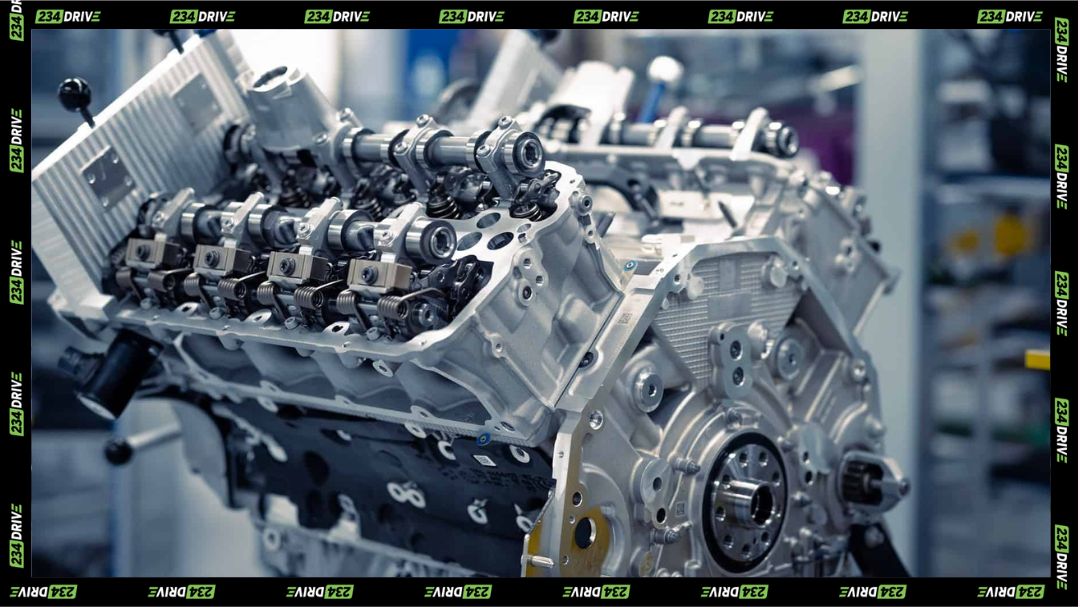
Unlike inline engines with cylinders arranged in a straight line, or boxer engines with horizontally opposed cylinders, the V configuration strikes an elegant balance between width, height, and smoothness. This makes V8s particularly well-suited for rear-wheel-drive vehicles, though they’ve been adapted for all-wheel-drive and even some front-wheel-drive applications using narrower 60-degree angles.
Modern V8 engines typically range from 3.5 to 6.4 liters in displacement, though historical examples have pushed boundaries in both directions—from BMW’s compact 2.6-liter M502 to Cadillac’s massive 8.2-liter behemoths of the 1970s.
When comparing engine options, the V8 versus V6 debate often centers on power delivery, fuel economy, and intended use, with V8s excelling in high-performance and heavy-duty applications.
The Mechanics Behind the Music
A V8 operates on the proven four-stroke Otto cycle, but what sets it apart is how this process unfolds across eight cylinders in perfect harmony. Each cylinder goes through the same fundamental sequence: intake (drawing in the air-fuel mixture), compression (squeezing it for maximum efficiency), power (combustion forcing the piston down), and exhaust (expelling spent gases).
The magic lies in the firing order—a carefully orchestrated ignition pattern that ensures smooth power delivery. Take Chevrolet’s legendary LS engines, which fire in the sequence 1-8-7-2-6-5-4-3. This means a cylinder ignites every 90 degrees of crankshaft rotation, creating consistent torque and virtually eliminating vibrations.
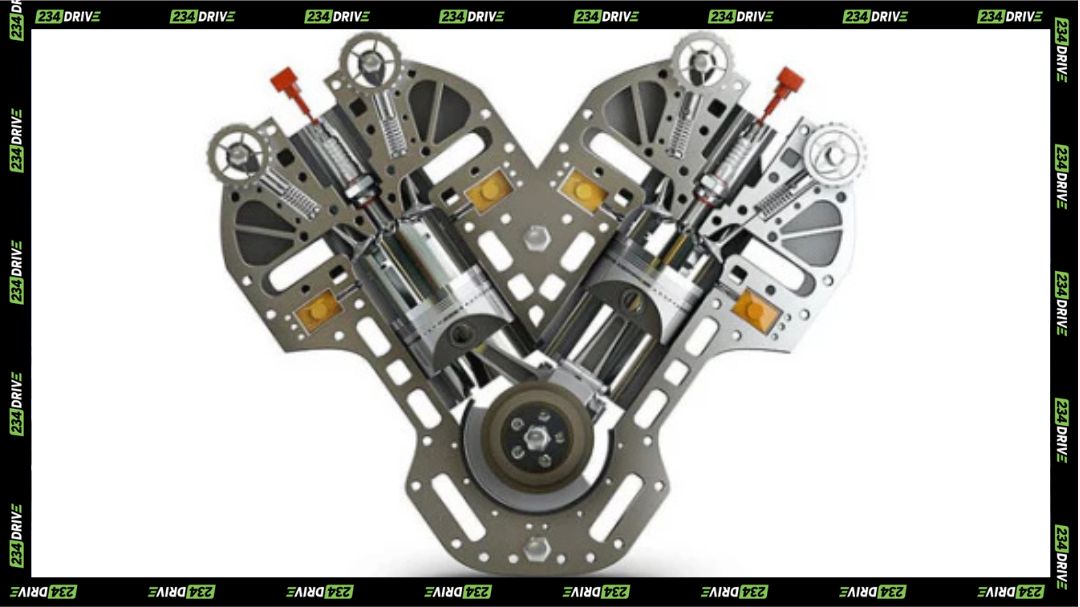
Two crankshaft designs dominate V8 architecture. The cross-plane crankshaft, common in road cars, delivers perfect balance and that signature V8 rumble we all recognise. The flat-plane crankshaft, favored in racing applications, offers lighter weight and higher RPM potential with a sharper, more exotic exhaust note—think Ferrari rather than Ford.
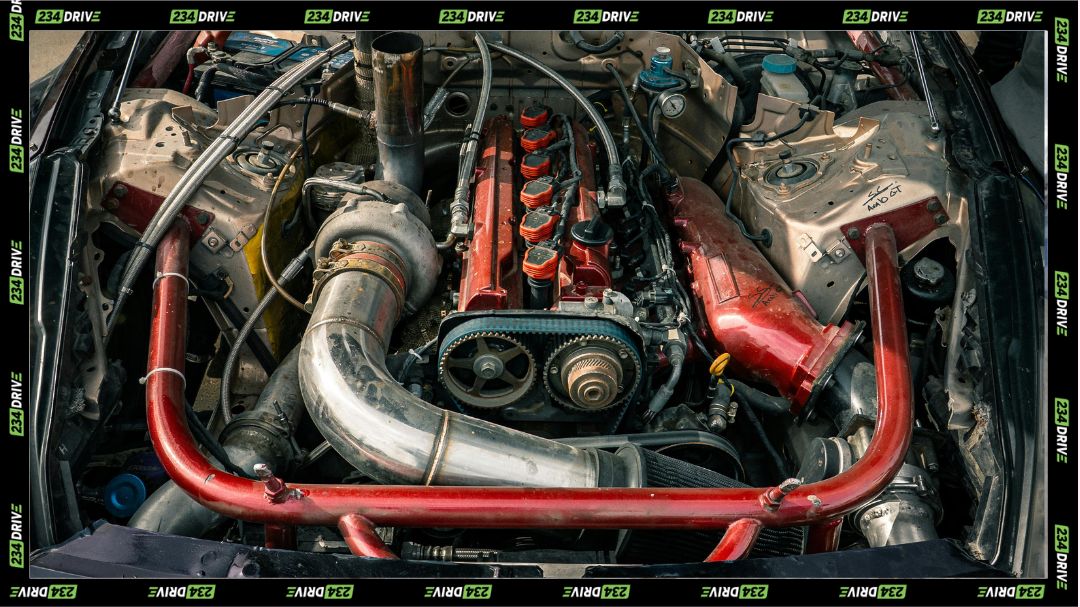
Key components work in concert: the crankshaft converts linear piston motion into rotation, camshafts time valve operations with precision, and fuel delivery systems have evolved from simple carburetors to sophisticated direct injection. Add forced induction like turbocharging or supercharging, and output numbers climb into truly impressive territory.
A Century of Innovation
The V8’s story begins in 1904 when French engineer Léon Levavasseur created the Antoinette V8 for speedboat racing and early aircraft. Rolls-Royce produced the first road-going V8 in 1905, though only three examples were built before the company shifted focus to straight-six engines.
True mass adoption came with Cadillac’s 1914 L-head V8, a 5.1-liter unit that sold 13,000 units in its debut year, aided by the revolutionary electric starter. But it was Ford’s 1932 Flathead V8 that democratised the technology, offering affordable power to everyday Americans and sparking a love affair that would define the automotive landscape for decades.
The post-war era brought overhead valve designs like Oldsmoke’s 1949 Rocket and Chrysler’s 1951 Firepower, setting the stage for the golden age of American muscle. The 1950s through 1970s saw V8s reach their zenith, with big-block engines powering legendary machines like the 1969 Dodge Charger R/T with its 426 Hemi and the Ford Mustang with the 428 Cobra Jet.
Chevrolet’s small-block V8, introduced in 1954, became perhaps the most successful engine design in history, with over 100 million units produced by 2011. This engine alone powered generations of Corvettes, Camaros, and pickup trucks, cementing the V8’s place in automotive culture.
Strengths and Compromises
The advantages of V8 engines are substantial and tangible. They deliver exceptional horsepower and torque, making them ideal for acceleration, towing, and high-speed cruising. The balanced design ensures smooth operation with minimal vibrations, while proper maintenance can yield impressive longevity. Then there’s that intangible quality—the distinctive sound that enthusiasts describe as everything from a growl to a roar, creating an emotional connection between driver and machine.
However, these benefits come with trade-offs. V8s are inherently more complex than smaller engines, doubling components like cylinder heads and requiring more intricate maintenance. They’re heavier, demand more space, and consume significantly more fuel than their V6 or four-cylinder counterparts. Repair costs run higher, and emissions output presents environmental challenges that have become increasingly difficult to justify in our climate-conscious era.
In racing contexts, V8s have proven their worth across disciplines. NASCAR has relied on V8s since its inception, Formula One featured 2.4-litre V8s from 2006 to 2013 that produced between 730 and 810 horsepower, and drag racing sees highly modified V8s exceeding 10,000 horsepower on nitromethane fuel.
The Road Ahead
Reports of the V8’s death have been greatly exaggerated. While tightening emissions regulations and electrification have reduced V8 presence in passenger vehicles, the configuration persists in premium and performance segments where power and character remain paramount.
General Motors has announced plans for sixth-generation small-block V8 engines arriving in 2027, emphasising both power and efficiency with potential hybrid integration. Ford continues its commitment to the Mustang’s V8 through 2030 and beyond. Luxury manufacturers like Audi, BMW, and Mercedes-Benz still offer V8 options in flagship models, while exotic brands like Ferrari, Lamborghini, and McLaren view the V8 as essential to their performance identity.
In 2025, over a dozen manufacturers still offer V8-powered vehicles, from the Chevrolet Corvette and Cadillac CT5-V Blackwing to the Audi S8 and BMW M5. These engines increasingly feature advanced technologies like particulate filters, cylinder deactivation, and hybrid assistance to meet modern efficiency standards without sacrificing the performance characteristics that made them famous.
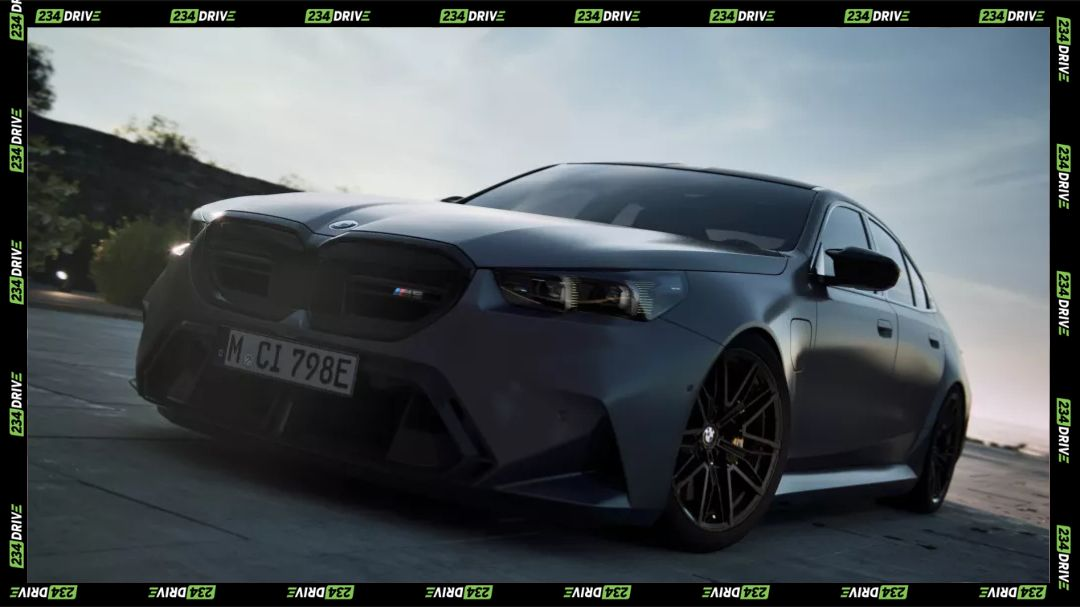
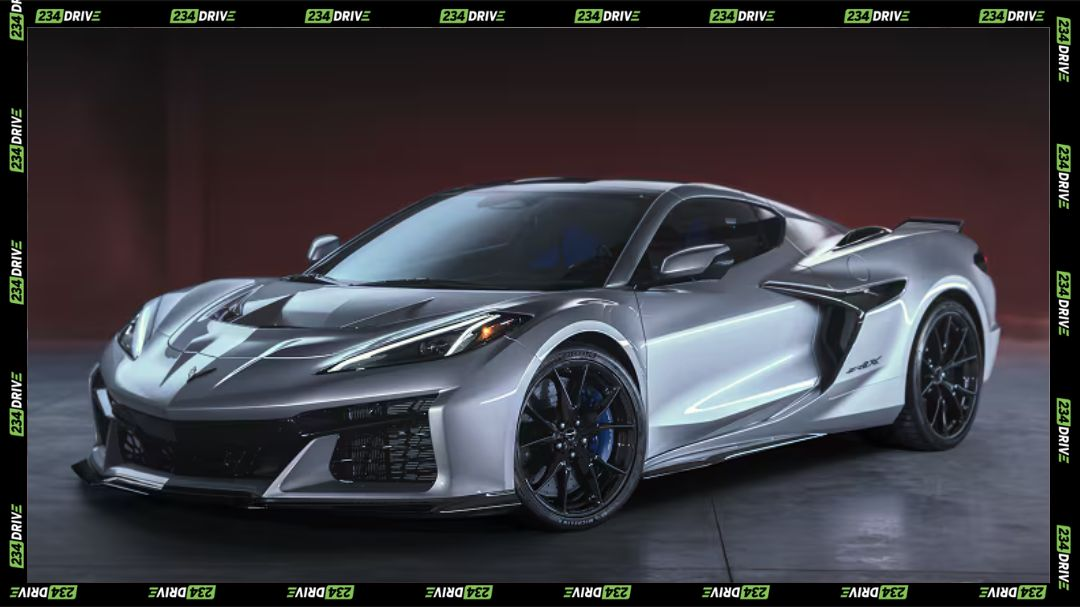
The future likely holds a V8 landscape that’s smaller but more specialised—concentrated in high-performance applications, luxury vehicles, and heavy-duty trucks where the configuration’s strengths align with customer priorities. Hybrid powertrains may extend the V8’s viability by combining electric efficiency with internal combustion character.
Conclusion
The V8 engine represents more than engineering excellence—it embodies a philosophy that values driving experience alongside pure transportation. From Léon Levavasseur’s racing innovation to today’s sophisticated twin-turbo powerplants, the V8 has adapted and evolved while maintaining its essential character.
As automotive technology races toward electrification, the V8 faces its greatest challenge yet. But if history teaches us anything, it’s that great ideas don’t disappear—they transform. The V8’s next chapter may involve fewer cylinders firing in more vehicles, but for those seeking maximum power, distinctive sound, and visceral driving experience, this legendary engine configuration will continue delivering what it always has: pure, uncompromising performance.