
The Toyota Yaris has established itself as a cornerstone of the global automotive market since its official debut in 1999. Originally developed as a replacement for the ageing Starlet and Tercel models, this global subcompact vehicle was engineered to deliver maximum efficiency without compromising on safety or urban utility. Throughout its career, the Yaris has cultivated a public image of unwavering reliability and sensible engineering, earning it the title of European Car of the Year shortly after its launch. It is known for its “charming” design—a nod to its name’s origin in Greek mythology—and has successfully sold over 8.7 million units worldwide as of 2020.
In terms of automotive taste, the Yaris represents a preference for compact precision and innovative packaging. Its career has spanned four distinct generations, transitioning from a quirky, bubble-shaped hatchback to a sophisticated lineup that includes high-performance Gazoo Racing (GR) variants and hybrid crossovers. While it may not carry the heavy executive weight of a Camry, its reputation for low maintenance and high fuel economy has made it a darling for city dwellers and first-time buyers alike. This review explores the technical progression of the model and its specific standing in regions like West Africa, where durability is the primary metric of success.
The First Generation (XP10): The Innovation Pioneer
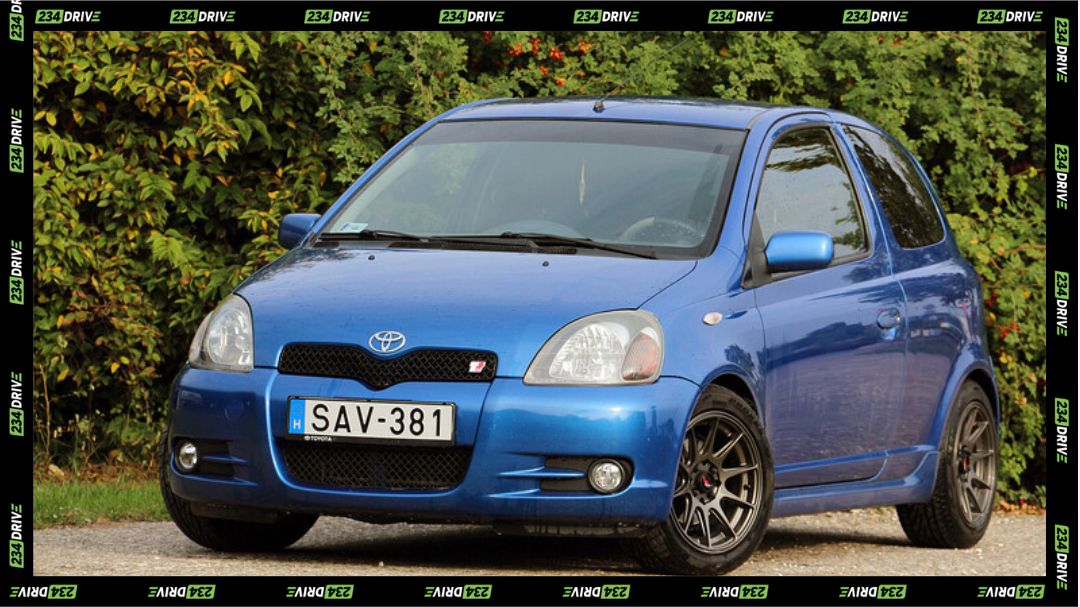
The exterior design of the XP10 generation was a radical departure from the boxy subcompacts of the 1990s. Developed by Toyota’s European ED2 studio, it featured a high roofline and a rounded, cab-forward silhouette that maximised interior volume within a tiny footprint. This “supermini” aesthetic was both aerodynamic and approachable, offering a level of road presence that felt modern and fresh. Available in three and five-door hatchback formats, as well as a four-door saloon known as the Echo in some markets, its compact dimensions made it the ideal tool for navigating tight European streets and bustling Asian city centres.
The interior was equally revolutionary, featuring a central digital instrument cluster that was angled towards the driver to improve visibility. Despite its small exterior, the XP10 offered surprising cabin space through clever packaging, such as sliding rear seats that could prioritise either legroom or boot capacity. Under the bonnet, it utilised efficient petrol engines ranging from a 1.0-litre unit producing 67 bhp to a more spirited 1.5-litre engine with 106 bhp. These powertrains were praised for their high mileage capabilities and were a key factor in the model’s early supermini history successes. At the time, its affordability was a major selling point, cementing its status as a value-driven leader.
The Second Generation (XP90): The Nigerian Favourite
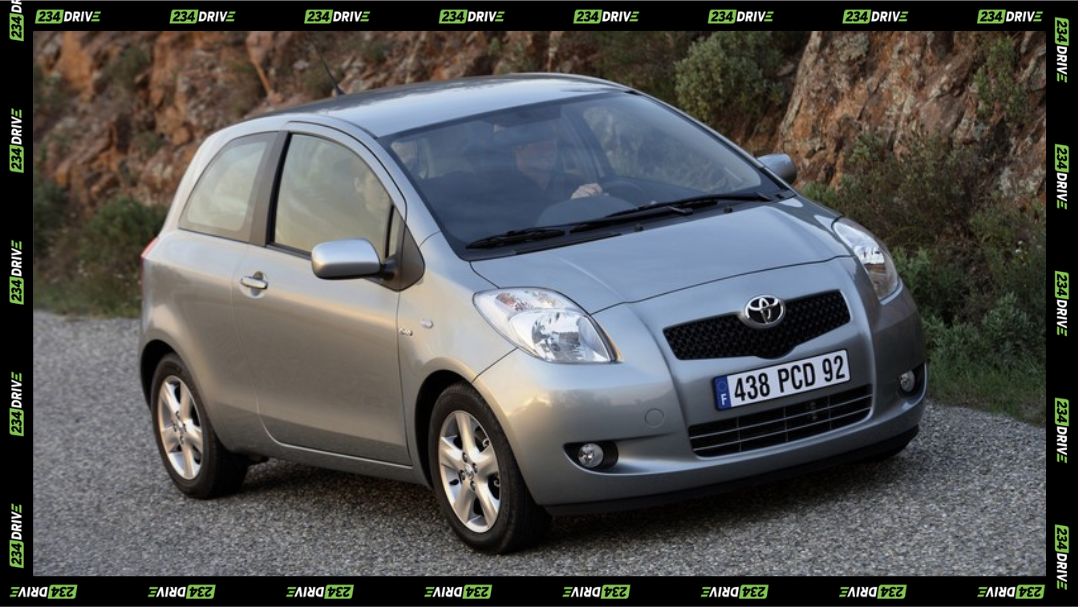
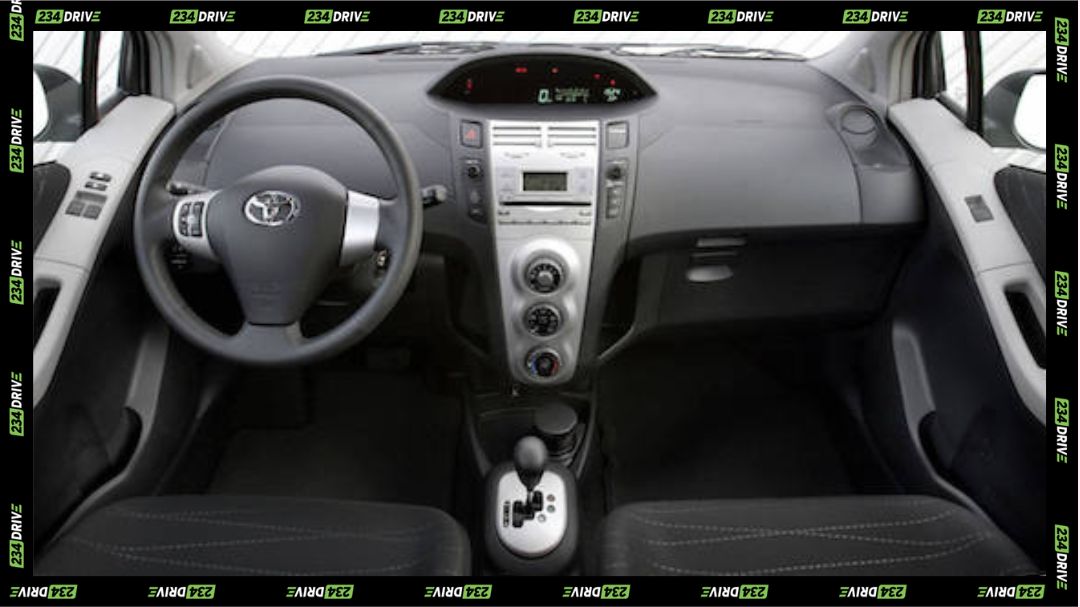
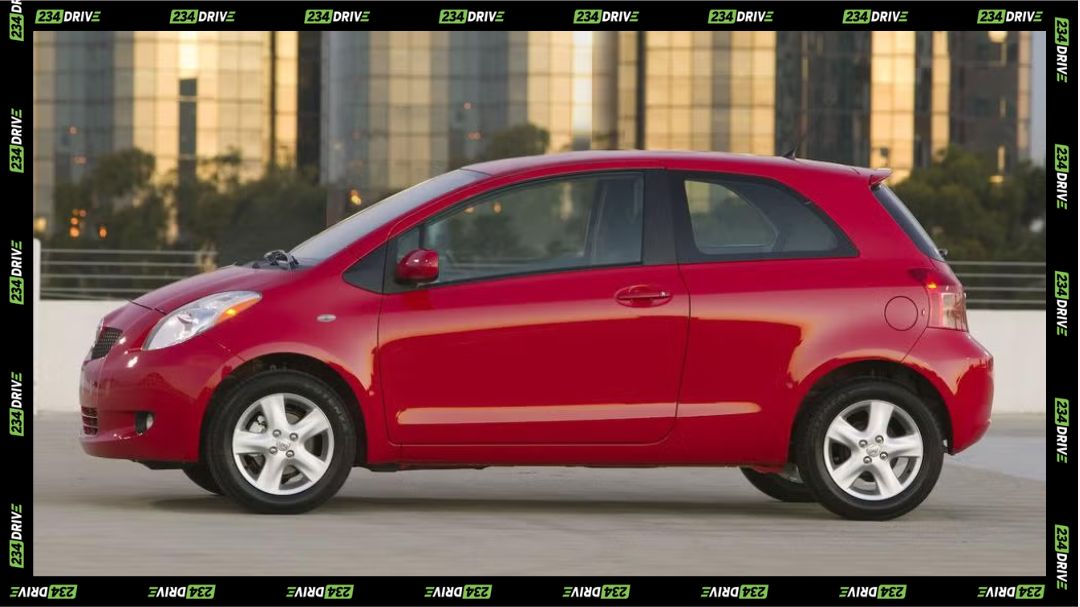
The XP90 generation, produced between 2005 and 2013, brought a more mature and refined look to the Yaris lineage. The styling was streamlined, with a more integrated bumper design and a broader stance that improved stability. This generation saw the introduction of a dedicated saloon model that became exceptionally popular in emerging markets. In the Nigerian context, the XP90 saloon is frequently cited as an underrated fuel saver due to its aerodynamic profile and lightweight construction. Its presence on the road is ubiquitous, characterised by its longevity and the ease with which it handles heavy urban traffic.
Inside, the XP90 significantly improved its storage capabilities, offering up to 18.2 litres of hidden compartments. The technology suite was upgraded to include features like stop-start systems in later facelifts, aimed at keeping CO2 emissions below 120g/km. Performance was bolstered by a reliable 1.3-litre VVT-i engine and a 1.4-litre diesel option, delivering a balanced driving dynamic that prioritised comfort over raw speed. In the used market for Yaris in Nigeria, these models currently command prices between ₦3 million and ₦4.5 million, maintaining strong value due to their reputation for never breaking down under pressure.
The Third Generation (XP130/XP150): The Hybrid Shift
By 2011, the third generation arrived with a sharper, more aggressive “X-motif” styling language. The exterior featured more angular headlights and a prominent front grille, giving the car a more assertive road presence compared to its predecessor. This era was defined by the introduction of the hybrid powertrain in 2012, which combined a 1.5-litre petrol engine with an electric motor to produce 99 bhp. The use of a panoramic roof and high-quality plastics in the cabin moved the Yaris closer to the premium subcompact segment, while the addition of Toyota Safety Sense brought advanced driver assistance to the masses for the first time.
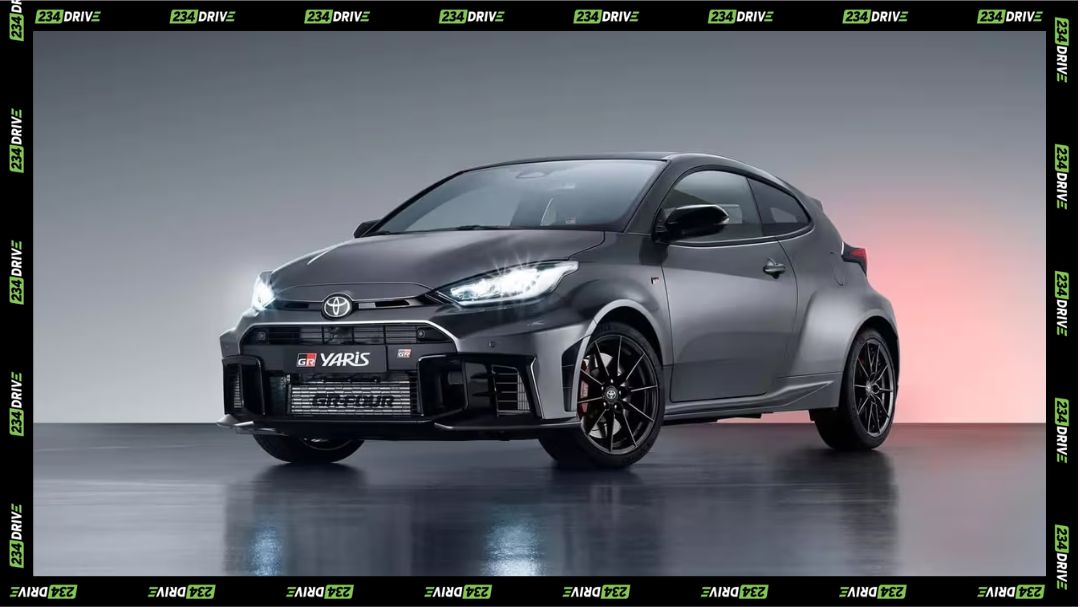
The performance of the hybrid variant was particularly notable for its low emissions, rated at just 79g/km of CO2. This technology allowed for electric-only driving in low-speed city environments, significantly reducing fuel costs. For markets like Nigeria, where the XP150 variant (a slightly larger version for Asian and Latin American markets) is common, the focus remained on the traditional 1.5-litre petrol engines. These units provided 106 bhp and were paired with either a manual gearbox or a CVT, ensuring smooth power delivery. Prices for these newer iterations in West Africa can range from ₦19 million to ₦22 million for 2020 models, reflecting their modern tech and improved safety ratings.
The Fourth Generation and Beyond: The 2026 Vision
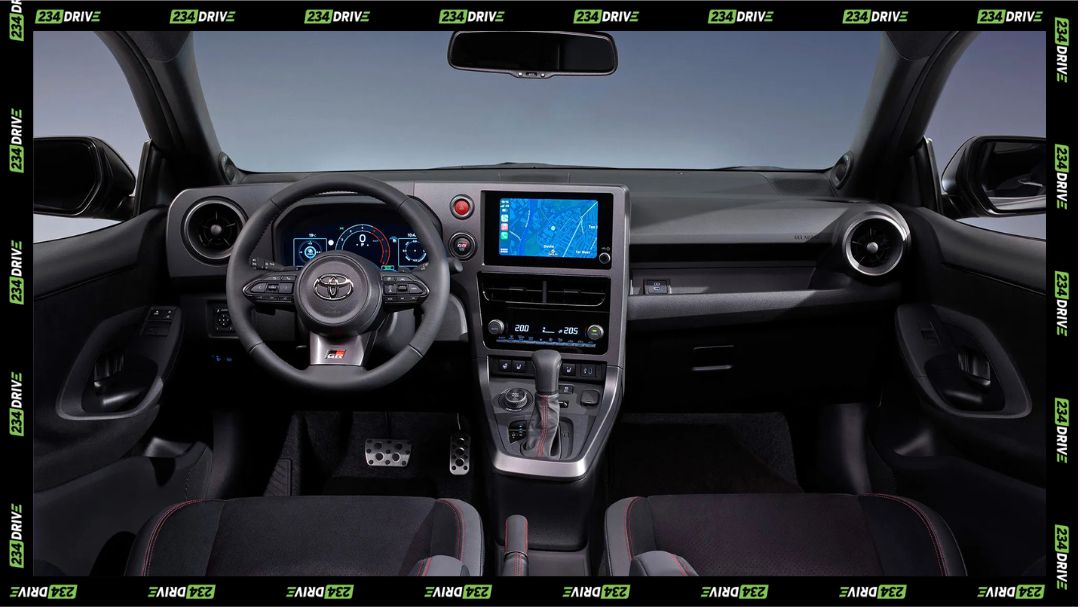
The current fourth-generation Yaris (XP210) and the upcoming Yaris Sedan 2026 represent the pinnacle of Toyota’s small-car engineering. The latest designs utilise the GA-B platform, which provides a lower centre of gravity and a much stiffer chassis for improved handling. The upcoming 2026 saloon features LED lamps, a sleek 8-inch infotainment system with Apple CarPlay, and a more executive exterior that mimics the larger Corolla. It is designed to look more expensive than it is, with a refined front fascia and a sophisticated rear light bar that enhances its nocturnal signature and prestige.
The 2026 model’s interior focuses on connectivity and safety, incorporating rear cameras and driver-alert systems as standard. Performance is driven by a 1.5-litre three-cylinder engine or an advanced hybrid system delivering up to 129 bhp. These models are designed to achieve exceptional efficiency, with some variants reaching up to 70 mpg in urban cycles. The 2026 saloon is expected to be priced around $17,700 (approximately ₦26 million depending on exchange rates), positioning it as an aspirational yet attainable vehicle for tech-savvy professionals. It continues the Yaris legacy of providing a “mobile sanctuary” that is as easy to park as it is comfortable to drive.
Relevance to the Nigerian Driving Environment
In Nigeria, the Toyota Yaris occupies a unique position as a practical solution to the country’s specific driving challenges. The primary appeal lies in its fuel economy; with fluctuating petrol prices and long hours spent in Lagos traffic, a car that can maintain high mileage is a significant financial asset. The compact dimensions of the Yaris also make it a superior tool for navigating narrow streets and congested urban corridors where larger SUVs often struggle. While it is a subcompact, its high ground clearance in specific regional versions allows it to manage the uneven road surfaces and occasional flash flooding seen during the rainy season.
Furthermore, the availability of maintenance and spare parts in Nigeria is almost unparalleled. Toyota’s massive footprint in the region ensures that even roadside mechanics are familiar with the Yaris’s mechanical layout, particularly the XP90 and XP150 engines. This ease of service, combined with the vehicle’s legendary durability, makes it an ideal everyday commuter. While it may not offer the same level of prestige as a luxury German saloon, the Yaris is respected as a “workhorse” that provides consistent service. For the Nigerian lifestyle, where value-for-money and reliability are paramount, the Yaris remains a top-tier recommendation for both private owners and fleet operators.
Competitive Positioning and Market Rivalry
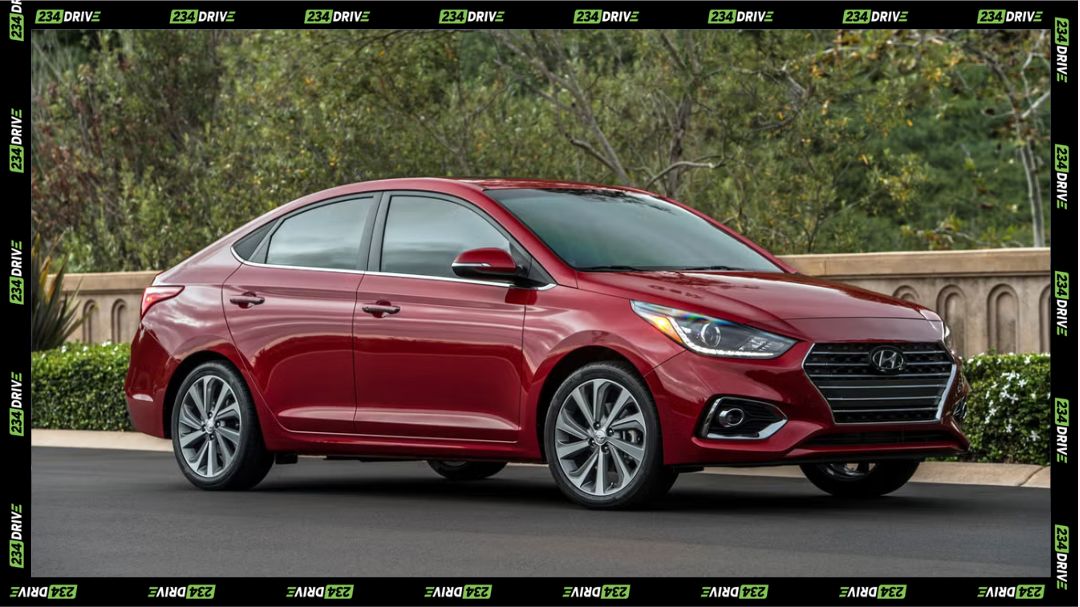
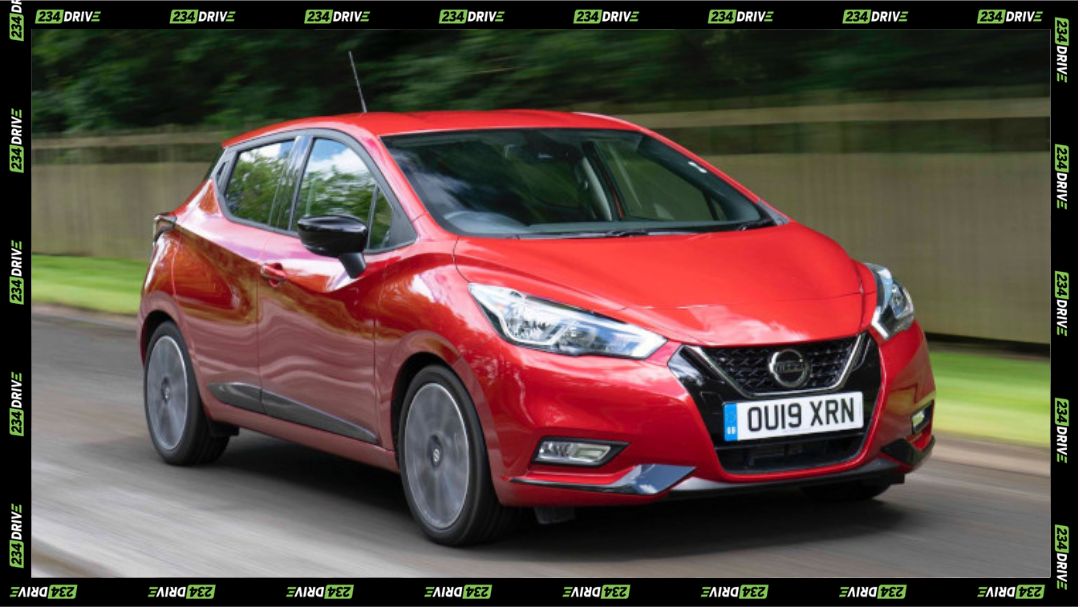
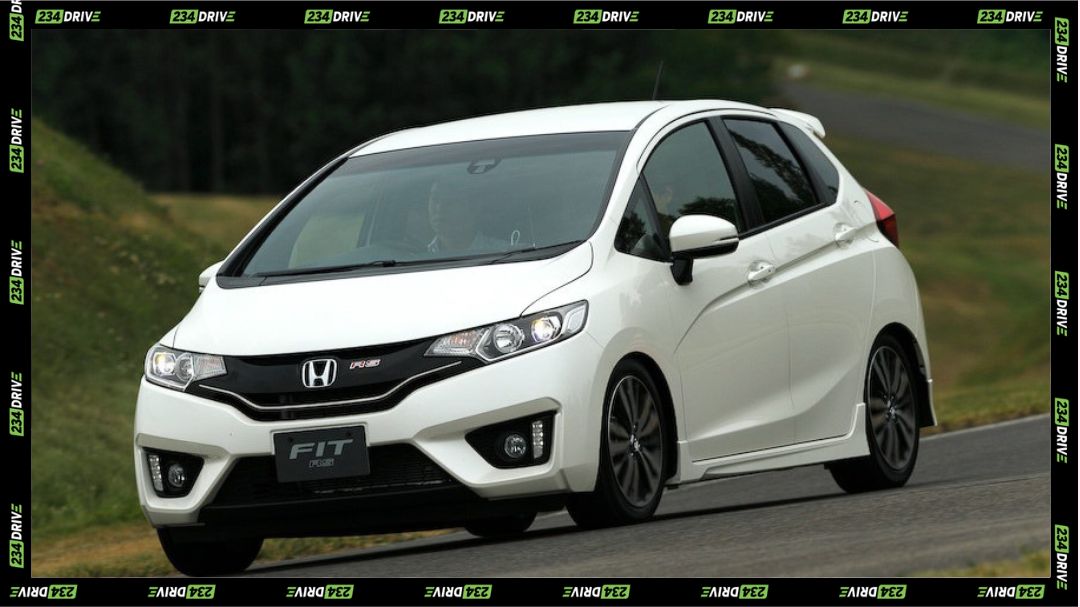
The Toyota Yaris faces stiff competition from rivals such as the Honda Fit (Jazz), Nissan Micra, and Hyundai Accent. In terms of cost and competitive positioning, the Yaris often sits at a slight premium compared to its Korean counterparts, but it justifies this through superior resale value. In Nigeria, a ten-year-old Yaris will almost always fetch a higher price than a similarly aged Nissan or Hyundai, primarily due to the “Toyota Factor”—a consumer belief in the brand’s long-term durability. While the Honda Fit offers more interior flexibility with its “Magic Seats,” the Yaris is often perceived as having a more robust suspension system suited for rougher terrains.
Maintenance and durability remain the Yaris’s strongest competitive advantages. While some rivals have moved towards more complex turbocharged engines that require high-grade synthetic oils and precise servicing, the Yaris has largely stuck to tried-and-tested naturally aspirated engines or simplified hybrid systems. This makes the Yaris much more “forgiving” of variable fuel quality and less-than-perfect maintenance schedules. For a buyer in the subcompact segment, the choice of a Yaris is a choice for peace of mind, offering a lower total cost of ownership over a five to ten-year period compared to almost any other vehicle in its class.
Summary
The Toyota Yaris collection, spanning over two decades of innovation, proves that a car does not need to be large to be impactful. Its key strengths lie in its remarkable fuel efficiency, ease of maintenance, and the clever use of interior space that has defined every generation since 1999. From the pioneer XP10 to the high-tech 2026 saloon, the Yaris has remained true to its core mission: providing reliable, charming, and accessible mobility for the global population.
Whether you are navigating the tight corners of a European city or the bustling motorways of Nigeria, the Yaris stands as a testament to sensible automotive design. Its evolution into the hybrid and crossover spaces ensures that it will remain relevant well into the next decade. We would love to hear your experiences with this subcompact legend—have you ever owned a Yaris, and do you think the 2026 model lives up to the “charming” legacy?