
The South African automotive landscape is approaching a definitive turning point as the nation’s market leader prepares to transition from hybrid dominance to a full-scale electric assault. Toyota South Africa Motors (TSAM) has confirmed a landmark strategic shift that will see the introduction of three battery electric vehicles to the local market in early 2026. This announcement, delivered by CEO Andrew Kirby during a high-profile State of the Motoring Industry address in August 2025, signals the end of Toyota’s cautious approach to pure electrification. With a staggering 67 per cent share of the current hybrid and plug-in hybrid market, the manufacturer is now leveraging its massive consumer trust to bridge the gap between internal combustion and a zero-emission future.
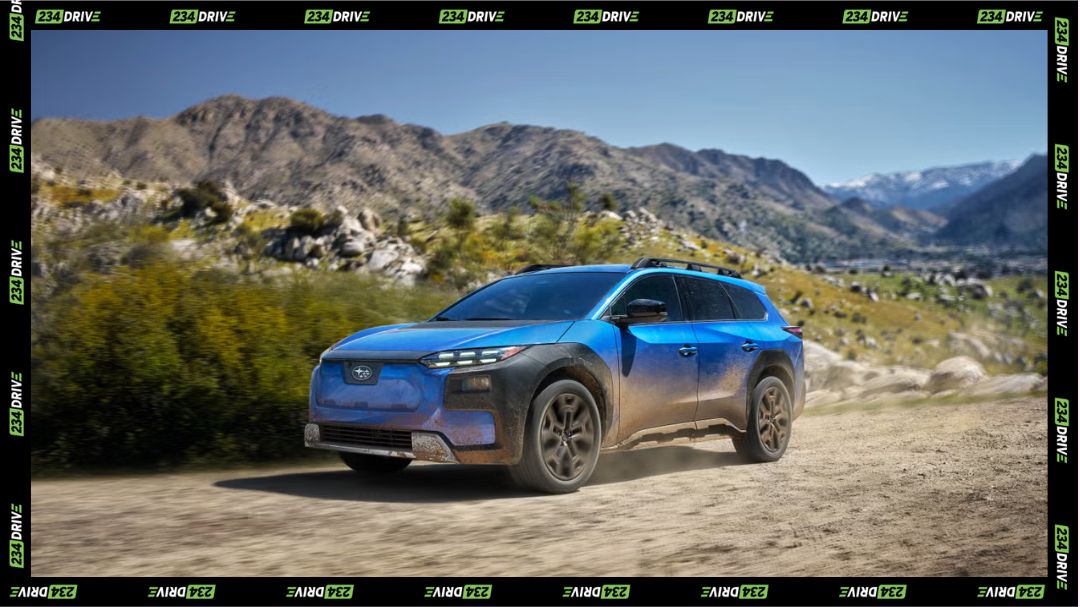
The upcoming rollout is expected to include the much-anticipated Toyota bZ4X, a dedicated electric crossover that may begin pilot phases as early as late 2025. Industry speculation also points towards an electric Urban Cruiser and a Hilux BEV Revo concept adapted for electric power, reflecting a fundamental departure from “converted” petrol designs towards platforms that maximise efficiency. By introducing these models, Toyota is not just launching cars; it is deploying an ecosystem designed to capture different segments of the South African lifestyle, from urban commuting to heavy-duty commercial operations.

This transition is underpinned by a “multi-pathway” philosophy that distinguishes Toyota from rivals betting exclusively on a single technology. Under this strategy, TSAM will maintain a diverse portfolio including traditional internal combustion engines, hybrids, plug-in hybrids and hydrogen fuel cells, alongside the new BEVs. The company’s role is that of a market stabiliser, ensuring that the shift to electric does not alienate customers in regions where charging infrastructure remains sparse. While the initial wave of 2026 models will be imported to test market appetite, the long-term objective remains local production at the Prospecton plant in Durban to support sustainability, as evidenced by the latest 2026 SOMI Showcase.
The business logic for this move is increasingly tied to a major fiscal shift in South African policy. Starting from 1 March 2026, the government will introduce a significant 150 per cent tax deduction on new investments in electric and hydrogen vehicle production equipment and machinery. This incentive is a direct response to the Electric Vehicles White Paper and aims to unlock an estimated R21 billion in manufacturing value while protecting over 110,000 jobs in the automotive sector. For Toyota, the timing of their 2026 launch aligns perfectly with this tax window, allowing them to scale operations just as the financial environment for local assembly becomes most favourable.
Despite the optimistic outlook, the path to mass adoption remains cluttered with structural hurdles. South Africa’s new energy vehicle market currently accounts for a mere 2.8 per cent of total sales, with pure EVs representing just 0.24 per cent. Growth is hindered by a 25 per cent import duty that keeps prices high, alongside persistent challenges of grid reliability and a lack of public charging stations currently estimated at only 300 nationwide. Toyota’s entry is expected to act as a catalyst for infrastructure development, as the brand’s high-volume sales usually prompt private sector investment in charging networks and renewable energy solutions.
The economic impacts of this transition offer a dual narrative of risk and reward. On the positive side, shifting to local EV production could create up to 14,500 direct jobs and enhance South Africa’s export competitiveness within the global supply chain. Conversely, initial dependency on imports could exacerbate trade imbalances, especially as Chinese brands like BYD and Chery flood the market with lower-priced alternatives. To mitigate these risks, industry leaders are calling for urgent duty harmonisation and subsidies to stimulate domestic demand and protect local content.
As 2026 approaches, the focus will shift from the vehicles themselves to the readiness of the national grid and the ability of the government to implement its proposed reforms. Toyota’s decision to introduce a trio of electric vehicles to the market is the clearest signal yet that the era of the electric vehicle is no longer a distant prospect for South Africa, but a commercial reality. This marks the beginning of a transformation where the shift from fossil fuels will define the country’s motorways. The question that remains is whether regulators will treat this new technology as public infrastructure to speed adoption and ensure the transition remains equitable for all users.