
As the primary law enforcement agency responsible for internal security, crime prevention and public order across 36 states, the Nigeria Police Force’s operational identity has continually shifted alongside the nation’s infrastructure. From early British-supplied transports to today’s modern motor pool, the force relies heavily on mobile tactical units to project authority.
Public perception of the Nigeria Police Force (NPF) is deeply intertwined with its vehicular fleet. Modern operations demand vehicles that survive severe road networks while projecting tactical deterrence against violent crime. Over recent decades, the force’s choice in automobiles has shifted decisively toward heavy-duty Japanese pickups, locally manufactured armoured personnel carriers and bulletproof luxury SUVs for executive leadership, reflecting a balance between budgetary realities and security demands.
Toyota Hilux: The Workhorse Patrol Van
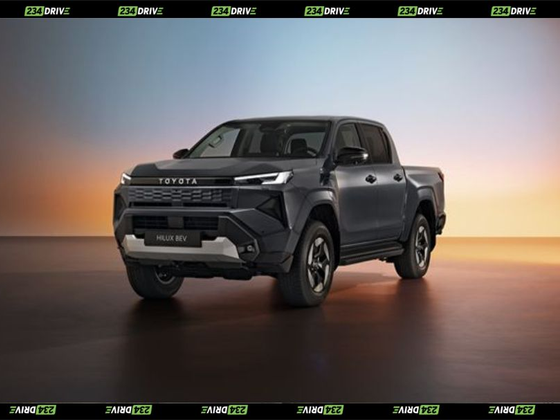
The Toyota Hilux stands as the undisputed backbone of police operations across Nigeria, with the force primarily deploying eighth-generation (2016–2025) production models alongside older seventh-generation (2005–2015) units. Built on a reinforced ladder-frame chassis, its exterior features double-cab practicality, high ground clearance and aggressive approach angles suited for unpaved rural tracks. Adorned with distinct blue, black and white police markings, heavy-duty bull bars and roof beacons, the Hilux commands an authoritative road presence across Nigerian roads.
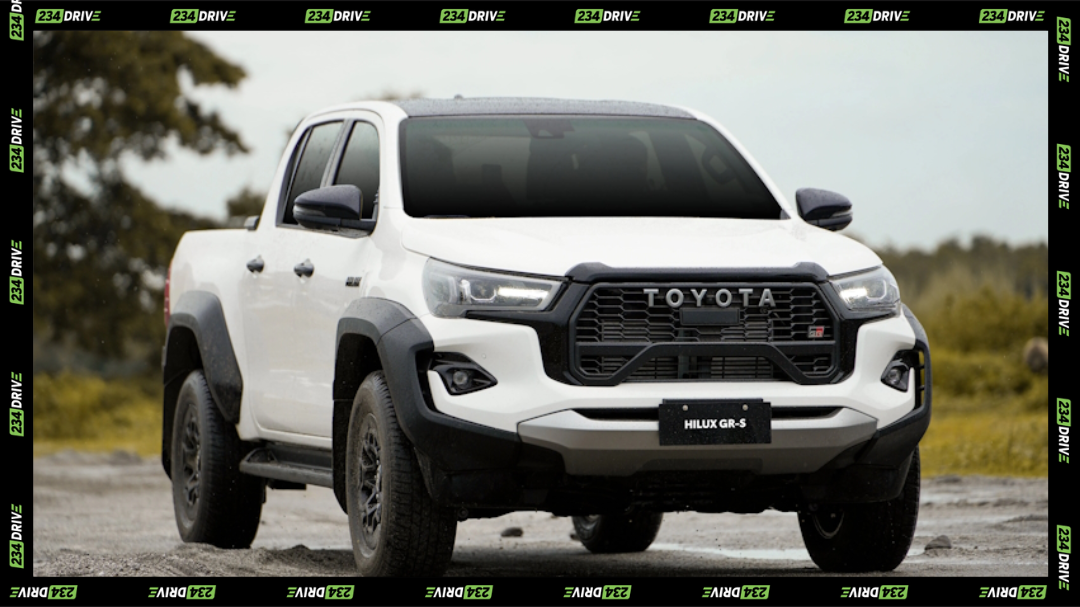
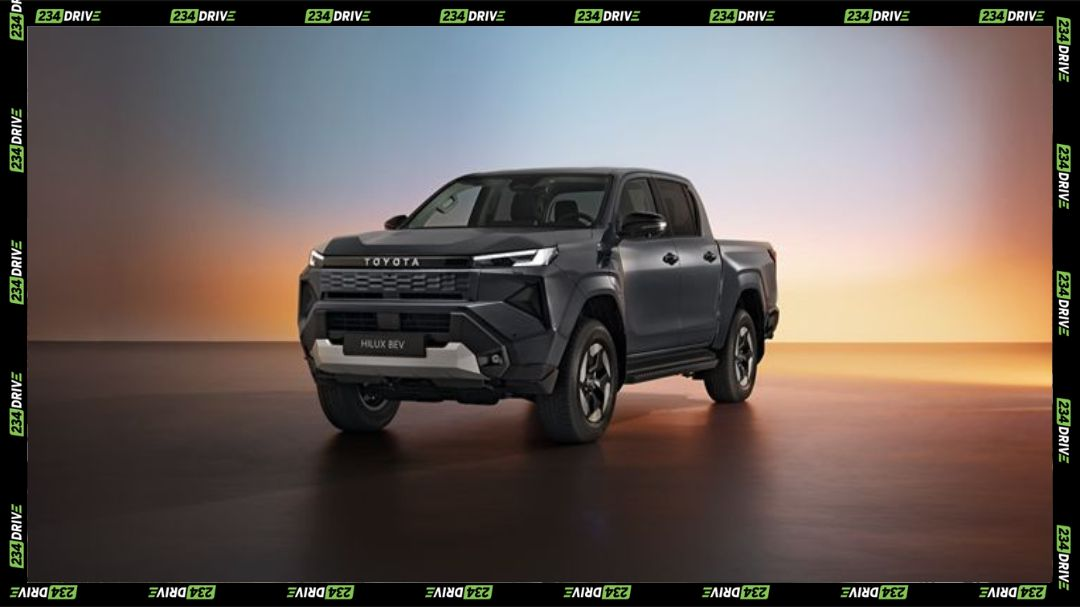
Inside, the Hilux offers a utilitarian cabin engineered to withstand rigorous round-the-clock patrol duties. Seats feature durable vinyl or heavy fabric, while the open cargo bed is routinely adapted with steel benches and cage enclosures for tactical personnel. Powered primarily by a 2.7-litre petrol engine or a 2.8-litre turbo-diesel unit generating 201 horsepower, the pickup relies on selectable four-wheel drive to navigate flooded streets. Standard civilian configurations cost ₦35 million to ₦55 million, while factory-armoured variants exceed ₦100 million.
Proforce Ara: The Local Tactical MRAP
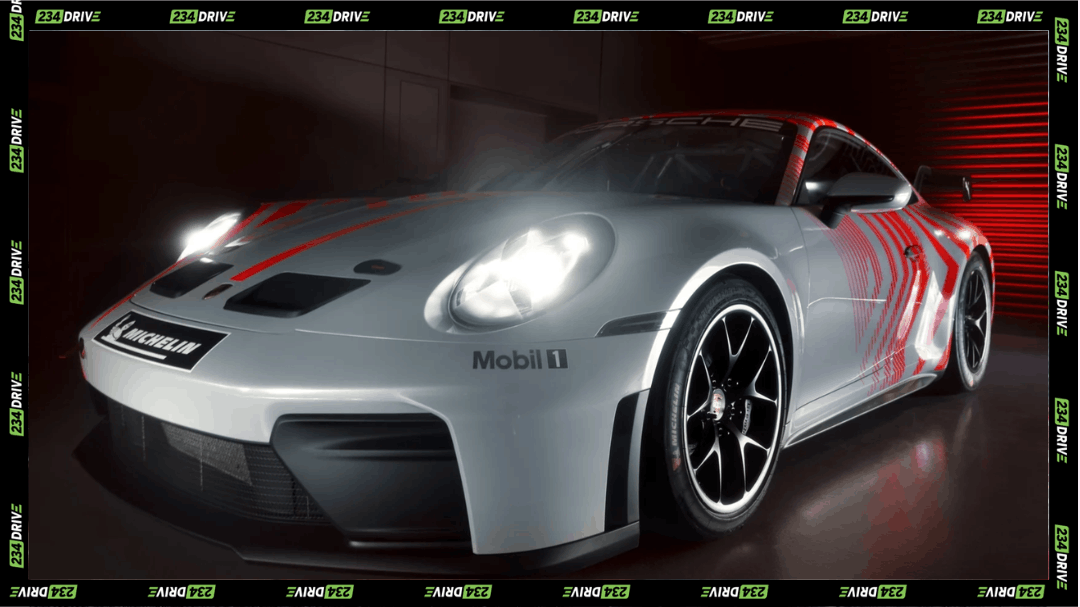
Manufactured in Ogun State by Proforce Limited, the Ara and PF2 armoured personnel carriers represent the heavy tactical wing of police enforcement, with operational units drawn from 2018–2024 production runs. The Ara features an imposing exterior built on a specialised V-shaped hull designed to deflect mine blasts and explosive devices. High-mounted bullet-resistant glass, heavy steel bodywork and gun ports give the vehicle an intimidating profile for counter-insurgency operations and high-threat interventions.
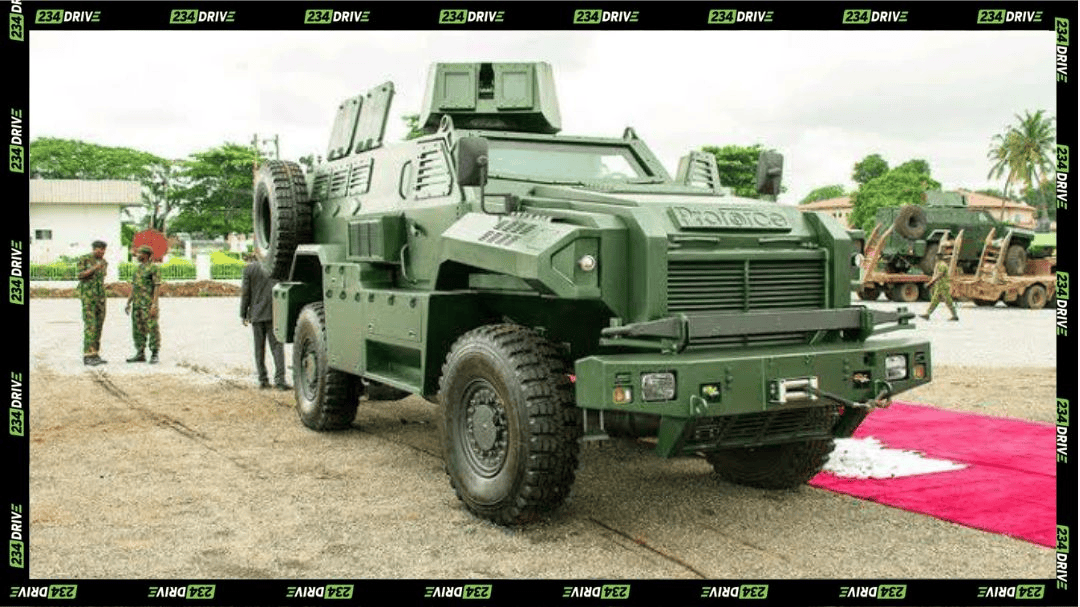
The interior of the Ara prioritises survival and combat effectiveness over luxury, offering blast-attenuating seating for up to 12 fully equipped personnel. Digital surveillance monitors, tactical communication suites and roof-turret controls dominate the central console, keeping command crews connected during crises. Beneath its heavy armour sits a high-torque V8 turbo-diesel engine producing over 300 horsepower, propelling the machine across rough terrain. Funded through trust allocations and security grants, unit costs range upwards of ₦250 million.
Toyota Sienna: Urban Patrol and Highway Surveillance
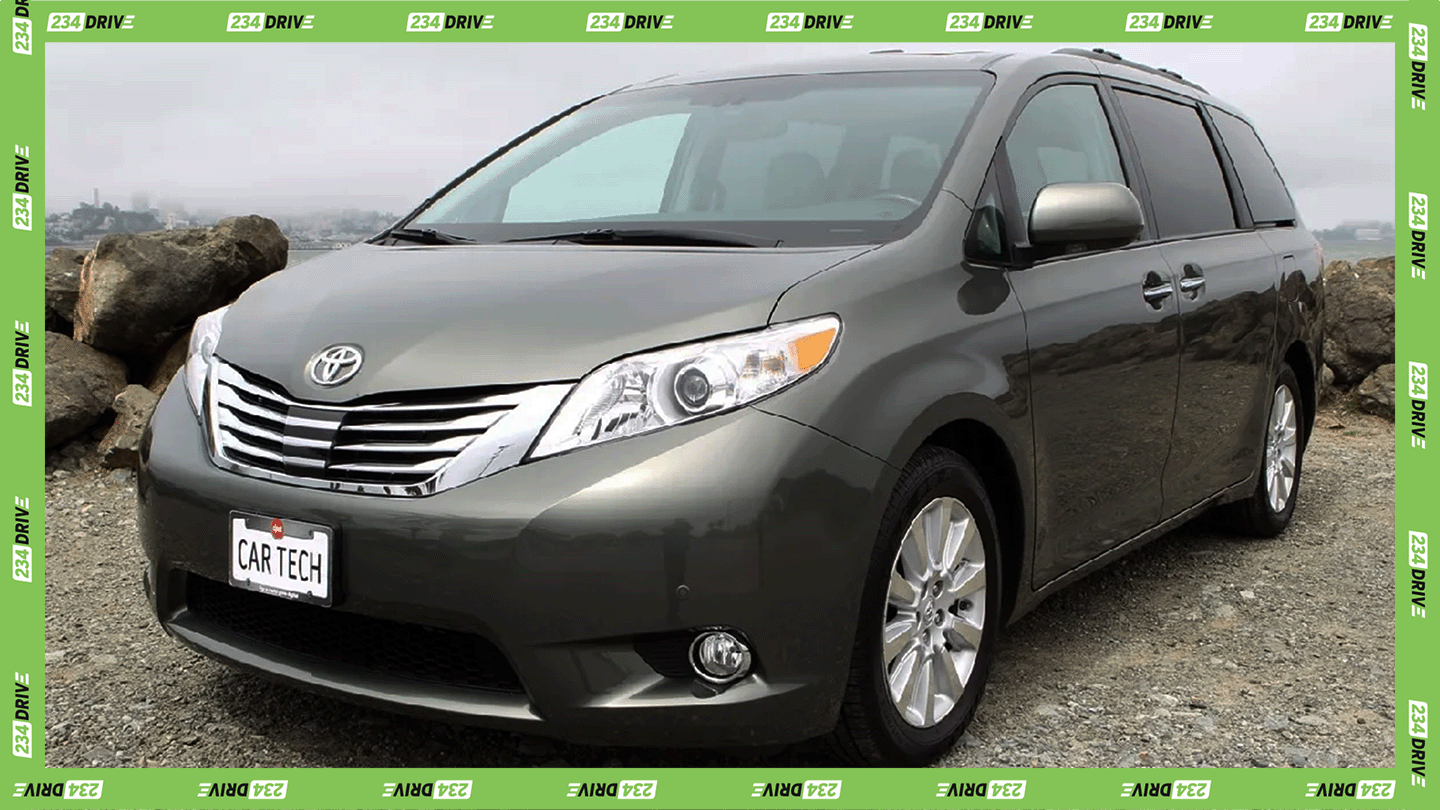
While less aggressive than its pickup counterparts, the Toyota Sienna wagon plays a strategic role in urban monitoring and covert surveillance, with state commands mostly utilising second-generation (2004–2010) and third-generation (2011–2020) model years. Featuring a sleek minivan silhouette, the Sienna blends naturally into everyday traffic. Often deployed by state commands and special tactical units in clean white paint or completely unmarked guises, it allows officers to conduct reconnaissance without triggering public reaction.
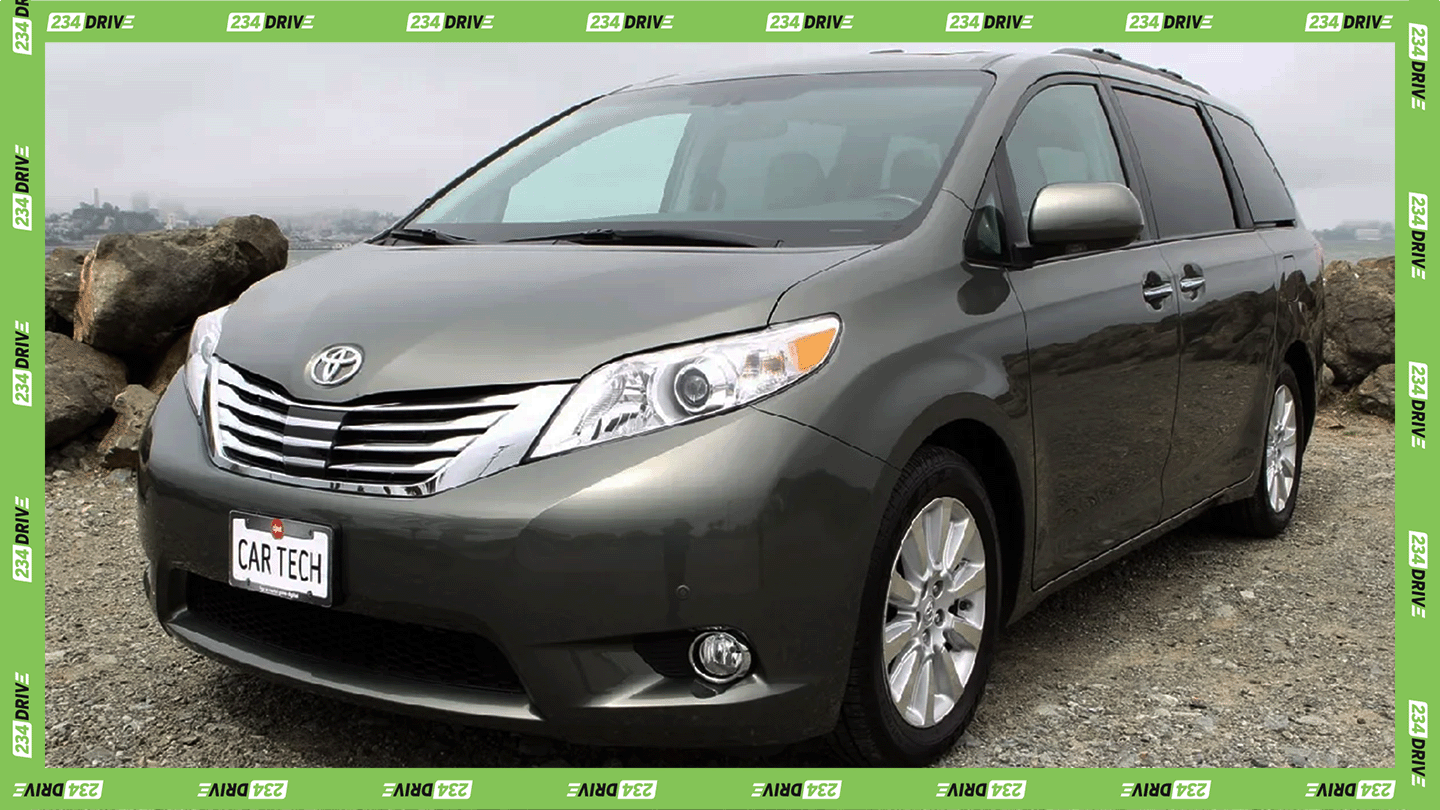
Cabin comfort in the Sienna is exceptional, featuring three rows of versatile seating and sliding side doors that allow rapid tactical ingress and egress. The interior is frequently retrofitted with mobile radio transmitters, dash cameras and gear storage compartments. Power comes from a refined 3.5-litre V6 engine delivering 266 to 296 horsepower, giving drivers smooth acceleration and quiet high-speed tracking capability on asphalt expressways. Procured largely as foreign-used units via state donations, standard operational models range from ₦8 million to ₦18 million.
Toyota Land Cruiser: IGP Official Command SUV
Serving as the official transport for the Inspector-General of Police (IGP) and senior command staff, the Toyota Land Cruiser SUV projects executive authority, with fleets dominated by 200 Series (2008–2021) and newer 300 Series (2022–present) model years. Its massive chrome grille, LED headlights and slab-sided bodywork give it a commanding stance in police convoys. Finished in black or white paint, these vehicles feature discreet B6 or B7 ballistic armour plating, run-flat tyres and concealed strobe lights.
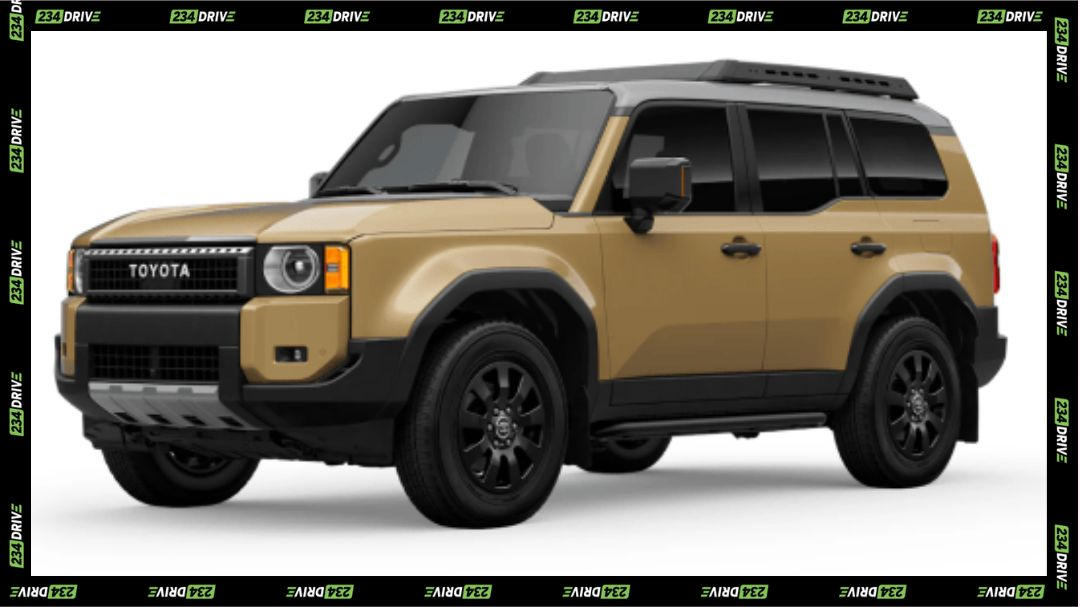
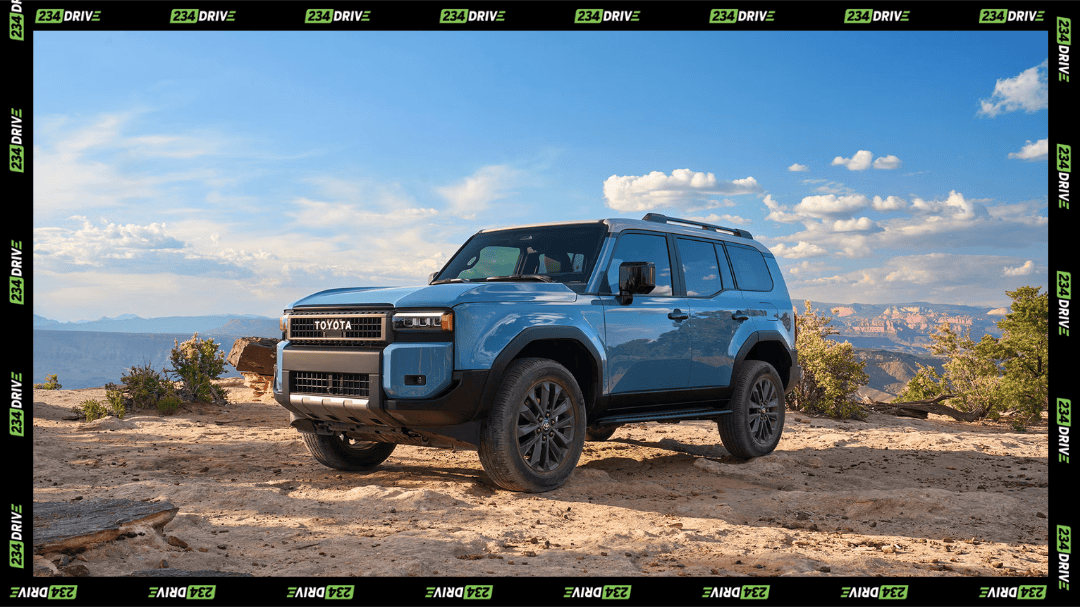
The Land Cruiser’s interior combines luxury refinements with secure mobile communications. Leather upholstery, multi-zone climate control and active noise cancellation shield command officials from external road stress during long journeys. Powering this bulletproof suite is either a 4.5-litre V8 diesel in the 200 Series or a 3.5-litre twin-turbo V6 engine producing 409 horsepower in the 300 Series. Heavy-duty suspension ensures composed handling despite the ballistic weight. Fully armoured executive units cost between ₦180 million and ₦300 million.
Nigerian Driving Reality and Operational Practicality
Operating police vehicles in Nigeria requires machinery capable of surviving severe road degradation, seasonal flooding and extreme tropical heat. Standard passenger cars quickly succumb to suspension failure on unpaved secondary roads, explaining the NPF’s heavy reliance on high-clearance pickups and rugged SUVs. Furthermore, rising fuel costs and tight station budgets have spurred recent pushes toward Compressed Natural Gas (CNG) conversions to reduce daily running expenses across major urban commands like Lagos and Abuja.
Vehicle reliability directly impacts law enforcement effectiveness and public trust across the country. Through funding mechanisms like the Lagos State Security Trust Fund (LSSTF) and direct state donations, fleet replenishment remains continuous but uneven. Vehicles subject to non-stop patrol schedules without regular service intervals frequently show cosmetic wear, reinforcing public perception of institutional strain. Nevertheless, deploying modernised, well-maintained fleets in high-visibility corridors remains one of the state’s most effective tools for projecting deterrence.
Segment Rivals and Competitive Positioning
In the light operational pickup segment, the Toyota Hilux faces competition from rival models like the Isuzu D-Max, Mitsubishi L200 and indigenous offerings such as the Innoson IVM Granite. While the IVM Granite and Isuzu offer lower upfront purchase prices and competitive payload capacities, the Hilux retains a dominant edge due to superior local spare parts availability, unmatched resale value and extensive mechanic familiarity across all 36 states, significantly lowering maintenance downtime.
In the armoured tactical category, domestic options like the Proforce Ara compete against foreign imports such as South Africa’s Springbuck IV and the UAE-built Streit Cougar. Foreign MRAPs often carry higher initial procurement costs and complex international logistics chains for replacement mechanical components. In contrast, locally built Proforce units offer faster lead times, direct factory support within Nigeria and tailored ballistic customisation suited to local security challenges, making indigenous tactical manufacturing increasingly attractive to federal boards.
Conclusion
The Nigeria Police Force fleet reflects a practical blend of rugged commercial pickups, specialised tactical armoured vehicles and executive command SUVs designed to operate under harsh conditions. While operational challenges like maintenance funding and fuel logistics persist, ongoing fleet modernisations and local manufacturing partnerships continue to strengthen response capabilities across the country. What are your thoughts on the current NPF fleet selection? Share your views in the comments below.