
Few things are more worrying for a driver than feeling a vehicle suddenly shake while moving. The steering wheel starts vibrating, the seat feels uncomfortable, the engine sounds rough or the entire car begins to judder during acceleration.
Many drivers describe this problem as ‘engine shaking,’ but the truth is that the engine is not always the actual cause. The vibration could come from several areas, including the engine, transmission, tyres, suspension, fuel system or drivetrain.
The key to solving the problem is understanding when the shaking happens.
Does it occur when the car is idle? Only when accelerating? At high speeds? After buying fuel? When the air conditioner is turned on?
These details help identify the real cause and prevent unnecessary repairs.
For Nigerian drivers, vehicle shaking has become a common concern because local conditions can accelerate wear. Poor road surfaces, extreme heat, dust, traffic congestion, and inconsistent fuel quality can all contribute to vibration problems.
Ignoring the issue may turn a simple repair into a much more expensive one. A small vibration caused by a worn mount or dirty injector can eventually damage other components if left untreated.
Here are the most common reasons your car may be shaking while driving and what you can do about them.
1. Worn or Damaged Engine Mounts
One of the most common causes of engine vibration is a failing engine mount.
Engine mounts are rubber or hydraulic components designed to hold the engine and transmission in place while absorbing normal vibrations. Over time, these mounts can crack, collapse or lose their ability to control engine movement.
When a mount fails, drivers often notice strong vibrations when the vehicle is stopped, especially when the gear is placed in Drive or Reverse. The shaking may reduce when the car gains speed but return during acceleration.
Other signs include:
- A clunking sound when accelerating or changing gears
- Excessive engine movement
- Strong vibration when the air conditioner is switched on
In Nigeria, engine mounts often experience additional stress because of high temperatures, potholes, speed bumps and rough roads. Vehicles that spend years navigating busy urban traffic may experience faster wear.
Replacing a damaged mount is usually far cheaper than allowing excessive engine movement to damage other parts.
2. Engine Misfire Problems
An engine works by producing controlled explosions inside its cylinders. When one or more cylinders fail to burn fuel properly, the engine becomes unbalanced, causing noticeable shaking.
This is known as a misfire.
Common causes include:
- Worn spark plugs
- Faulty ignition coils
- Dirty fuel injectors
- Vacuum leaks
- Carbon buildup
- Faulty sensors
A misfiring engine often feels rough when idling and may hesitate or jerk when accelerating.
Many vehicles will also display a check engine light. If the light is flashing while the engine is shaking, the problem may be serious and continued driving could damage expensive components such as the catalytic converter.
A discussion on rough engine vibration highlights how common rough idle and vibration complaints are among vehicle owners, especially when maintenance issues are ignored.
For Nigerian conditions, dust from harmattan, long hours in traffic and high temperatures can speed up problems with filters, sensors and ignition components.
3. Poor Fuel Quality and Fuel System Problems
Fuel plays a major role in how smoothly an engine runs.
Bad fuel quality can cause sudden shaking, hesitation, loss of power and rough idling. This happens because contaminated fuel affects the air-fuel mixture needed for proper combustion.
Possible fuel-related causes include:
- Dirty fuel injectors
- Weak fuel pumps
- Blocked fuel filters
- Water contamination
- Adulterated petrol
Nigeria has experienced cases where motorists reported serious vehicle problems after purchasing contaminated fuel. Some drivers experienced engine knocking, jerking, smoke and expensive repairs.
Reports on adulterated fuel problems show how poor fuel quality can result in significant losses for vehicle owners.
If your car begins shaking immediately after visiting a fuel station, fuel contamination should be considered.
Possible solutions include:
- Testing the fuel system
- Cleaning injectors
- Replacing damaged filters
- Draining contaminated fuel if necessary
The best prevention is buying fuel from trusted, high-volume stations and avoiding unknown roadside sources.
4. Tyres, Wheels, and Suspension Problems
Not every vibration comes from the engine.
Sometimes the problem is actually connected to the wheels or suspension system.
Common causes include:
- Unbalanced tyres
- Bent wheel rims
- Uneven tyre wear
- Wrong tyre pressure
- Poor wheel alignment
- Damaged suspension parts
A common clue is when the shaking appears only at certain speeds. For example, a vehicle may feel smooth at 30 km/h but begin vibrating between 80 and 100 km/h.
If the steering wheel shakes mainly at higher speeds, the wheels and tyres should be inspected first.
Nigerian roads create additional challenges. Potholes, broken surfaces and uneven roads can damage rims, loosen suspension components, and reduce tyre life.
A proper inspection can prevent drivers from replacing engine parts when the actual problem is a damaged wheel or suspension component.
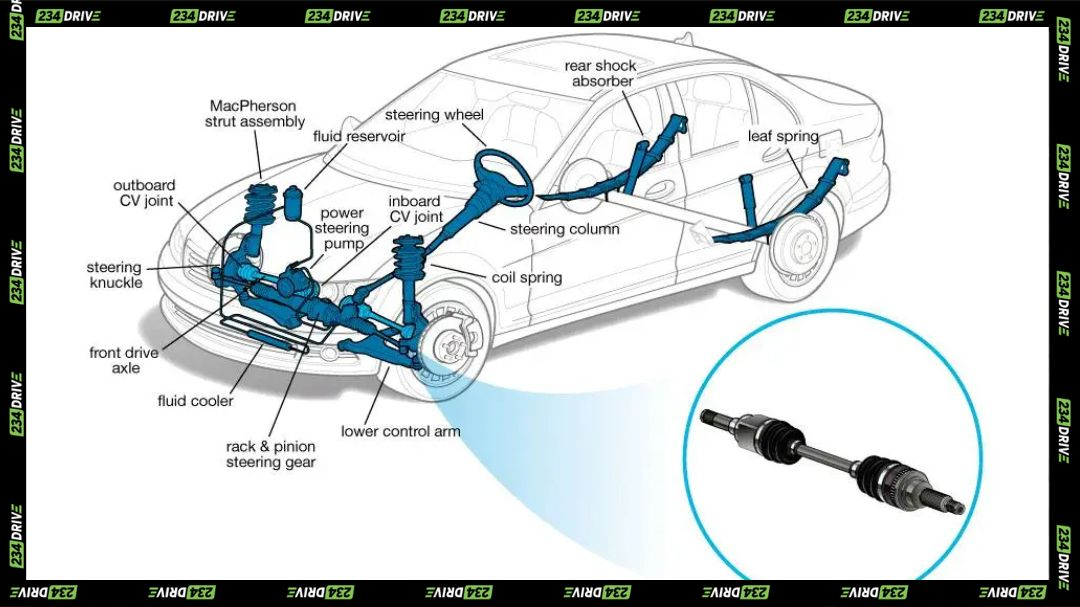
5. Transmission and Drivetrain Issues
The transmission and drivetrain transfer power from the engine to the wheels. Problems in these areas can also create shaking.
Common examples include:
- Worn CV joints
- Damaged axles
- Transmission shudder
- Driveshaft problems
Drivers may notice vibration when accelerating, turning or changing gears.
A vehicle that shakes only under load is often pointing toward a drivetrain issue rather than a simple engine problem.
A professional inspection is usually needed because drivetrain problems can become expensive if ignored.
How to Diagnose a Shaking Vehicle
Before visiting a mechanic, drivers should pay attention to when the shaking occurs.
Ask these questions:
- Does it shake when parked and idling?
- Does it happen only during acceleration?
- Does it begin after buying fuel?
- Does it happen only at certain speeds?
- Is the check engine light on?
- Does turning on the AC make it worse?
These clues can save time during diagnosis.
A mechanic may perform:
- Computer scanning for engine fault codes
- Engine mount inspection
- Fuel system testing
- Spark plug and ignition checks
- Wheel balancing and alignment checks
- Suspension inspection
Many drivers replace expensive engine parts unnecessarily because the actual cause is something simpler, such as a bad mount, dirty injector, or unbalanced tyre.
How Much Does It Cost to Fix Engine Shaking in Nigeria?
The repair cost depends on the cause and vehicle model.
Approximate costs may include:
- Engine mounts: ₦25,000–₦80,000 or more depending on the vehicle
- Fuel pump replacement: ₦80,000–₦150,000 in some cases
- Spark plugs and ignition repairs: Usually lower-cost maintenance items
- Injector cleaning or replacement: Varies depending on severity
- Wheel balancing and alignment: Generally affordable compared with engine repairs
- Suspension repairs: Can range from moderate to expensive depending on damaged parts
Using quality replacement parts is important. Cheap parts may fail quickly, especially under Nigerian driving conditions.
How to Prevent Engine Shaking Problems
Prevention is often cheaper than repair.
Nigerian drivers can reduce vibration problems by:
- Buying fuel from reputable stations
- Servicing vehicles regularly
- Changing air filters more frequently in dusty environments
- Checking tyre pressure regularly
- Balancing and aligning wheels after major pothole impacts
- Inspecting suspension components
- Fixing small vibrations before they become major problems
Regular maintenance is especially important in Nigeria because heat, dust, traffic, and road conditions place extra pressure on vehicles.
When Should You Stop Driving?
Some shaking problems require immediate attention.
Seek professional help if:
- The check engine light is flashing
- The vehicle loses power suddenly
- There is smoke from the exhaust
- The engine makes unusual knocking sounds
- The vibration becomes severe
- The car struggles to accelerate safely
Continuing to drive a badly shaking vehicle can damage other components and create safety risks.
A shaking engine is not always a sign of a major engine failure, but it is a warning that something needs attention. The earlier you identify the cause, the easier and cheaper the repair usually is.
For Nigerian drivers, understanding the difference between engine problems, fuel issues, and road-related damage can save money, prevent breakdowns, and keep vehicles safer on the road.
Before replacing expensive parts, diagnose the real cause first, because a small vibration today can become a major repair tomorrow.