
Walk through many Nigerian cities and you will quickly notice one vehicle that has become almost part of the country’s transport culture: the Toyota Sienna.
From Lagos to Abuja, from family homes to interstate transport businesses, the Sienna has built a reputation as one of Nigeria’s most trusted people movers. It is often called the ‘Camry of minivans’ because of its combination of reliability, comfort, durability and availability of spare parts.
But there is an intriguing story behind the vehicle’s success in Nigeria.
Toyota Nigeria Limited (TNL) never officially sold the Toyota Sienna. Unlike models such as the Corolla, Camry, Hilux, Fortuner and RAV4, which are part of Toyota’s official Nigerian lineup, most Siennas on Nigerian roads arrived through the grey-import market, especially from the United States.
Despite these circumstances, the Sienna became one of the most recognised family and commercial vehicles in the country. Its popularity proves that sometimes a vehicle does not need an official dealership presence to become deeply connected with a market.
How the Toyota Sienna Was Created
The Toyota Sienna was introduced as a 1998 model-year vehicle, replacing the Toyota Previa in the American market.
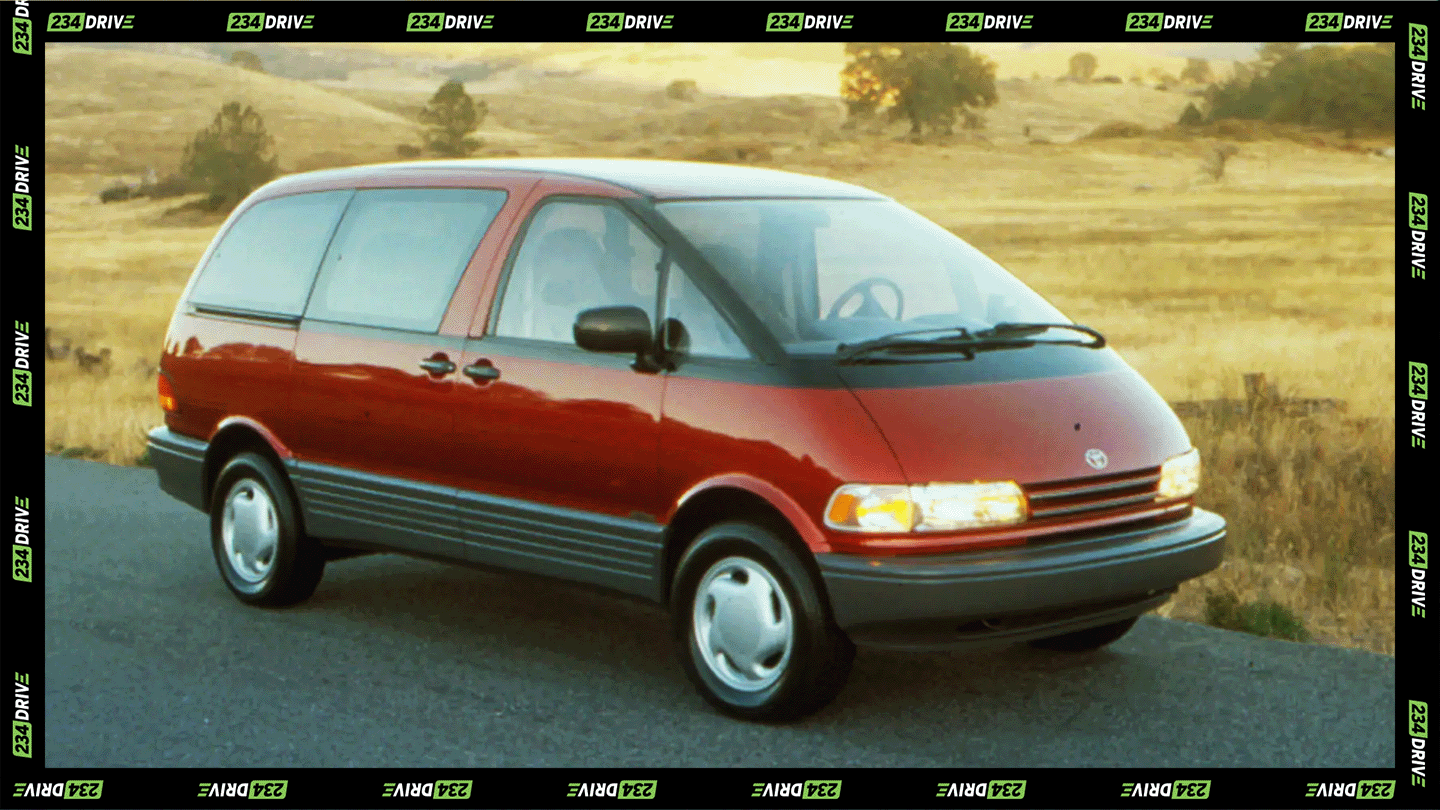
The Previa had a unique design. Instead of the conventional front-engine layout used by many minivans, it featured a mid-engine, rear-wheel-drive setup with a rounded “egg-shaped” body.
While innovative, the design did not match what many American buyers wanted. Maintenance was more complicated, engine access was difficult, and competitors such as the Dodge Caravan and other traditional front-wheel-drive minivans became more popular.
Toyota decided to take a different approach.
The company developed the Sienna as a more conventional minivan based on Toyota’s proven front-engine, front-wheel-drive platform. It shared engineering ideas with the Camry, making it easier to maintain and more familiar to customers.
This decision helped create the formula that would later make the Sienna successful in Nigeria: simple engineering, strong reliability, comfortable space, and straightforward access to parts.
The vehicle was produced mainly in the United States and was designed primarily for the North American market. Because it was not built for right-hand-drive markets, countries like Nigeria received most units through imports rather than official Toyota channels.
Four Generations of the Toyota Sienna
Over the years, the Sienna has gone through four major generations, each improving on space, technology, comfort and efficiency.
First Generation (1998–2003): The Beginning
The first-generation Sienna introduced Toyota’s answer to the American minivan market.
It came with a 3.0-litre V6 engine producing around 194 horsepower initially, later increasing with Toyota’s VVT-i technology.
The vehicle offered seven-seat capacity and focused on practicality rather than luxury.
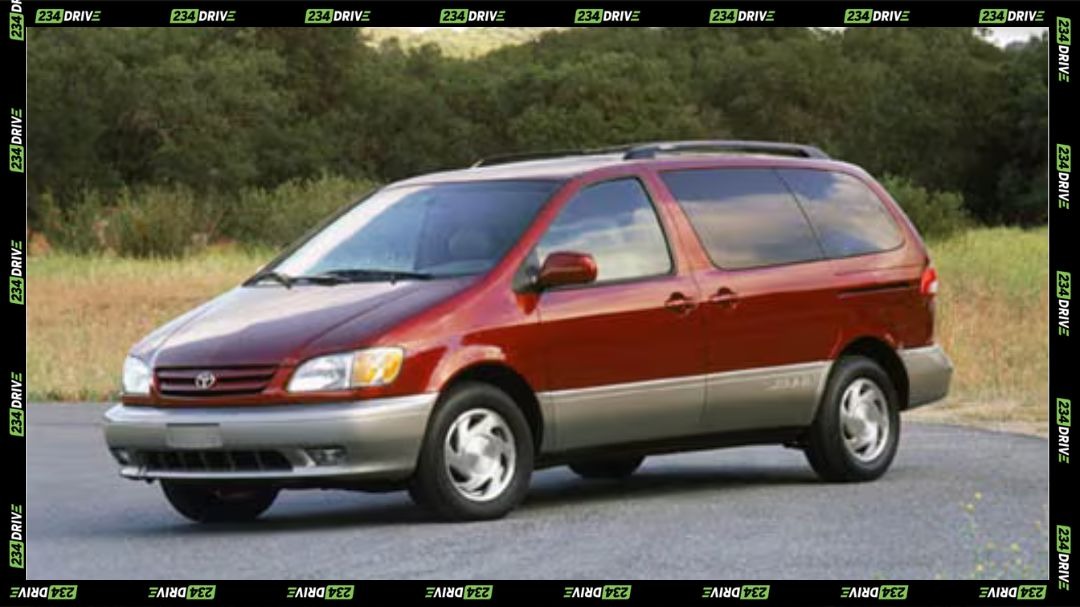
In Nigeria, older first-generation Siennas are still seen on the road, especially among commercial operators looking for affordable large-capacity vehicles.
However, buyers should pay attention to maintenance history. Early engines could develop oil sludge problems if you neglected oil changes.
For a vehicle of this age, condition matters more than appearance.
Second Generation (2004–2010): The Nigerian Workhorse
The second-generation Sienna is arguably the model that built the vehicle’s reputation in Nigeria.
With a larger body, improved interior space and stronger engines, it became a favourite among families and transport operators.
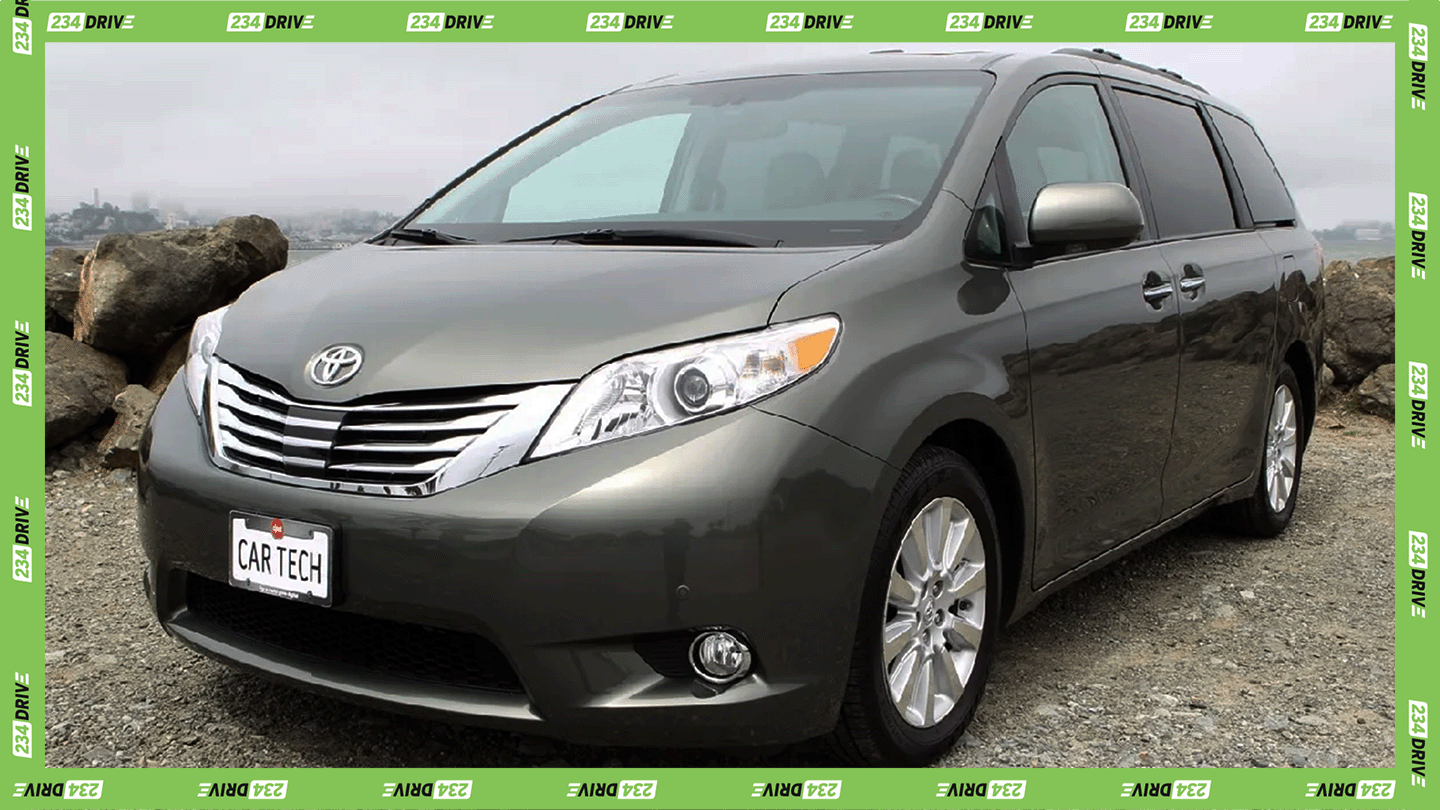
Early models used a 3.3-litre V6 engine, while later versions received Toyota’s popular 3.5-litre V6 engine, producing around 266 horsepower.
This generation offered:
- Seven- or eight-passenger seating
- More cargo space
- Improved comfort
- Fold-flat third-row seating
- Optional all-wheel drive
The combination of reliability and practicality made the 2004–2010 Sienna extremely common on Nigerian roads.
Many interstate transport companies adopted it because passengers appreciated the comfort, while owners valued Toyota’s reputation for durability.
Third Generation (2011–2020): More Comfort and Technology
The third-generation Sienna brought a more modern design and improved driving experience.
It continued using Toyota’s 3.5-litre V6 engine, with later versions receiving more power and improved transmission technology.
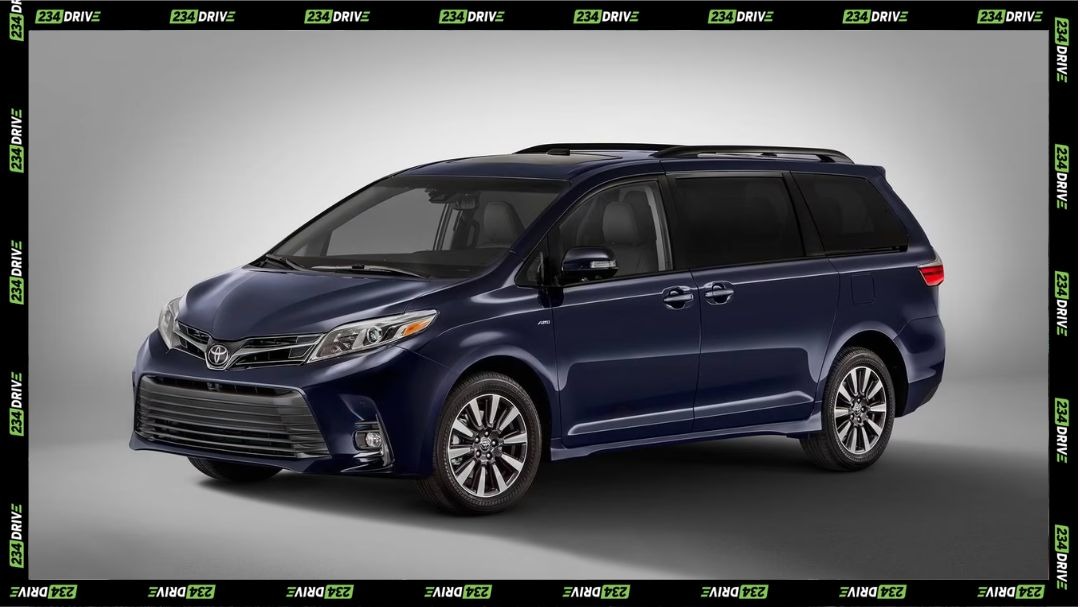
This generation introduced:
- Better safety features
- More refined interiors
- Improved ride quality
- Advanced entertainment options
- Available all-wheel drive
For Nigerian families who wanted a premium people-carrier, this generation became a popular choice.
It offered the space of a commercial vehicle while delivering the comfort expected from a family car.
Fourth Generation (2021–Present): The Hybrid Era
The newest Sienna represents a major change.
Instead of using a traditional V6 engine, Toyota moved the Sienna to a hybrid-only powertrain.
The 2.5-litre four-cylinder hybrid system produces around 245 horsepower and delivers significantly better fuel economy than older models.
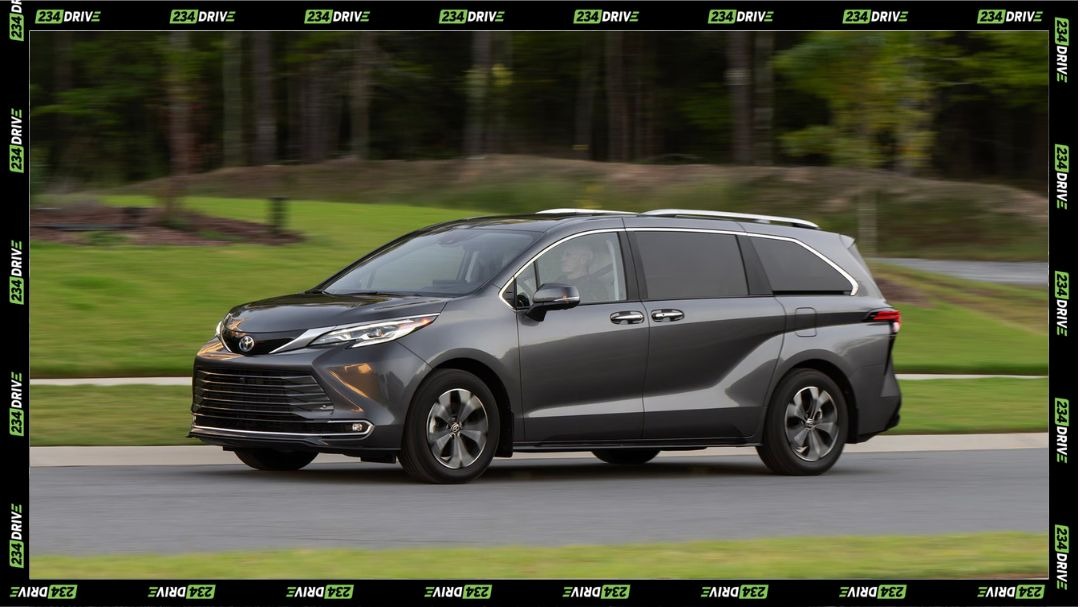
This generation is built on Toyota’s TNGA-K platform and includes modern features such as:
- Toyota Safety Sense technology
- Improved fuel efficiency
- Advanced driver assistance systems
- FWD and AWD options
For Nigerian buyers dealing with rising fuel prices, the hybrid Sienna offers a major advantage.
However, newer models remain expensive because most arrive as grey imports with high shipping costs, exchange-rate challenges, and import expenses.
Why Nigerians Love the Toyota Sienna
The success of the Sienna in Nigeria is not accidental.
Several factors explain its popularity.
Space for Families and Business
Nigerian families often need vehicles that can carry several passengers comfortably.
With seven or eight seats and generous cargo space, the Sienna fits this need perfectly.
Commercial transport operators also widely use it because it can carry passengers comfortably over long distances.
Toyota Reliability
Toyota’s reputation is one of the strongest reasons behind the Sienna’s success.
Many Nigerians already trust Toyota vehicles because models like the Corolla and Camry have proven themselves over decades.
The Sienna benefits from a similar engineering philosophy and shares some components with other Toyota vehicles.
Spare Parts Availability
Although Toyota Nigeria never officially sold the Sienna, its popularity means spare parts are widely available.
Many mechanics are familiar with Toyota engines and systems, making repairs easier compared with less commonly imported vehicles.
Ability to Handle Nigerian Conditions
While the Sienna was not designed specifically for Nigerian roads, its strong construction allows it to survive many local conditions when properly maintained.
Its comfort and ground clearance make it suitable for both city driving and interstate journeys.
Toyota Sienna Prices in Nigeria
The price of a Toyota Sienna varies greatly depending on the year, condition, mileage, trim level and whether it is Nigerian-used or Tokunbo.
According to Toyota Sienna prices in Nigeria, older models remain more affordable, while newer hybrid versions command significantly higher prices.
Approximate market ranges include:
- First generation (1998–2003): Around ₦2 million–₦4.5 million
- Second generation (2004–2010): Around ₦3 million–₦11 million+
- Third generation (2011–2020): Around ₦7 million–₦25 million+
- Fourth-generation hybrid (2021+): Often ₦40 million and above
Current listings on platforms such as Toyota Sienna listings show a wide range of prices depending on vehicle condition and seller location.
Because exchange rates constantly affect imported vehicles, prices can change quickly.
What To Check Before Buying a Toyota Sienna
Buying a used Sienna requires careful inspection.
Important areas to check include:
- Engine condition
- Transmission performance
- Accident history
- Rust from US winter states
- Suspension condition
- Cooling system
- Maintenance records
- Customs documentation for imported vehicles
Older V6 models should be checked carefully for oil leaks and cooling issues.
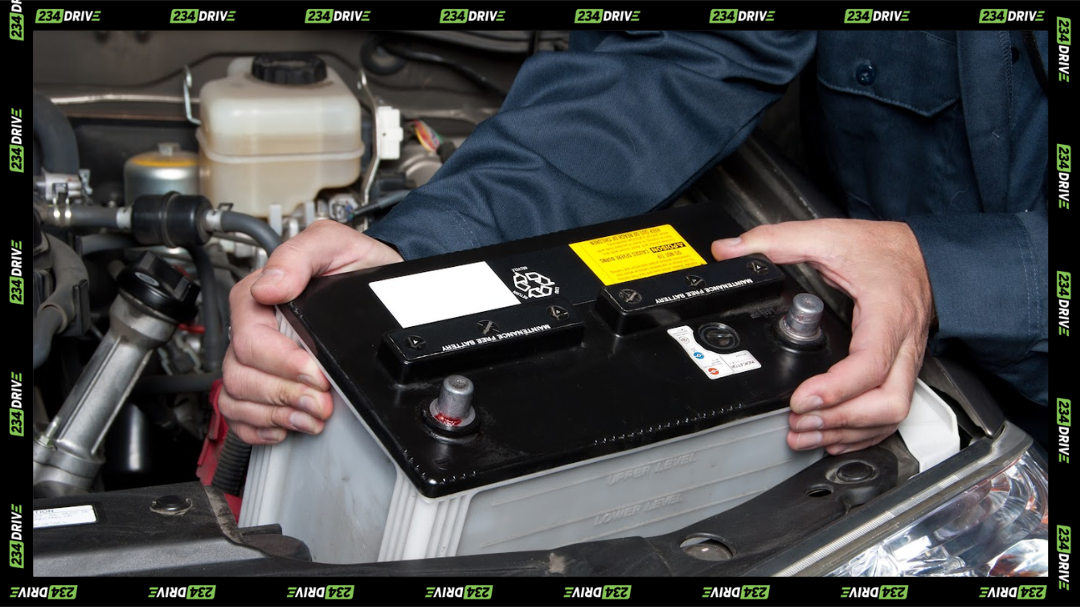
For hybrid models, battery condition is critical because replacement costs can be high.
Is the Toyota Sienna Still Worth Buying in Nigeria?
The Toyota Sienna remains one of the most practical large vehicles available in Nigeria.
For families, it offers comfort and space. For commercial operators, it provides reliability and passenger capacity.
However, buyers should choose based on their needs.
Older models offer affordability but consume more fuel. Newer hybrid models provide better efficiency but require a larger investment.
The story of the Toyota Sienna in Nigeria is unique because it succeeded without official dealership support. It became popular because it solved real problems: moving families, carrying passengers and handling long journeys comfortably.
The Sienna may not have been designed specifically for Nigeria, but Nigerian drivers made it their own.
From the early first-generation models to today’s hybrid versions, the Toyota Sienna remains one of the country’s most recognised and trusted people-movers, a vehicle that proves popularity is built not only by manufacturers but also by the people who depend on it every day.