

President Donald Trump’s new U.S. tariff fight has put Toyota and Honda directly in the line of fire.
The 45th and 47th presidents of the United States announced on Monday, August 24, that tariffs on Canadian-built cars, trucks and auto parts would rise from 25% to 50% on January 1, 2027, after trade talks with Ottawa collapsed.
Why Trump’s Canada Car Tariff Puts Toyota and Honda at Risk
The move targets Canada, but the Japanese carmakers face much of the risk. As Toyota and Honda produce more than three-quarters of all cars assembled in Canada. Canadian-built vehicles also represented almost one-quarter of Honda’s U.S. sales and 17% of Toyota’s in 2025, according to Reuters.
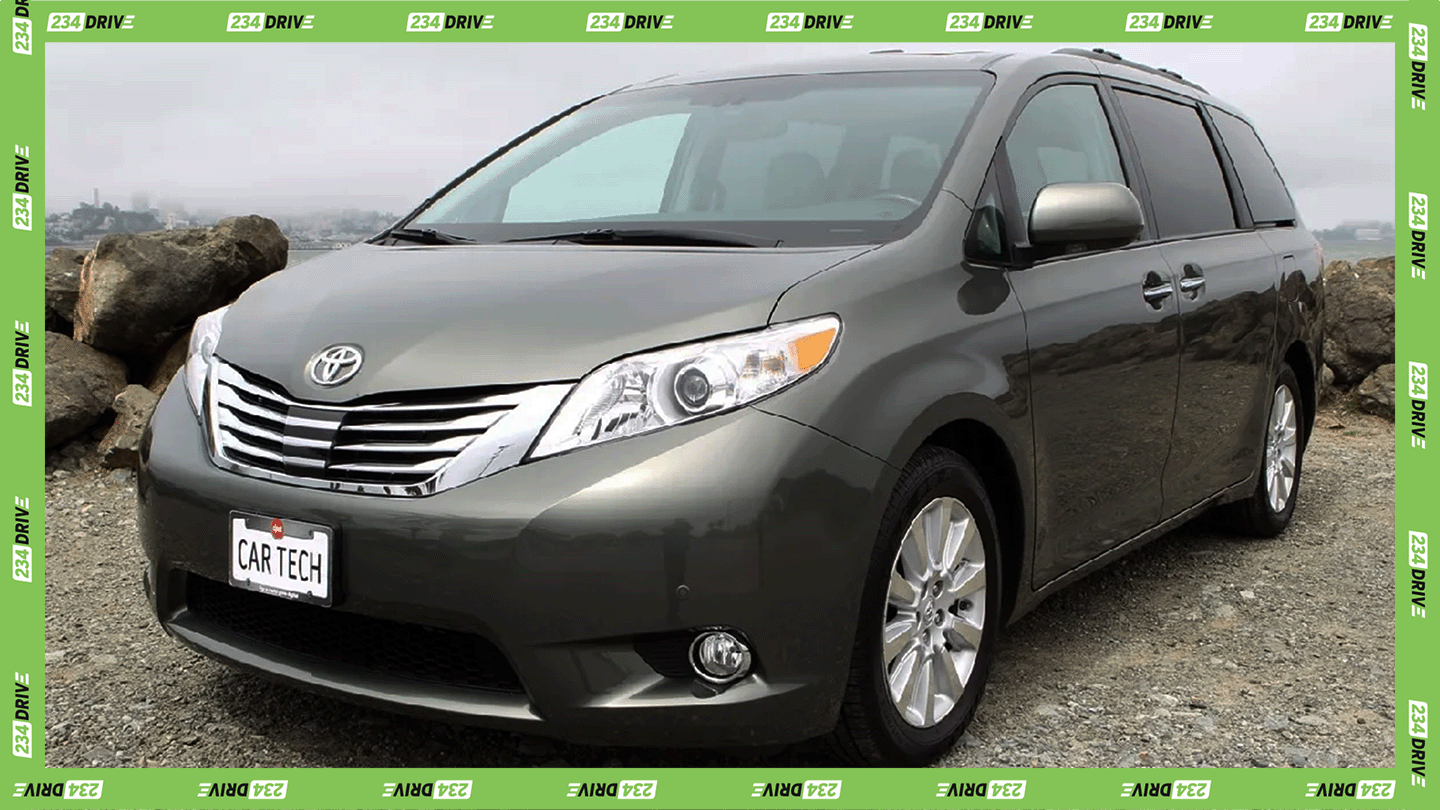
Toyota makes the RAV4 and RAV4 Hybrid, alongside Lexus NX and RX models, at its Cambridge and Woodstock facilities in Ontario. The plants can produce more than 500,000 vehicles annually. Honda’s Alliston plant builds the Civic and CR-V and has a yearly capacity of over 400,000 vehicles, even exceeding that number in 2025.
If the 50% rate takes effect, both companies could absorb the extra cost, raise U.S. prices or redirect Canadian-built vehicles elsewhere. Cutting margins would hurt earnings, while higher prices could weaken demand. Rerouting vehicles would also force the brands to replace US supply from factories that may already be busy and could eventually lead to the closure of some Canadian production lines.
The effect could spread across North America. Canada produces about 1.2 million cars annually, while its auto sector directly and indirectly supports roughly 427,000 jobs. Carmakers built their supply chains around cross-border trade, so moving production would take time and require major investment.
Toyota plans to invest up to $10 billion in the United States over five years, including a $3.6 billion Texas plant. Honda has linked another possible North American assembly plant to the future of USMCA talks.
A deal before January could still stop the increase. Until then, Toyota and Honda must prepare for a tariff that may hit their factories, dealers and customers hardest.