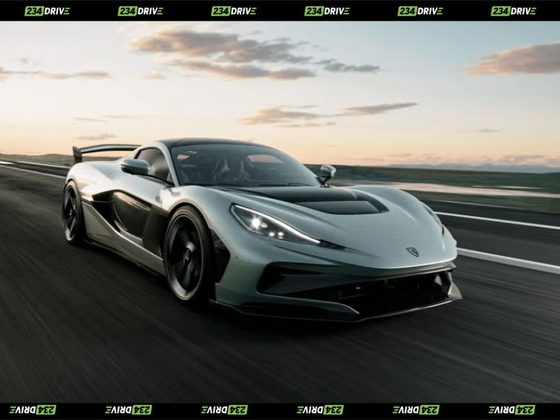

In just a decade, Chinese automakers have gone from a negligible presence to dominating a major share of South Africa’s financed new-car market. Chinese vehicles accounted for about 40% of the new cars financed by WesBank in July 2026, up from just 0.01% in 2016.
The surge reflects the rapid appeal of lower-priced, technology-rich models in a market long controlled by established European and Japanese brands. With electric vehicles, hybrids and pickups now expanding their reach, Chinese manufacturers are accelerating their sales and production plans in South Africa—and reshaping what buyers expect from a new car.
Chinese Carmakers Expand Models and Local Production
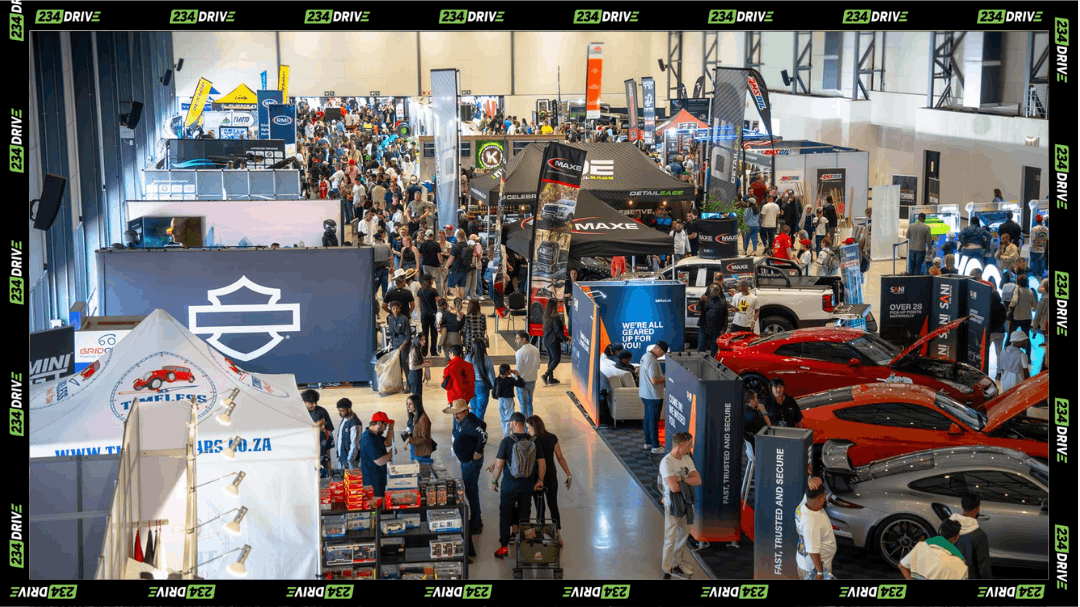
At Johannesburg’s Festival of Motoring, Changan introduced the Deepal S05 and Uni-S, BAIC showed the electric ARCFOX T1, and Chery presented the electric Riddara pickup. The launches placed Chinese brands in segments ranging from urban electric vehicles to pickups dominated by the Toyota Hilux, Ford Ranger and Isuzu D-Max.
Dongfeng also plans to expand its South African range from three models to 14 by early 2027. Chery’s LEPAS, Omoda and Jaecoo brands will add more electric and plug-in hybrid vehicles, while BAIC plans to expand the ARCFOX line and enter the pickup market. Reuters reported these plans following the motor show.
WesBank CEO Robert Gwerengwe provided the financing figures. The 40% figure covers new cars financed by WesBank rather than every new vehicle sold or financed across South Africa.
Competitive prices have helped Chinese manufacturers attract buyers facing high interest rates and rising ownership costs. Several models also offer touchscreens, driver-assistance technology, cameras and extended warranties at prices below comparable European and Japanese vehicles.
Chinese passenger-car brands captured 16.8% of South African sales in 2025, compared with 11.2% in 2024. However, buyers must still consider insurance, maintenance, replacement-part availability and resale value alongside monthly repayments.
The expansion now extends beyond vehicle imports. Chery has taken control of Nissan’s former Rosslyn plant and plans to begin local production in 2027, while BAIC already operates a factory in the Eastern Cape.
Chinese manufacturers have gained ground through pricing, technology and wider model choices. Their longer-term position will depend on whether they can build reliable dealer, repair, parts and resale networks around those vehicles.