
For more than a century, the sound of powerful petrol engines dominated speed. Brands like Bugatti, Ferrari, Koenigsegg, and McLaren built their reputations around roaring engines, mechanical engineering, and the pursuit of breaking speed records.
But the automotive world is changing.
Electric vehicles, once viewed mainly as efficient alternatives for everyday transportation, are now challenging the limits of performance. With instant torque, advanced battery systems, multiple electric motors, and intelligent software, electric cars are proving that speed is no longer exclusive to combustion engines.
Today, some of the fastest cars on earth are powered by electricity. These machines are not only competing with traditional hypercars; they are surpassing many of them.
For Nigeria and other emerging markets, these vehicles may still feel like distant dreams because of challenges such as charging infrastructure, electricity reliability, import costs, and road conditions. However, the technology behind these extreme machines provides a glimpse into the future of mobility. Many innovations developed for electric hypercars eventually influence more affordable EVs that will become accessible to more drivers.
Here are the top five fastest electric cars in the world based on their reported top speeds.
1. YangWang U9 Xtreme – 496 km/h
At the top of the electric speed revolution is the YangWang U9 Xtreme, a record-breaking hypercar from BYD’s luxury performance brand, YangWang.
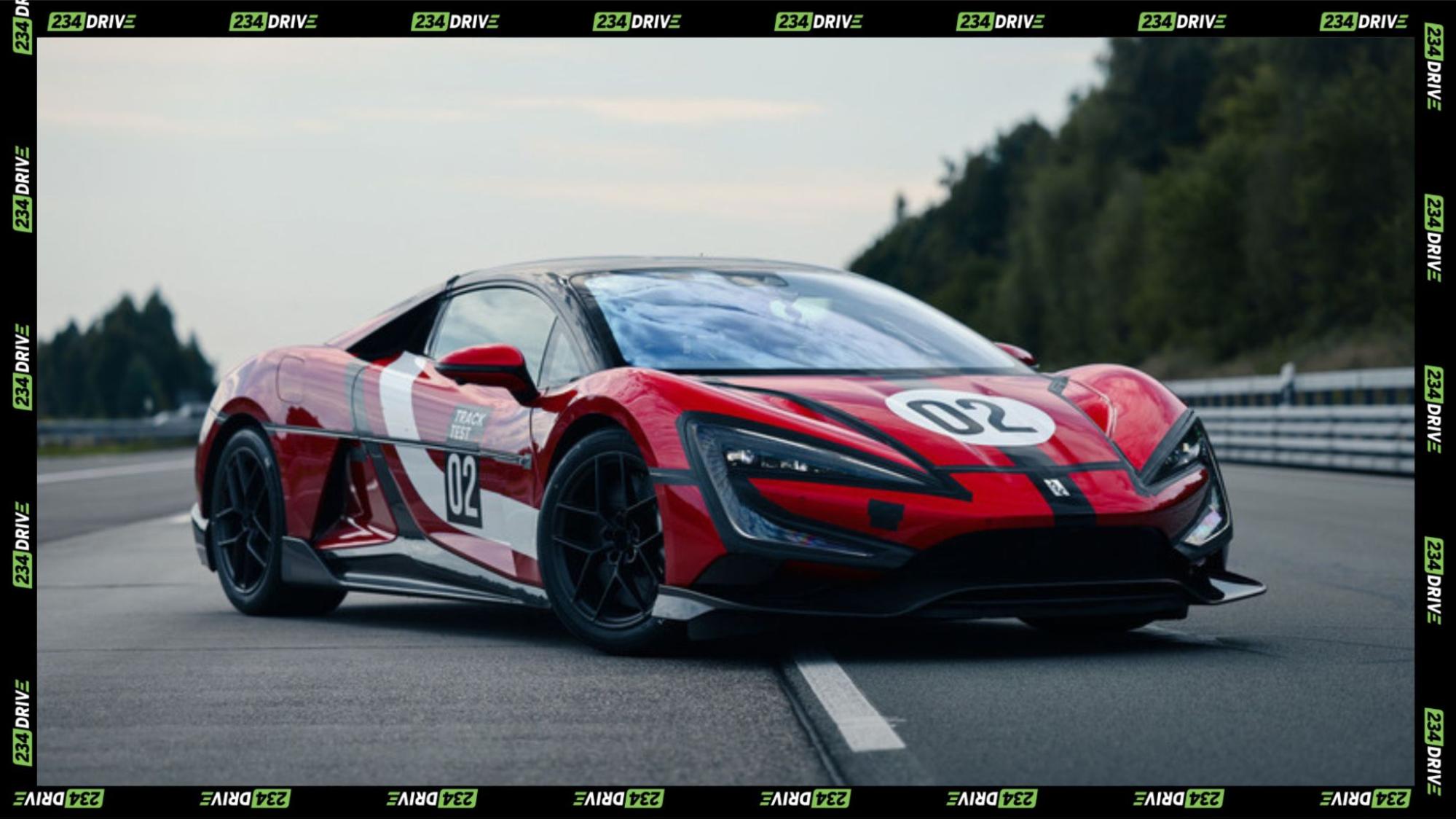
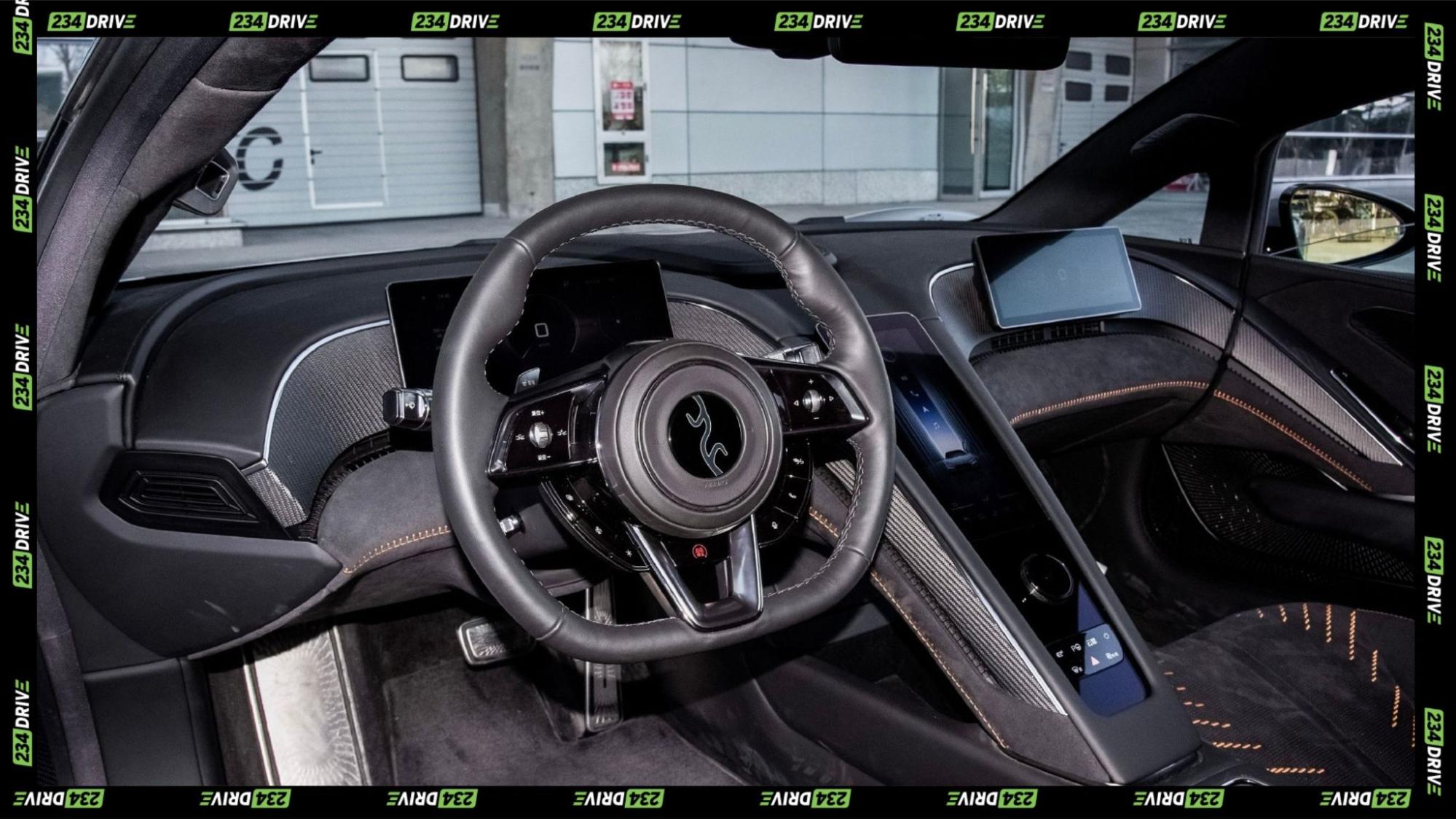
The U9 Xtreme achieved a remarkable top speed of 496.22 km/h (308.4 mph) at Germany’s ATP Papenburg proving ground, making it one of the fastest production cars ever created. The achievement has been recognised as a major breakthrough for electric performance, with YangWang U9 Xtreme record coverage highlighting how the Chinese-built EV entered the global speed conversation.
The secret behind the U9 Xtreme’s incredible performance is its four electric motors, with one motor assigned to each wheel. Together, they produce around 2,978 horsepower, giving the car extraordinary acceleration and precise power control.
Unlike traditional supercars that rely on mechanical systems, the YangWang U9 Xtreme uses advanced software to manage power delivery between its wheels. It also features a 1,200-volt electrical architecture, one of the highest voltage systems used in a production vehicle, allowing faster energy transfer and improved performance.
The vehicle uses an approximately 80 kWh BYD Blade battery pack, with a claimed range of about 450 km under testing conditions. However, driving at extreme speeds would significantly reduce its real-world range.
The U9 Xtreme is not designed for everyday transportation. Production is limited to around 30 units globally, and its estimated price places it among the most expensive cars in the world. Its specifications and development have made it a landmark vehicle in the evolution of electric performance, as detailed in this YangWang U9 overview.
For Nigerian enthusiasts, the U9 Xtreme represents what the future of electric technology could achieve. Although most drivers may find ownership unrealistic, the innovations of the U9 Xtreme could eventually shape the development of more affordable electric vehicles.
2. Rimac Nevera R – 431 km/h
The Rimac Nevera R is another electric hypercar that has changed global perceptions of EV performance.
Built by Croatian manufacturer Rimac, the Nevera R reaches a verified top speed of 431.45 km/h (268.2 mph). The vehicle produces approximately 2,107 horsepower through a four-motor all-wheel-drive system that independently controls each wheel.
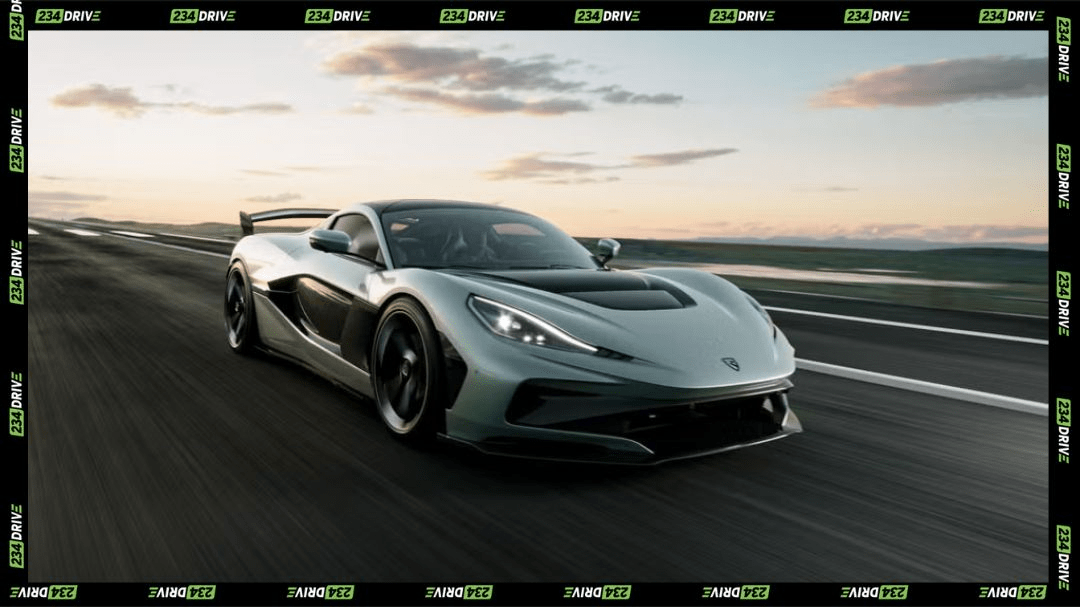
The Nevera R’s biggest strength is not only its top speed but also its acceleration. It can sprint from 0 to 100 km/h in approximately 1.72 seconds, making it one of the quickest accelerating production cars ever built.
The vehicle has achieved several performance records, including impressive acceleration and braking tests that demonstrate the advantages of electric power delivery. Reports on the Rimac Nevera R speed record show how the Croatian hypercar has become one of the most advanced electric vehicles ever produced.
The Nevera R uses a large 108 kWh battery pack and combines extreme performance with sophisticated software. Its torque-vectoring technology constantly adjusts power between the wheels, improving stability and handling at high speeds.
Production is limited to approximately 40 units, with prices starting around €2.3 million. Like most cars on this list, it is more of a technological showcase than a practical daily vehicle.
3. Aspark Owl – Around 400 km/h
The Aspark Owl is one of the most unique electric hypercars ever created.
Developed by Japanese company Aspark with support from Italian engineering specialists, the Owl focuses on lightweight construction, extreme acceleration and aerodynamic efficiency.
The production version has a claimed top speed between 400 and 413 km/h, while earlier testing versions achieved even higher figures. Its four electric motors produce nearly 2,000 horsepower, allowing it to accelerate from 0 to 100 km/h in less than two seconds.
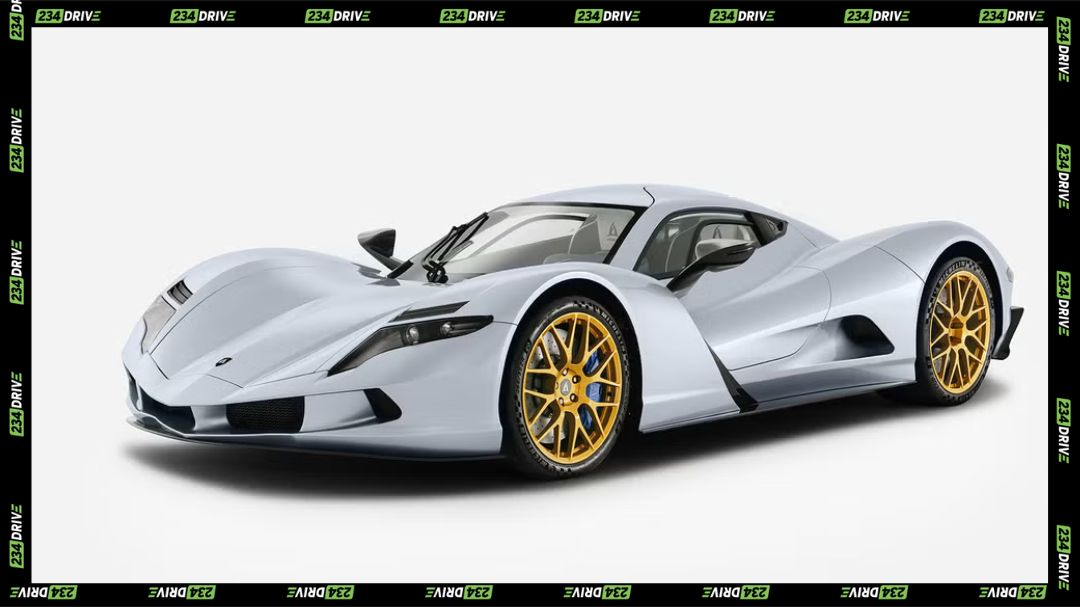
One of the owl’s biggest advantages is its carbon fibre construction. Unlike larger luxury EVs, the vehicle was designed specifically around performance, reducing weight while improving handling.
The battery capacity is smaller than that of some competitors, at around 69 kWh, because the vehicle prioritises speed and agility over long-distance travel.
Production numbers remain extremely limited, with only a small number of vehicles expected worldwide. With a price estimated at over €2 million, the Aspark Owl is firmly in the world of collectors and automotive enthusiasts.
While Nigeria may not see many examples of this vehicle, it showcases the potential of electric engineering when manufacturers prioritise performance.
4. Pininfarina Battista – 350 km/h
The Pininfarina Battista combines Italian design heritage with advanced electric technology.
Created by Automobili Pininfarina, the Battista represents a new generation of luxury performance vehicles. Known globally for designing some of the world’s most beautiful cars, Pininfarina used its design expertise to create an electric hypercar that can compete with the fastest machines available.
The Battista produces approximately 1,900 horsepower through four electric motors and reaches a top speed of 350 km/h.
Pininfarina Battista. Source: Caranddriver
Its acceleration is equally impressive, reaching 0–100 km/h in around 1.86 seconds. The vehicle uses advanced torque management technology and shares some electric drivetrain expertise with Rimac.
With a battery capacity of around 120 kWh, the Battista balances extreme performance with grand touring capability. However, production is limited to around 150 units, and its price places it firmly in the luxury collector market.
For Africa’s growing luxury vehicle market, the Battista represents how electric vehicles are becoming associated with prestige, design and exclusivity — not just efficiency.
5. Lotus Evija – 350 km/h
The Lotus Evija completes the list as one of the most powerful electric cars ever built.
Lotus, a company famous for lightweight sports cars, developed the Evija as a demonstration of electric performance technology. The vehicle produces approximately 2,012 horsepower through a four-motor system and reaches a top speed of around 350 km/h.
Unlike many luxury-focused electric vehicles, the Evija was created with track performance in mind. Its lightweight carbon-fibre structure, active aerodynamics and high-downforce design allow it to deliver exceptional handling.
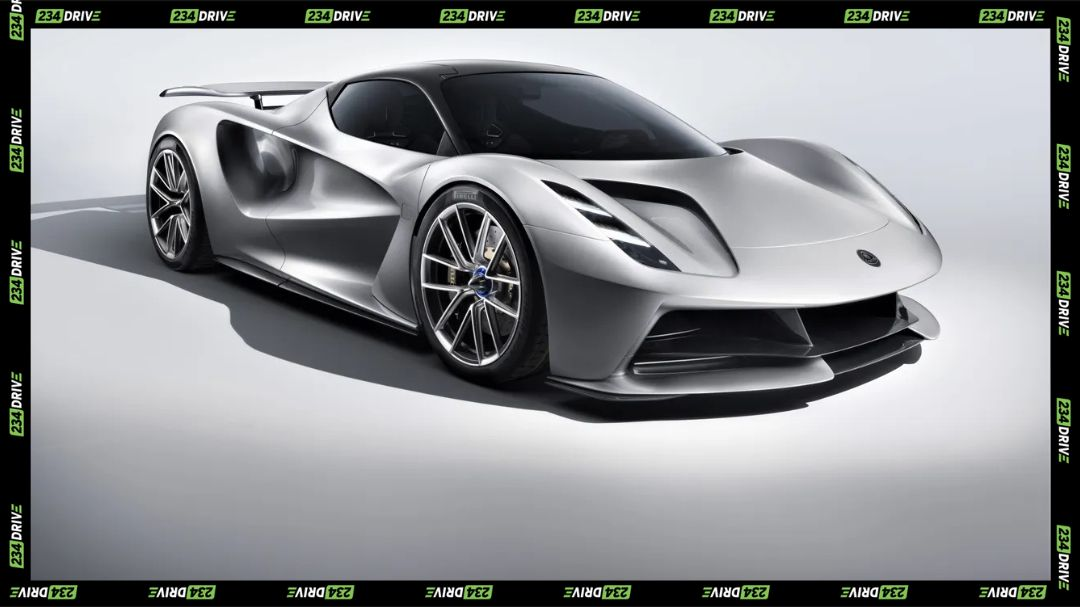
The battery capacity sits between 87 and 93 kWh, with range depending heavily on driving conditions and performance use.
Production is extremely limited, and the Evija carries a multi-million-dollar price tag. It is not designed for everyday commuting but serves as proof that electric vehicles can deliver excitement, emotion and racing-level performance.
What These Electric Cars Mean for the Future
The fastest electric cars in the world are not designed for daily Nigerian driving. Traffic congestion, road conditions, charging availability and ownership costs make these hypercars unrealistic for most consumers.
However, their importance goes beyond speed records.
These vehicles are laboratories for future automotive technology. Innovations such as high-voltage platforms, advanced battery management, improved thermal systems, lightweight materials, and intelligent software are gradually moving into more affordable electric vehicles.
The global competition to build faster EVs shows how quickly the industry is evolving. From record-breaking hypercars to everyday electric vehicles, manufacturers are constantly improving battery efficiency, performance, and reliability. A wider look at the segment shows how manufacturers are pushing boundaries through the development of the fastest electric cars.
Nigeria’s Electric Vehicle Future
Nigeria’s electric vehicle market is still young, but interest is increasing. Rising petrol prices, growing environmental awareness, and the arrival of more affordable Chinese EV brands are encouraging more consumers to consider electric mobility.
Practical EV models such as the BYD Atto 3, BYD Dolphin, and other Chinese electric vehicles are becoming more visible in emerging markets because they offer lower running costs and reduced maintenance compared with traditional petrol vehicles.
Government policies are also beginning to support EV adoption. Recent initiatives have introduced incentives aimed at reducing the cost of electric vehicle imports, including reported exemptions on certain duties and taxes. These policies could help accelerate adoption, as highlighted in reports on Nigeria’s EV incentives.
For Nigerian drivers, the future of electric vehicles will likely begin with practical models rather than million-dollar hypercars. But the technology developed by machines like the YangWang U9 Xtreme, Rimac Nevera R, and Lotus Evija will influence the next generation of EVs available around the world.
The race for the fastest electric car is not only about breaking records. It is about proving that the future of mobility can be faster, smarter, and more exciting than anyone imagined.
Electric vehicles have officially entered the world of extreme performance, and the race has only just begun.