
The Honda Odyssey has enjoyed a distinguished career as a premier multi-purpose vehicle (MPV) since its introduction in 1994, consistently setting benchmarks for family transport. Originally conceived as a response to the Japanese economic shifts of the 1990s, the model has evolved from a compact, Accord-based estate into a global powerhouse of practical engineering. Its public image is one of thoughtful innovation, particularly through its “Magic Slide” seating and the early adoption of advanced safety suites. The Odyssey has cultivated a reputation for being the “driver’s minivan,” offering a level of handling precision that its more ponderous competitors often struggle to replicate.
In terms of automotive philosophy, the Odyssey represents a commitment to versatility and long-term reliability. Its career has seen a fascinating divergence between the massive, V6-powered versions designed for North America and the sleeker, more efficient international Honda Odyssey variants favoured in Asia and Oceania. The introduction of the hybrid powertrain in 2016 marked a significant milestone, catering to a global taste for “green” mobility without sacrificing the cavernous interior space that families demand. This review examines the technical prowess of the hybrid models and evaluates their potential impact on regions where fuel efficiency is becoming a primary purchasing driver.
The International Odyssey Hybrid (e:HEV)
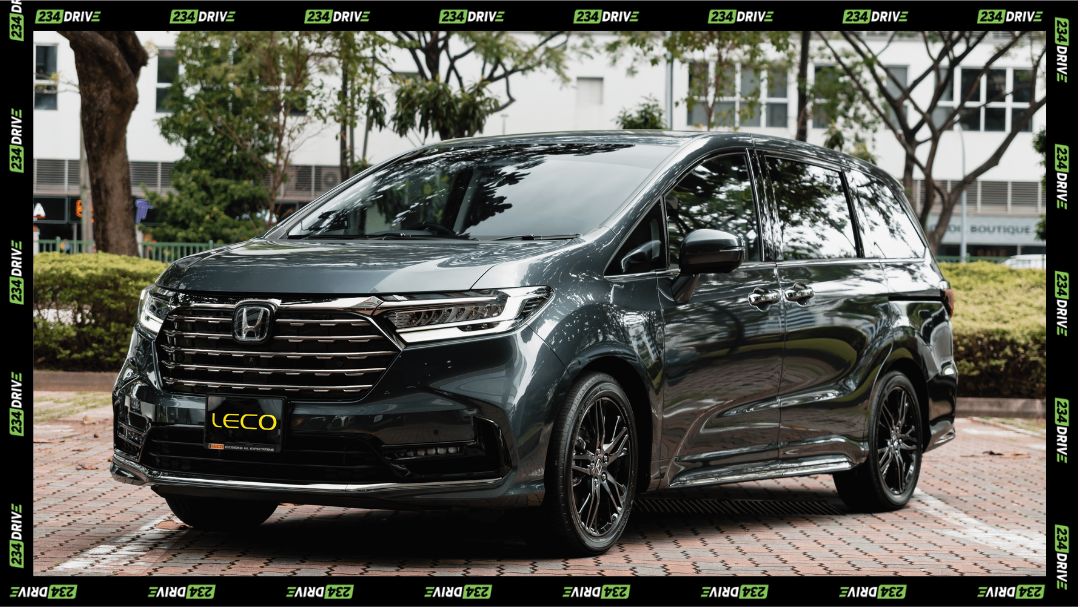
The exterior design of the international Odyssey Hybrid is significantly more compact and aerodynamic than its American counterpart, measuring approximately 4.8 metres in length. It features a sophisticated “Solid Wing Face” front grille and a low-slung silhouette that prioritises ease of entry and exit. The 2020 facelift introduced a more vertical front fascia with intricate LED lighting signatures and sequential turn signals, giving it a modern, tech-forward road presence. Dual power-sliding doors remain a hallmark, with higher trims even offering gesture-control technology, allowing passengers to open the doors with a simple wave of the hand.
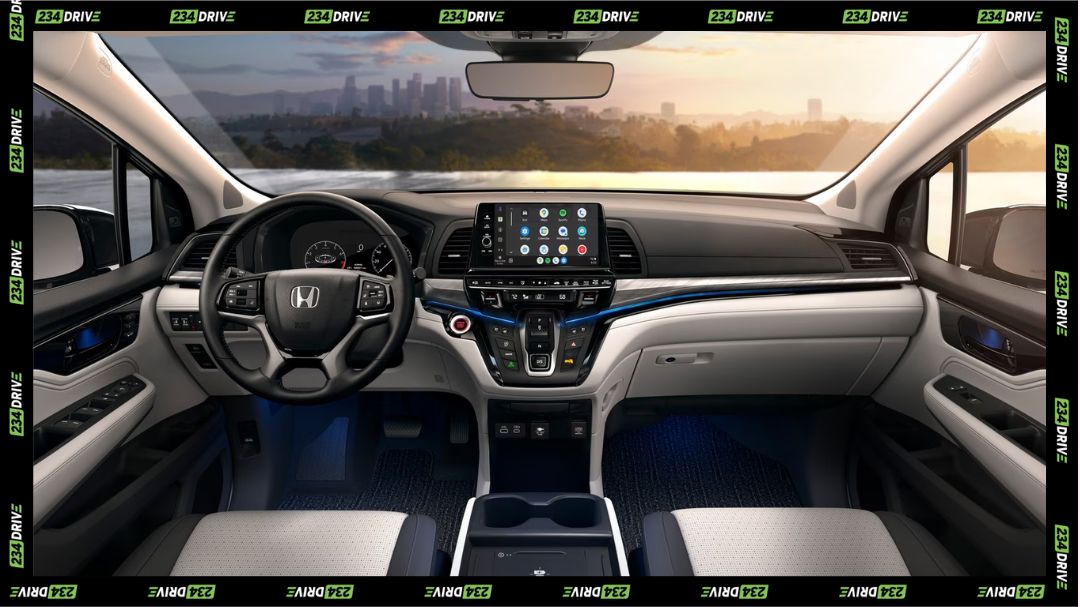
Inside, the international hybrid focuses on an executive “cradle” seating arrangement, particularly in the seven-seater configuration. The second-row seats feature integrated ottomans and extensive reclining capabilities, transforming the cabin into a first-class lounge. The powertrain is the real star, utilizing Honda’s e:HEV system which pairs a 2.0-litre i-VTEC Atkinson-cycle engine with two electric motors to produce a combined 181 to 212 horsepower. This setup allows for seamless transitions between pure electric, hybrid, and engine-drive modes, achieving an impressive fuel efficiency that can reach up to 49 mpg in specific testing cycles.
Internationally, new models start around $30,000 to $40,000 (approximately ₦44 million to ₦58 million), while used 2016-2018 imports can be found for significantly less.
The North American Odyssey and Future Hybrid Prospects
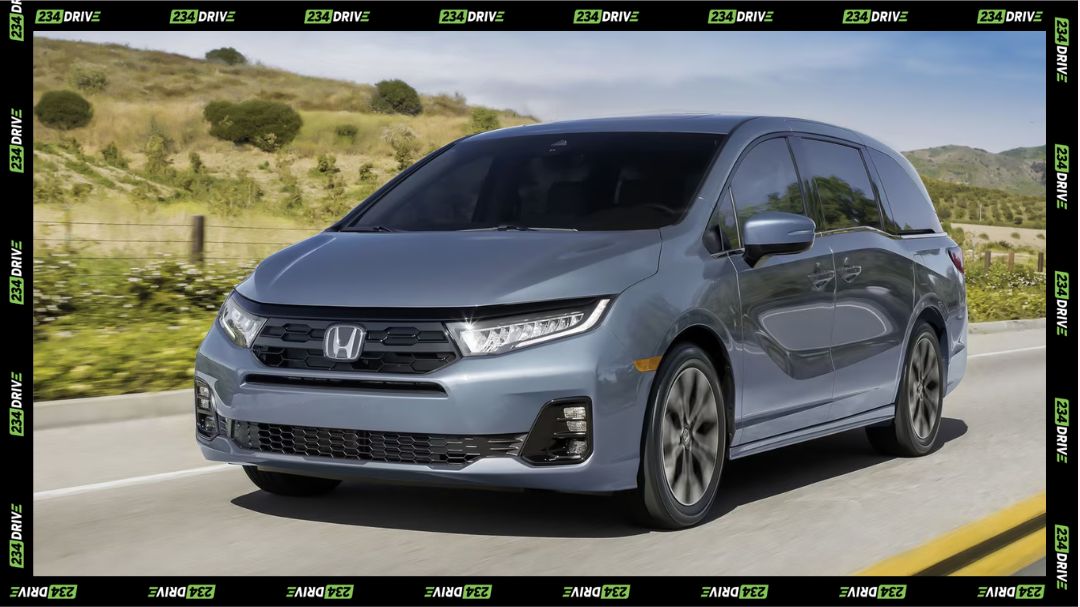
The North American Odyssey represents the “larger-than-life” branch of the family, designed with a focus on maximum volume and V6 power. Its exterior is bold and expansive, stretching to over 5.2 metres with a “lightning bolt” beltline that adds a sense of motion to its massive flanks. The 2025 updates have further refined the aesthetic with a more aggressive grille and redesigned wheels, ensuring it remains a fun and modern family hauler. Its road presence is undeniable, standing as a symbol of the ultimate suburban transport for those who refuse to compromise on space.
Under the bonnet of the current US model lies a 3.5-litre V6 engine producing a robust 280 horsepower, paired with a smooth 10-speed automatic transmission. While it lacks the immediate fuel savings of the international hybrid, it offers superior towing capacity and effortless highway cruising. However, the future is shifting; Honda has confirmed that its next-generation hybrid V6 powertrain is slated for a 2027 debut. This upcoming system is expected to merge the raw power of the V6 with the efficiency of electric motors, potentially creating a “best-of-both-worlds” scenario for the 2027/2028 Odyssey models.
The 2025 petrol-powered US Odyssey starts at approximately $38,000 (roughly ₦55 million), with prices rising for the Elite and Touring trims.
Competitive Positioning and Market Rivalry
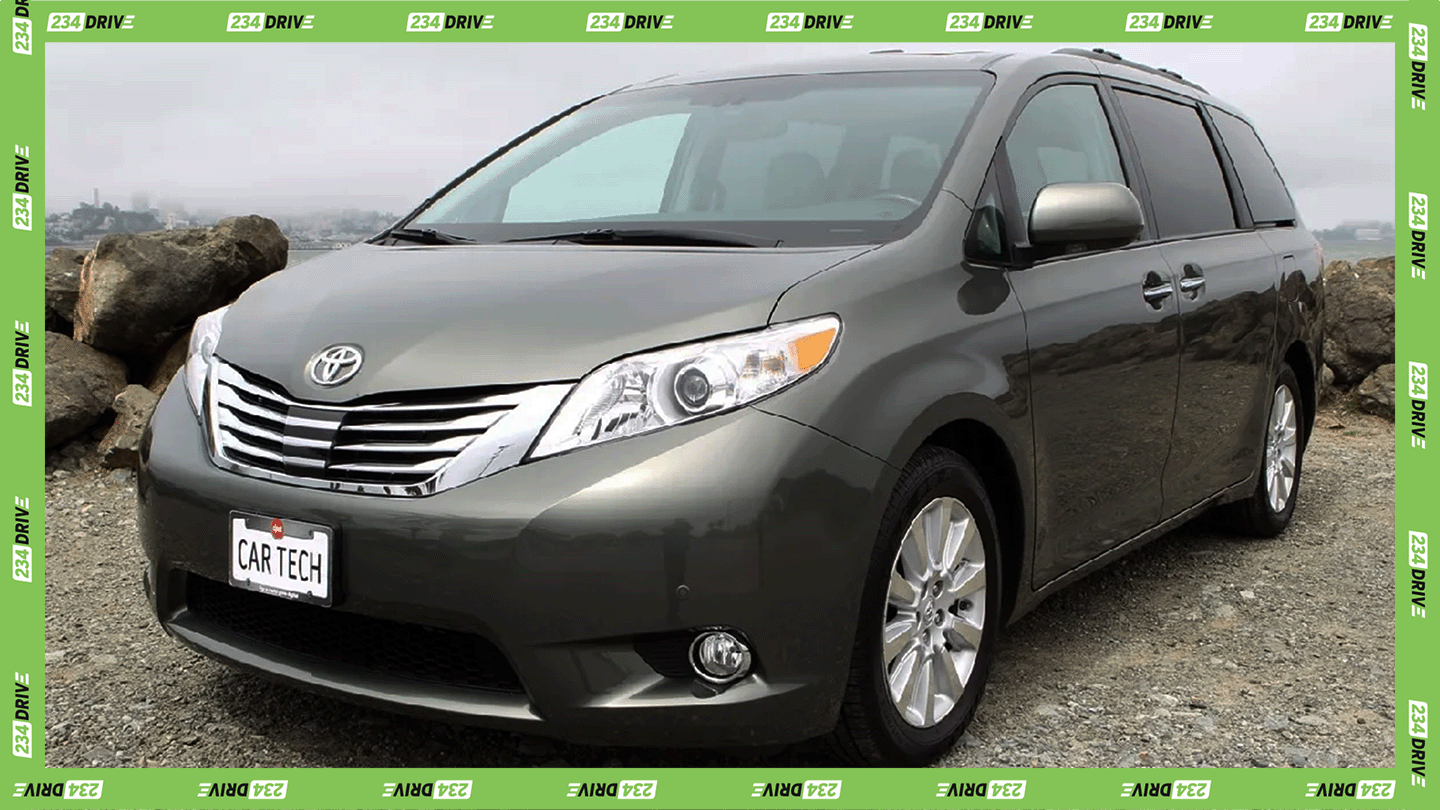
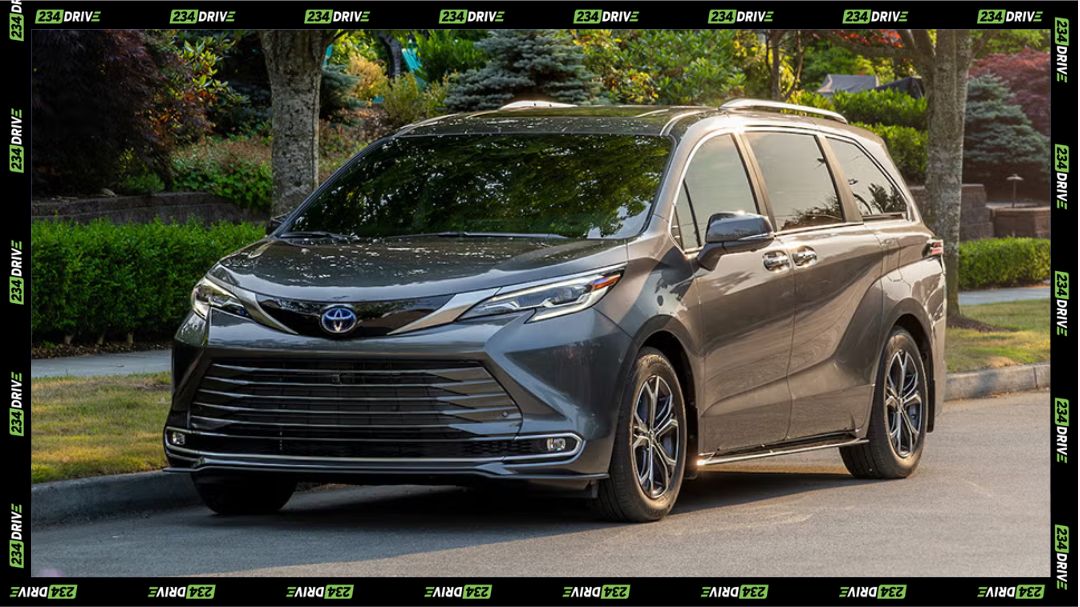
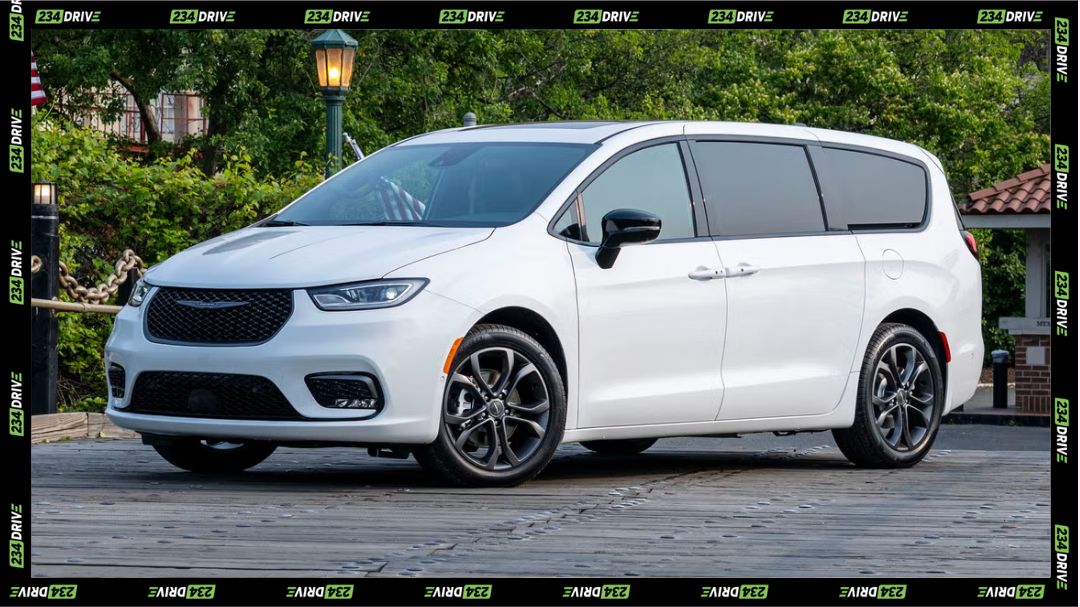
The Honda Odyssey Hybrid faces its fiercest competition from the Toyota Sienna Hybrid and the Chrysler Pacifica PHEV. In the global market, the Toyota Sienna is the dominant rival, as it moved to a hybrid-only lineup in 2021, offering standard All-Wheel Drive, a feature the Odyssey Hybrid currently lacks. In terms of cost, the Odyssey often provides a more “premium” interior feel and better driving dynamics, but the Sienna’s reputation for bulletproof reliability gives it a slight edge in the used market. The 2026 Honda Odyssey Hybrid vision aims to close this gap by introducing more rugged styling and updated tech to lure back families from the crossover segment.
Regarding durability and maintenance, the Odyssey is generally considered a top-tier contender, though its transmission systems in earlier petrol generations were occasionally a point of discussion. The newer e-CVT used in the hybrid models is a much simpler mechanical design, which should translate to better long-term durability. When compared to the Kia Carnival, the Odyssey Hybrid wins on fuel economy and brand resale value, though the Kia offers a more “SUV-like” design that some modern buyers prefer. For those focused on the total cost of ownership, the Odyssey’s high mileage and strong secondary market demand in regions like Africa make it a very safe investment.
Summary
The Honda Odyssey Hybrid collection represents a masterclass in adapting to a changing world. By offering a split strategy providing high-efficiency e:HEV models for international markets and preparing a powerful hybrid V6 for the future, Honda has ensured the Odyssey remains the gold standard for family transport. Its strengths lie in its refined interior, exceptional safety features, and a powertrain that manages to be both eco-friendly and surprisingly responsive.
Whether you are looking at an imported international model for its city-friendly dimensions or waiting for the high-power hybrid versions of the future, the Odyssey continues to prove that the minivan is far from obsolete. It is a vehicle that grows with the family, providing a mobile sanctuary that is as intelligent as it is practical. We would love to hear from our readers. Would the fuel savings of the Odyssey Hybrid be enough to convince you to make the switch from an SUV?