
Range Rover has established itself as the pinnacle of luxury SUV ownership in Kenya, representing both aspiration and capability for discerning buyers. As of December 2025, the market offers an extensive range of options, from older pre-owned models starting at approximately KSh 980,000 to brand-new flagship variants exceeding KSh 45 million. This comprehensive guide examines current pricing structures, popular models, import considerations, and the realities of ownership in the Kenyan context, providing essential insights for potential buyers navigating this prestigious segment.
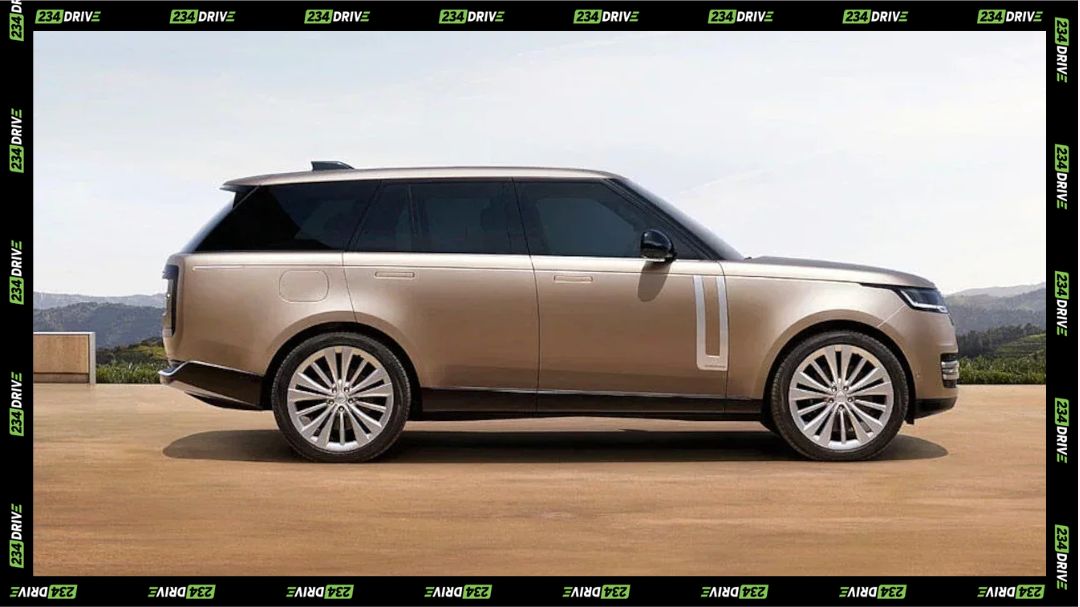
The Range Rover brand encompasses several distinct models, the flagship Vogue, performance-oriented Sport, sophisticated Velar, and compact Evoque each catering to different buyer preferences whilst maintaining the marque’s reputation for combining British luxury with off-road prowess. With Kenya’s unique mix of urban congestion, challenging rural terrain, and a thriving luxury vehicle market, understanding the full spectrum of ownership costs, from initial purchase through maintenance and fuel expenses, proves essential for making informed decisions in this high-stakes segment.
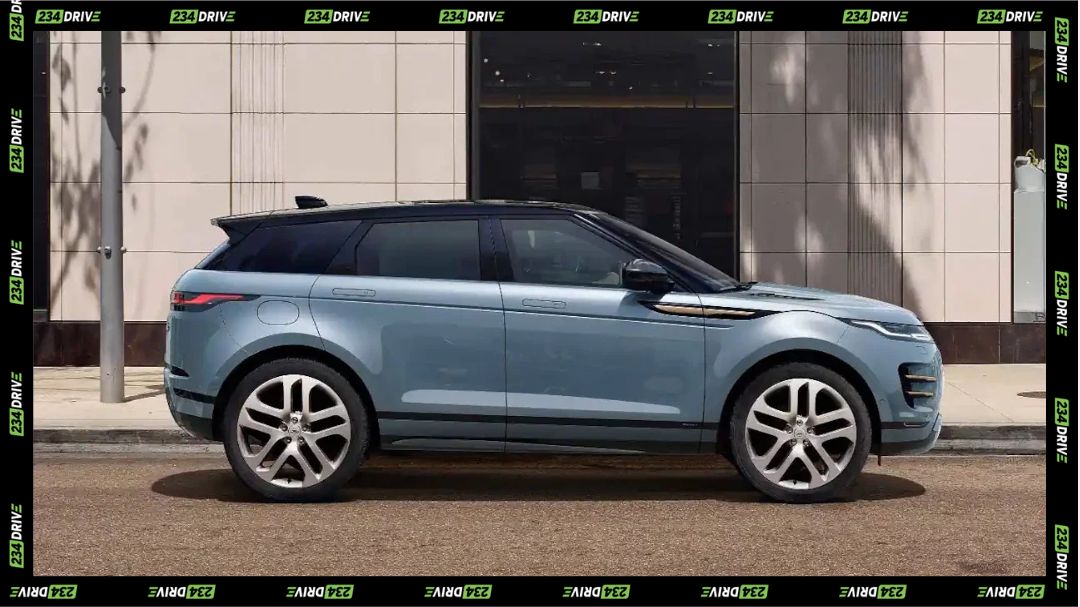
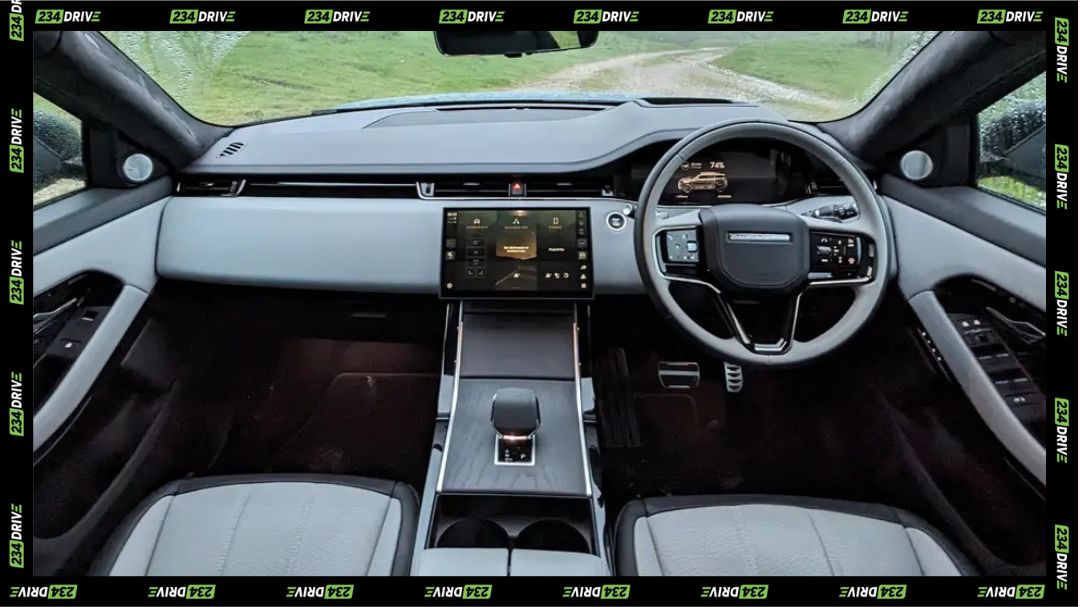
Current Range Rover Pricing Across Models
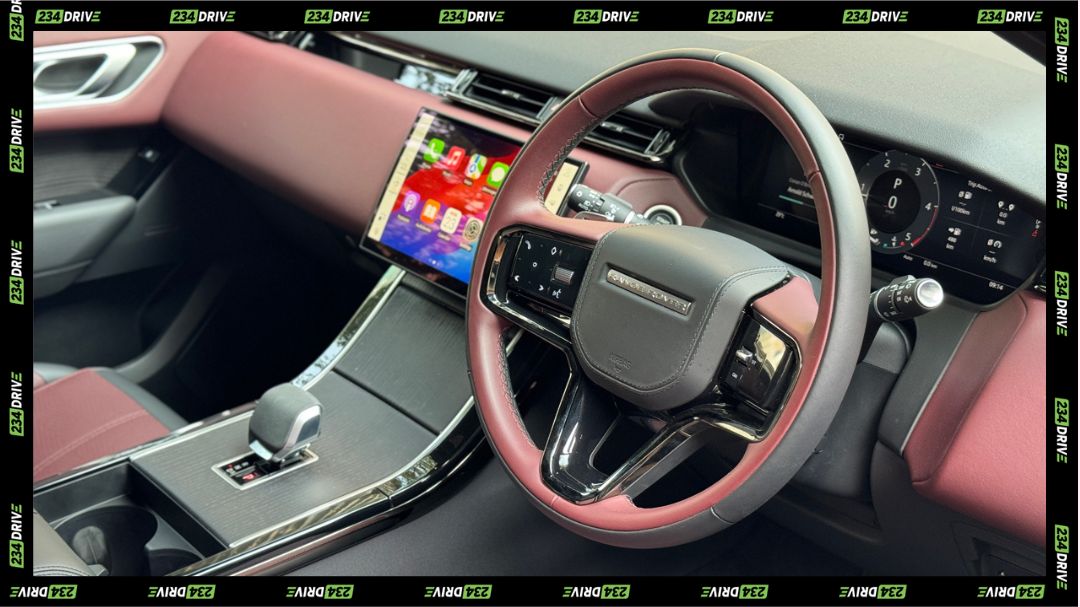
The pricing landscape for Range Rovers in Kenya reflects significant variation based on model year, specification, and condition. The Range Rover Vogue, positioned as the flagship offering, commands substantial premiums, with used 2014–2019 models ranging from KSh 5.85 million to KSh 13.5 million depending on mileage and specification. These variants typically feature luxury appointments including panoramic sunroofs, Meridian sound systems, and premium leather interiors, whilst higher-specification Autobiography editions add ventilated seating and enhanced trim materials. More recent 2020–2023 Vogue models, including hybrid P400e variants, command between KSh 15.5 million and KSh 32.4 million, with the 2023 Autobiography featuring a 4.4-litre V8 producing 334 BHP representing the upper end of this bracket.
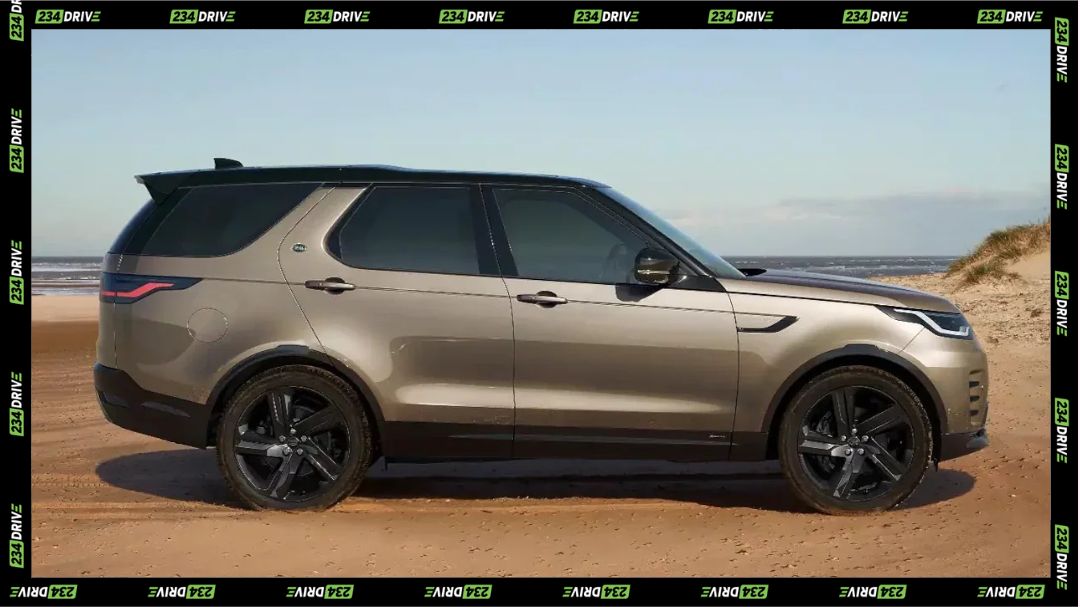
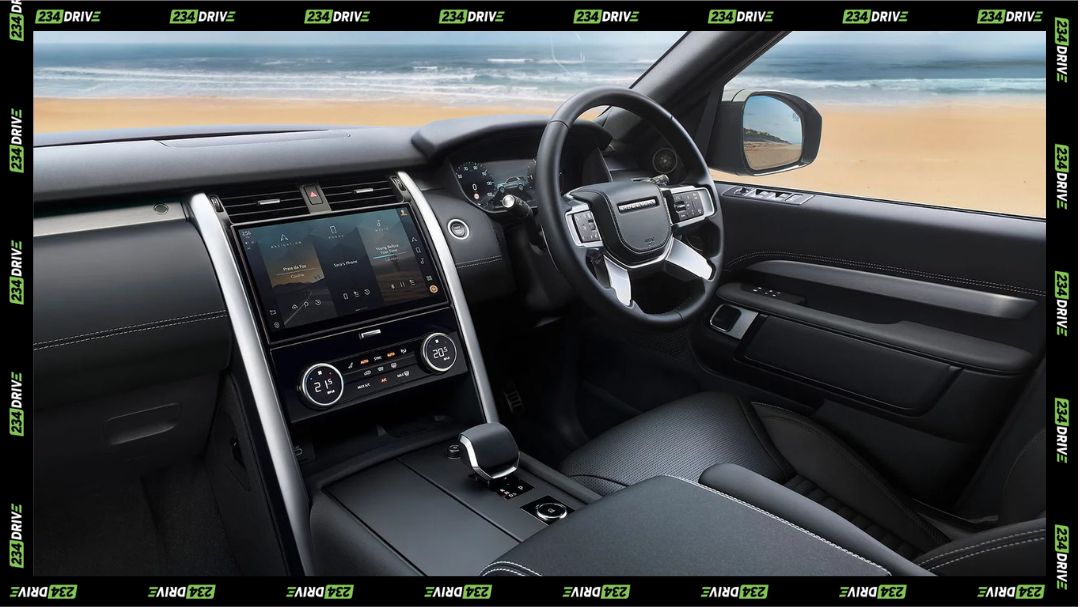
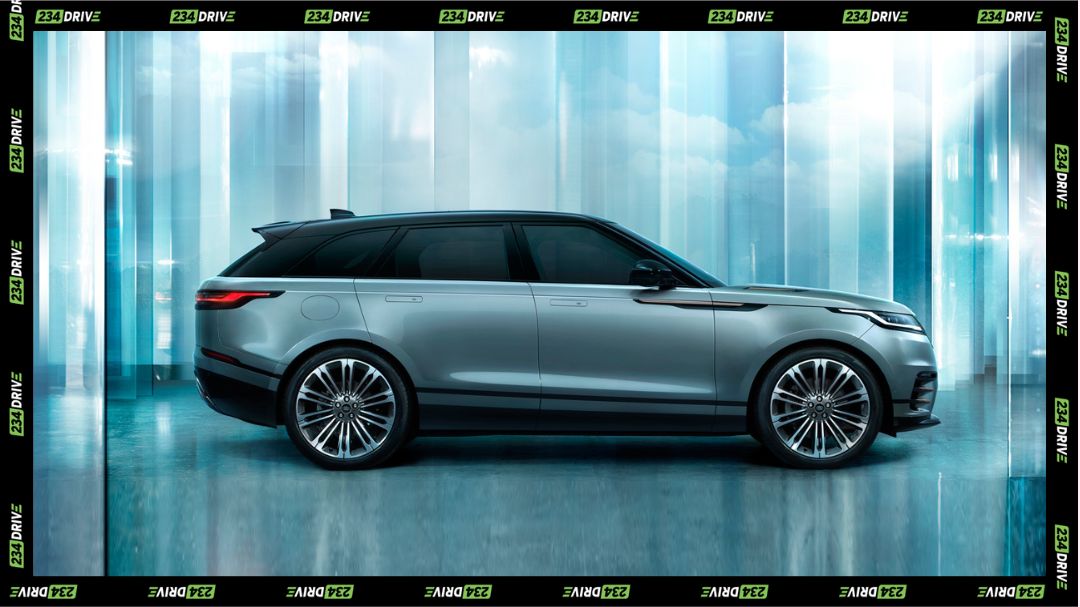
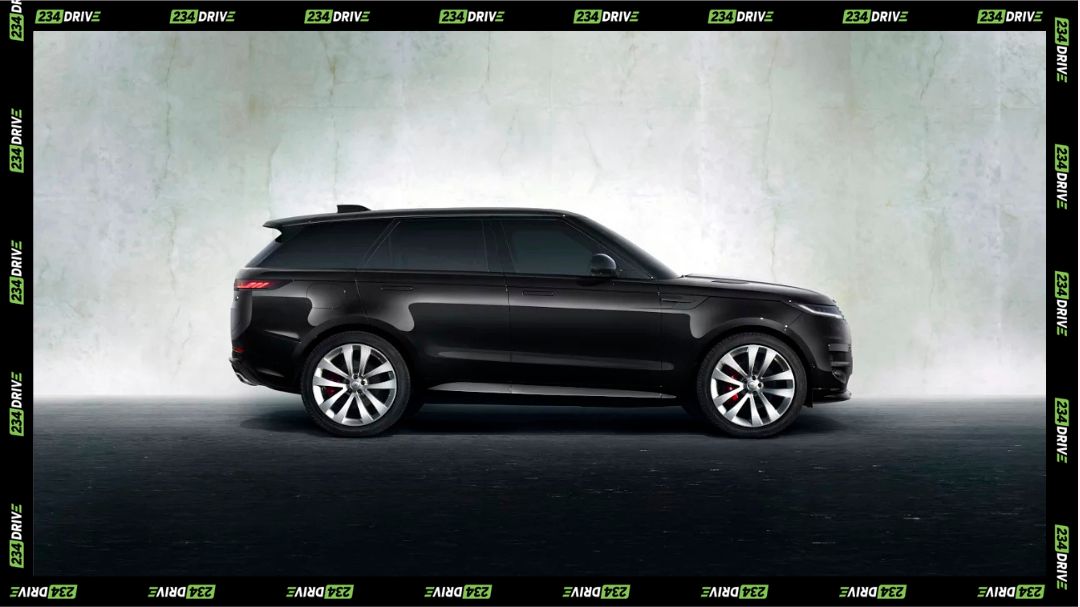
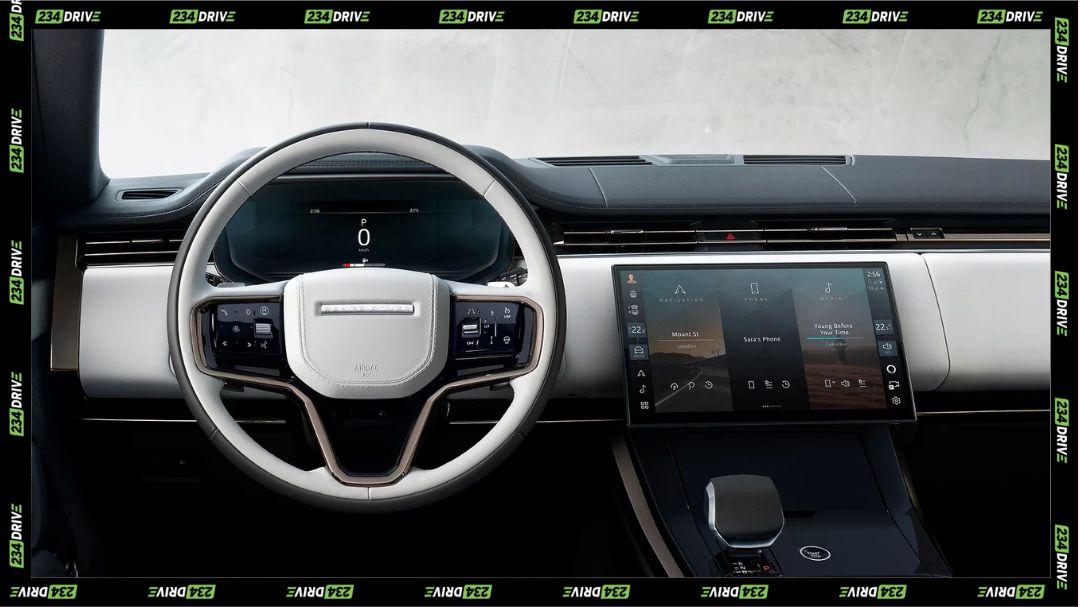
The Range Rover Sport appeals to performance-focused buyers, with used 2013–2019 examples priced between KSh 4.65 million and KSh 11.9 million. A 2013 HSE equipped with a 3.0-litre V6, all-wheel drive, and leather appointments sits at the lower end, whilst more recent diesel variants command premiums. Current-generation Sport models from 2020 onwards, particularly plug-in hybrid (PHEV) variants offering up to 118 kilometres of electric range and top speeds reaching 290 km/h on V8 SV versions, start from KSh 20 million. The Range Rover Velar occupies the sophisticated middle ground, with used 2017–2023 models spanning KSh 8.8 million to KSh 23.9 million, whilst new examples begin at KSh 23.9 million. Finally, the compact Evoque provides the most accessible entry point, with used 2014–2023 models ranging from KSh 3.3 million to KSh 18.7 million, including mild-hybrid (MHEV) variants achieving 12–14 km/L fuel efficiency.
Import Duties and Tax Implications
Kenya’s taxation framework significantly impacts Range Rover pricing, with the Kenya Revenue Authority imposing multiple levies on imported vehicles. The structure comprises a 25 per cent import duty calculated on customs value (CIF: cost, insurance, and freight), followed by excise duty ranging from 20 per cent for engines under 1,500cc to 35 per cent for engines exceeding 3,000cc, the latter applying to most Range Rover powertrains. Additional charges include 16 per cent VAT, a 3.5 per cent Import Declaration Fee, and a 2 per cent Railway Development Levy. For a vehicle with a KSh 10 million CIF value, these combined taxes can add between KSh 7 million and KSh 10 million, effectively increasing the total landed cost by 70–100 per cent.
Currency fluctuations and recent 2025 import restrictions, including age limitations on used vehicle imports, have further elevated costs whilst complicating the direct import process. Purchasing through authorised local dealers such as Inchcape Kenya circumvents some logistical challenges and provides warranty coverage, though typically includes dealer markups. Alternative routes, including direct imports through platforms like Auto Craft Japan, may offer savings of 10–20 per cent, though buyers assume responsibility for clearing, registration, and compliance verification, a process requiring careful navigation of KRA vehicle procedures.
Maintenance Costs and Reliability Considerations
Range Rover ownership in Kenya carries substantial ongoing expenses beyond the initial purchase. Basic servicing for diesel TDV8 models costs approximately KSh 53,950 plus VAT, covering oil changes, filter replacements, and diagnostic checks. More comprehensive maintenance, including suspension work, gearbox servicing, and engine repairs, can prove considerably more expensive, with documented cases including repair bills reaching KSh 1.6 million for major mechanical failures. Annual maintenance budgets realistically range between KSh 200,000 and KSh 400,000 when accounting for routine servicing, tyre replacements (costing KSh 28,000–80,000 per set), and unexpected repairs.
Reliability concerns represent a significant consideration, with Range Rover models historically experiencing issues with engines, gearboxes, and suspension systems. Parts availability in Nairobi proves adequate through authorised service centres, though rural areas face limitations, potentially extending repair timelines. Fuel efficiency varies considerably across the range: diesel mild-hybrid models like the Sport D300 achieve 11–13 km/L, whilst petrol V8 variants deliver 8–12 km/L. With Kenyan fuel prices hovering around KSh 200 per litre in late 2025, monthly fuel costs for 1,000 kilometres of driving range from KSh 15,000 to KSh 25,000, though plug-in hybrid models offering up to 118 kilometres of electric range provide meaningful reductions for urban commuters.
Suitability for Kenyan Roads and Driving Conditions
Range Rover models demonstrate particular aptitude for Kenya’s diverse road conditions, combining permanent all-wheel drive, Terrain Response systems, and substantial ground clearance. These attributes prove invaluable for navigating potholed urban streets, flood-prone areas during rainy seasons, and unpaved rural routes particularly for buyers venturing to upcountry regions or game reserves like Maasai Mara. Locally specified models typically handle Kenya’s fuel quality more reliably than grey imports, though all Range Rovers require premium fuel for optimal performance. The vehicles’ commanding road presence and high seating positions provide enhanced visibility in congested traffic, whilst sophisticated air suspension systems adapt to varying surface conditions.
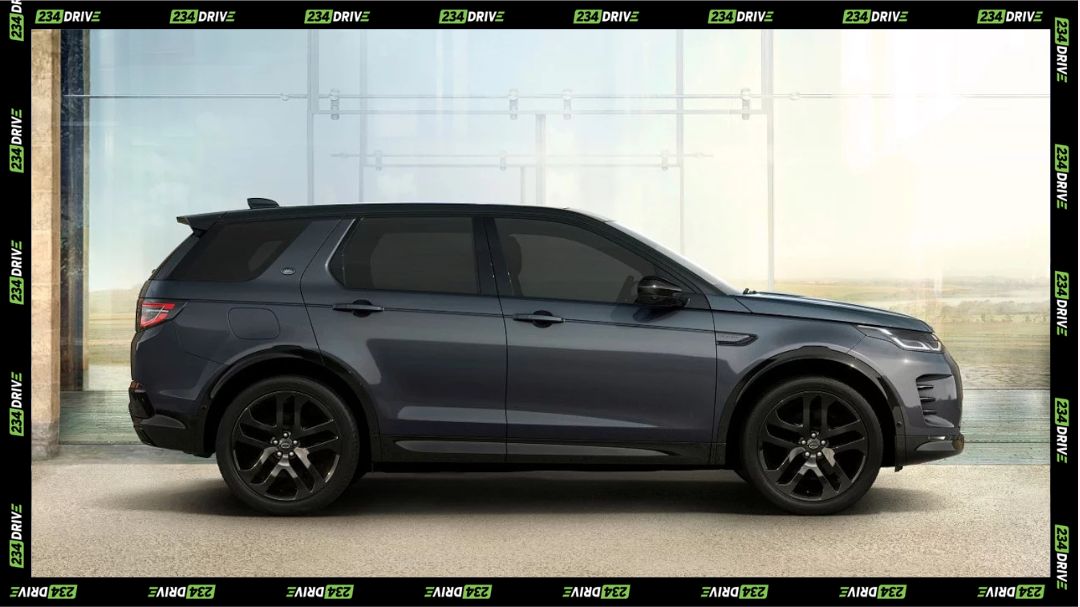
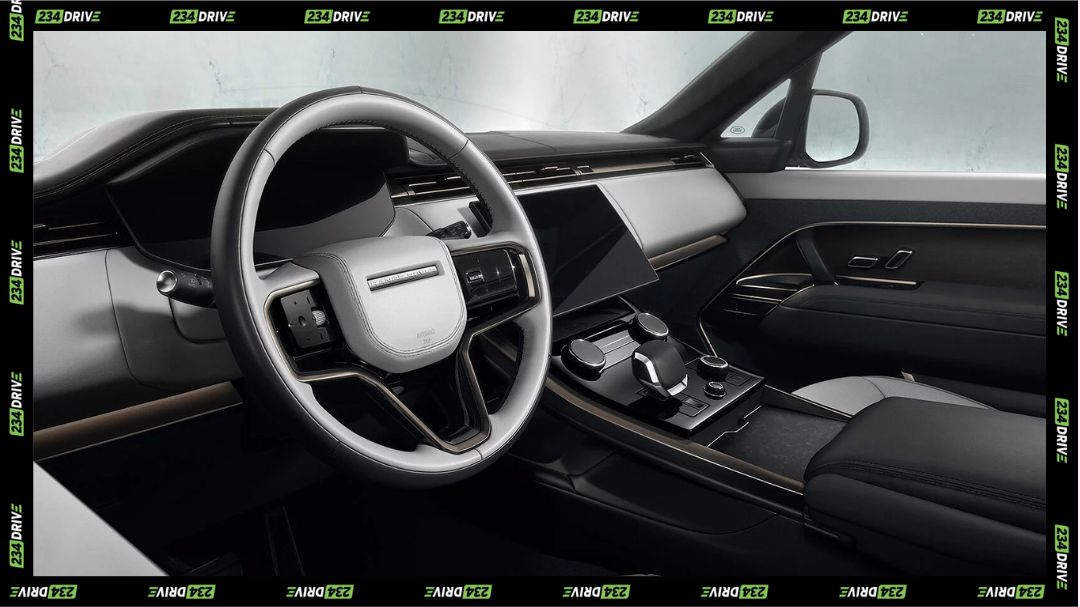
However, urban congestion in Nairobi and Mombasa amplifies fuel consumption and accelerates wear on brake systems and transmissions. The vehicles’ substantial dimensions can prove challenging in tight parking situations and narrow residential streets. Climate considerations prove largely favourable, with effective air conditioning systems managing Kenya’s heat, though dust ingress requires diligent maintenance of air filters and seals. The prestige factor remains significant, with Range Rover ownership conferring considerable social status amongst Kenya’s affluent demographic, making these vehicles common sights at exclusive venues, diplomatic compounds, and upmarket residential areas.
Competitive Positioning and Market Alternatives
Range Rover models compete against established luxury SUV rivals including the Mercedes-Benz GLE and GLS, BMW X5 and X7, and Lexus LX series. The Mercedes GLE offers comparable luxury with potentially superior reliability, whilst typically commanding similar pricing for equivalent specifications, a used 2019 GLE 400 might retail around KSh 8–10 million, positioned against similarly aged Range Rover Sport models. The BMW X5 provides sharper handling dynamics and lower maintenance costs, though lacks Range Rover’s off-road capability, with pricing overlapping substantially in the KSh 6–15 million range for 2015–2020 models. The Lexus LX, particularly popular in Kenya for its renowned reliability, often commands premium pricing, a 2018 LX 570 might exceed KSh 15 million but delivers superior dependability and lower long-term costs.
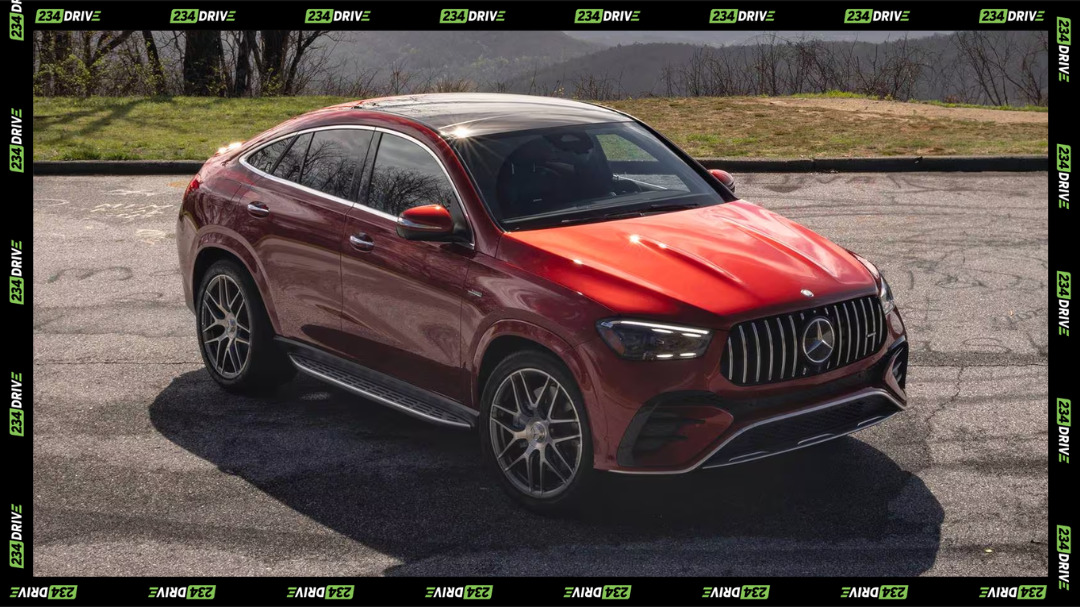
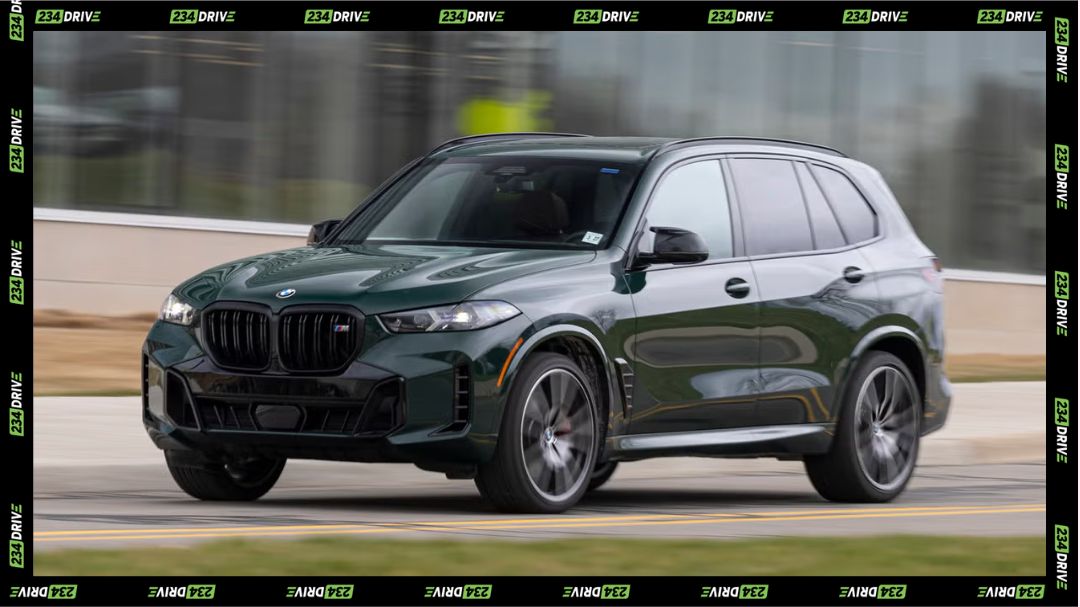
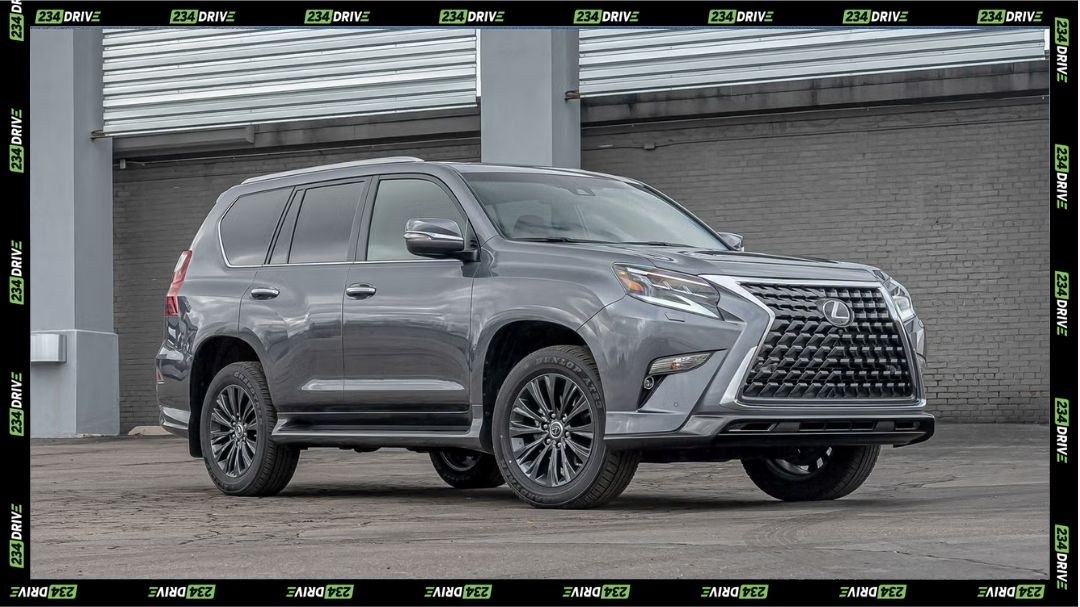
Resale values for Range Rovers in Kenya prove somewhat volatile, with depreciation accelerating after five years as warranty coverage expires and maintenance costs escalate. However, well-maintained examples with full service history retain reasonable value, particularly flagship Vogue and current-generation Sport models. When evaluating Range Rover prices against competitors, the brand’s prestige ensures consistent demand amongst affluent buyers, though potential purchasers must weigh this against documented reliability concerns and higher maintenance expenses compared to Japanese competitors. Durability remains a consideration, with Range Rovers requiring more frequent attention than Lexus or Toyota alternatives, though the driving experience, luxury appointments, and social cachet continue attracting buyers willing to accept these trade-offs. For comprehensive guidance onLand Rover models available locally, buyers should research thoroughly before committing to purchase.
Conclusion
Range Rover ownership in Kenya represents a compelling blend of luxury, capability, and prestige, though demands realistic assessment of financial commitments and practical considerations. With pricing spanning from sub-KSh 1 million for older examples to over KSh 45 million for flagship variants, the market accommodates diverse budgets whilst maintaining the brand’s aspirational appeal. Import duties substantially inflate costs, maintenance expenses prove considerable, and reliability concerns require acknowledgement, yet the vehicles’ suitability for Kenyan terrain, commanding presence, and advanced technology continue attracting discerning buyers.
For those prepared to embrace the full ownership experience including comprehensive maintenance budgets and fuel costs Range Rover models deliver unmatched luxury and capability in the Kenyan context. What are your thoughts on Range Rover ownership in Kenya? Share your experiences or questions in the comments below.