
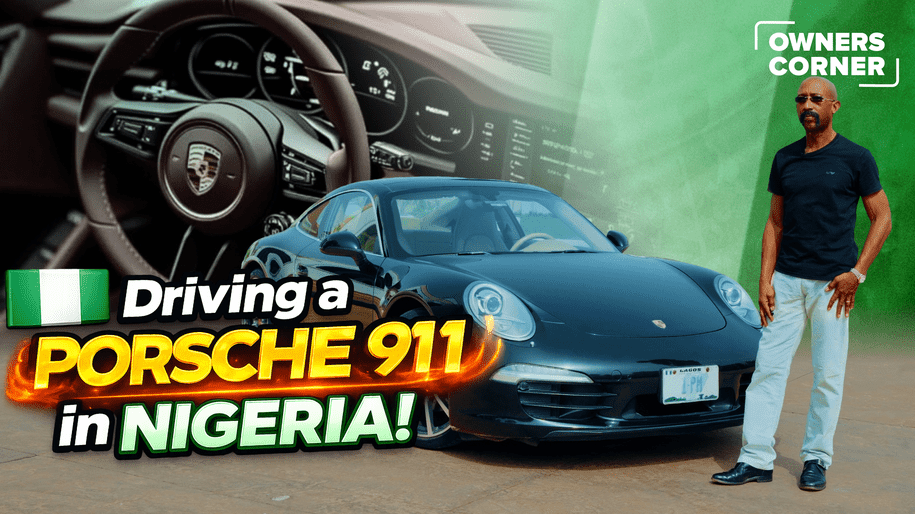
Lagos, with its questionable roads and erratic drivers, might not seem like the place for a beastly Porsche—or any sports car for that matter. Yet, executive investment banker Patrick Mgbewenlu begs to differ. With over a decade’s experience in Porsche-Lagos-driving, he just might be right.
Welcome back to Owner’s Corner, where we unpack what it truly means to live with a car in Nigeria.
The Upgrade That Changed Everything
Patrick’s Porsche journey didn’t start with the 911. His first was a Cayman, the entry-level Porsche that most people use to dip their toes into the brand. But it didn’t take long for him to realise he wanted more—not because the Cayman was bad, but because driving it on Lagos streets made him crave exclusivity.
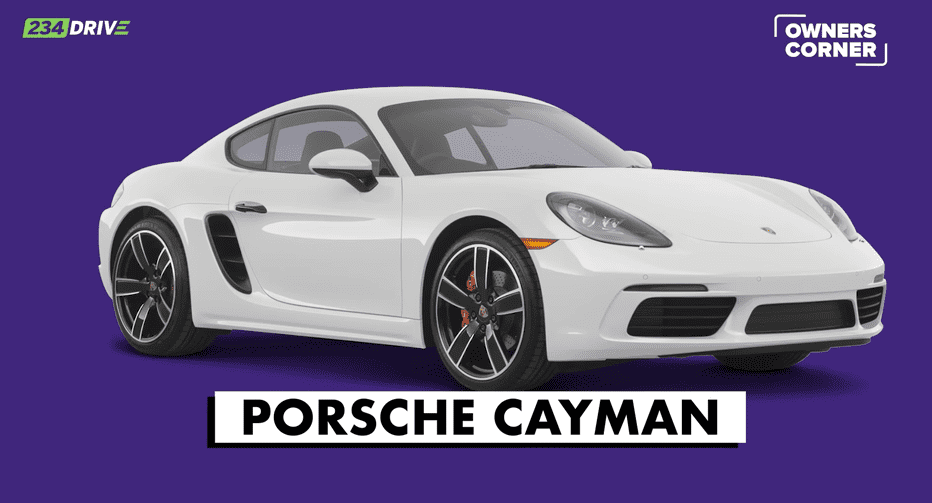
Patrick used to drive a Porsche Cayman
‘The minute I started carrying out on the street, I said, right, I’m dropping the Cayman for the 911,’ Patrick recalls. It wasn’t about performance alone. The 911 offered something the Cayman couldn’t: rarity.
When Porsche VI sent him a video of the car on his birthday—black on black, matching his wardrobe—he didn’t hesitate. He was in Abuja at the time. He called the dealership immediately and locked it down. That impulse purchase turned out to be one of the smartest decisions he’s made. Complete with a punny plate number with his initials, Partick’s 911 is truly a representation of him.
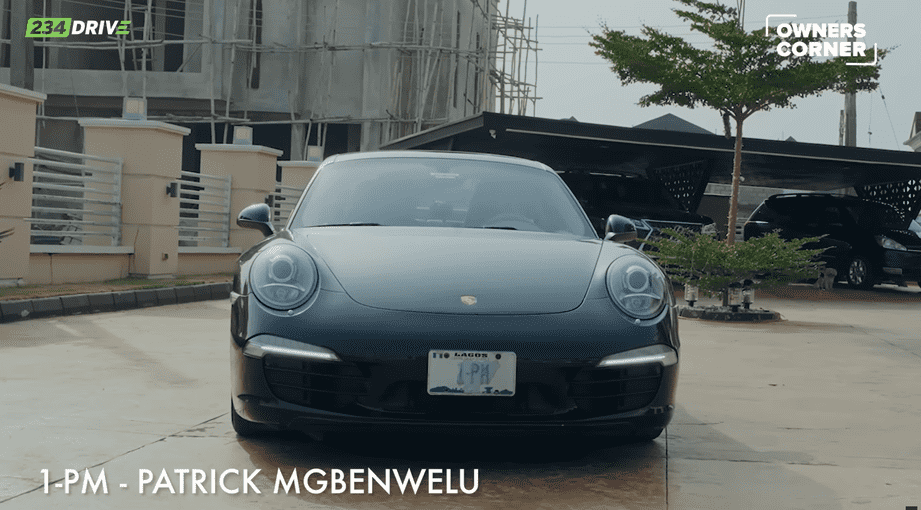
Patrick’s Porsche 911
Why the 911 Works on Nigerian Roads
Contrary to popular opinion, the Porsche 911 is practical in many of the ways that matter on Nigerian roads. Sure, there’s barely any trunk space and the back seats are more decorative than functional, but some other features just… make sense.
The engine sits at the back, giving the car exceptional balance and traction. Most of the weight is over the rear wheels, which means it handles potholes and speed bumps better than you’d expect. Patrick hasn’t changed his shocks since 2016. As for his brake pads and wheels, he’s changed them only once, and for the latter, it was because he was craving an upgrade.
Then there’s the matter of Nigerian roads themselves. Patrick has a strategy. When he really wants to open up the engine, he takes on larger roads like the Lagos-Shagamu Expressway—a beautiful, six-lane highway where the 911 can actually breathe. ‘That’s a beautiful ride for any sports car,’ he says. ‘No bumps, almost six lanes all the way.
The Hidden Costs—And Why They’re Worth It
Let’s be clear: owning a Porsche 911 in Nigeria isn’t cheap. But it’s also not as expensive as people think—if you know what you’re doing.
Patrick’s last full service cost about ₦1.4 million. A single wheel cost about ₦450,000 in 2019, which would be closer to ₦1.5-2 million today. But those costs are spread out over years, not months. Patrick changes his oil maybe once every two years. His wheels last three to four years. The car doesn’t break down constantly because he’s meticulous about where he drives it and how he maintains it.
The biggest hack, though, is fuel discipline. Patrick only buys petrol from Mobil. Not because he’s brand-loyal, but because Porsche specifically recommended it to him when he bought the Cayman. The advice stuck. Clean fuel means fewer engine problems. Fewer engine problems mean lower long-term costs.
‘I’ve not had any problems with the fuel at all,’ he says. ‘So I only stick to Mobil.’
Before petrol prices went up, filling the tank cost about ₦16,000. Now it’s closer to ₦65-70,000. But because Patrick drives the car mainly on weekends, a full tank lasts him about two months. Even when he was using it three times a week for trips from his home to VI and back, it lasted about three weeks. For a car with this much power, that’s remarkably efficient.
The Art of Driving a Sports Car in Lagos
Here’s where things get tactical. Patrick has learned, through experience, how to navigate Lagos without getting his car scratched, surrounded, or stuck in traffic.
Rule one: Don’t argue with anyone. ‘If someone wants to get into your lane, let them,’ he says. ‘Otherwise you’re going to get your car scratched.’
Rule two: Never park at traffic lights. ‘You get surrounded by people who are knocking on your window, and you just feel a bit exposed.’ Instead, Patrick slows down before reaching the light and parks near a bus stop. When the light changes, he moves.
Rule three: Speed bumps demand respect. ‘I’m dead slow,’ he admits. ‘I have not changed my shocks since I bought it.’
And then there’s the police. Patrick hasn’t had many issues. They rarely stop him. When they do, it’s usually just to exchange pleasantries. Except for one time when he forgot his license at home. That mistake cost him ₦30,000, which he paid no questions asked.
Misconceptions About Porsche Ownership in Nigeria
Ask most people about owning a Porsche in Nigeria and they’ll tell you it’s impossible to maintain. Patrick disagrees.
‘I think that’s wrong,’ he says firmly. ‘I have friends who have 911s. There’s a guy in Lagos who actually dropped the engine of my friend’s Porsche, took it out, and put it back. The car’s still running.’
The reality is that there are talented Nigerian mechanics who understand these cars. They may not have the official Porsche training or the specialised machines, but they know what they’re doing. Porsche used to have a dealer in VI. That dealer is gone now, but many of the people who worked there still service cars around Lagos.
‘It’s not as complicated as it sounds,’ Patrick insists.
What’s Next?
Patrick is already thinking about his next 911. When he gets it, he’s keeping this one. He’s become a collector, not out of vanity, but because the car has earned its place.
‘I’m not going to get rid of it,’ he says. ‘I’ll keep it.’
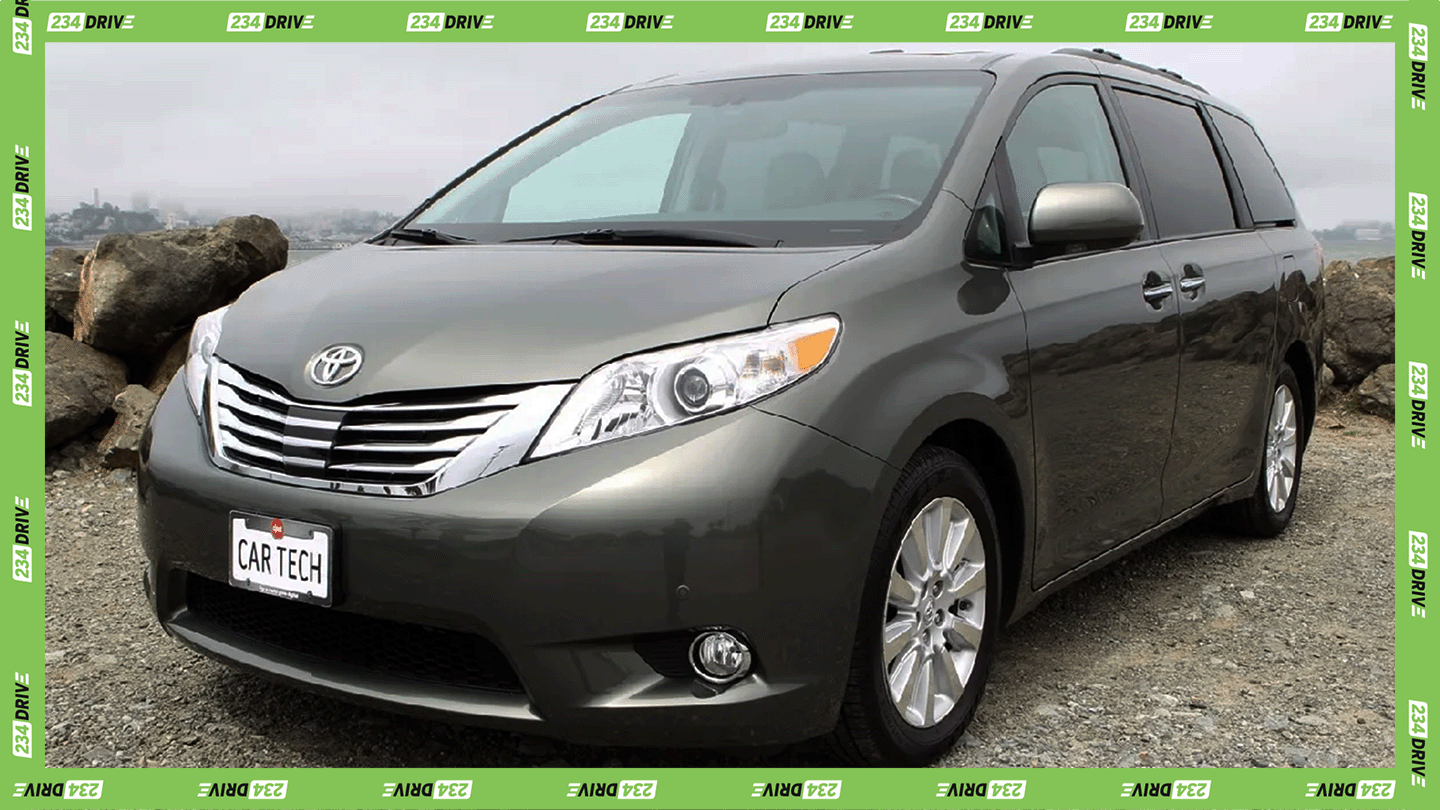
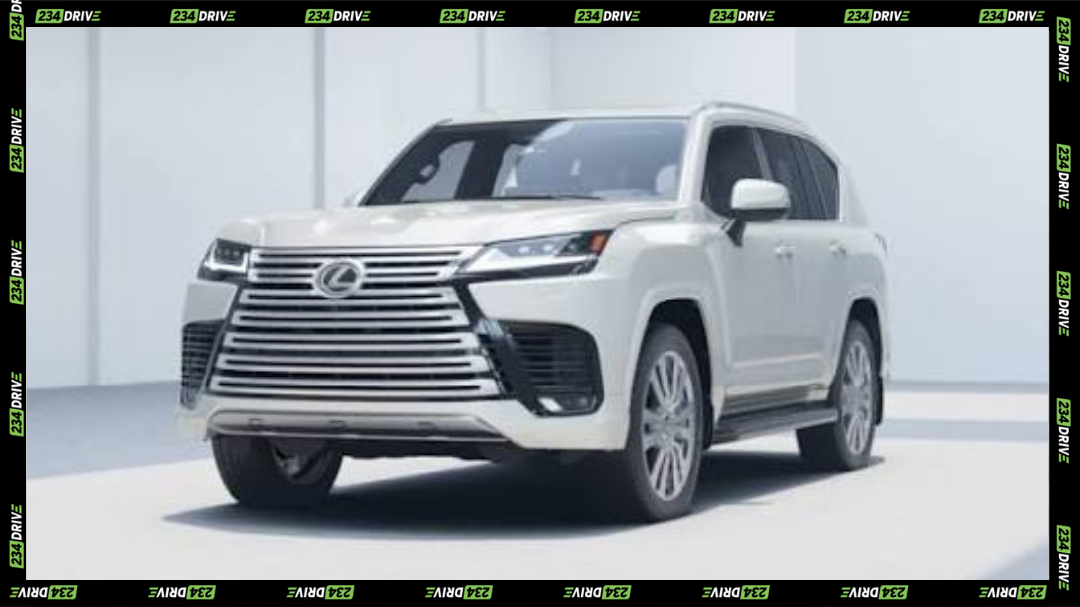
As for what he’d recommend to someone buying their first car in Nigeria? Start with a Toyota Corolla. Move to a Lexus coupe when you can afford it. Then maybe a BMW. And if you’re ready for a sports car—and you have the discipline, the mechanic, and the budget—the 911 is waiting.
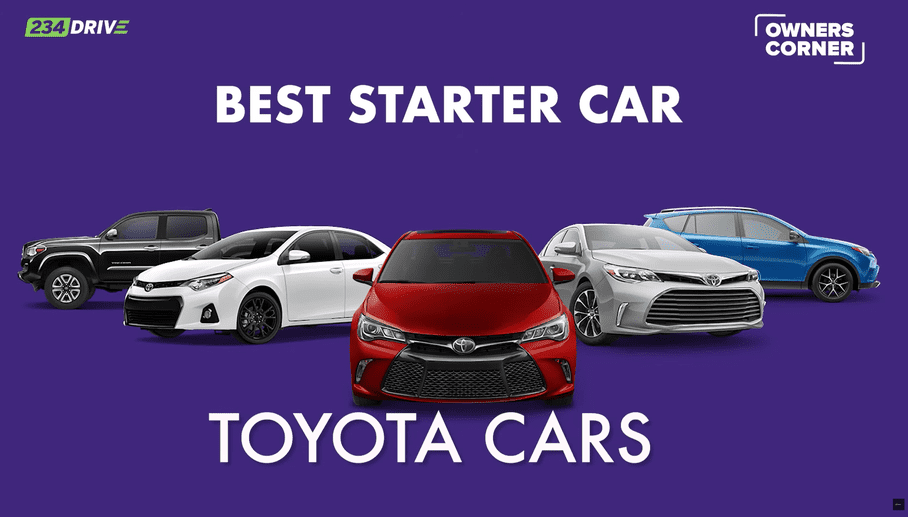
Best starter cars for Nigerian drivers
But only if you’re ready.
‘This car is not for everyone,’ Patrick admits. ‘But if you know what you’re doing, it’s the best supercar for Nigerian roads.’
Catch the full story here.