
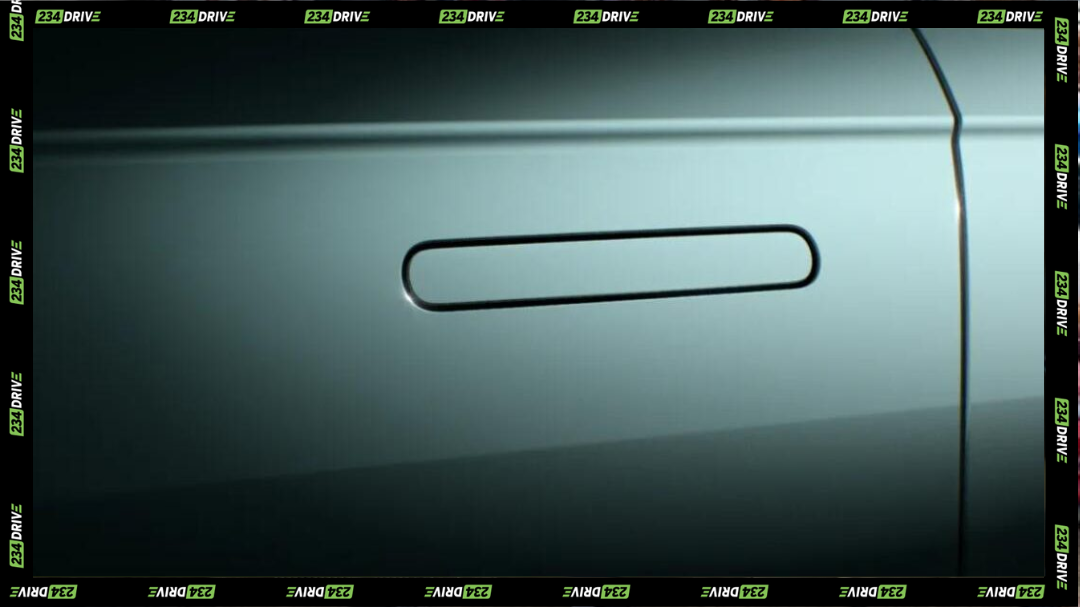
Flush electric door handle sits seamlessly against the body, prioritizing clean design over visible mechanical access. | Source: iqautodubai
China plans to ban electric, retractable car door handles from 2027, after crashes where people could not escape or be rescued when vehicles lost power. Automakers will be required to install mechanical door releases that work even in severe accidents.
What Pushed China to Act
The decision follows growing safety concerns around door handles that rely entirely on electronics. In multiple crashes, doors failed to open after impact, slowing rescue efforts and trapping passengers inside.
Public attention spiked after a fatal crash in Chengdu in October 2024. Witnesses said they were unable to open the car’s doors to help those inside. All occupants died at the scene. A second crash in Tongling killed three people under similar conditions.
Chinese media reports linked both incidents to the Xiaomi SU7 Ultra. Industry sources said the vehicle did not have a mechanical exterior door handle. Its interior release was hidden and depended on electrical power. When the power system failed during the crash, the doors remained locked.
Even after rescuers broke the windows, they reportedly struggled to find or activate the internal release quickly. That detail became a major focus of criticism and triggered broader questions about whether sleek, flush door designs were compromising basic safety.
In response, China’s Ministry of Industry and Information Technology included new door-handle rules in a draft automotive safety regulation released in mid-December. The rules apply to passenger vehicles under 3.5 tons.
Under the proposal, every car must have interior and exterior door handles with mechanical emergency release functions. These releases must work even if the car loses power or suffers serious crash damage. Regulators are also setting standards for handle placement, required force, and clear markings so people — including first responders — can operate doors quickly without confusion.
The move has received strong public support in China. Many drivers say convenience and styling should not come at the cost of being unable to escape a wrecked vehicle. Complaints about retractable handles have already been rising, especially in cold weather where handles fail to extend, and in cases involving finger injuries.
What This Means for Tesla
Tesla helped popularize electronic and flush door handles, particularly on the Model 3 and Model Y, so the Chinese rule directly affects its design choices.
One option for Tesla is to add clearly visible mechanical backup handles—inside and outside —while keeping electronic operation for normal driving. This keeps the familiar look but guarantees a reliable escape method if power fails.
Another option is to redesign the system so doors default to mechanical operation during power loss, allowing them to open with a simple pull instead of hidden or electronic releases.
Both approaches add cost, but China is too important a market to ignore. If Tesla updates its designs for China, those changes may spread to its global models—signaling a huge shift away from style-first door engineering toward basic, fail-safe access.