
The luxury electric sedan that sparked a global transport revolution has been handed its final marching orders as the world’s most famous carmaker completes its transformation into an artificial intelligence powerhouse.
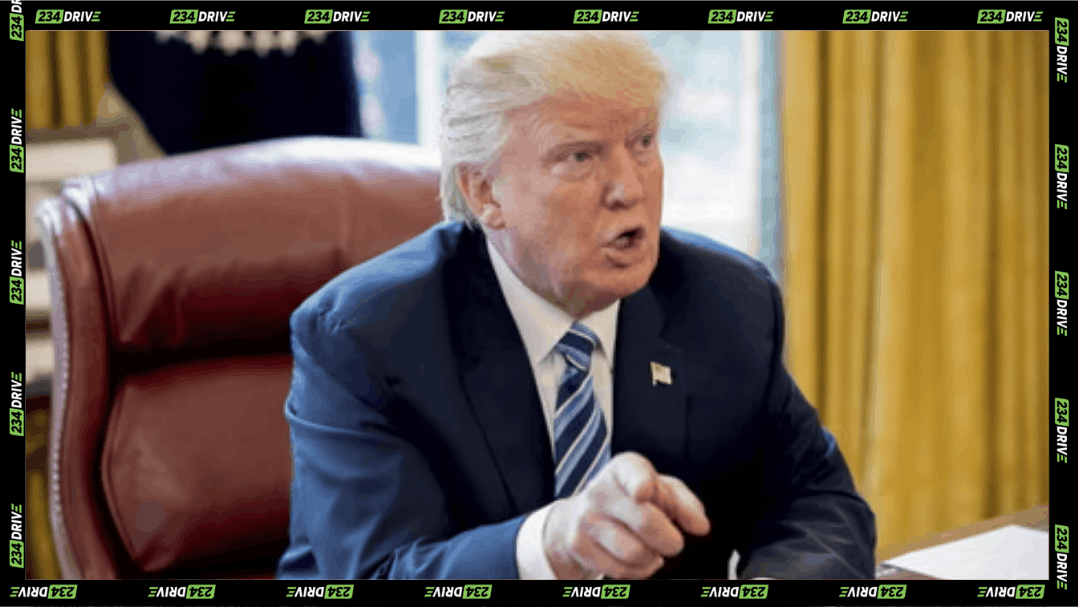
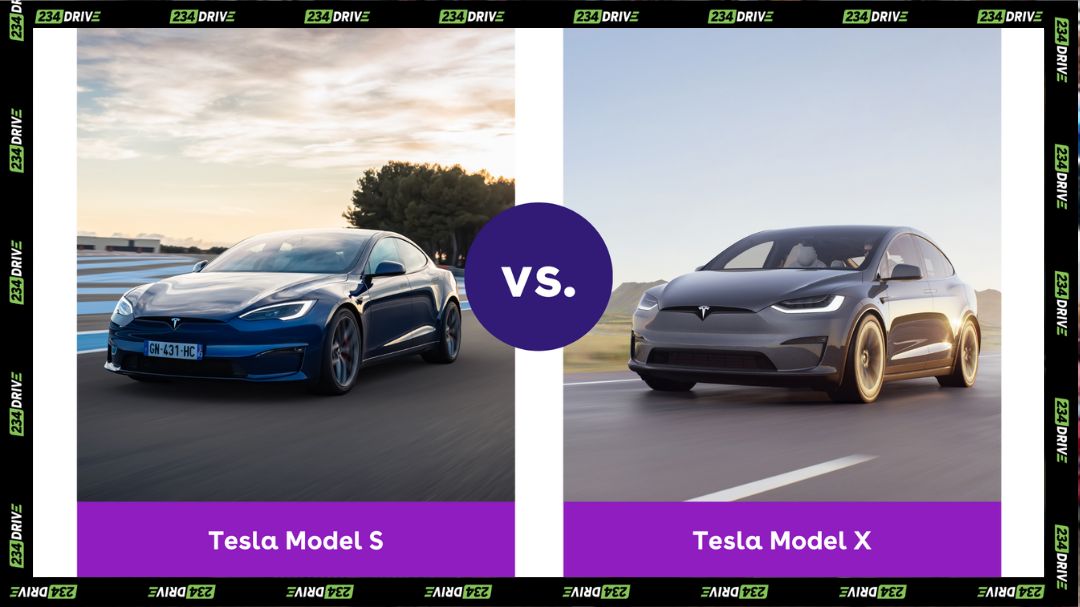
In a move that has stunned the automotive establishment but delighted tech visionaries, Tesla has confirmed that it will officially be ending production of its flagship Model S sedan and Model X SUV by the end of the second quarter of 2026. The announcement, delivered by CEO Elon Musk during a high-stakes Q4 2025 earnings call on 28 January 2026, marks the conclusion of a fourteen-year chapter for the vehicles that first proved electric cars could be both desirable and high-performance. Musk described the decision as an ‘honourable discharge’ for the legacy models, which now account for a mere 3 per cent of the company’s total sales volume.
The space at the historic Fremont factory in California, currently occupied by the Model S and X assembly lines, will be rapidly repurposed for the mass production of the Optimus humanoid robot. This isn’t a small-scale pilot project; Tesla aims to manufacture one million robots annually at the site. The upcoming Optimus Gen 3, slated for unveiling in the next few months, is expected to handle everything from factory labour to domestic assistance. To support this massive hardware shift, Tesla is committing over $20 billion in capital expenditure for 2026, focusing heavily on AI training clusters and the data centres required to power the ‘brains’ of these autonomous units.
The division of labour in this new corporate structure is crystal clear: the Fremont facility becomes the heart of robotics manufacturing, the Texas Gigafactory continues to pump out mass-market vehicles like the Model Y and Cybertruck, and the company’s Dojo supercomputer acts as the central intelligence hub. This shift towards mass-market volume is already yielding results globally, as seen with the Cybertruck in Kenya, marking a significant expansion into the African market. By making room for robots on the factory floor, Tesla is betting that the labour market for humanoid assistants will eventually dwarf the global market for premium passenger cars.
This move signals a fundamental business shift away from being a traditional car manufacturer. For years, Musk has insisted that his firm is a tech company rather than a simple automaker, and the 2026 roadmap finally makes that a physical reality. The strategy is built on the belief that autonomy—whether in the form of a car or a robot—is the ultimate value driver. This is evidenced by the fact that Tesla’s FSD software is currently undergoing rigorous testing across Europe to prepare for a wider autonomous rollout. By exiting the low-volume premium car segment, Tesla can focus entirely on its ‘Cybercab’ robotaxi initiative and the deployment of Optimus, moving toward a ‘Tesla-as-a-Service’ model.
When compared to the global automotive market, Tesla’s pivot is unprecedented. While legacy manufacturers in Europe and Japan are doubling down on luxury EV interiors and traditional driving dynamics, Musk is essentially walking away from the very segment that established his brand’s prestige. While competitors are engaged in a brutal price war over mid-range electric hatchbacks in China, Tesla is solidifying its dominance in North America; the company is currently poised for leadership in the Canadian market following significant tariff adjustments.
The execution details for this transition are remarkably aggressive. Tesla plans to begin initial Optimus production runs of 50,000 units within the next year, scaling at a pace that mirrors the early growth of the Model 3. However, the transition comes at a delicate financial moment. The company reported its first annual revenue decline in 2025, a sobering reminder that the core automotive business is facing stiff headwinds. This is particularly visible in the fierce Rivian vs Tesla rivalry, where newcomers are challenging the Model Y’s supremacy in the compact SUV segment.
Tesla’s track record of defying the odds is well-documented—the Model S itself was once considered an impossible dream by many on Wall Street. Since its 2012 launch, it has served as a ‘Fabergé egg‘ of automotive design, proving that EVs could out-accelerate supercars while offering the utility of a family car. However, the financial reality of 2026 suggests that the ‘heart and soul’ once poured into these cars is now being directed into the silicon and actuators of the Optimus program.
Ultimately, the decision to kill these models signifies a transition from the ‘early adopter’ phase of the electric revolution to the dawn of the autonomous age. As the final Model S rolls off the line in Fremont later this year, it will be replaced not by a newer car, but by a machine designed to replace human labour itself.