

Connecting the political pulse of Nigeria with its historic northern commercial powerhouse, the flight route from Abuja (ABV) to Kano (KAN) is a vital artery for domestic travel. Spanning approximately 228 miles (367 km), this short-haul hop takes travellers from the modern architecture of the Federal Capital Territory to the ancient walls and bustling markets of Kano in just under an hour.
As we navigate the aviation landscape of 2026, air travel remains the most efficient way to bridge this gap, saving travellers from an arduous 7-to-8-hour road journey. However, the route comes with its own set of unique dynamics, from specific tax structures to the frequent influence of “VIP movements” in the capital. This comprehensive guide covers everything you need to know about booking, costs and logistics for a seamless trip.
Linking Power and Trade
Abuja and Kano represent the twin pillars of governance and commerce in Northern Nigeria. While Abuja houses the seat of power, Kano remains the most significant commercial centre in the north, famous for its textile industry, grain markets, and deep historical roots.
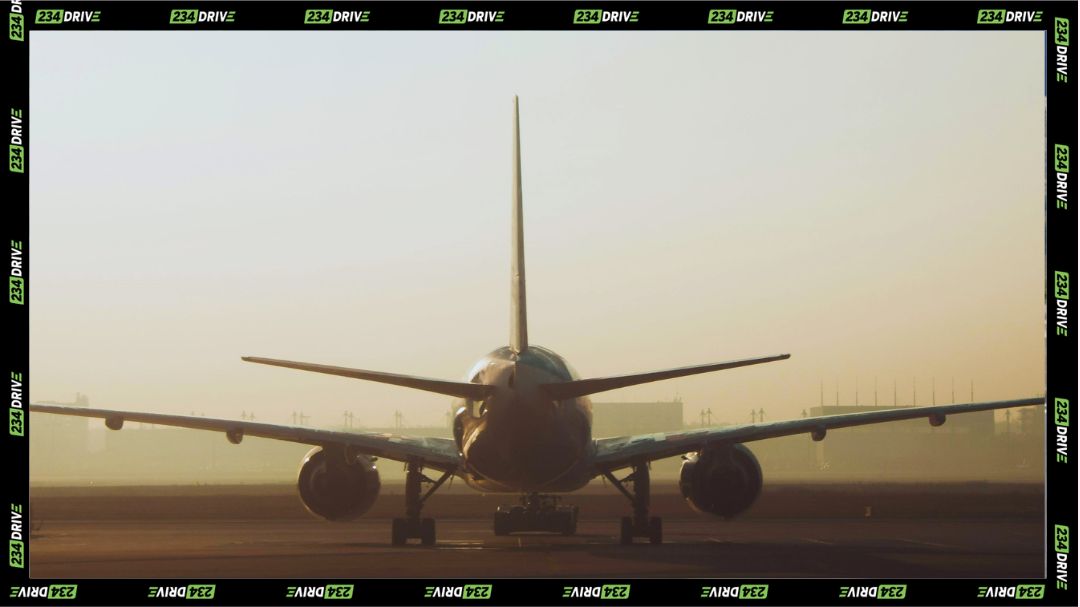
For business professionals, government officials and families, the Abuja-Kano flight is often an economic necessity. Interestingly, recent traveller reports suggest that northern routes like this one are often priced more competitively than routes of similar distances to the South-East, making it a relatively affordable option for frequent flyers despite the general rise in aviation costs.
Finding the Best Carrier for Your Schedule
There are approximately six direct flights per day on average, providing a total of around 41 weekly options. Here is a breakdown of the leading operators in 2026:
1. Air Peace
As a national giant, Air Peace operates daily flights using their Boeing 737-800 fleet. They offer both business and economy classes, though travellers should be aware that this route is occasionally prone to operational delays. If you value a larger aircraft and the option of premium seating, they remain a top contender.
2. Rano Air
Rano Air has become a powerhouse in Northern Nigeria, specifically catering to the needs of travellers in this region. With 1–2 daily flights using Embraer ERJ145 aircraft, they are highly reliable for early morning departures and are often praised for their consistent scheduling.
3. United Nigeria Airlines
A newer entrant that has rapidly expanded its footprint, United Nigeria Airlines provides daily connectivity. As a low-cost carrier, they are noted for their budget-friendly rates and frequent promotional campaigns, often serving as the “entry-level” price point for this route.
4. ValueJet and Nesma Airlines
ValueJet offers consistent daily service with their CRJ-1000 jets, known for a modern, all-economy layout. Nesma Airlines also provides daily reliability using Embraer 170 aircraft, maintaining a strong presence on this route for those who prioritise daily availability.
| Airline | Frequency | Typical Duration | Aircraft Type | Notes |
| Rano Air | 1–2 Daily | 1h 00m | Embraer RJ145 | Most reliable for early starts. |
| Air Peace | 1 Daily | 1h 00m | Boeing 737-800 | Includes Business Class options. |
| ValueJet | 1 Daily | 1h 00m | CRJ-1000 | Modern, all-economy fleet. |
| United Nigeria | 1 Daily | 1h 00m | Embraer RJ145 | Often the most budget-friendly. |
| Nesma Airlines | 1 Daily | 1h 00m | Embraer 170 | High daily consistency. |
Counting the Cost
In 2026, flight pricing is influenced heavily by economic factors like the USD/NGN exchange rate and aviation fuel costs. One-way fares typically start between ₦88,000–₦98,000 (approximately $65 and $72 ).
The Burden of Taxes
A unique and often frustrating aspect of Nigerian aviation is the tax structure. It is estimated that up to 18 different taxes are applied per ticket, meaning that as much as 70% of your total fare could be allocated to government levies rather than the airline’s operational costs. This explains why prices have risen significantly from the ₦30,000–₦90,000 range seen just a few years ago.
- Round-Trip Economy: Usually ranges between ₦ 168,000 and ₦190,000 ($125 and $141)
- Business Class: Expect to pay a premium of ₦404,000 ($300+) over the economy rate.
- Best Month to Fly: February and January are historically the cheapest months, while November sees price spikes due to holiday demand.
Pro Booking Strategies: How to Save
To ensure you aren’t paying more than necessary, use these digital tools to your advantage:
- Compare Every Slot: Before settling on a specific airline, compare on Skyscanner to view all daily slots. Because different airlines use different sized aircraft, prices can vary wildly between morning and evening flights.
- Monitor the Deals: If you are searching for cheap flights through Google or other search engines, look for price alerts. Fares fluctuate daily based on the Naira’s strength against the Dollar.
- Advance Booking: While some domestic routes allow for last-minute deals, the Abuja-Kano route is often filled by government and business travellers. Booking at least 2–4 weeks in advance is the safest way to avoid the steep “surge pricing” that occurs 48 hours before departure.
Logistics: Navigating the Airports
Departing from Abuja (ABV)
Nnamdi Azikiwe International Airport is located in the Lugbe district, about 20 km from the city center.
- Terminal Alert: Most domestic flights depart from Terminals B, D, or E.
- VIP Movements: Because Abuja is the capital, the airport occasionally closes for “VIP movements” (high-ranking government arrivals). This can cause sudden 30-to-60-minute delays, so always keep a buffer in your schedule.
Arriving in Kano (KAN)
Mallam Aminu Kano International Airport (KAN) is a key northern gateway.
- Timing: Arrive 2 hours early. While the airport is efficient, security and manual baggage checks can sometimes take longer than expected.
- Ground Transport: When you land, you can find taxis and ride-hailing services. If you are booking on Expedia or similar platforms, check if they offer car rental add-ons, which are increasingly popular for business travellers in the north.
Practical Travel Tips for the North
- Weather Patterns: If you are travelling during the dry season (February is ideal), be aware of the “Harmattan” dust haze. This can occasionally reduce visibility and lead to flight delays or cancellations.
- Identification: Nigerian citizens must have a valid National ID or Passport. No visa is required, but security checkpoints are strict.
- Safety & Scams: Avoid unsolicited help with your luggage at the arrival halls in both airports to prevent overcharges or scams. Stick to official airport porters or handle your bags personally.
Conclusion
Flying from Abuja to Kano is the fastest and most reliable way to travel between Nigeria’s political and commercial centers. With average flight times of just 1 hour and a wide variety of carriers like Air Peace, Rano Air, and United Nigeria, you have plenty of options to fit your budget. By booking in advance and staying aware of potential VIP-related delays, you can ensure a quick and efficient journey to the heart of the North.