
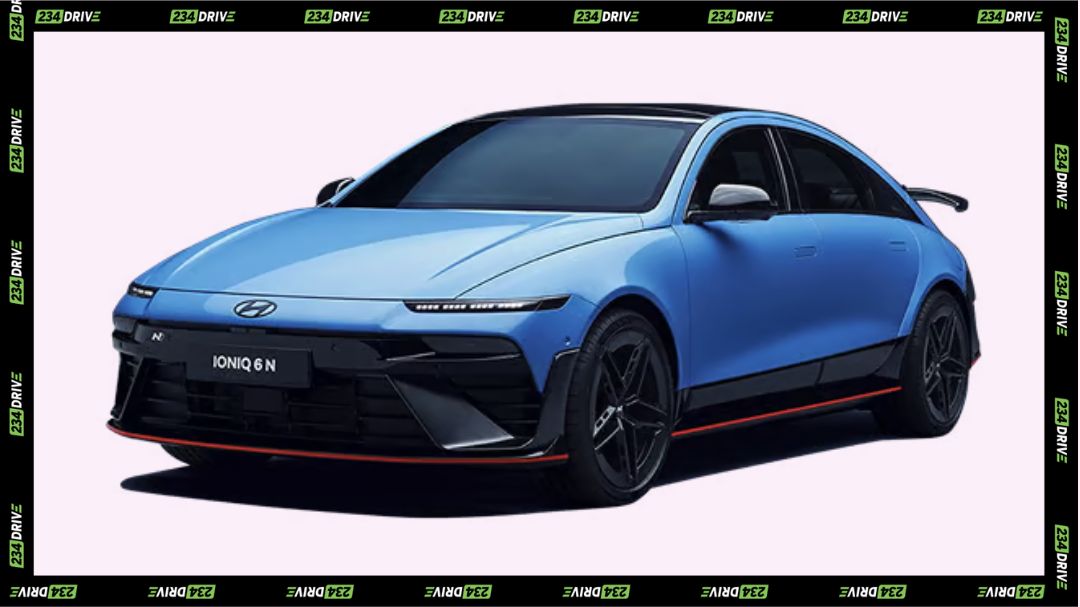
The landscape of the American electric vehicle market is witnessing the quiet departure of one of its most distinctive silhouettes. Hyundai has officially confirmed that it will discontinue the standard versions of the Ioniq 6 electric sedan in the United States for the 2026 model year. Once heralded as a sleek, aerodynamic challenger to the Tesla Model 3, the “streamliner” sedan has fallen victim to a perfect storm of declining sales, aggressive new import tariffs and an unwavering consumer preference for larger crossovers and SUVs.
A Steep Decline in Sales Performance
The Ioniq 6 entered the U.S. market in 2023 with significant momentum, lauded for its 800-volt fast-charging architecture and a drag coefficient that promised exceptional highway efficiency. However, the initial enthusiasm failed to translate into sustained market volume. In 2025, Hyundai sold just 10,478 units of the Ioniq 6—a 15 per cent drop from the previous year. To put this in perspective, its crossover sibling, the Ioniq 5, found over 47,000 buyers in the same period, according to official sales reports, growing by 6 per cent despite a cooling EV market.
The start of 2026 saw the situation deteriorate further. Between January and February, only 573 units were sold, representing a staggering 70 per cent decline compared to the same period in 2025. This collapse in demand, particularly in the final quarter of the 2025 model year, signaled that the aerodynamic sedan was struggling to find its footing against both internal competition and external market pressures.
The Impact of Tariffs and Policy Shifts
A critical factor in the car’s departure is its manufacturing origin. Unlike the Ioniq 5 and the upcoming three-row Ioniq 9, which are produced at Hyundai’s “Metaplant” in Georgia, the Ioniq 6 is assembled in South Korea. This makes the vehicle highly vulnerable to the 25 per cent import tariffs implemented by the Trump administration. These levies have stripped the Ioniq 6 of its competitive pricing edge, especially following the expiration of federal EV tax credits in late 2025.
Industry analysts suggest that the cost of absorbing these tariffs, combined with the lack of local production incentives, made the business case for a niche electric sedan untenable. While some international markets, including Canada, will continue to receive a refreshed 2027 version of the car, the United States is being bypassed as Hyundai prioritises high-margin, domestically produced models that are insulated from trade volatility.
Shifting Focus to High Performance and SUVs
The discontinuation does not mark the absolute end of the Ioniq 6 nameplate in America, but it does fundamentally change its purpose. Hyundai plans to offer the high-performance Ioniq 6 N in limited quantities later in 2026. This “halo” model—boasting 641 horsepower and a 0–60 mph time of just 3.2 seconds—is designed for enthusiasts rather than the mass market. By retaining only the N variant, Hyundai is following a strategy similar to Volkswagen, which discontinued the standard Golf in the U.S. while keeping the GTI and Golf R.
The broader strategy for Hyundai in North America is now clearly weighted toward SUVs. With the Ioniq 5 performing well and the flagship Ioniq 9 preparing for launch, the company is aligning its resources with the 85 per cent of American buyers who now shun traditional sedans. This shift, while logical from a balance-sheet perspective, reduces the options for buyers seeking an efficient, long-range electric sedan at an accessible price point.
Implications for the Affordable EV Market
The exit of the standard Ioniq 6 leaves a notable void in the affordable EV segment. With a starting price previously around $38,000 and a maximum EPA-estimated range of 342 miles, it was one of the few vehicles capable of challenging the Tesla Model 3 on both range and value. Its departure highlights a worrying trend for budget-conscious buyers: as manufacturers retreat from low-margin sedans in favour of premium crossovers, the “entry-level” price for a long-range EV continues to climb.
Remaining 2025 inventory is still available at dealerships across the country, often accompanied by significant discounts as retailers look to clear stock before the 2026 transition. For those who value the Ioniq 6’s unique teardrop design and class-leading efficiency, these final units represent the last opportunity to own the “streamliner” before it becomes a rare relic of Hyundai’s early electric ambitions in the United States.