The Nigerian automotive landscape is undergoing a silent but significant shift. For decades, the aspiration of the Nigerian middle and upper-middle class was tethered to the perceived reliability of Japanese engineering or the prestige of German luxury.
However, as economic volatility reshapes purchasing power and Chinese automakers like Changan invest heavily in local infrastructure, the narrative is changing. The Changan UNI-K, a mid-size crossover SUV, has emerged as the spearhead of this transition. Introduced prominently through Mikano Motors, the UNI-K represents more than just a new model; it is an argument that luxury, technology, and performance do not necessarily require a European badge or a hundred-million Naira entry price.
Positioned within Changan’s premium UNI series, this vehicle aims to capture a demographic that values forward-thinking design and “gadgetry” as much as traditional road presence. In a market where Mikano Motors has established a robust after-sales network, the UNI-K is no longer seen as a “grey market” experiment but as a viable competitor to established giants. With the Changan CS55 already securing Nigeria’s Car of the Year 2024, the UNI-K carries the momentum of a brand that has successfully navigated the “Chinese-brand stigma” through aggressive warranty offers and visible showroom expansion. This analysis explores whether the UNI-K truly meets the demands of Nigerian mobility or if it remains a beautiful facade in a high-stakes market.
Exterior Presence and Design Language
The exterior of the Changan UNI-K is a masterclass in futuristic “coupe-SUV” styling, designed to command attention on the crowded streets of Lagos or the wide boulevards of Abuja. Its most distinctive feature is the borderless front grille, which integrates seamlessly into the bodywork, creating a “shark-like” aesthetic that feels years ahead of its contemporary rivals. The slim LED headlights and Y-shaped daytime running lights contribute to a tech-forward face, while the retractable door handles, which sit flush with the body when not in use, provide a level of aerodynamic sophistication usually reserved for high-end EVs or premium European marques.
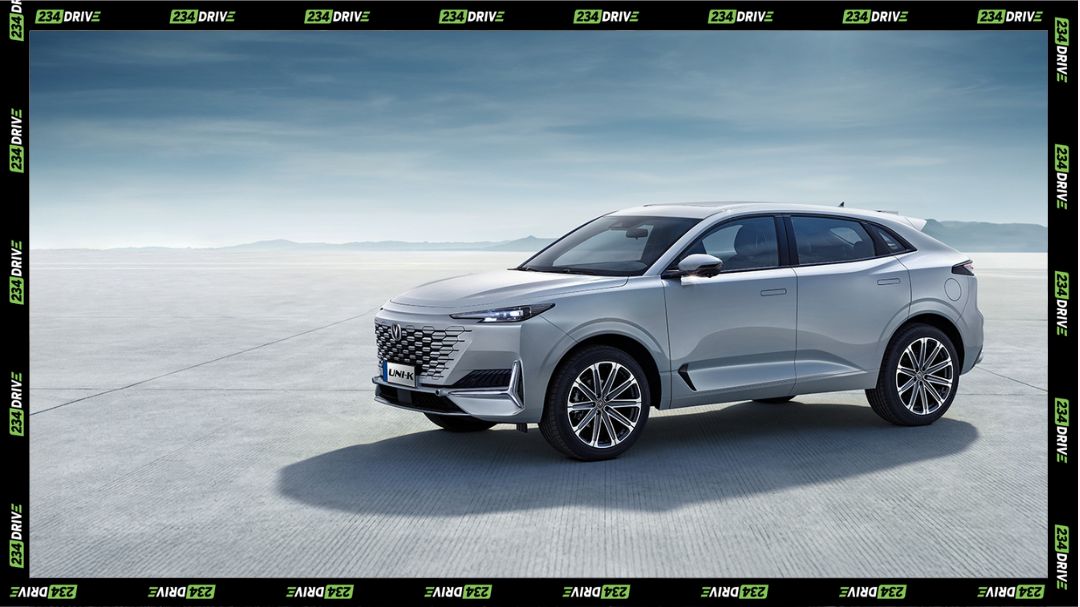
The road presence is further amplified by its muscular proportions and massive 21-inch alloy wheels, which fill the arches with a confidence that mimics the stance of a Lamborghini Urus. At the rear, the design remains equally provocative, featuring an airship-style spoiler and a full-width LED light bar that emphasises the car’s width. Quad exhaust outlets suggest a level of performance that matches the aggressive styling. In a culture where the arrival of a vehicle is often a status symbol in itself, the rising profile of this mid-size SUV delivers a visual impact that punches significantly above its weight class, making it one of the few vehicles in its segment that genuinely turns heads.
Interior Refinement and Technical Prowess
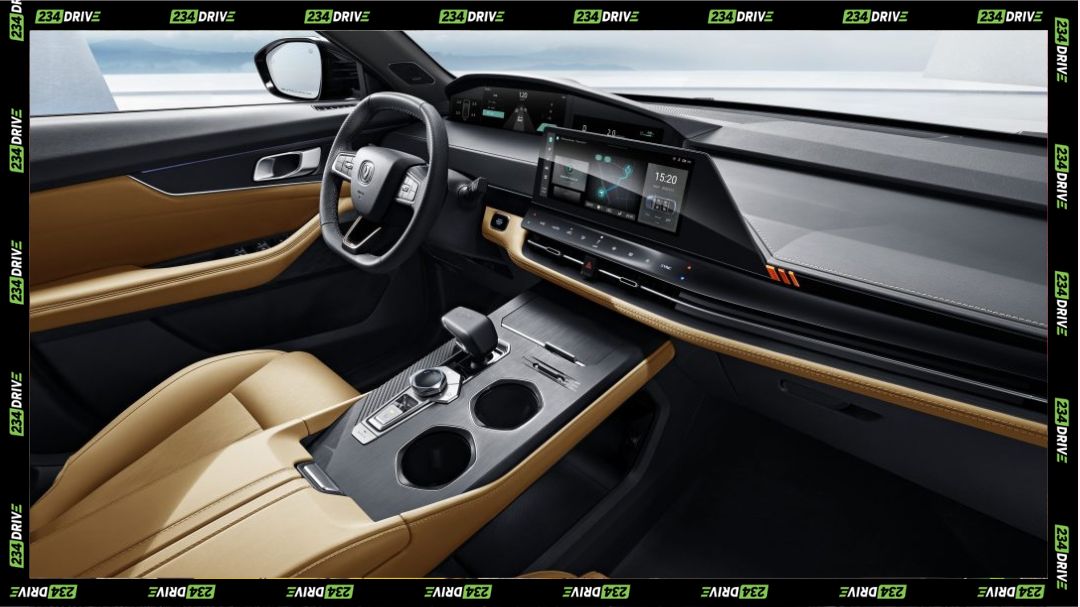
Step inside, and the UNI-K continues its pursuit of the premium segment. The cabin is an ergonomic departure from traditional SUV layouts, featuring a triple-screen digital cockpit that sits high on the dashboard to reduce eye strain. The use of Nappa leather throughout the interior provides a tactile sense of luxury, with ‘zero-gravity’ seats that offer exceptional lumbar support—a necessity for the long hours spent in Lagos gridlock. A massive panoramic sunroof floods the cabin with light, while the 14-speaker Sony audio system, featuring speakers integrated into the driver’s headrest, creates an immersive acoustic environment that feels decidedly high-end.
Under the bonnet, the UNI-K is powered by a 2.0-litre turbocharged Blue Core engine, delivering 233 horsepower and 390 Nm of torque. This power is managed by a smooth-shifting 8-speed Aisin automatic transmission, providing a punchy mid-range pull that is ideal for highway overtaking. According to official specifications, the BorgWarner All-Wheel Drive (AWD) system is a significant asset for the Nigerian driver, offering three modes—2WD, Auto, and Lock—to handle everything from rain-slicked tarmac to the unpaved “last-mile” roads in developing residential estates. While the 0–100 km/h sprint is achieved in roughly 8.8 seconds, the focus is clearly on composed, effortless cruising rather than raw sports car agility.
Relevance to the Nigerian Environment
In the context of the Nigerian driving environment, the UNI-K is a pragmatic choice disguised as an emotional one. Nigeria’s roads are notorious for their inconsistency; a smooth federal highway can abruptly give way to deep potholes or flooded sections during the rainy season. The UNI-K’s 165 mm to 173 mm ground clearance (depending on load) and AWD capability provide a buffer against these elements that standard sedans cannot match. Furthermore, Mikano Motors’ “tropicalisation” of the vehicle—which includes reinforced cooling systems and suspension tuning—ensures that the car can withstand the intense heat and dust levels of the West African climate without the premature wear often seen in non-regional imports.
Prestige also plays a vital role in Nigerian ownership. The UNI-K allows executives and business owners to maintain a “luxury” image while navigating the economic realities of 2026. The availability of parts and the 6-year/200,000 km warranty offered by Mikano provide a level of security that was previously the sole domain of Toyota or Hyundai. For the urban professional living in Lekki or Wuse, the UNI-K offers the perfect blend of a daily commuter and a weekend cruiser, providing enough space for a family of five while maintaining the “executive” aesthetic required for corporate engagements.
Market Positioning and Segment Rivals
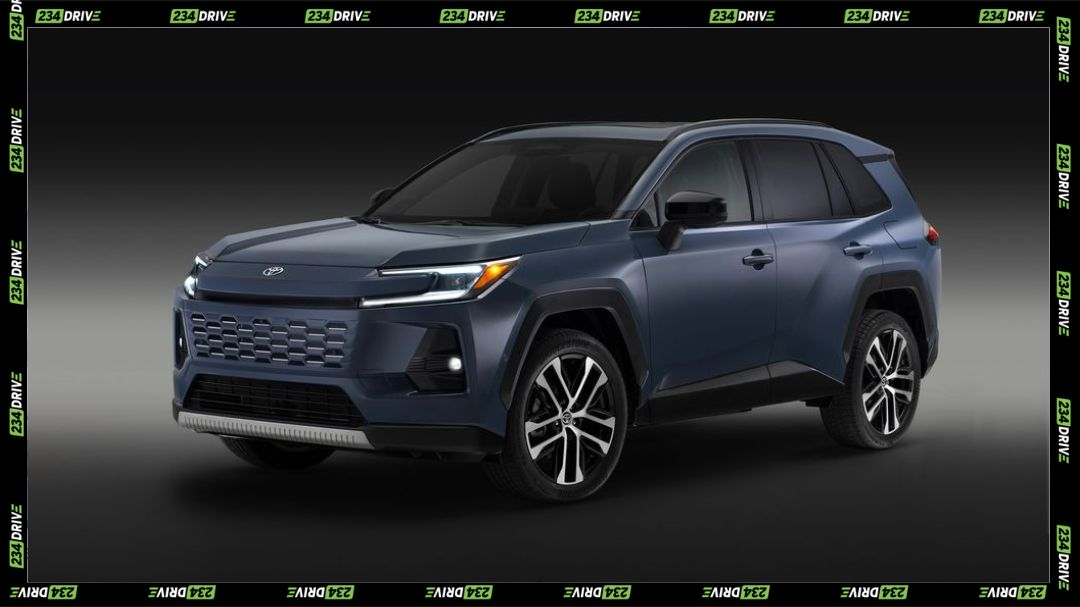
When compared to its primary rivals—the Toyota RAV4, the Hyundai Santa Fe and the Kia Sorento—the UNI-K’s strongest argument is its value proposition. A brand-new 2025 UNI-K model through official channels typically ranges between ₦45M and ₦80M, depending on the trim and exchange rate fluctuations. In contrast, a similarly specced European or top-tier Japanese SUV can easily cross the ₦120M mark. While the UNI-K offers more features per Naira, it faces a steep climb in resale value. In the Nigerian second-hand market, a 10-year-old Toyota still commands a premium, whereas the long-term durability of the Changan’s sophisticated electronics remains a point of observation for cautious buyers.
Durability and maintenance are where the battle is won or lost. The UNI-K uses components from world-class suppliers like Bosch, Aisin, and BorgWarner, which aids reliability. However, maintenance costs for the 21-inch tyres and the high-tech sensors can be higher than those of more “basic” rivals. Per the latest price guide for the region, the UNI-K feels more “premium” and spacious than many established rivals. The UNI-K is for the buyer who is willing to trade a bit of “guaranteed” resale value for a vastly superior daily experience and modern safety suite today.
Verdict: A Modern Record of Mobility
The Changan UNI-K is a testament to how far Chinese automotive engineering has come. Its key strengths lie in its unapologetic design, its tech-rich interior and the formidable backing of Mikano Motors, which provides the necessary peace of mind for a Nigerian investment. It is a vehicle for the forward-thinking driver who prioritises current experience over historical brand loyalty. While it must still prove its ‘Naira-for-Naira’ resale value over the next decade, its current performance suggests it is a leader in the new wave of African mobility. We invite our readers to share their experiences: does the UNI-K represent the future of your garage, or do you still find safety in the traditional badges?