
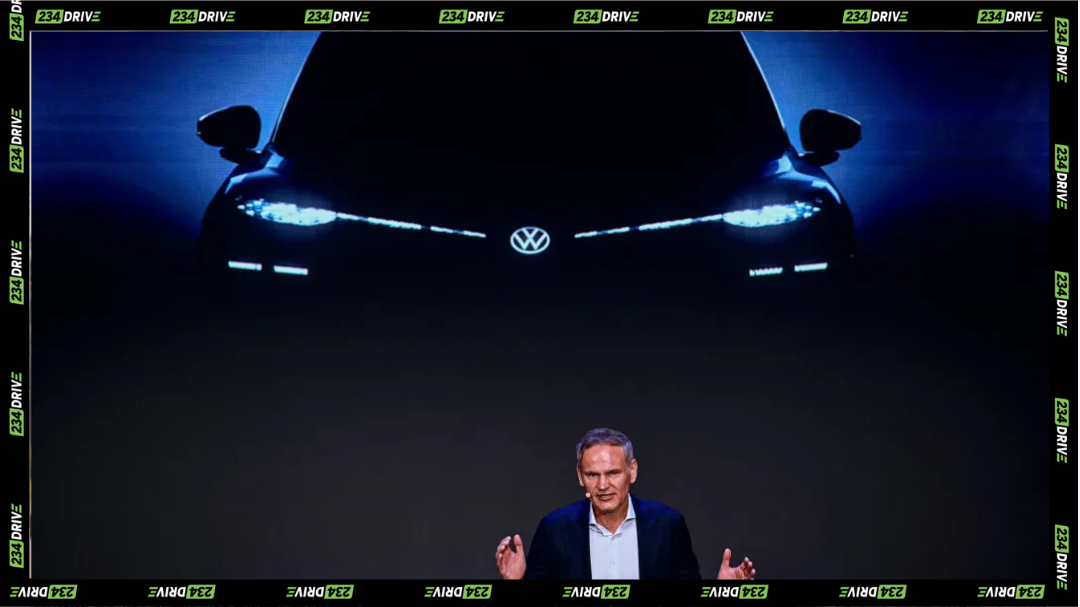
Oliver Blume, chief executive at Volkswagen. | Source: Fortune
Volkswagen is preparing another round of production cuts. Chief executive Oliver Blume said the German carmaker plans to remove a further 1 million units of production capacity. That would bring its global capacity target down to 9 million vehicles a year from an earlier 12 million. The announcement highlights how hard it has become for large carmakers to keep plants full while still spending heavily on new models and future technology.
Why Volkswagen Is Cutting Capacity Again
Blume told Manager Magazin that Volkswagen is ‘currently looking at cutting a further million units of capacity’ to match market conditions. The news brings additional scrutiny because it comes after Volkswagen had already agreed to major cutbacks in Germany. In December 2024, Volkswagen struck a deal with unions that included reducing German plant capacity by 734,000 units, roughly a quarter of its domestic capacity. Management had warned at the time that demand was falling short by about 500,000 cars, the equivalent of around two plants.
These cuts reflect pressure from high labour and energy costs in Germany, slower-than-expected electric vehicle demand and tariff pressure linked to the United States. By late 2024, it was reported that the group’s restructuring in Germany included plans for 35,000 job cuts by 2030 as it tried to lower overheads and protect margins. In November 2025, the group faced an €11 billion gap in its 2026 investment plan, enough to delay new models, stall factory upgrades and leave late-decade projects waiting for approval. Now the carmaker is targeting a 20% cost cut across all brands by the end of 2028.
South Africa Could Feel the Ripple Effects of Volkswagen’s Cuts
It is expected that Volkswagen’s South African operation will remain important to the group, especially through its Kariega plant, a key export base. Nevertheless, that position does not make it immune from global pressure. Ford’s South African unit, for example, cut over 470 jobs in late 2025 as weaker demand, a drop in sales of locally built vehicles and pressure from rising imports forced it to adjust production. As legacy carmakers retreat, Chery and other Chinese brands are pushing harder into the gaps being left behind.