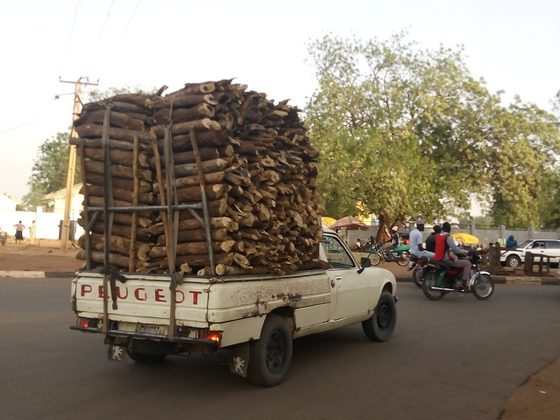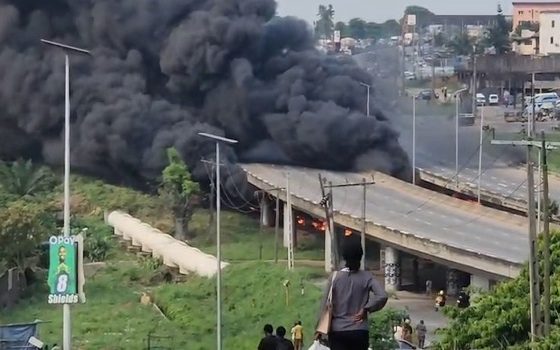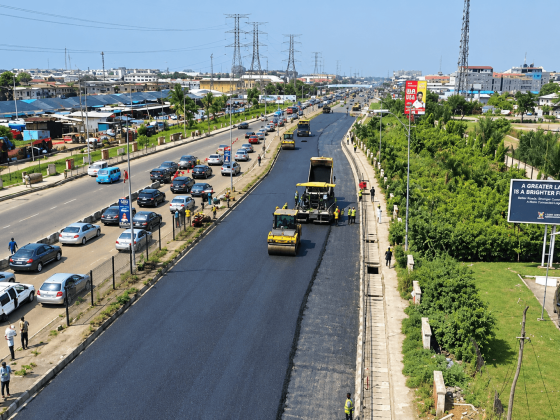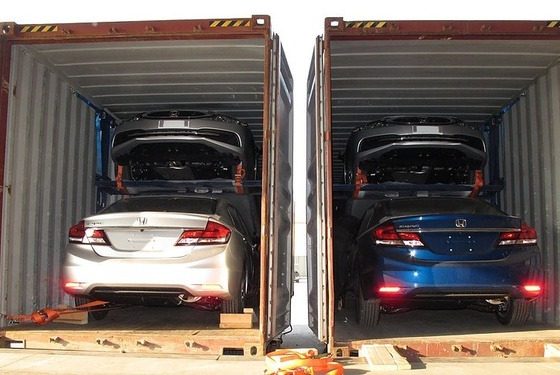

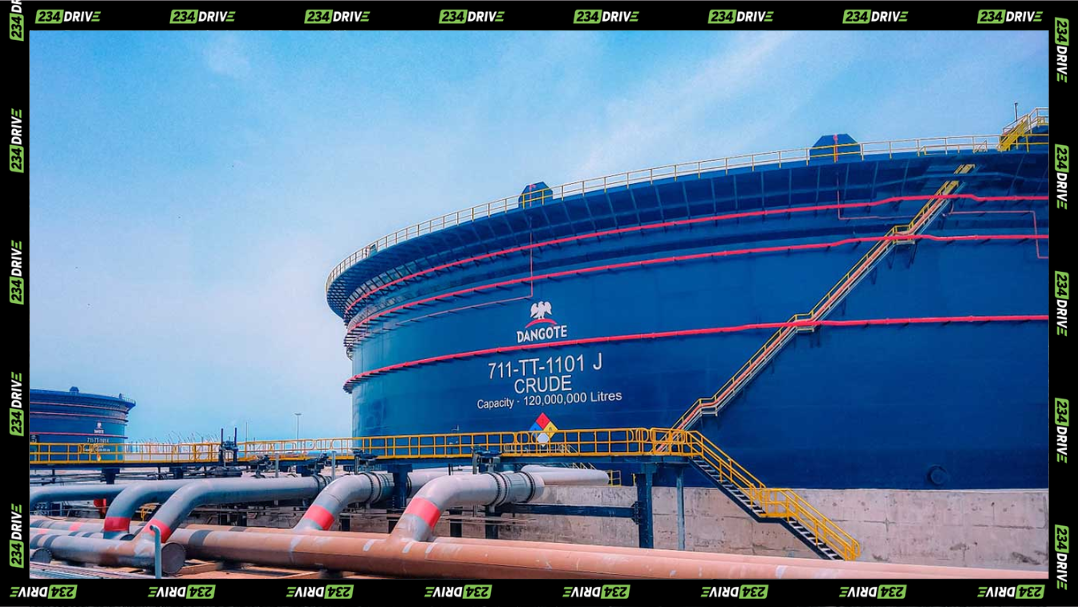
When Aliko Dangote completed the Dangote Refinery in Lagos, he changed Nigeria’s place in the fuel market. For years, the country exported crude while importing refined fuel. The refinery shifted that pattern by giving Nigeria the capacity to meet domestic demand and still export refined products.
Designed as a single large-scale facility, the refinery can process about 650,000 barrels of crude oil per day, producing around 40–65 million litres of Premium Motor Spirit (PMS) daily. That scale places it among the largest refineries of its kind globally.
Now, the Dangote refinery is shaping fuel flows beyond Nigeria. Countries like Cameroon, Angola and Ghana already import refined products from Dangote instead of relying mainly on Europe or the Middle East. South Africa is also turning to Dangote for refined fuel.
That shift is pushing more crude-producing countries to think more seriously about local refining.
Dangote’s Vision and the Reality Check
In April 2026, Aliko Dangote spoke at a regional investment summit in Nairobi, declaring his readiness to build another 650,000 barrels-per-day refinery in East Africa. He named Tanga, in eastern Tanzania, as the proposed location, pointing to its port access and regional links as key advantages.
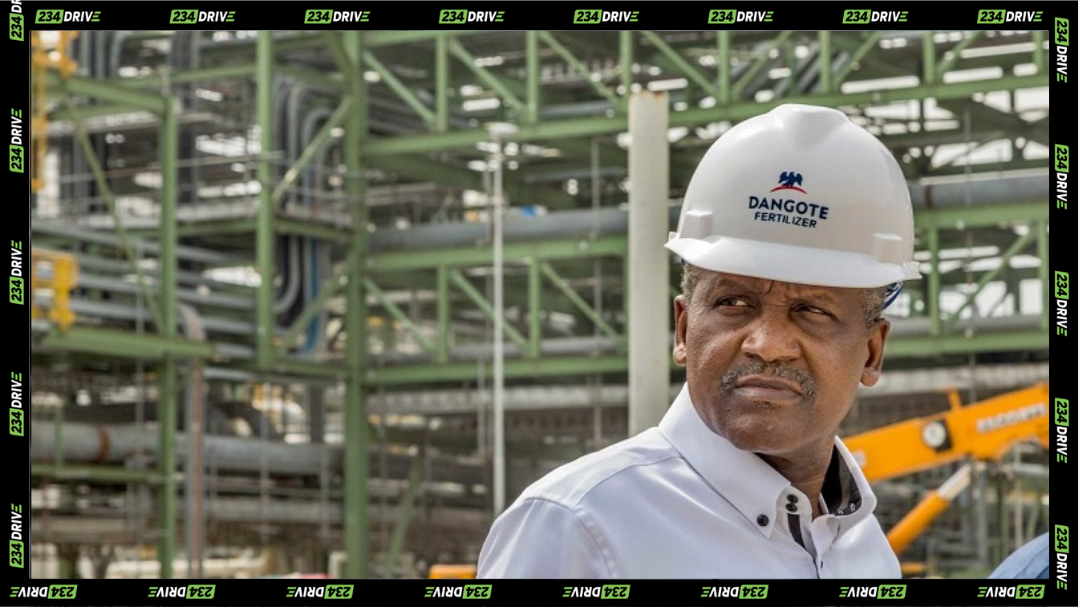
Dangote on the site of his Lagos refinery. | Source: The Insider
That position is different from what he said in 2025, when he stated he might not take on another refinery project. Dangote pointed to rent-seeking, weak policy support and limited political will as the key barriers.
His stance now is conditional. He is open to building, but only where there is clear government backing, stable policy and support for long-term investment. Without that, he has said projects like this will not move forward.
For now, some governments appear more willing to offer the policy backing he has asked for.
How Possible Is a Continent-Wide Refinery Network?
Africa’s focus is shifting to where new refining capacity can actually work, based on crude supply, access to ports and nearby demand.
In East Africa, Uganda brings inland oil reserves, Tanzania offers port access through Tanga, and Kenya adds demand through Mombasa, making the region a strong candidate for new refining capacity.
Central Africa also presents options. Gabon and the Republic of the Congo (Congo-Brazzaville) produce oil but have limited refining capacity, while Cameroon’s port and regional trade position make it a possible distribution hub.
One major project already in motion is the East African Crude Oil Pipeline, which will move crude from Uganda to Tanzania’s coast. That strengthens Tanga’s case as a potential refining location.
West Africa is in a different position, with Dangote saying the Lagos refinery will be scaled up to around 1.4 million barrels per day. Such an expansion could reduce the immediate case for another major refinery in the region. Still, if another player pursues a refinery in West Africa, Ghana would remain a strong candidate because it combines crude production with strong local demand.
Taken together, those regional advantages point to a handful of coastal locations where large-scale refining looks more realistic.
The Real Barriers
The main barriers are politics and financing. Building a refinery at the scale of the Dangote Refinery costs billions, with estimates often placed around $20 billion depending on the scale. That level of investment depends on stable policies, clear long-term agreements and protection from sudden regulatory changes. Without that, investors hold back. There is also resistance from existing fuel import systems, which still benefit powerful players and can slow down new projects. Weak enforcement, regulatory uncertainty and corruption add further risk, making demand alone insufficient.
For projects like this to work across Africa, the focus shifts from possibility to structure. Refineries need to be tied directly to nearby crude supply, backed by committed buyers through long-term offtake agreements, and supported by regional trade systems like the African Continental Free Trade Area to move fuel across borders efficiently. When that structure is in place, large-scale refining becomes more viable.
The Bigger Picture
Even if Dangote doesn’t build a single new refinery again, the Nigerian business tycoon has already changed Africa’s energy landscape. More of Africa’s fuel needs are now being refined and distributed within the continent.
If the Lagos expansion happens and an East African plant is built, the effect would go beyond volume. It would reshape fuel pricing, strengthen energy security and support industrial growth across the continent. But the project is bigger than one company. Dangote has made it clear he cannot do it alone. So governments need to create the right conditions, and regional cooperation has to improve.
The argument for expanding refining capacity across Africa is already strong. What comes next depends on whether governments, markets and policy can move in the same direction. If they do, a continental energy network becomes possible. If not, large-scale refineries could remain limited for years.