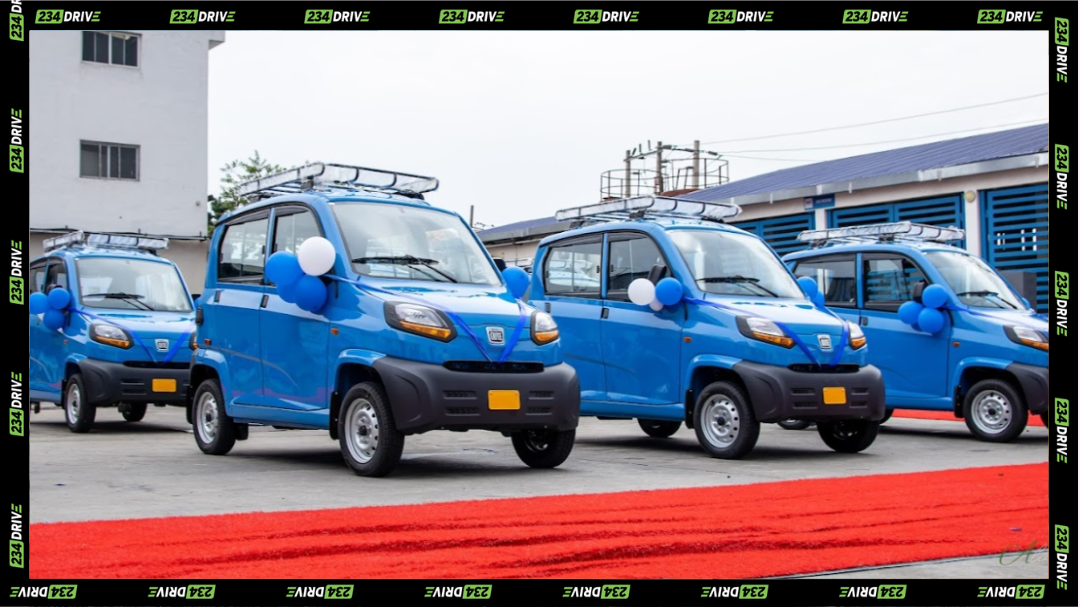
The Bajaj Qute powers Uber Mini in Lagos, offering a compact, low-cost option for short city trips. | Source: Dag Industries Nigeria
Uber’s new ‘Uber Mini’ option in Lagos is bringing a familiar street transport mode into the ride-hailing space. The service uses compact minibuses for short trips, giving commuters a cheaper way to move as transport costs keep climbing.
Uber is not alone, as other ride-hailing platforms like LagRide and Bolt are also adjusting their services to meet current demand.
What Nigerians Think About Uber Mini
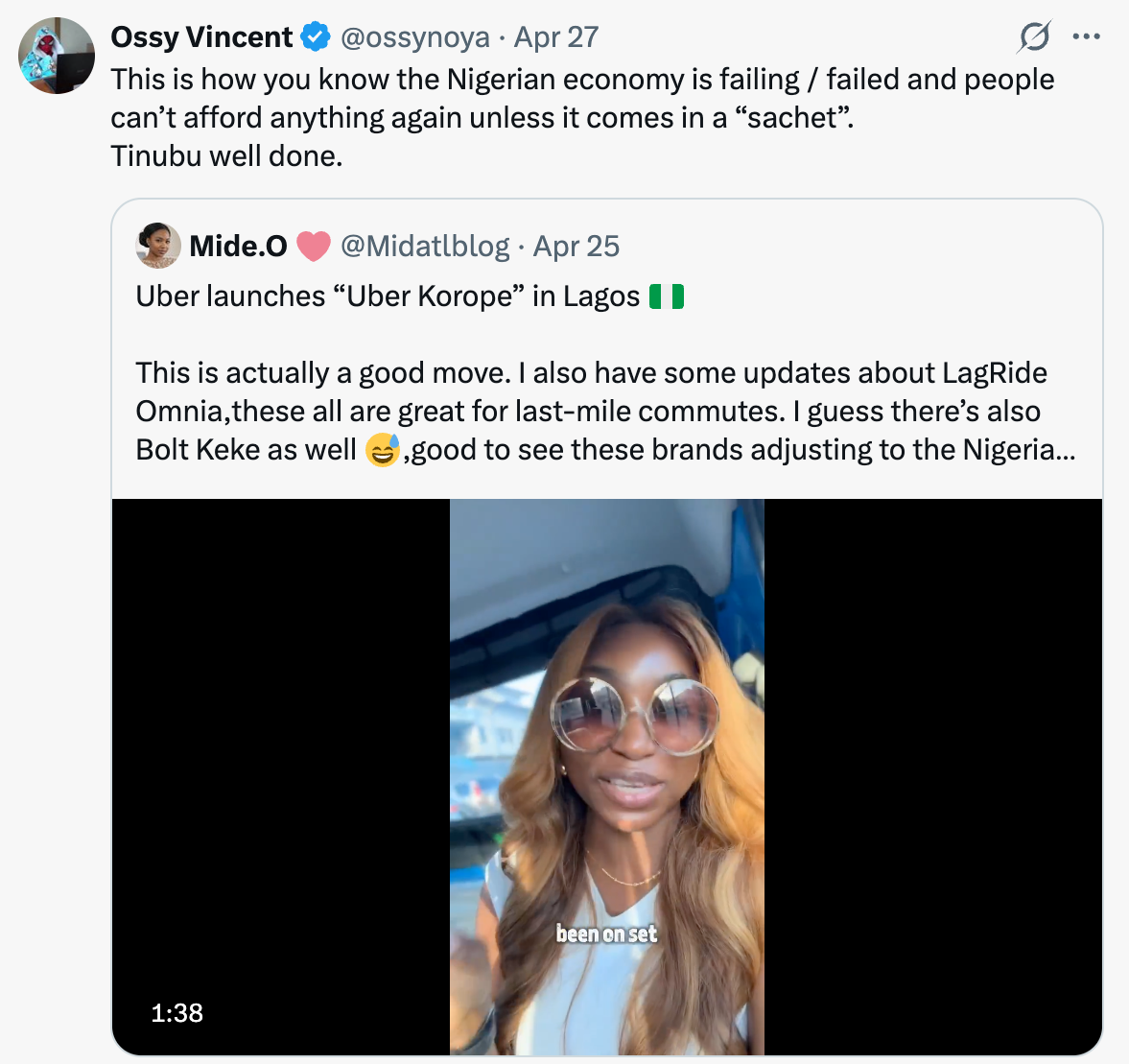
The launch picked up more attention after actress Omowunmi Dada shared a video of herself trying the service. The Nollywood actress shared that she had seen the vehicle around before and got excited when she realised she could order it on the app as ‘Uber Mini’. Dada described it as fun and different but pointed out the obvious trade-offs. For instance, there was no air conditioning, but she admitted that it still worked for a short trip.
Some said this kind of system is not new at all and has existed for years in places like Delta State. Others mentioned they had already seen similar options around Lagos, including near the University of Lagos.
At the same time, there were concerns as a few people questioned whether these vehicles should be allowed on major roads. Others focused on safety and comfort, asking what standards would apply if this becomes more widespread. There were also broader views that linked it to the current cost of living and the ‘sachetisation’ of a premium service.
Ride-hailing Services Adjust to Everyday Movement
Uber’s ‘Korope’, or Uber Mini, runs on a partnership with DAG Industries, the company which is working with Uber Nigeria and Flexi-Motion to introduce the Bajaj Qute into the market. The vehicle is currently used for the Uber Mini service, offering a simple and practical way to move through busy areas where cost and access matter most.
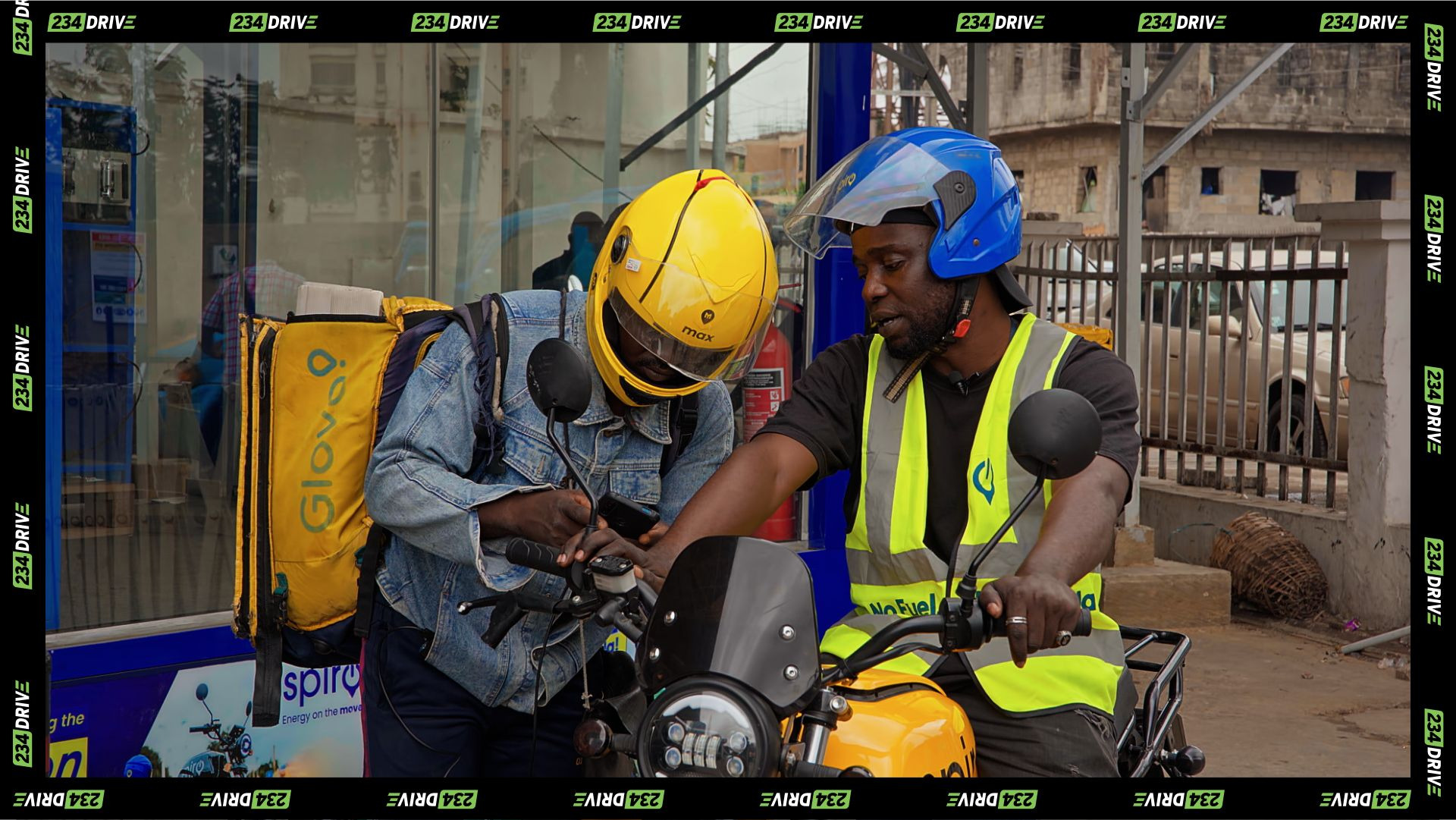
Uber is also trying out electric minicars with quick battery swaps so drivers do not waste time charging or buying fuel in South Africa. Bolt launched an electric tricycle service in Lagos in May 2025 that allows drivers to swap batteries and get back on the road fast. LagRide is taking a different path with Omni, focusing on shared rides that help people split costs while still moving comfortably.
These ride-hailing platforms are adjusting how they operate to stay competitive and reach more active users. Their service focus is now shifting towards wider access and services that fit everyday movement.