

In an era of fluctuating fuel prices and high inflation, the efficiency of your vehicle is no longer just a mechanical concern but also a financial one. While many Nigerian car owners focus on visible issues like tyre wear or suspension noise, the most significant drain on your wallet often comes from a small, overlooked component: the Oxygen (O2) Sensor.
At 234Drive, we have observed a surge in complaints regarding ‘disappearing fuel’ and unexplained consumption spikes. Often, the culprit is not the engine’s health, but its ‘referee.’
The Financial Red Flag
Consider a common scenario: a short city trip that should cost minimal fuel suddenly requires N20,000 in petrol. When fuel disappears faster than usual, your vehicle is likely ‘running rich.’ This means the engine is burning significantly more fuel than is required for efficient combustion.
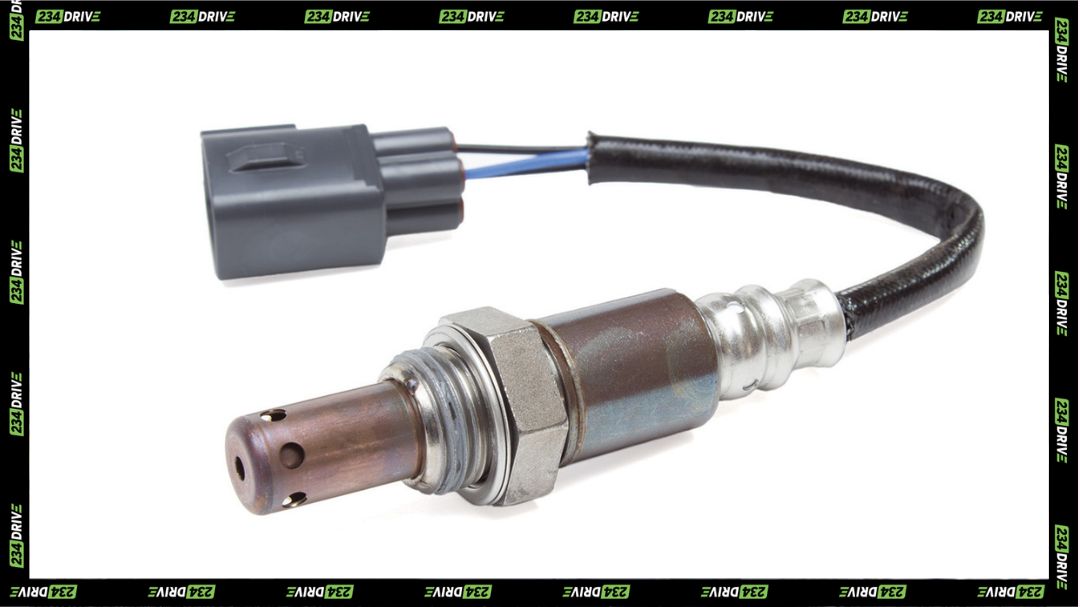
Diagnostic scans frequently reveal a ‘Bank 1 O2 Sensor’ error. However, the physical evidence is even more telling. A failing O2 sensor is often coated in thick black soot. This soot is a direct indicator of incomplete combustion and an engine that is essentially drowning in unburnt fuel.
The Engine’s Referee: How it Works
The O2 sensor is positioned within the exhaust system. Its primary role is to monitor the oxygen levels in the exhaust gases and send real-time data to the Engine Control Unit (ECU).
- The Feedback Loop: The ECU uses this data to ‘optimise’ the air-fuel mixture.
- The ‘Lie’: When a sensor is fouled by carbon deposits or fails internally, it begins to provide inaccurate data.
- The Result: It falsely informs the ECU that the engine is ‘running lean’ (too little fuel). In response, the ECU overcompensates by pumping excess fuel into the cylinders.
This creates a cycle where the car becomes a fuel guzzler overnight, simply because the brain of the car is being fed incorrect information.
Solution and Prevention
If your vehicle’s fuel economy has plummeted, the O2 sensor should be your first point of investigation.
- Scan the Vehicle: Do not guess. Use an OBD-II scanner to confirm if the fault is at Bank 1 or Bank 2.
- Inspect and Clean: In some cases, carbon buildup can be cleaned with specialised sensor cleaners, though this is often a temporary fix.
- Replace Promptly: Given that a bad sensor can drain your wallet daily through excess fuel consumption, the cost of a new, high-quality O2 sensor is usually recovered within weeks through fuel savings.
The ‘So What?’ Factor
Ignoring an O2 sensor fault does more than just increase your fuel bill. Prolonged ‘rich’ running can lead to the premature failure of your catalytic converter—a repair that costs significantly more than a simple sensor replacement. For the Nigerian car owner, proactive maintenance of the O2 sensor is not just about car care; it is about protecting your disposable income.