
Vehicle imports through Nigerian ports rose sharply in the first quarter of 2026, pointing to stronger demand for imported cars.
New figures from the Nigerian Ports Authority (NPA) show that ports handled 58,870 vehicles between January and March 2026, up from 35,262 units in the same period of 2025. The increase also came as port operations recorded broader gains in cargo movement, vessel size and efficiency.
Nigerian Ports Handle More Vehicles and Cargo in Q1 2026
The Nigerian Ports Authority said vehicle units handled in Q1 2026 increased by 67% year-on-year.
This came alongside stronger activity in the wider maritime sector. Gross Registered Tonnage for ocean-going vessels rose by 19.5% to 46.75 million, showing that larger-capacity ships are playing a bigger role in Nigerian ports. The NPA linked this shift to better cargo-carrying efficiency, rising trade demand and the operational impact of Lekki Deep Seaport.
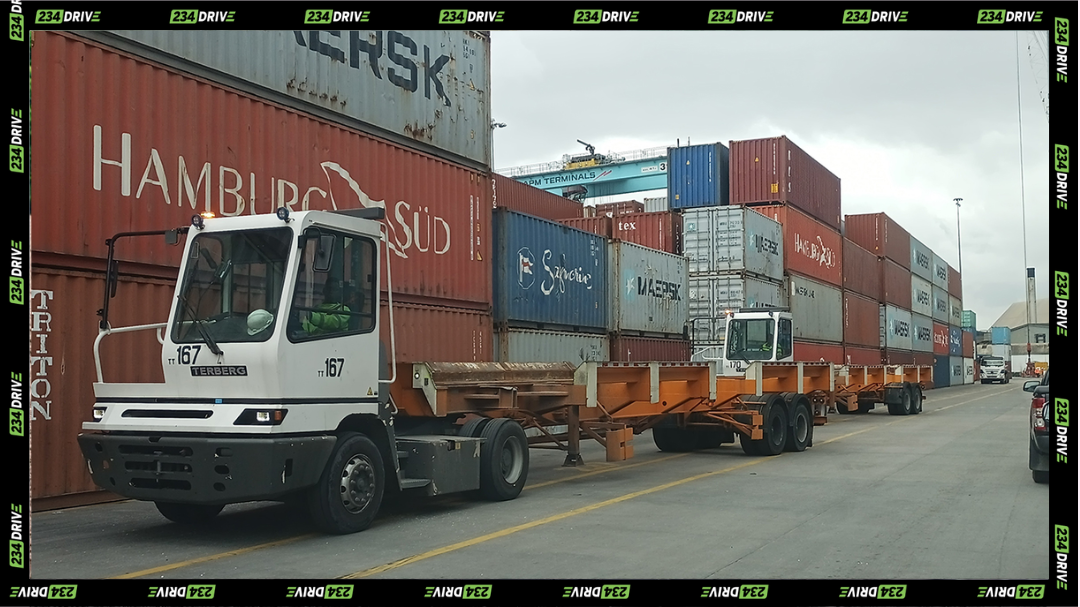
Cargo throughput also improved during the period. Excluding crude oil terminals, total cargo throughput rose by 11.6% to 32.38 million metric tonnes, compared with 29.02 million metric tonnes in Q1 2025. The NPA said higher trade volumes, stronger import and export activity, improved port productivity and steady demand for port services supported the increase.
Export movement also gained ground. Outward cargo traffic rose by 23.7% to 14.13 million metric tonnes, while outward laden container traffic jumped by 67.6% from 61,332 TEUs to 102,803 TEUs. Transhipment container activity also increased by 83.1%, strengthening Nigeria’s position in regional maritime trade.
The NPA said the performance supports the federal government’s push to modernise port infrastructure and improve cargo clearance. Current efforts include the Port Community System, the National Single Window platform, rail links, inland dry ports, barging operations and export corridors aimed at reducing delays and easing congestion around port routes.
Policy Changes Show Effects, but Nigeria’s Auto Market Growth Should Not Be Import-Based
The latest rise in vehicle imports may have been supported by recent policy signals. The reduction in import duty on some vehicle categories made shipments more attractive to dealers. At the same time, the new pre-shipment vehicle certification rule may have pushed some importers to move faster before stricter compliance checks fully took hold.
These regulations can support short-term growth because dealers respond quickly when costs fall or rules are about to change. But Nigeria still needs caution. A bigger inflow of vehicles can raise demand for foreign exchange, especially when importers need dollars to buy cars from abroad. If that demand keeps growing, it can add more pressure on the naira.
The trend can also weaken local assembly, as imported vehicles become easier or cheaper to bring in, locally assembled cars may struggle to compete. That can slow factory activity, reduce investment in parts supply and limit jobs in the auto value chain.
There is also the road impact. More cars entering the market can worsen traffic in cities already dealing with congestion. If many imports are older used vehicles, Nigeria may also face higher emissions and more safety concerns.
Nigeria needs to support clear import rules with policies that strengthen local assembly and control vehicle quality. Import growth can help the market, but it should not stand alone as the country’s auto plan.