
Sit in gridlock on the Eko Bridge at two o’clock in the afternoon and the heat stops being a weather condition—it becomes a physical weight. The sun beats down on the metal roof of your vehicle, the asphalt radiates trapped thermal energy and the exhaust fumes from surrounding heavy-duty trucks create a suffocating microclimate. In this environment, reaching for the air conditioning dial is an act of basic survival. Yet, for thousands of fleet owners, ride-hail operators and everyday drivers navigating the harsh economics of African mobility, that simple motion comes with a lingering anxiety.
Does turning on the air conditioning actively drain your fuel tank?
The short answer is yes. A car’s air conditioning system consumes fuel by forcing the engine to work harder. However, the reality of car AC fuel consumption is highly variable and often misunderstood. The financial impact is real but it is not always the catastrophic drain that urban mythology suggests. Understanding the mechanical relationship between your climate control and your fuel gauge is essential for anyone trying to optimise their daily operating costs.
Here is the engineering reality behind how your vehicle keeps you cool and exactly what it costs to do so.
The Mechanical Burden of Comfort
To understand the fuel penalty, we must first look at how the system operates in a conventional internal combustion engine vehicle. Air conditioning does not magically generate cold air. It removes heat from the cabin using a continuous cycle of compression and expansion.
The heart of this operation is the compressor. In a standard petrol or diesel vehicle, the compressor is not an independent electrical unit. It is physically driven by the engine’s crankshaft via a serpentine belt and an electromagnetic clutch. When you switch the AC on, the clutch engages and the engine must suddenly provide the mechanical power to pressurise the refrigerant gas into a high-temperature liquid.
This process places a mechanical load directly onto the powertrain. The engine control unit immediately detects this extra resistance. To prevent the engine from stalling and to maintain your vehicle’s speed, the computer injects more fuel into the cylinders and slightly opens the throttle.
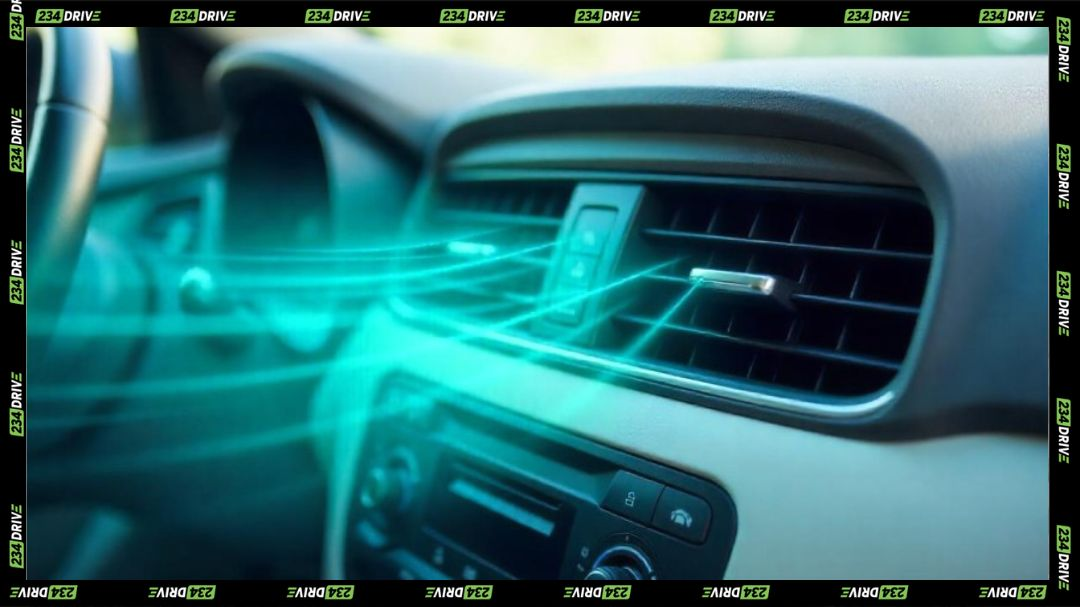
You are effectively burning liquid fuel to create mechanical rotation to drive a pump that compresses a gas. While the cabin blower fan and condenser fans draw a small amount of electrical power from the alternator, the heavy lifting is entirely mechanical. Peak power draw during the initial cooldown phase can demand over five horsepower from your engine.
Quantifying the Fuel Penalty
Knowing that the system uses fuel is only half the equation. The critical question for a logistics operator in Abuja or a daily commuter in Nairobi is exactly how much fuel is being sacrificed for comfort.
According to extensive industry testing and government data, engaging the air conditioning reduces fuel economy by an average of 3% to 10% under normal driving conditions. However, this average masks extreme fluctuations based on how and where you drive.
If you are crawling through stop-and-go traffic in a dense urban centre, the compressor’s load represents a much larger percentage of the engine’s total output. In these scenarios, the fuel penalty can spike to roughly 15% or 20%. The absolute worst-case scenario occurs in very hot conditions combined with short, low-speed trips where the system is constantly working at maximum capacity to cool a heat-soaked cabin. Under these exact parameters, fuel efficiency can plummet by over 25%.
When measured in absolute volume, running the AC typically consumes between 0.2 and 0.4 litres of fuel per hour. For larger SUVs navigating heavy congestion, this can rise to 0.8 litres per hour. While a fraction of a litre might sound insignificant, it compounds rapidly. When a vehicle is trapped in stationary traffic, the AC continues to run, significantly increasing idle fuel use by forcing the engine to burn more petrol simply to maintain its base revolutions.
On a broader scale, the macroeconomic impact is staggering. Research tracking national consumption indicates that air conditioning accounts for roughly 5.5% to 6% of total light-duty vehicle fuel used annually in advanced economies. For a ride-hail driver working twelve-hour shifts in Lagos, running the AC continuously could easily consume an additional two to three litres of fuel every single day, carving a direct slice out of their narrow profit margins.
The Highway Debate: Windows Versus AC
This mechanical reality leads directly to one of the oldest debates in automotive culture. If the AC burns fuel, is it not always cheaper to simply roll down the windows?
The answer depends entirely on your speedometer. It is a battle between mechanical load and aerodynamic efficiency.
Automotive engineers design modern vehicles to cut through the air with minimal resistance. When you drive with the windows down, you disrupt this carefully engineered airflow. You effectively turn the cabin of your vehicle into a parachute. This creates drag and the engine must burn additional fuel to overcome that invisible wall of air pressure.
At lower speeds—generally under 65 kilometres per hour—the aerodynamic drag is relatively minor. In city traffic, rolling down the windows is definitively more fuel-efficient than forcing the engine to drive the AC compressor.
However, as your speed increases, the equation flips. Because drag scales with the square of your speed, the fuel penalty of open windows becomes severe on a motorway or expressway. Wind tunnel testing and on-road data confirm that aerodynamic drag at speed requires more engine power to overcome than the AC compressor requires to operate.
The definitive rule for operators is simple. If you are navigating tight urban streets, open the windows. The moment you merge onto a high-speed arterial road, roll the windows up and turn the AC on.
The Electrified Future
The calculation changes entirely when we look at the growing segment of hybrid and fully electric vehicles entering the African mobility ecosystem.
In pure electric vehicles (EVs) and many modern plug-in hybrids, the air conditioning compressor is not mechanically linked to an engine block. It is a fully independent electric unit that draws power directly from the high-voltage traction battery.
Because electric powertrains are incredibly efficient, the auxiliary load of the AC system has a highly noticeable impact. Running the climate control in an EV can reduce the vehicle’s total driving range by anywhere from 10% to 20% depending on the ambient heat and the efficiency of the vehicle’s thermal management system. Interestingly, heating an EV cabin in cold climates often drains the battery faster than cooling it, because an electric motor does not generate the abundant waste heat that a traditional combustion engine produces for free.
Strategies for Operators
Whether you are managing a fleet of delivery vans or simply trying to stretch your weekly fuel budget, understanding these mechanics allows you to manipulate them. You do not have to choose between financial ruin and heatstroke.
The most fuel-intensive part of the AC cycle is the initial cooldown phase when the compressor runs at maximum capacity. You can mitigate this by parking in the shade whenever possible. If the cabin is baking, do not immediately turn the AC to full blast. Open all the doors or windows for sixty seconds to vent the superheated air before you engage the system.
Once the vehicle is moving and the cabin temperature drops, switch your climate control to the recirculation mode. This stops the system from constantly trying to cool hot air from outside and instead recools the already chilled air inside the cabin, significantly reducing the load on the compressor. Furthermore, maintaining the system is vital. A clogged cabin filter or a condenser covered in road grime forces the compressor to work harder and run longer, silently burning through your fuel reserves.
Ultimately, car air conditioning is an engineered luxury that demands an energy payment. By deploying it intelligently, African drivers can maintain their comfort without surrendering their economic margins to the petrol pump.