
In 1956, the Nigerian government had a problem. Queen Elizabeth II was arriving for a state visit and the federation’s official fleet wasn’t impressive enough. So they did something incredible: they sent a formal request to a private citizen, asking to borrow his Rolls-Royce for the occasion.
That car belonged to Sir Louis Odumegwu Ojukwu, a business tycoon with a portfolio spanning transport, textiles and real estate.
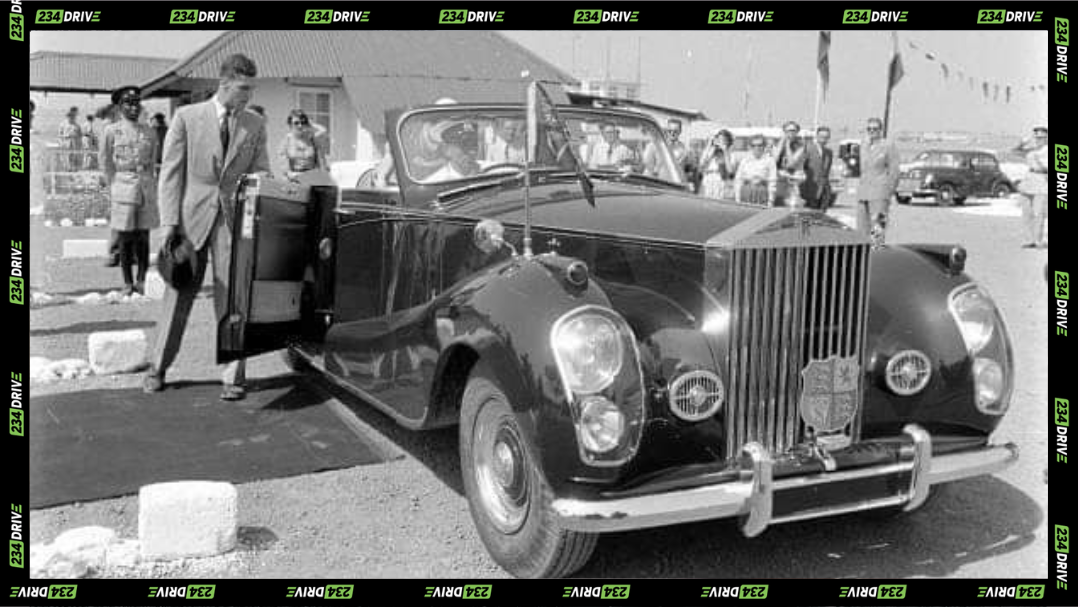
The image—of a Nigerian businessman’s car carrying the British monarch—speaks volumes. This was a man whose private wealth in Nigeria rivalled colonial power itself. By the time of his death in 1966, he owned roughly 2,000 vehicles across his transport empire, built from a single second-hand lorry decades earlier.
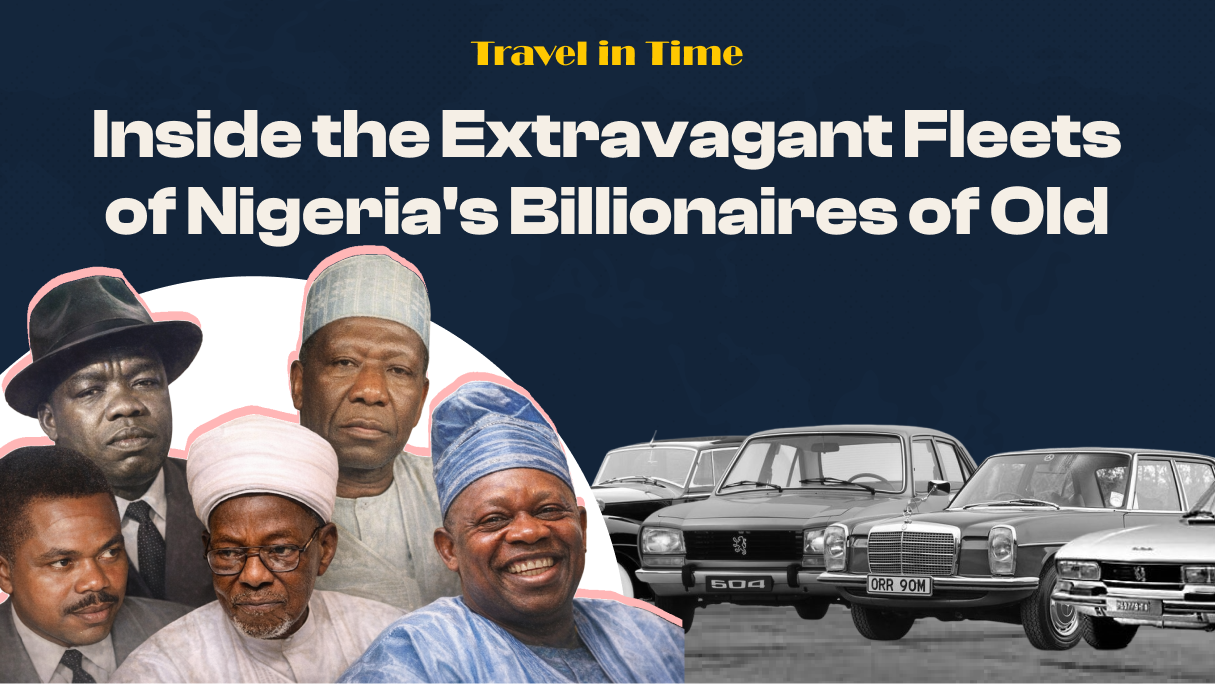
But he wasn’t the only one. Across the next four decades, a generation of Nigerian billionaires amassed car collections that became legendary—Rolls-Royces, private jets and convoys that stopped traffic. Their names—Mai Deribe, M.K.O. Abiola, Nafiu Rabiu, Victor “Ezego” Okafor—once commanded the kind of awe now reserved for Aliko Dangote and Femi Otedola. But their stories have largely faded.
This is an attempt to remember.
1950s – 1970s
Sir Louis Ojukwu: The Man Who Defined Luxury
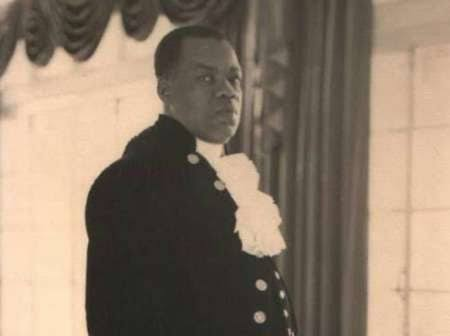
Sir Louis Odumegwu Ojukwu (1909–1966) was a prominent figure long before luxury became something people performed publicly. In the 1950s and early 1960s, he was widely regarded as one of Nigeria’s wealthiest businessmen and, in many ways, its most visible luxury car collector of that era.
Ojukwu’s sheer scale didn’t come overnight. What began with a single second-hand lorry grew into hundreds and eventually into thousands of vehicles across his transport empire, the Ojukwu Transport company. By the late 1930s, he had already become a major transporter along the East–West route and during World War II, his fleet was requisitioned by the British colonial government to support the war effort. After the war, increased demand for goods and movement across Nigeria allowed his operations to expand even further.
That reach showed up clearly in how he lived, and nowhere was it more visible than in his cars.
While his son, Chukwuemeka Odumegwu Ojukwu—who later became the leader of secessionist state Biafra—was studying in the United Kingdom, he was sent a Rolls-Royce to use. At the time, that wasn’t just rare but unheard of. It gave a glimpse into just how far his wealth stretched, even outside Nigeria.
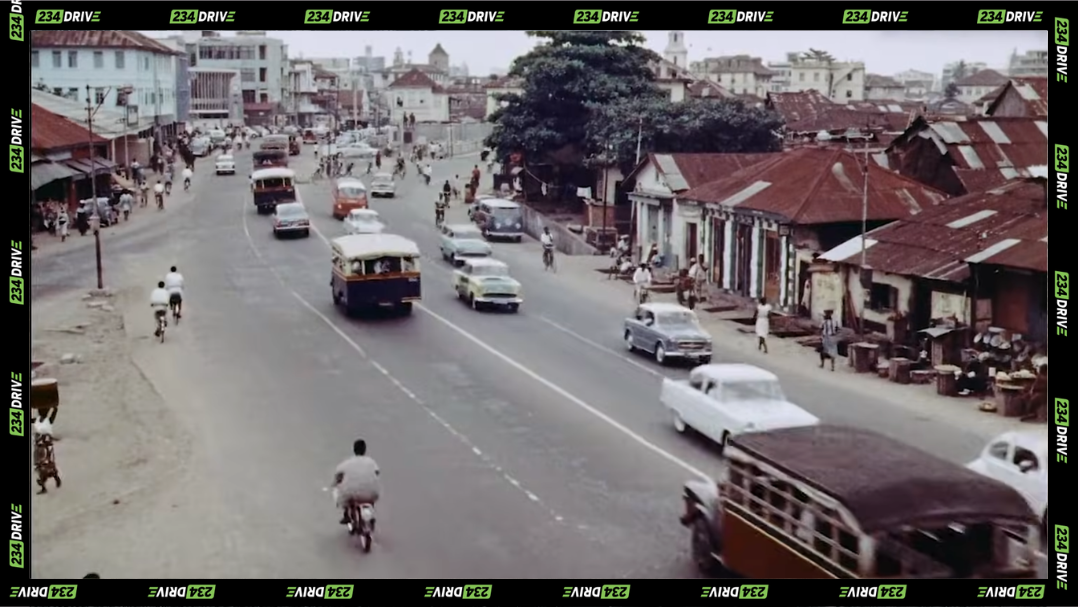
Nafiu Isyaku Rabiu: Heir of the Northern Wealth
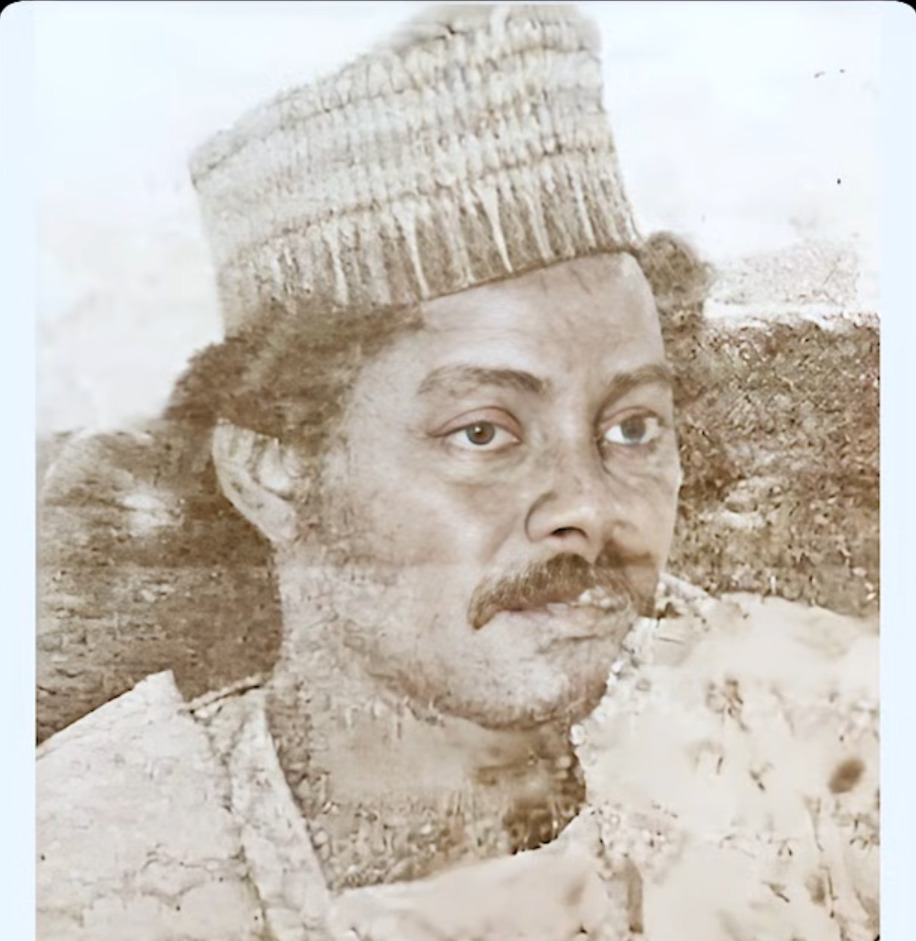
Nafiu Isyaku Rabiu, a member of one of Kano’s most prominent families, built a reputation as a high-profile socialite. He moved within inherited wealth tied to industrial and trading interests, but his lifestyle made him stand out on his own terms.
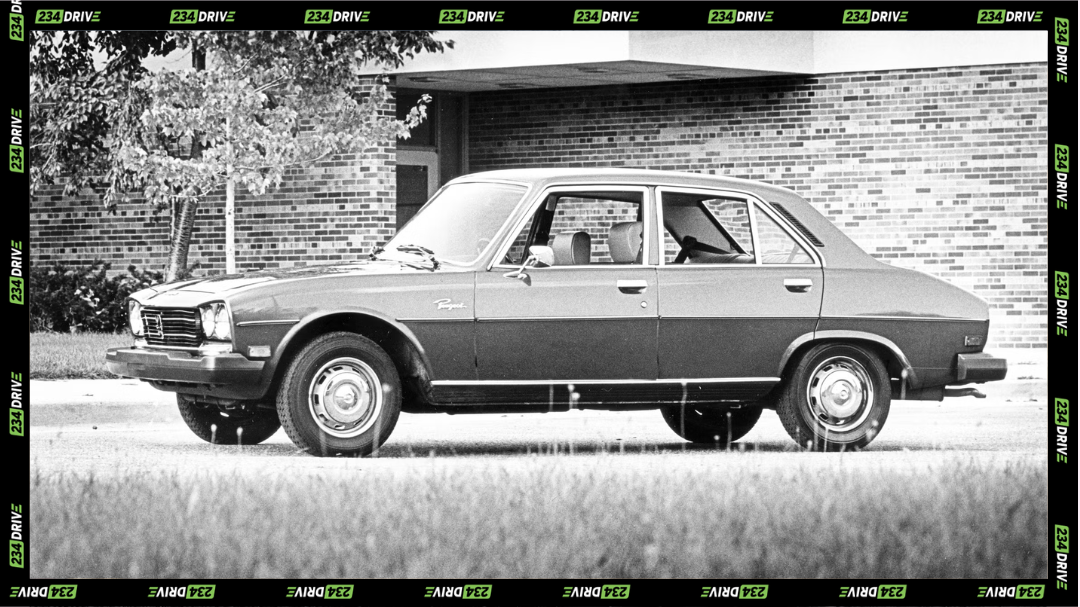
Rabiu was known to own two Rolls-Royces, a Mercedes-Benz saloon, multiple other luxury vehicles and even private jets. It was reported that he owned two private jets and spent about one million pounds to service and maintain them at the time. At the same time, he was said to occasionally move around in a Peugeot 504 for more discreet outings.
The Peugeot 504 would later be linked to one of the most widely discussed moments of his life. In 1979, following the death of his wife, Fatima, items from the house were reportedly placed in the trunk of that same vehicle, drawing attention during the investigation that followed.
The case drew national attention. He was charged in connection with her death, and although the initial trial ended in an acquittal, that decision was later overturned on appeal. He was eventually convicted of culpable homicide not punishable by death and sentenced to four years in prison, which he served before being released.
1970s – 1990s
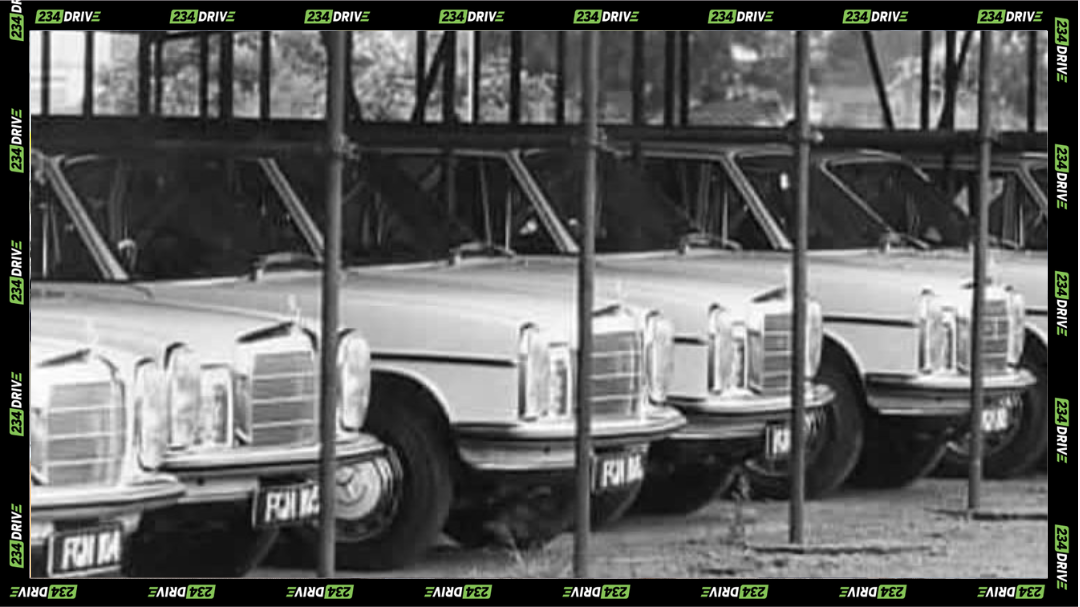
In the 1970s, 1980s and 1990s, certain billionaires and socialites became famous not just for what they owned but for how visibly they moved. Their fleets helped define status in a period when a Rolls-Royce, a Mercedes saloon or a convoy of imported luxury cars said as much as any title ever could.
Mai Deribe: Power, Mystery, and a Fleet That Outlived Him
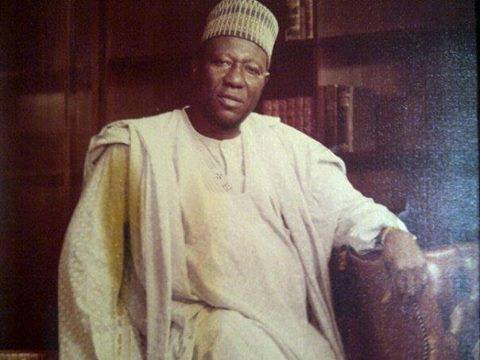
Mai Deribe (1924-2002) was a Borno-based businessman known for immense wealth, influence in oil-era Nigeria and a lifestyle that stood apart even amongst elites. His name carried weight in northern circles, tied to business interests that reportedly included oil, gold trading and real estate.
What makes Deribe’s fleet interesting is how little of it is actually documented. What is widely known and makes up his legend today leans heavily on viral footage showing more than 12 abandoned luxury vehicles within his Maiduguri estate, but that was only one of several properties tied to him.
In what can be considered the peak of his wealth in the 1980s, Rolls-Royces, Mercedes-Benz sedans and other European cars were regular purchases. He also owned a customised private jet.
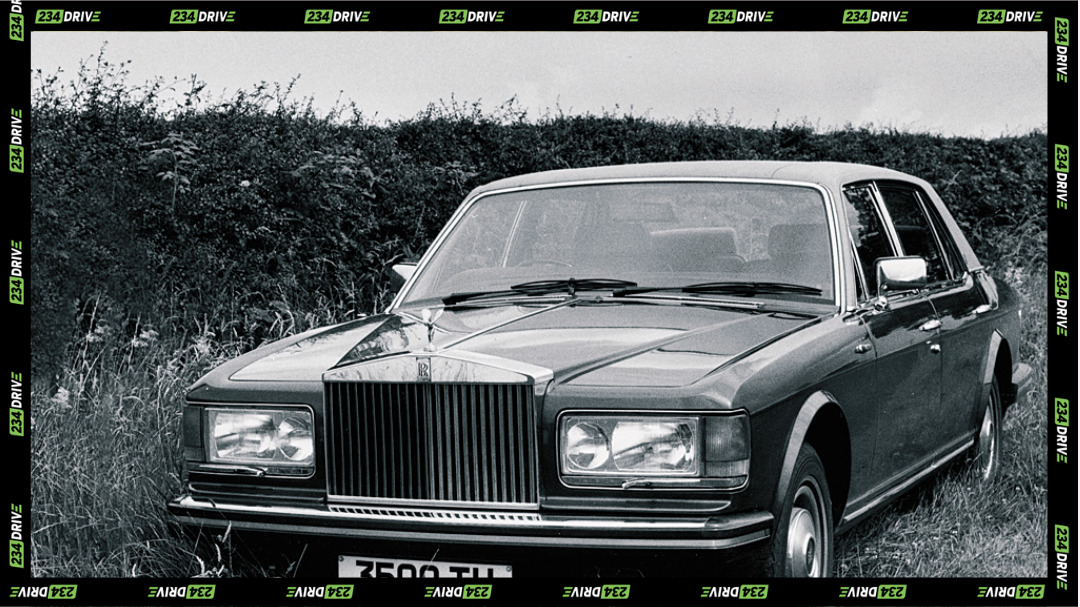
In a 2020 interview with the Daily Trust, the son of the Northern Nigerian business tycoon spoke about his father’s wealth: “… There are car parking spaces in almost every corner of this house. There’s no specific parking space for us except that of our late father, so everyone parks their vehicle wherever they wish. Because of the swathe of landscape, in the morning you will think it’s a car mart.”
This observation comes from someone who was no stranger to wealth himself.
M.K.O. Abiola: Corporate Power Reflected in Motion
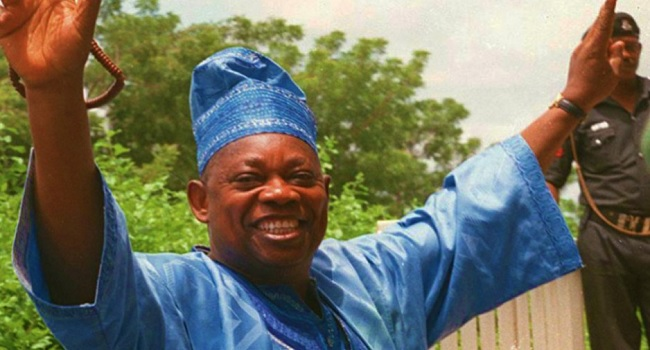
If Deribe carried mystery, Chief Moshood Kashimawo Olawale (M.K.O.) Abiola (1937-1998) represented structure. He became popular through business first—building one of Nigeria’s most expansive empires across telecommunications, aviation, publishing and oil—before politics elevated him into Nigeria’s national history.
His nickname “Father Christmas” wasn’t an exaggeration; that, along with Abiola’s entrepreneurial reputation, made him one of the richest men in Nigeria during the 1980s and 1990s.
His car fleet followed that same tone—opulence but with less spectacle and more authority. The most documented vehicle tied to him was the white Mercedes-Benz 300 S-Class (W140) in which his wife, Kudirat Abiola, was attacked in 1996.
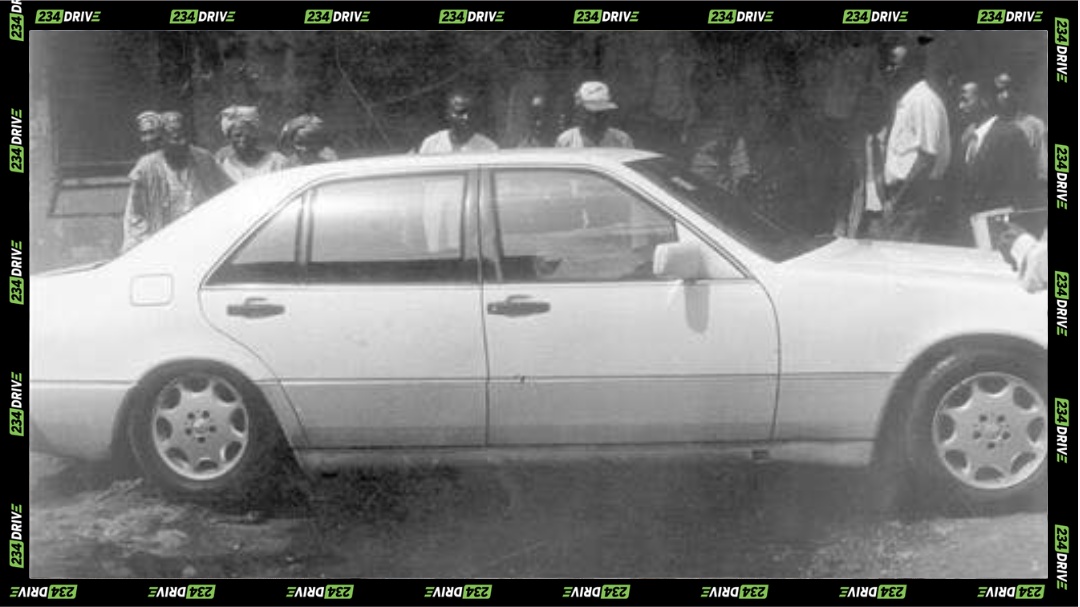
Beyond that, public records consistently point to multiple executive Mercedes-Benz sedans and official-style vehicles typical of high-ranking businessmen of that era.
But his reach went beyond the road.
Abiola maintained his own private jet. Alongside this, he owned Concord Airlines, which entered the Nigerian aviation space in 1990 and operated about four Fokker F27 aircraft as part of its fleet.
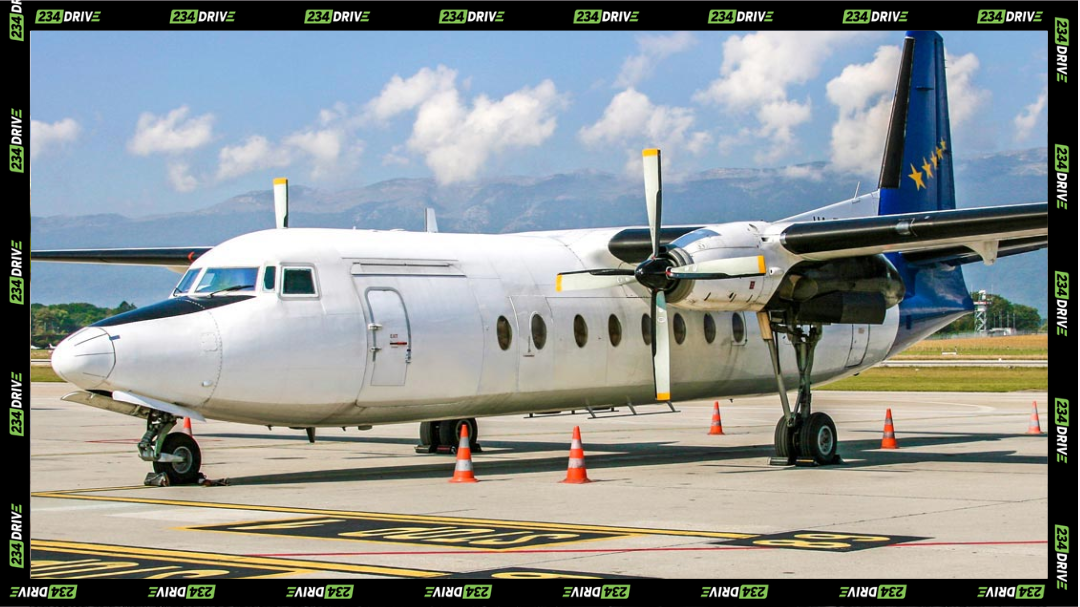
The airline itself did not lean heavily into regular passenger schedules. Instead, it was known more for charter operations, used for business movements, private engagements and controlled travel. That way of moving—direct, intentional and largely out of public reach—mirrored how he operated beyond business.
When he stepped into politics, that same influence followed. The annulment of the election cut short his 1993 presidential bid, which many believed he had won. What followed led to his detention and eventual death in 1998.
Today, he is remembered for the role he came to play in Nigeria’s June 12 struggle and widely regarded as the rightful winner of that election.
Victor Okafor “Ezego”: When Wealth Became a Performance
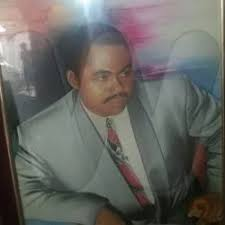
Then came Victor Nnamdi Okafor (1964-1999), widely known as Ezego, the “King of Money”. His popularity in the 1990s stemmed from the fact that he made his wealth impossible to ignore.
His source of wealth is often linked to oil trading and an early stake in the import-export business, with multiple accounts describing extensive property holdings across Lagos and Ihiala. But it was his cars that shaped how people saw him, so saying they announced his arrival would be no overstatement.
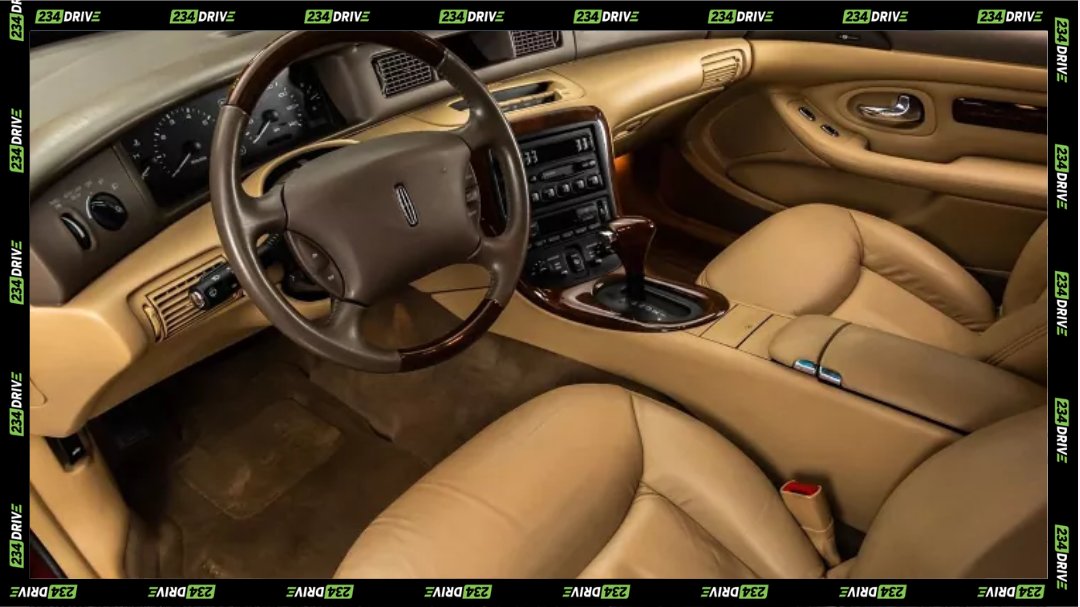
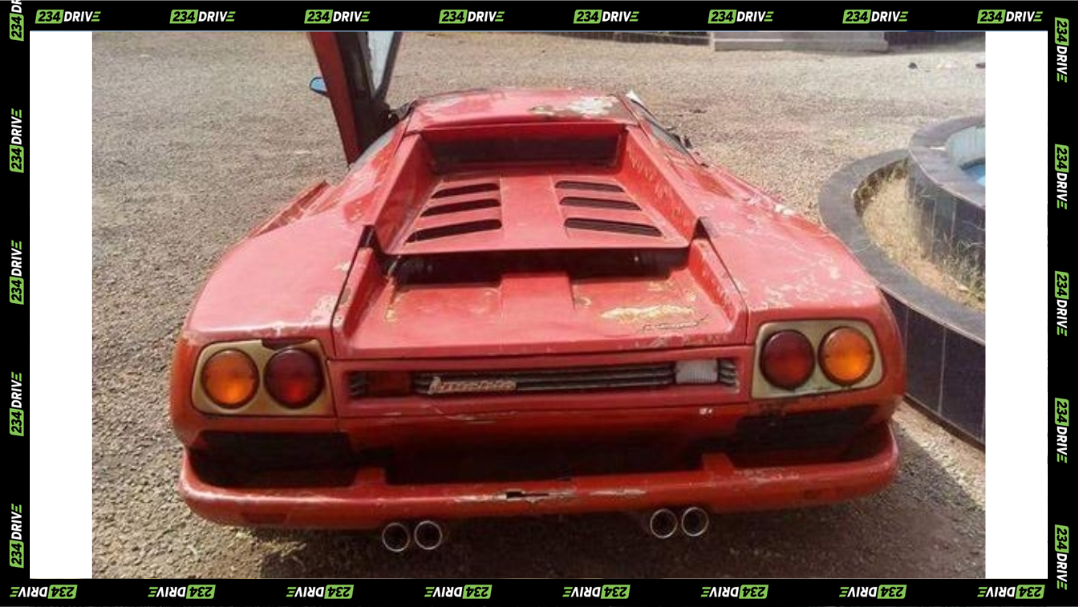
The car lineup included a Lincoln Continental Mark VIII, which was allegedly purchased for about ₦14 million in the 1990s (roughly ₦350 million to ₦580 million in today’s value). He also owned a Mercedes-Benz SL-Class convertible, linked to Moontrends Motors, as well as a vintage Lamborghini sports car, a Lexus SUV, a Jeep Cherokee and other high-end vehicles spread across his garages.
For someone whose life was closely tied to movement, it is striking how his story ends. On 25 December 1999, he was travelling from Lagos to Ihiala in a convoy that reflected the scale of his lifestyle. The lineup reportedly included a 1999 Lincoln Navigator, a limousine, a Lexus SUV, a blue Porsche, a Jeep Cherokee SUV and a Honda sedan.
Near Asaba, the Jeep Cherokee developed a fault and broke down. Ezego chose to use his Lexus SUV to tow it. A short distance later, he ran into a pothole and braked suddenly. The impact from the towed Cherokee collided into the Lexus he was driving and pushed him with the car into a deep ditch.
Cars Continue To Show Wealth And Status In Motion
These stories point to a pattern that has held over time. Wealth does not stay hidden. It moves, and cars carry it into view.
Each of these men understood that and built fleets that put their status on the road. Their cars reached the people who never saw their homes or knew the insides of their businesses.
That idea has not changed.
Today, new names continue the same pattern. From business figures to entertainers like Rema, Burna Boy and Tiwa Savage, mobility assets remain a clear expression of wealth—and that is not changing anytime soon.