
The Mercedes-Benz ML 350 remains a highly coveted luxury mid-size SUV in Nigeria, particularly within the foreign-used (AKA tokunbo) market. Despite its transition into the GLE-Class branding post-2015, the ML 350 nameplate continues to command exceptional demand. For luxury car buyers in Lagos, Abuja and other major cities, this vehicle strikes a balance between premium executive comfort, commanding road presence and the mechanical ruggedness required to survive demanding Nigerian road conditions.
However, purchasing a second-hand German luxury crossover requires strict due diligence. Neglected maintenance or a lack of understanding of the local market can turn this status symbol into a financial nightmare. This comprehensive review delivers an upfront breakdown of the current Mercedes Benz ML 350 price in Nigeria, analysing the mechanical specifications, common faults and key purchasing guidelines for the 2026 market using current listing data to guide prospective owners.
Current Mercedes-Benz ML 350 Price in Nigeria (2026)
The local price of an ML 350 is highly sensitive to the vehicle’s production year, mileage, import duty status and overall mechanical condition. While Nigerian-used units present a lower price point, they carry significantly higher risk. Clean, accident-free tokunbo imports command a premium.
The table below outlines current market prices across the two most popular generations:
| Generation / Model Year | Foreign-Used (Tokunbo) Price | Nigerian-Used Price |
| W164 Generation (2006–2011) | ₦7,800,000 – ₦15,000,000 | ₦5,700,000 – ₦9,500,000 |
| W166 Generation (2012–2014) | ₦17,000,000 – ₦25,500,000 | ₦12,000,000 – ₦16,000,000 |
| W166 Generation (2015) | ₦25,000,000 – ₦35,000,000 | ₦16,500,000 – ₦22,000,000 |
Note: Market prices fluctuate in response to foreign exchange volatility, changes in import tariffs and local fuel pricing.
Generational Differences Relevant to Nigeria
To make an informed purchase, buyers must distinguish between the two generations that dominate local listings on major online classifieds and verified dealership portals.
The Second Generation: W164 (2005–2011)
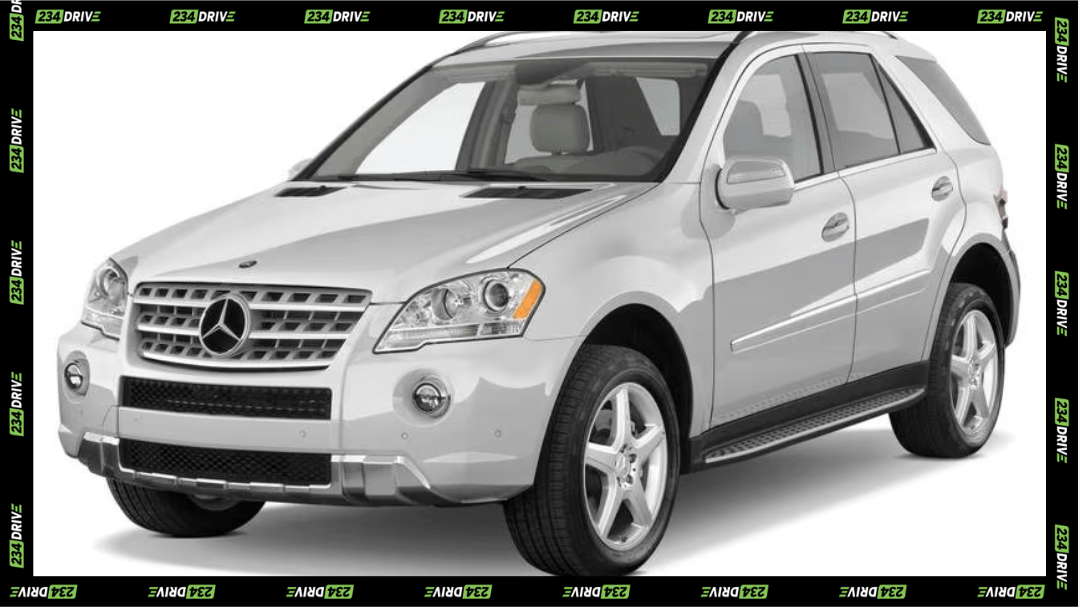
The W164 generation (2005–2011) marked a massive structural leap forward from the original body-on-frame M-Class, introducing a unibody construction that significantly improved ride quality and safety. Power typically comes from a 3.5-litre V6 engine delivering around 268 to 272 horsepower. While affordable, early W164 models (pre-2009) are notorious for balance shaft gear wear—a catastrophic engine fault. Buyers targeting this generation should focus exclusively on facelifted 2009 to 2011 models, which resolved this defect and offer improved electronic reliability.
The Third Generation: W166 (2012–2015)
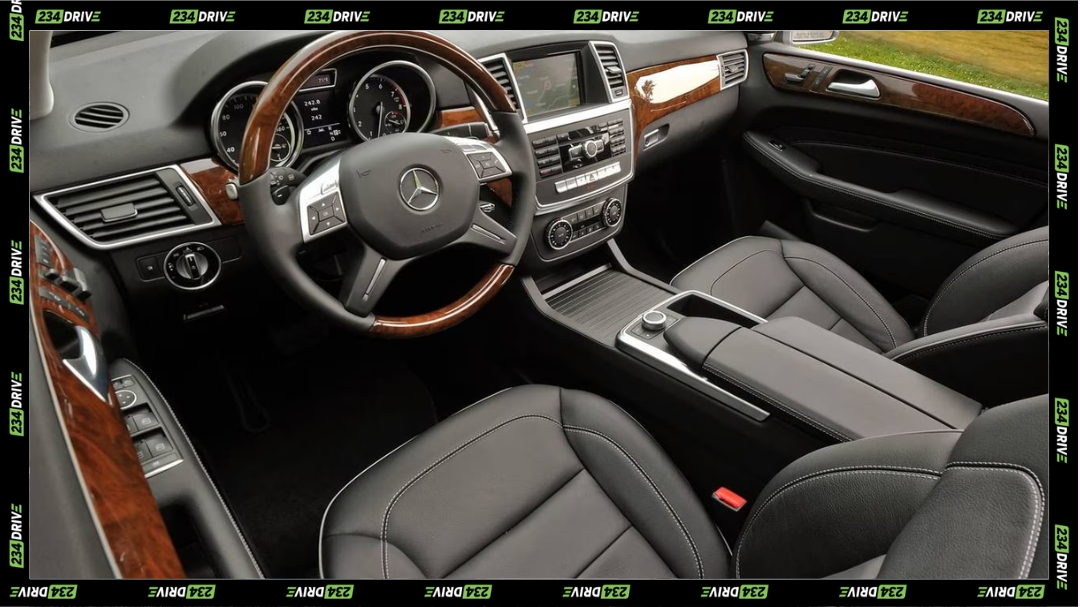
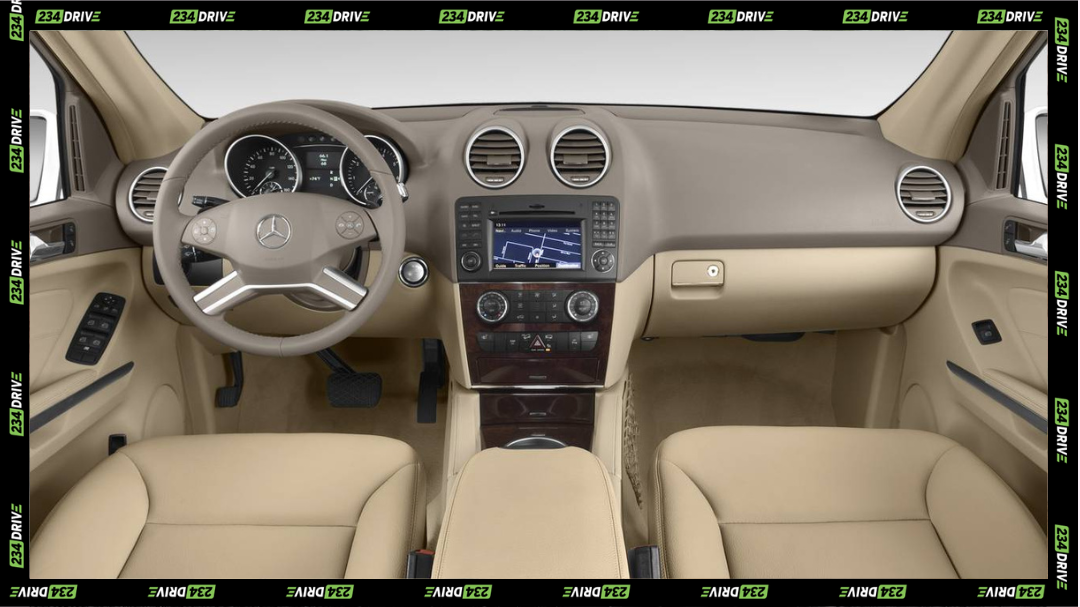
The W166 generation (2012–2015) is the premier sweet spot in the Nigerian used luxury SUV market. It features a modern, sculpted exterior design, a significantly quieter cabin and upgraded tech. The mechanical highlight is the direct-injection 3.5-litre M276 V6 engine, pushing out a robust 302 horsepower. Combined with a refined seven-speed automatic transmission, this generation delivers effortless acceleration and highway performance, making it the most desirable variant in the country.

Key Technical Specifications (W166 2012–2015 Focus)
The table below highlights the key technical parameters of the W166 ML 350, compiled from official manufacturer specifications to ensure precision:
| Specification Parameter | Technical Detail |
| Engine Type | 3.5-litre naturally aspirated V6 gasoline (M276) |
| Horsepower | 302 hp @ 6,500 rpm |
| Torque | 273 lb-ft @ 3,500 rpm |
| Transmission | 7G-TRONIC PLUS 7-speed automatic |
| Drivetrain | Rear-wheel drive (RWD) standard; 4MATIC All-wheel drive (AWD) optional |
| Fuel Tank Capacity | 93 litres |
| Real-World Fuel Economy | 14–18 mpg combined (highly dependent on Lagos gridlock and AC usage) |
| Seating Capacity | 5 occupants |
Pros: Why the ML 350 Remains a Top Choice
For buyers who can afford its upkeep, the ML 350 offers concrete advantages in the local environment:
The vehicle provides undeniable prestige and status, with the three-pointed star commanding immediate social respect in Nigerian business and social settings. Inside, the passenger comfort is exceptional, featuring high-grade leather, a spacious cabin, expansive cargo room and superior NVH (noise, vibration and harshness) insulation that provide a serene sanctuary from chaotic city traffic.
Furthermore, its high ground clearance allows the ML 350 to navigate mild flooding and moderately damaged inner roads without scraping its undercarriage. Unlike rarer European alternatives, the local service ecosystem is well developed, meaning spare parts and specialised diagnostic technicians are readily accessible in major automotive hubs like Ladipo, Westminster and Abuja.
Cons: Known Failures and Ownership Pitfalls
Prospective owners must budget for the higher maintenance costs associated with premium German engineering. Below are the most frequent owner complaints and mechanical vulnerabilities found in used ML 350 models:
AIRMATIC Suspension Failures
Models equipped with the optional AIRMATIC air suspension system deliver a pillowy ride, but they are highly vulnerable to the harsh, hot and dust-heavy driving conditions in Nigeria. The air bags dry-rot and crack over time, resulting in a collapsed suspension. Replacing these components with genuine parts is extremely costly, leading many Nigerian owners to convert their air suspension to standard coil springs to eliminate future failures entirely.
Fuel Quality Sensitivity
The direct-injection M276 V6 engine relies on high-pressure fuel pumps and precision injectors. This system is exceptionally sensitive to low-grade or contaminated petrol, which is common in some local filling stations. Poor fuel quality leads to clogged injectors, carbon build-up on intake valves and premature catalytic converter failure, resulting in engine misfires and a persistent check engine light.
Electrical and Water Intrusion Issues
The W164 and W166 models can suffer from degraded rubber seals around the rear tail lights. During heavy rainy seasons, water can leak into the rear quarter panels, dripping directly onto the Rear Signal Acquisition Module (SAM). This water intrusion shorts out the SAM, causing erratic electrical failures ranging from non-functioning indicators to a complete vehicle immobilisation.
Practical Buying Tips for Nigeria
If you want to ensure your purchase is a reliable cruiser rather than a source of financial stress, follow these essential guidelines:
First, prioritise tokunbo units over locally used versions. Tokunbo vehicles have run on superior fuels and smooth roads, meaning their suspension and engine internals are generally in better health. Second, always perform a comprehensive diagnostic scan. Hire a certified Mercedes-Benz specialist to run a full OBD-II scan on all control modules, paying close attention to transmission shift patterns and engine timing codes.
Third, verify customs documentation. Due to strict local enforcement, always verify that the vehicle’s customs duty papers are authentic and fully paid to prevent seizure by law enforcement agencies. Fourth, factor in the clearing and duty margins. If you plan to import the vehicle yourself, remember that under 2026 guidelines, older passenger vehicles face a combination of import duty and the NAC levy.
Is the ML 350 Worth It in 2026?
For the buyer who prioritises absolute comfort, prestige and high-speed highway stability—and possesses the financial discipline to maintain it—the Mercedes-Benz ML 350 is highly recommended. It stands out as a robust machine that handles Nigerian terrain with far more grace than low-riding luxury sedans.
However, if your primary goal is low-cost commuting and trouble-free maintenance, Japanese alternatives like the Toyota Highlander or Lexus RX remain the more logical choice. The ML 350 is a precision instrument; treat it with proactive maintenance and quality parts, and it will deliver years of premium executive service.