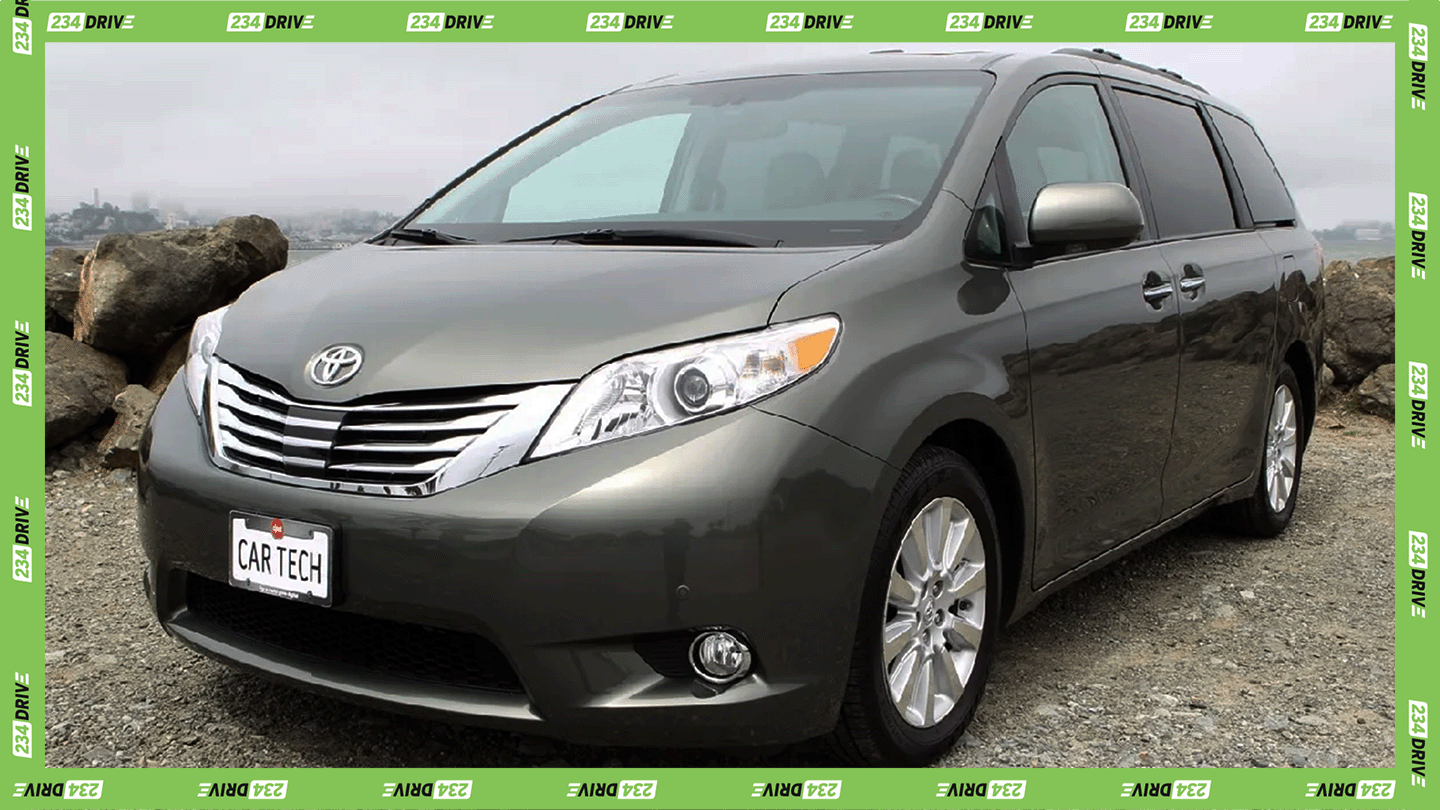

Stand at the edge of the Third Mainland Bridge on a Tuesday morning and watch the traffic flow towards the Island. Look left, right or straight ahead. The probability that the vehicle immediately in your line of sight bears the interlocking oval badge of a Toyota is overwhelmingly high. In a country with the largest vehicle fleet in West Africa—an estimated 11 to 12 million registered vehicles—one brand holds an outsized share of the mobility ecosystem.
The dominance of Toyota car models in Nigeria is not an accident of marketing. It is a calculated economic response by everyday Nigerians, fleet owners and transport operators to the realities of our infrastructure deficit, fluctuating fuel costs and aftermarket maintenance culture. Whether it is a brand-new official import or a 10-year-old Tokunbo, Toyota is the undeniable operating system of Nigerian roads.
This is the data and the reality behind the dominance as we navigate the mid-2026 mobility landscape.
The Architecture of Supply: Official vs Parallel
To understand how these vehicles populate our cities, one must understand the supply chain. The Nigerian automotive market is effectively split into two distinct realities: the official new vehicle market and the massive parallel used import sector.
The official distribution landscape is driven by two corporate pillars. Toyota (Nigeria) Limited (TNL) established its foothold in 1996, building on historical distributor agreements dating back to 1968. For decades, it operated as the sole official channel, working through a network of accredited dealers like Elizade Nigeria Limited alongside Mandilas Motors and Germaine Auto Centre to supply the corporate and high-net-worth market.
However, the ecosystem evolved significantly in May 2023 when CFAO Motors was appointed as the second official distributor. As a subsidiary of Toyota Tsusho Corporation, Toyota by CFAO leverages the largest automotive distribution network on the continent. Both official channels offer significant peace of mind, typically providing a manufacturer warranty of three years or 100,000 kilometres to ensure the brand’s footprint remains robust across the commercial and passenger segments.
While new vehicle sales experienced strong growth recently—hitting roughly 19,600 units in 2025 across all brands—they remain a fraction of the overall picture. Approximately 90% of vehicles on Nigerian roads are used imports, widely known as Tokunbo. Sourced primarily from the United States, Japan and Europe, these used models are what truly cement Toyota’s 70% visible market share on our streets.
The Kings of the Road
When evaluating the most popular cars in Nigeria, the list reads like a Toyota inventory catalogue. Different models serve highly specific socio-economic functions across the country.
The Urban Staples: Corolla and Camry
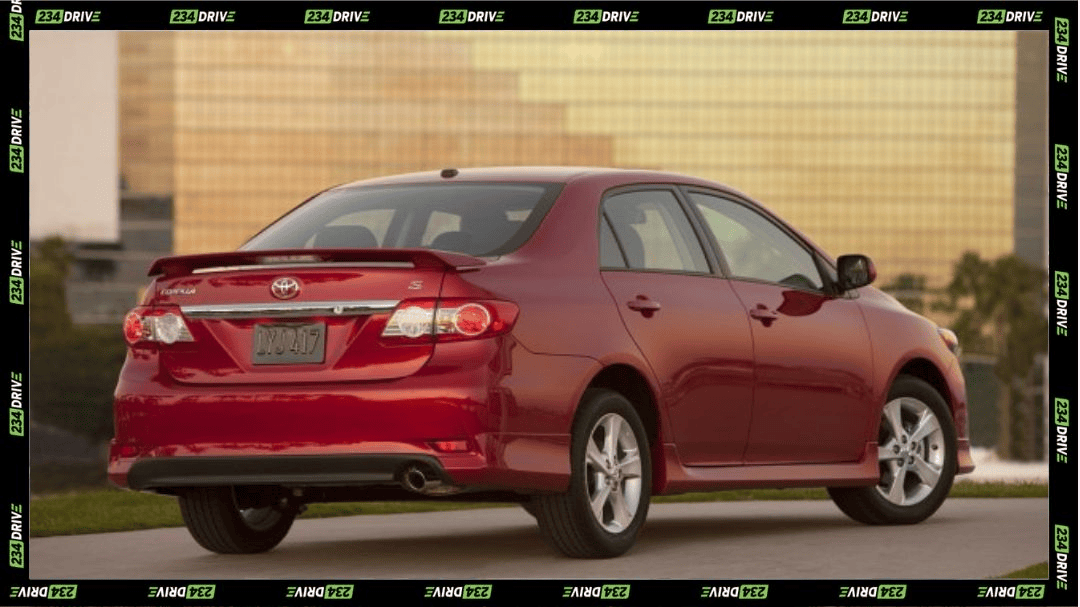
The Toyota Corolla is the undisputed king of the Nigerian road. Extremely common in the Tokunbo market, particularly the 2014 to 2021 generations, the Corolla is the default choice for the urban professional, the e-hailing driver and the small business owner. Its appeal lies in its straightforward engineering and remarkable fuel efficiency, delivering roughly 12 to 15 kilometres per litre in real-world Nigerian traffic conditions.
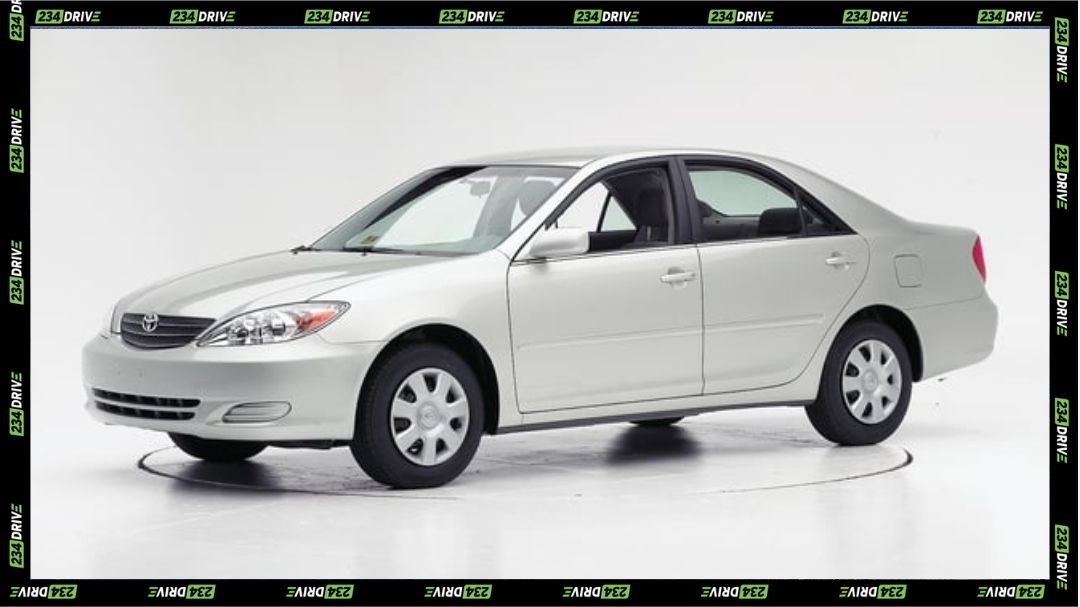
Sitting just above it is the Toyota Camry. Historically beloved in its 2007 to 2011 iteration—fondly dubbed the ‘Big Daddy‘ by local dealers—the Camry offers comfort and status without the luxury price tag. It remains a top choice for mid-level executives and families seeking reliability with a slightly wider wheelbase for highway stability.
The Commercial Heavyweights: Hiace and Hilux
If the Corolla moves the individual, the Hiace and the Hilux move the economy.
The Toyota Hiace is the dominant commercial van in Nigeria. It is the backbone of inter-state travel, the standard for school buses and the modern replacement for the traditional yellow danfo in formalised urban transit fleets. Transport operators rely on the Hiace because its engine can withstand the gruelling reality of 14-hour operational days with minimal downtime.
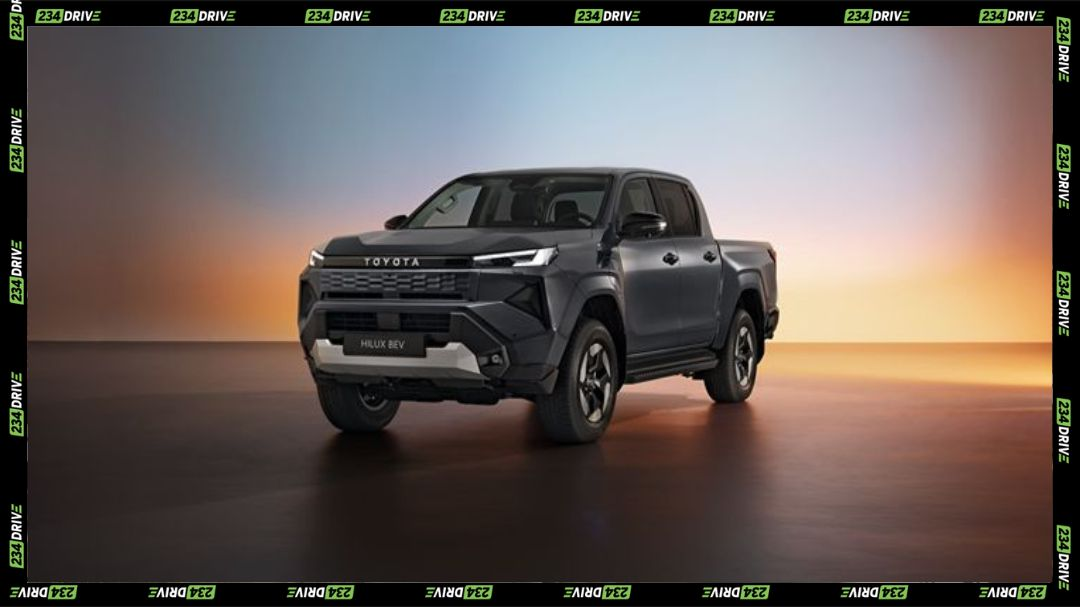
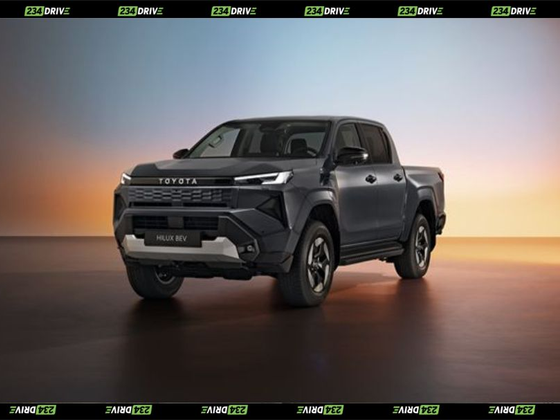
The Toyota Hilux, meanwhile, is the best-selling new vehicle in the country. Available in multiple variants including single cab, double cab, petrol and diesel, the Hilux is favoured for its sheer durability. It is the vehicle of choice for corporate fleets, construction logistics, agricultural transport and security details. Where the infrastructure deficit is most pronounced, the Hilux thrives.
The Status Symbols: SUVs and Crossovers
Nigerian mobility is heavily dictated by ground clearance. As a result, Toyota’s SUV lineup commands immense respect and high demand. The Land Cruiser Prado and the flagship Land Cruiser 300 (LC300) are the ultimate symbols of political and corporate arrival. They offer bulletproof reliability paired with the ability to glide over flooded roads and broken tarmac.
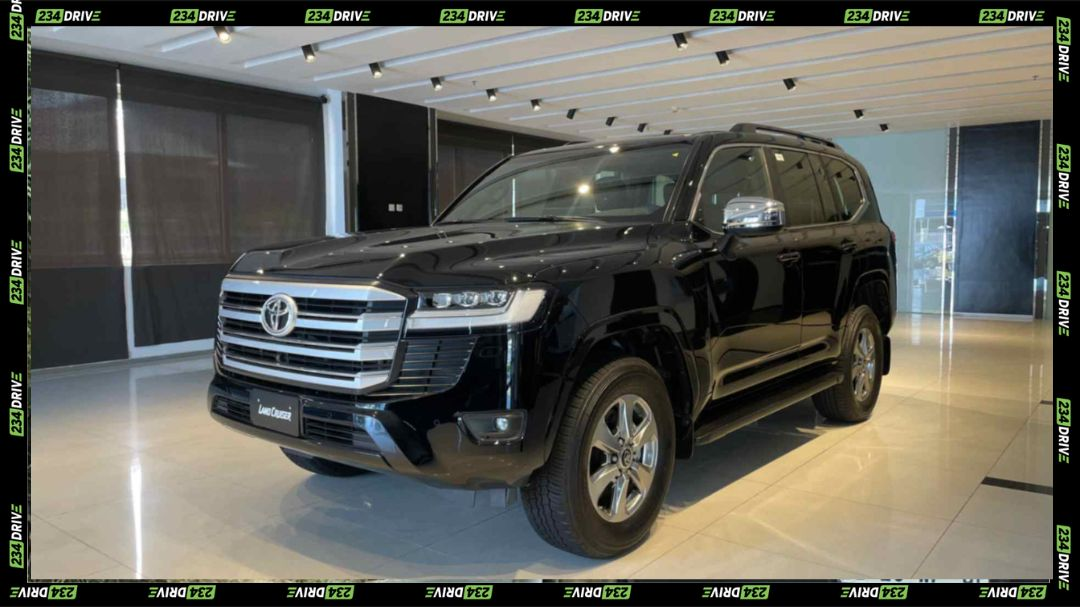
Toyota Land Cruiser (LC300). Source: Toyota Nigeria
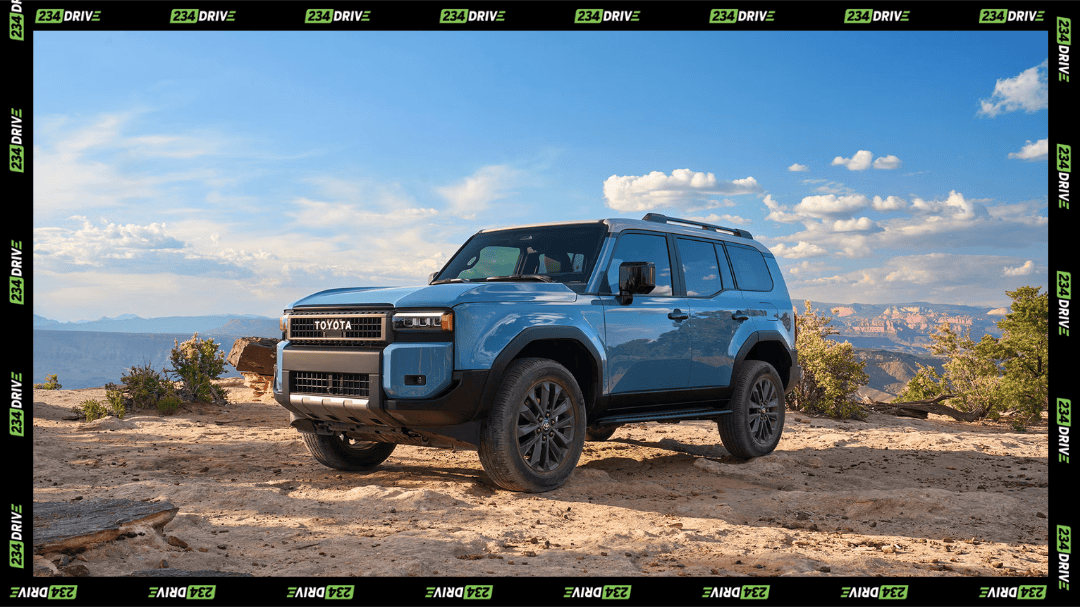
For the younger demographic and smaller families, the Toyota Rush has emerged as a highly popular compact SUV. Its relatively affordable entry point, high ground clearance and efficient 1.5-litre engine make it perfectly suited for navigating Lagos or Abuja without the running costs of a larger V6 engine. The RAV4 and Highlander remain dominant in the Tokunbo SUV space, frequently chosen by diaspora returnees and corporate professionals.
The Economics of Ownership in 2026
Pricing in the Nigerian automotive market fluctuates wildly with exchange rates, import duties and the specific condition of the vehicle. By mid-2026, the cost of mobility requires serious capital investment, yet buyers continue to pay the Toyota premium because the long-term arithmetic makes sense.
For those engaging with new car sales via parallel imports or official dealers, the numbers are substantial. A brand new 2024 to 2026 Toyota Hilux is commonly listed between ₦51 million and ₦105 million, with fully loaded Adventure or GR diesel variants pushing well past that range depending on the dealer.
The entry into the Toyota ecosystem has also shifted. Official entry models like the Starlet, Urban Cruiser and Rumion offer a more accessible price point for corporate fleet buyers, though they still command tens of millions of Naira. At the top end, a new Land Cruiser Prado demands roughly ₦100 million to ₦133 million, while the LC300 requires significantly more capital.
In the lifeblood Tokunbo market, prices remain heavily dictated by the dollar. A clean, foreign-used Corolla currently ranges from ₦7 million to ₦18 million depending on the year and trim. Used Camrys sit squarely in the ₦9 million to ₦25 million bracket.
While these figures represent a massive financial hurdle for everyday Nigerians, the logic behind the purchase remains unshakeable. A Toyota is not just a vehicle; it is a store of value.
Why Toyota Holds the Crown
The persistence of Toyota car models in Nigeria cannot be entirely explained by the vehicles themselves. It is explained by the ecosystem that has grown around them.
First is the legendary durability. Toyota vehicles, particularly those built to tropicalised specifications for the African climate, are uniquely suited to our terrain. The suspension systems are forgiving, the air conditioning units are robust enough for 35-degree heat and the engines are famously tolerant of varying fuel quality.
Second is the democratisation of maintenance. You do not need a specialised, computer-heavy diagnostic centre to replace the brake pads on a 2016 Corolla. Every mechanic from the sprawling stalls of Ladipo market to the roadside workshops in Kano understands the anatomy of a Toyota. Spare parts are ubiquitous. If a water pump fails on a trip from Lagos to Enugu, the operator knows they can find a replacement part in the next major town. This availability drastically lowers the total cost of ownership and eliminates the anxiety of being stranded.
Finally, there is the unmatched resale value. In a volatile economy, a vehicle that holds its value is a critical asset. A well-maintained Toyota Hilux or Camry can be driven for three years and resold with minimal depreciation. For fleet operators and private owners alike, this liquidity makes the initial high purchase price a justifiable investment rather than a sunk cost.
The Future of the Fleet
As we look beyond 2026, the mobility landscape is slowly shifting. We are beginning to see the introduction of hybrid models like the Corolla Cross HEV, though these remain a niche segment due to high acquisition costs and a lack of supportive infrastructure.
Furthermore, while Nigeria possesses the largest vehicle fleet in the region, the absence of a major, large-scale local Toyota assembly plant means we remain heavily reliant on fully built imported units. Until local manufacturing scales up to meet domestic demand, the Tokunbo market will continue to be the primary gateway to vehicle ownership for everyday Nigerians.
African mobility is defined by resilience. It requires vehicles that do not just perform in ideal conditions but survive in the harshest ones. As long as our roads demand toughness and our economy demands efficiency, the interlocking ovals of Toyota will continue to dominate the Nigerian commute.