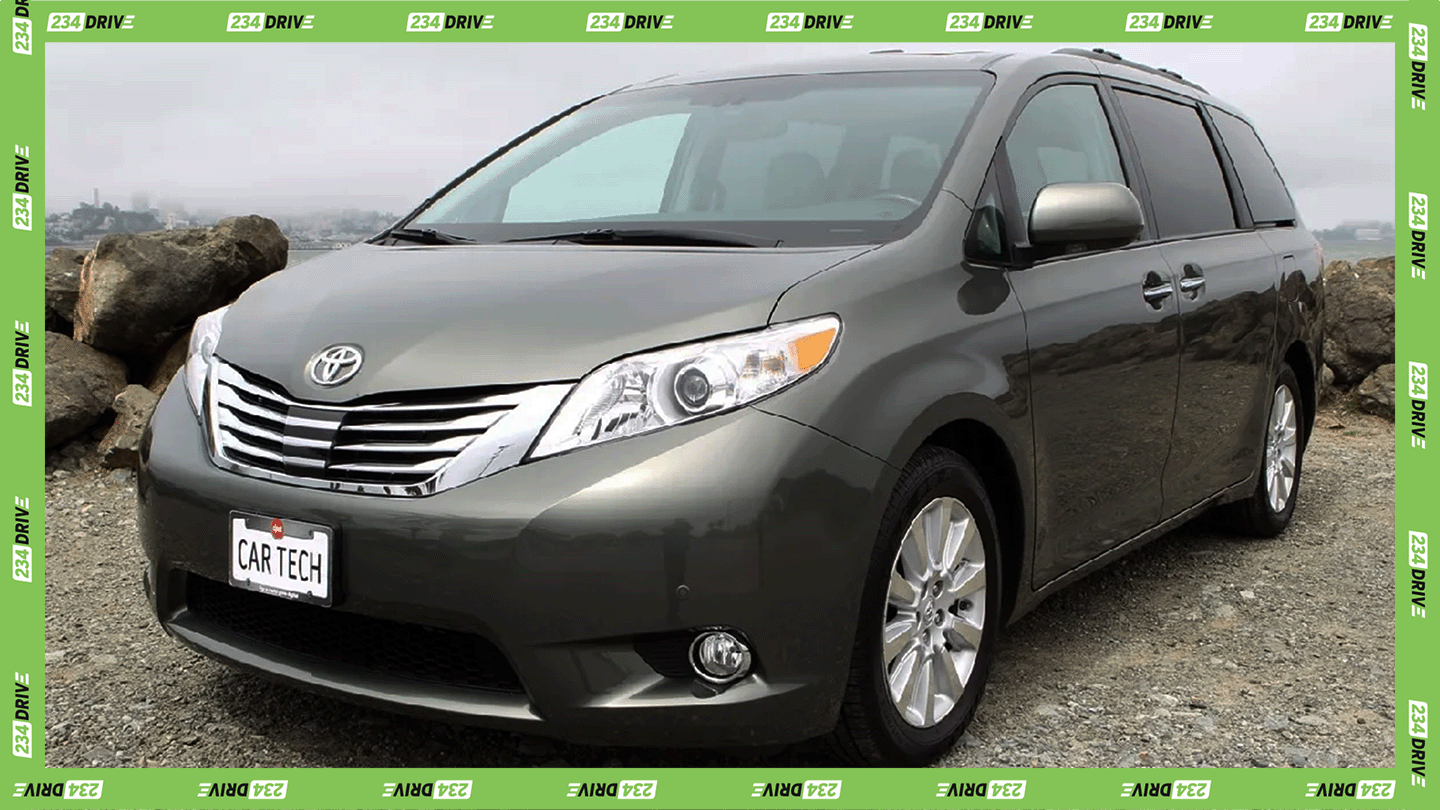

The Nigerian automotive market operates on a unique set of economic rules where liquidity and risk dictate value far more than prestige. Walk into any major car lot in Lagos, Abuja or Port Harcourt and you will witness a strange phenomenon. A clean, registered 2008 Toyota Corolla—the ubiquitous yardstick of the ride-hailing industry—frequently commands between ₦5 million and ₦7 million. Commuters and transport operators pay this premium because the vehicle represents bulletproof reliability, low fuel consumption and a guaranteed resale market.
Yet, for that exact same budget, a daring buyer can secure an executive cruiser that commands instant authority at corporate gates and social gatherings. These vehicles originally cost over ₦20 million when new but have suffered massive depreciation on the secondary market. Buyers routinely shun them because of high running costs, scarcity of specialist mechanics or terrifying horror stories shared online. If you understand how to navigate their mechanical quirks, these ten used luxury cars offer unparalleled road presence for a fraction of the cost of a boring commuter sedan.
The Risk Discount: Why Luxury Resale Value Tanks
In Nigeria, a car is not just a means of transport—it is a liquid asset. The Toyota Corolla maintains its high value because it can be converted back to cash within 24 hours. Roadside mechanics from Mushin to Gwarinpa can service a Corolla with their eyes closed, and spare parts are sold on almost every street corner. This ease of ownership creates a massive demand that inflates the price of standard Japanese commuter cars.
By contrast, used luxury cars suffer from a heavy risk discount. The market penalises complex German electrical systems, British engineering faults and fuel-guzzling American V8 engines. When a luxury vehicle develops a fault, an inexperienced roadside mechanic can easily compound the problem, leading to expensive repairs. Additionally, the recent impact of fuel subsidy removal has made high-displacement engines highly unpopular, driving their prices down even further.
10. BMW 5 Series E60 (2003–2010)
Price Range: ₦4 million – ₦5 million
The E60 generation of the BMW 5 Series remains one of the most timeless executive sedans ever designed. With its aggressive headlamps and muscular stance, the vehicle easily looks like a ₦10 million acquisition to the untrained eye. However, the E60 has acquired a massive stigma in Nigeria due to its demanding maintenance schedule and complex engineering.
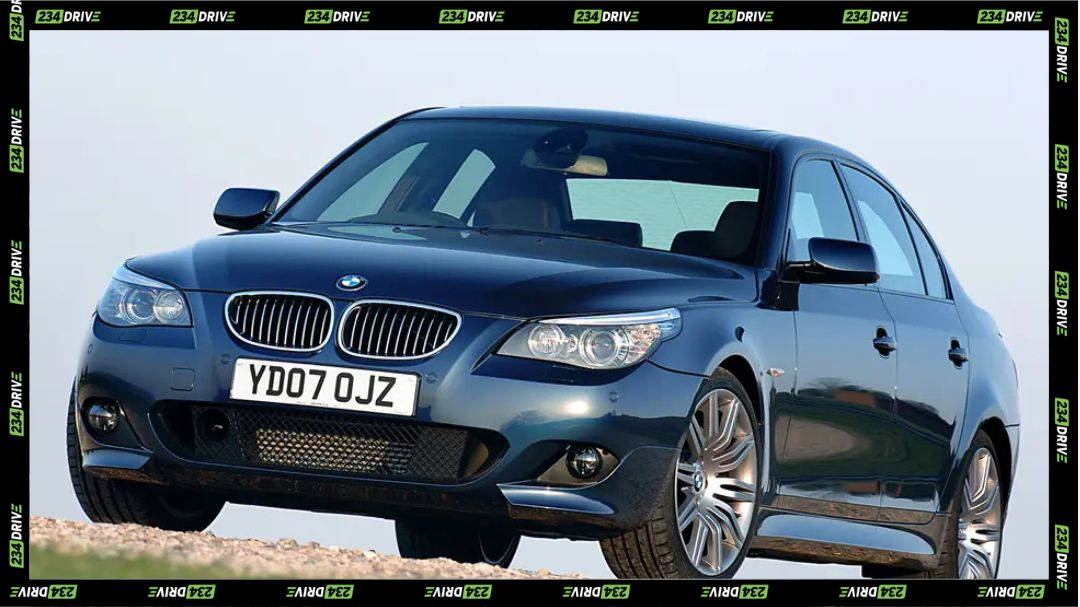
Under the hood, this mid-size sedan suffers from frequent oil leaks around the valve cover gasket and oil filter housing. The cooling loop relies heavily on plastic connectors that quickly become brittle and crack under intense Nigerian heat waves. To enjoy this vehicle, you must target the naturally aspirated inline-six engines found in the 525i, 528i or 530i models. These engines are far more robust than the twin-turbocharged variants, provided you follow a strict preventative maintenance guide and replace cooling components before they fail.
9. Audi A6 C6 Generation (2004–2011)
Price Range: ₦2.5 million – ₦4.5 million
The Audi A6 C6 is an incredibly handsome sedan that offered cutting-edge design and German poise when it debuted. Today, you can acquire this machine for less than the price of a local used hatchback because of its notoriously complex electronics. The vehicle is packed with sophisticated wiring systems that quickly overwhelm generalist mechanics, leading to frustrating diagnostic errors.
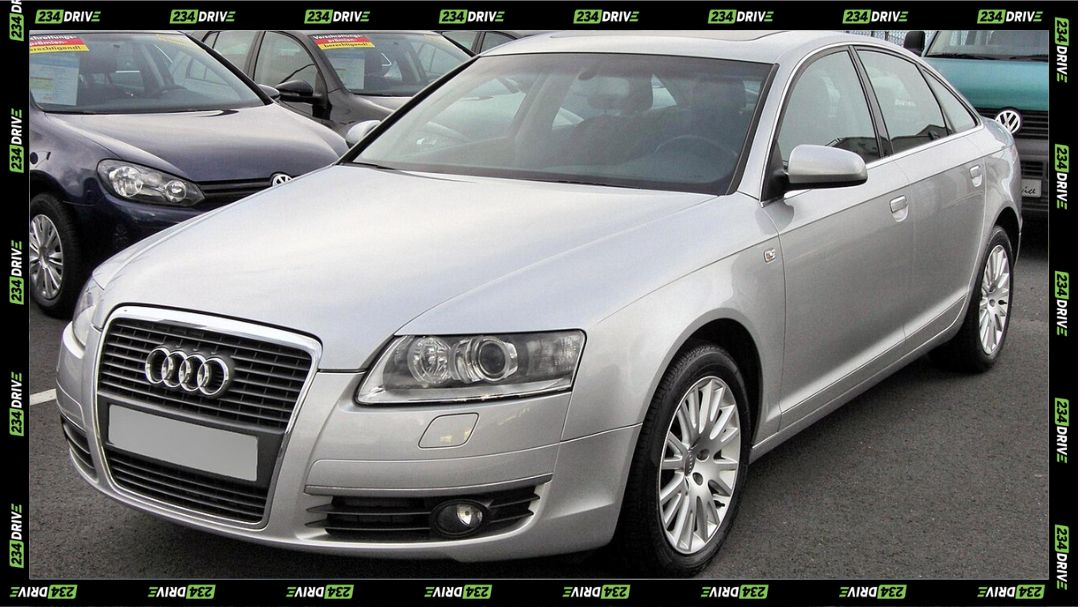
Mechanically, many C6 engines utilise Fuel Stratified Injection (FSI) or Turbo Fuel Stratified Injection (TFSI) systems. These direct-injection engines are highly susceptible to severe carbon buildup on the intake valves, which restricts airflow and causes rough idling. Coupled with weak timing chain tensioners and electric parking brake failures, the C6 can quickly become a financial headache. If you must buy one, choose the naturally aspirated 3.0-litre V6 FSI and ensure you have a dedicated Audi specialist on speed dial.
8. Infiniti G35 (2002–2008)
Price Range: ₦2.8 million – ₦4.5 million
The Infiniti G35 represents Honda’s luxury rival under the Nissan umbrella, and it remains one of the most undervalued performance bargains in Nigeria. It features a muscular silhouette, comfortable leather interior and the legendary VQ35 engine also found in the Nissan 350Z sports coupe. Despite these credentials, its resale value has tanked due to the general Nigerian suspicion of the parent brand Nissan.
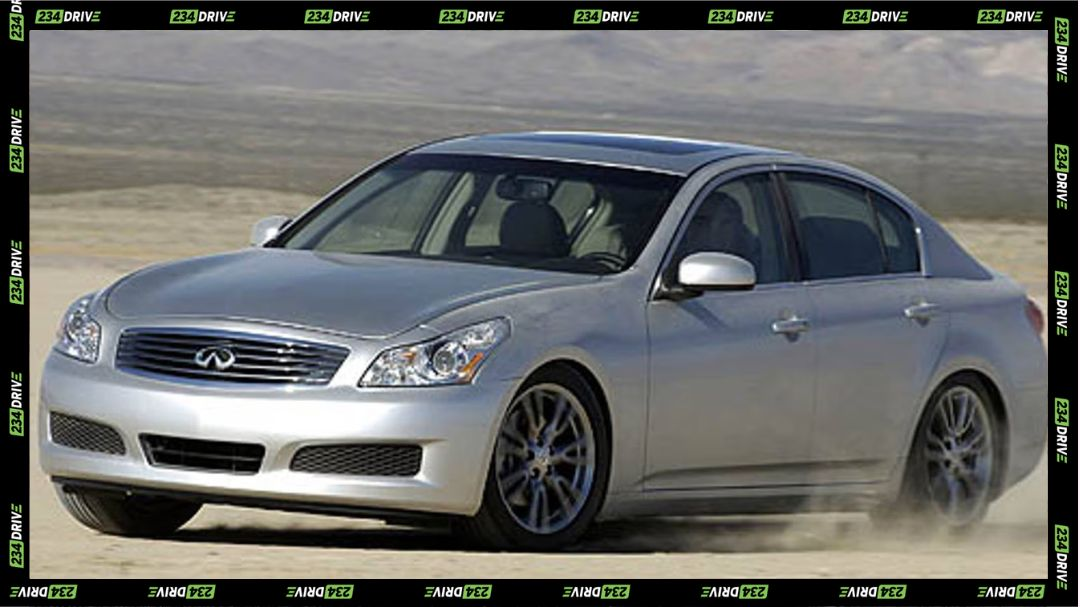
Many local buyers believe that if standard Nissan models are difficult to maintain, their luxury equivalents will be even worse. In reality, the G35 is highly robust and requires only basic upkeep compared to its European rivals. The most common issues are minor, such as cracking dashboard plastics, high oil consumption at high mileage and faulty camshaft position sensors. If you want a stylish, rear-wheel-drive sedan with a sporty exhaust note, the G35 is a highly practical choice.
7. BMW 3 Series E90 (2005–2013)
Price Range: ₦4 million – ₦5.5 million
The BMW E90 3 Series is widely celebrated by enthusiasts for its perfect weight distribution and highly engaging steering feel. The facelifted Life Cycle Impulse (LCI) models produced from 2009 onwards look exceptionally modern with updated LED light clusters. Unfortunately, many Nigerian buyers purchase these cars without performing a thorough check, only to fall victim to a silent cooling failure.
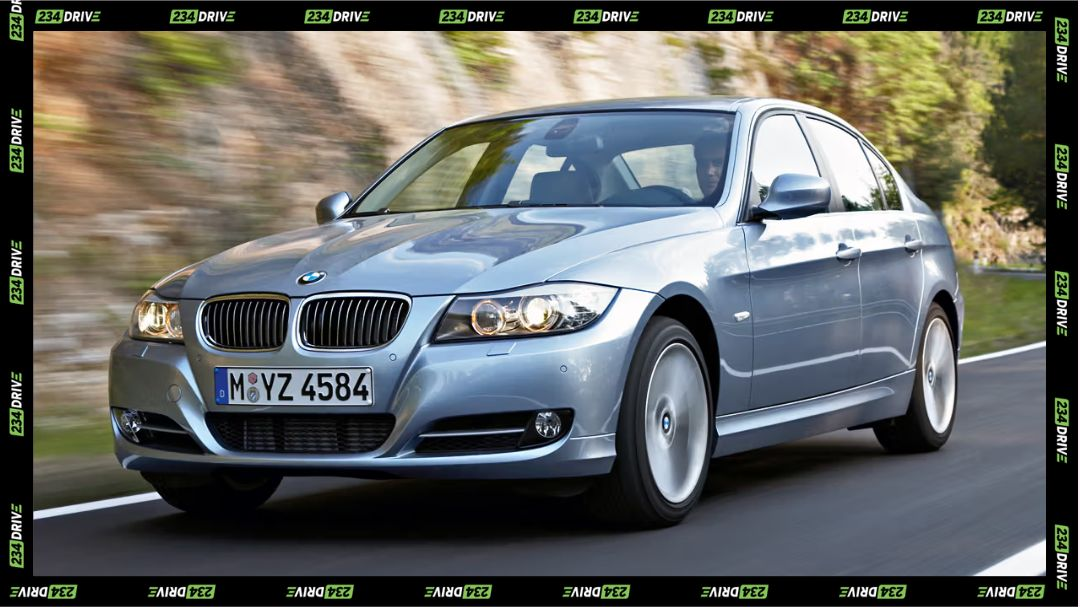
Unlike older vehicles that use belt-driven water pumps, the E90 utilises an electric water pump managed by the car’s engine control module. When this pump fails, it does so without throwing an immediate warning light, causing the engine to overheat rapidly and blow the head gasket. Other common issues include oil leaks from the oil filter housing and VANOS variable valve timing solenoid glitches. By replacing the water pump preventatively and scanning the electronics regularly, you can easily run this highly rewarding sports sedan.
6. Volkswagen Passat CC (2008–2017)
Price Range: ₦4 million – ₦6.5 million
With its sleek, coupe-like roofline and frameless doors, the Volkswagen Passat CC is a gorgeous vehicle that turns heads on any Nigerian road. It looks like a premium, modern four-door coupe that should cost double its actual market price. Sadly, the Passat CC carries a notorious reputation for complex mechanical failures that keep average buyers away.
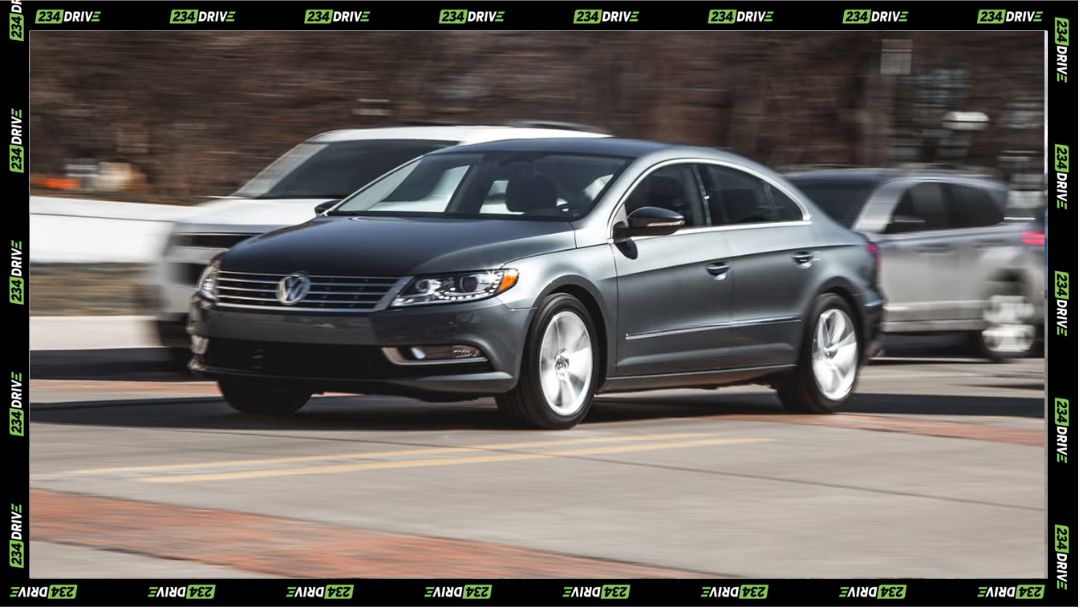
The primary culprit is the Direct-Shift Gearbox (DSG) dual-clutch transmission, which offers lightning-fast shifts but suffers from mechatronic unit failures. When the mechatronic unit fails, the transmission refuses to select gears, leaving the driver stranded on the highway. Additionally, the turbocharged 1.8-litre and 2.0-litre engines suffer from carbon buildup and timing chain tensioner failures that can lead to catastrophic engine damage. Buying a Passat CC requires a comprehensive pre-purchase electronic scan to ensure all modules are functioning perfectly.
5. Acura TL Fourth Generation (2009–2014)
Price Range: ₦4 million – ₦5.5 million
The fourth-generation Acura TL is often called the ‘Batmobile’ due to its controversial metallic beak grille and matching angular rear design. Because Acura is the luxury division of Honda, the TL comes equipped with powerful, reliable V6 engines and a highly comfortable cabin. It suffers from low resale value simply due to the ‘Lexus effect’—the overwhelming Nigerian preference for Toyota’s luxury arm.
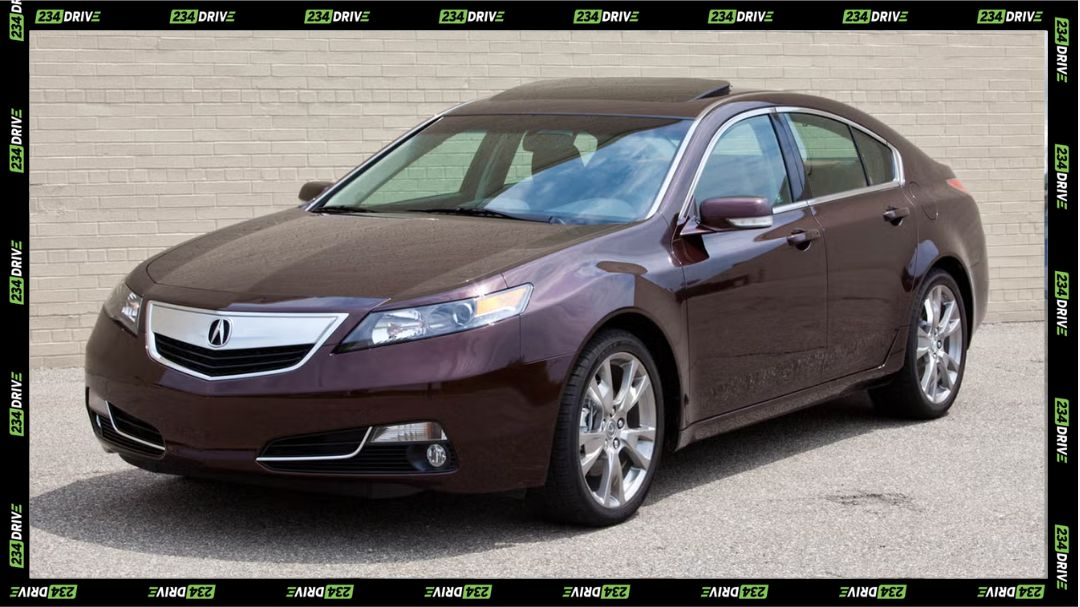
Since the market ignores Acura, smart buyers can secure a highly reliable luxury sedan for very little money. The issues on the Acura TL are straightforward, such as power steering pump leaks, cracking leather dashboards, worn engine mounts and basic suspension bushing wear. Most of these components are shared with the standard Honda Accord V6, making spare parts highly accessible and affordable at local markets.
4. Mercedes-Benz E-Class W211 (2002–2009)
Price Range: ₦3.5 million – ₦5.5 million
The W211 Mercedes-Benz E-Class represents a classic era of executive styling, offering an imposing road presence and a beautifully crafted interior. It remains a favorite among professionals who want premium comfort without spending tens of millions of Naira. However, pre-facelift models are heavily discounted due to a highly sophisticated braking component.
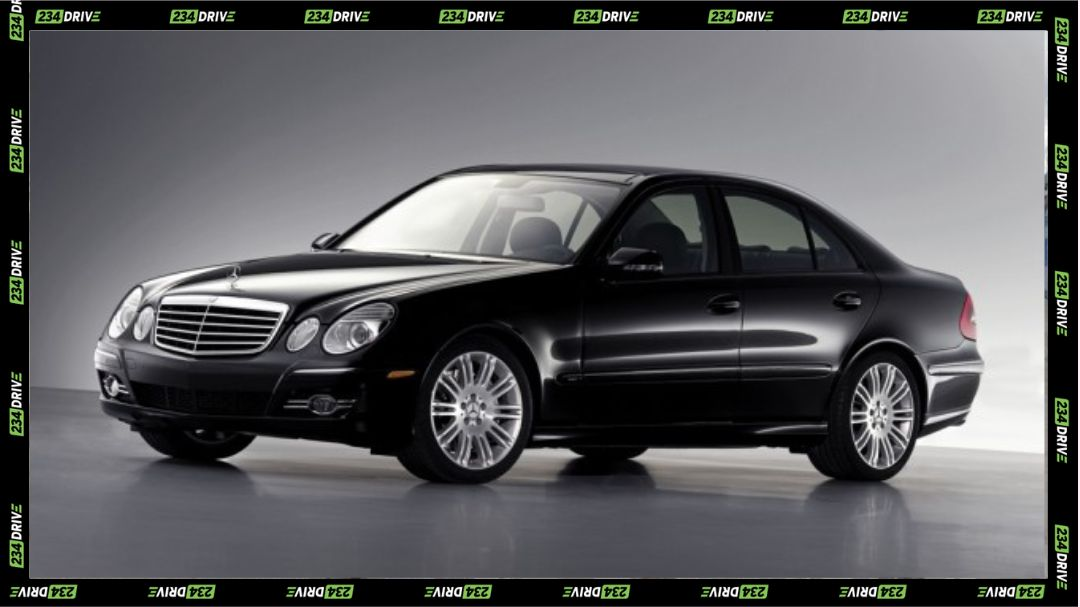
These early W211 models utilise the Sensotronic Brake Control (SBC) system, an electro-hydraulic braking setup that operates without a traditional vacuum booster. The SBC pump has a pre-programmed service life measured in brake pedal depressions, and once this limit is reached, it disables primary braking power and throws a red warning on the dashboard. Replacing the SBC unit is highly expensive, and you cannot easily bypass the system, making the facelifted 2007–2009 models with standard hydraulic brakes a much safer purchase.
3. Infiniti FX35 (2003–2012)
Price Range: ₦2.8 million – ₦6.0 million
The Infiniti FX35 pioneered the sporty, coupe-like SUV design long before German manufacturers adopted the trend. It features a highly aggressive stance, massive alloy wheels and one of the most distinctive factory exhaust notes ever produced. Despite its massive appeal, its resale value has dropped because of its specific maintenance demands.
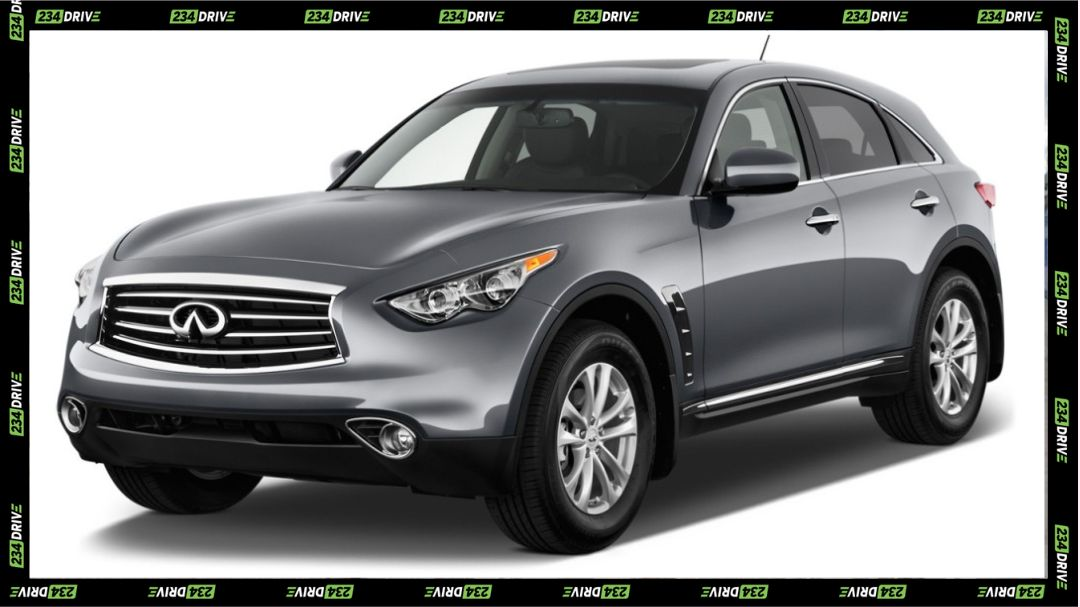
The FX35 suffers from frequent front suspension wear, wheel bearing failures and tricky all-wheel-drive transfer case issues. Because local spare part merchants focus almost entirely on Toyota and Lexus SUVs, sourcing high-quality steering linkages and suspension components for the FX35 can be challenging. However, if you partner with a parts importer and keep the robust VQ35 engine well-serviced, the FX35 offers incredible styling and performance for the price.
2. Jaguar XF (2007–2015)
Price Range: ₦4 million – ₦6 million
The Jaguar XF is a stunning British luxury sedan that exudes wealth, sophistication and corporate power. If you drive a clean XF into any premium venue, onlookers will assume you spent a small fortune on your ride. The secret is that British engineering has a terrible reputation for reliability, making the XF one of the cheapest luxury cars on the secondary market.
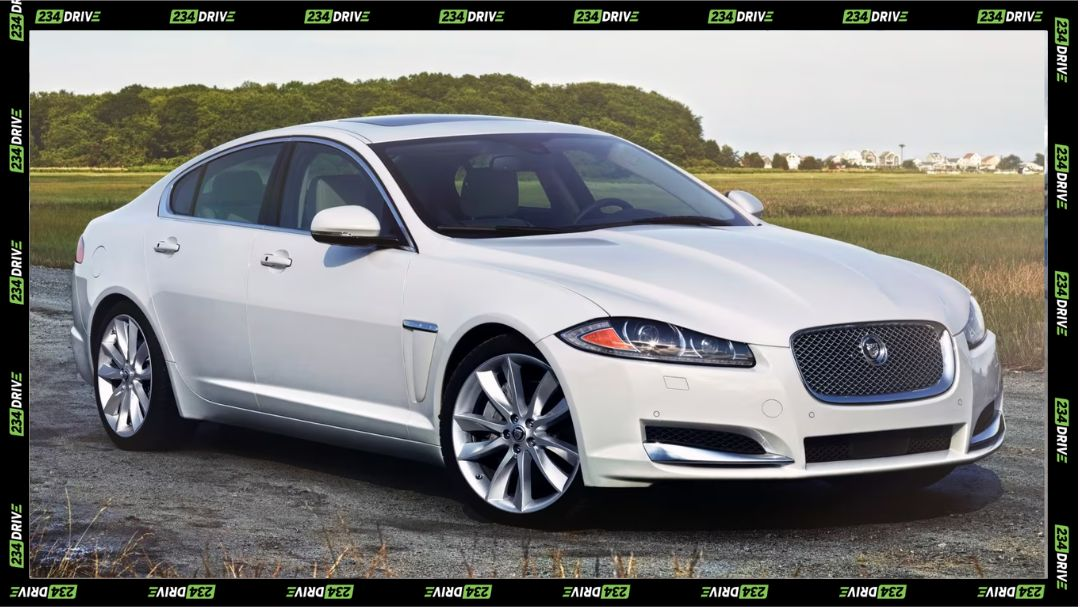
High-mileage examples are highly susceptible to coolant leaks caused by plastic bypass tubes that crack under the hood, leading to sudden engine overheating and failure. The vehicle also suffers from complex electrical gremlins, worn supercharger isolators on V6 models and transmission selectors that fail to rise from the center console. Unless you locate a rare, low-mileage example that has been meticulously maintained by an authorised workshop, the XF can quickly become an expensive asset to manage.
1. Chrysler 300C (2005–2010)
Price Range: Around ₦4 million
The Chrysler 300C is widely known as the ‘poor man’s Bentley’ due to its massive egg-crate grille, high beltline and chopped-roof aesthetic. In the mid-2000s, the 300C was the ultimate status symbol for Nigerian musicians, actors and traditional rulers. Today, you can buy this American cruiser for very little money because local spare part merchants do not stock its components.
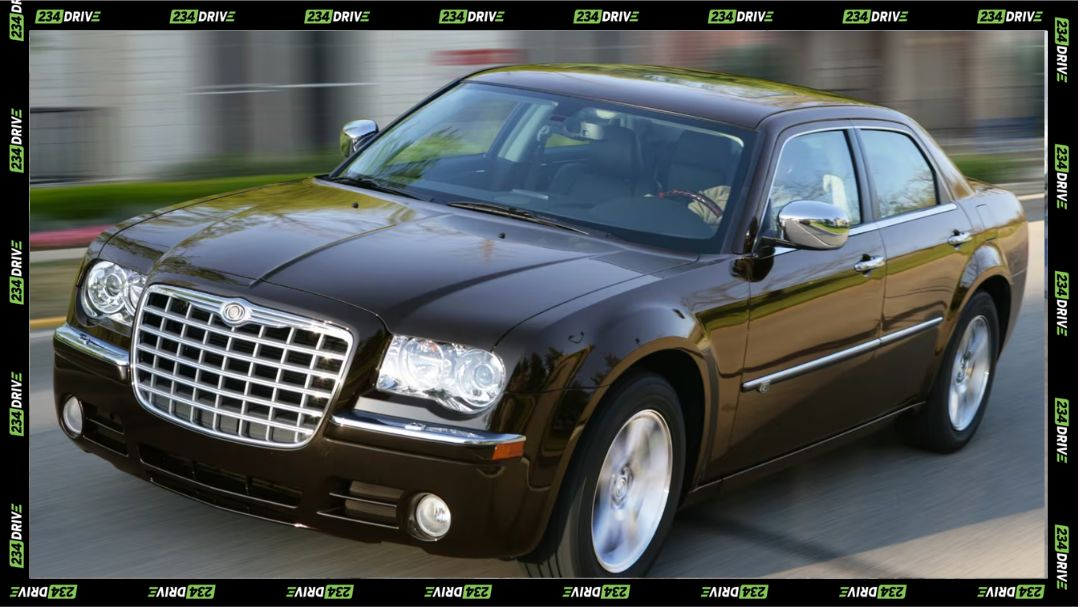
Unlike its European contemporaries, the 300C is mechanically straightforward and highly robust, relying on simple suspension designs and durable engines. The primary challenge is that when a component does wear out, you will struggle to find a replacement in local markets like Ladipo or Apo. Owning a 300C successfully requires you to be comfortable ordering parts directly from the United States and waiting for shipping.
How to Survive Cheap Used Luxury Car Ownership
If you decide to skip the boring reliability of a ride-hailing sedan and purchase one of these undervalued luxury machines, you must change your approach to car ownership. You cannot treat a BMW, Audi or Jaguar the same way you would treat a Toyota Corolla. Follow these three golden rules to survive your luxury purchase:
- Invest in a Diagnostic Scanner: Never buy or run a modern European or luxury car without owning a dedicated OBD2 scanner. Scanning the vehicle before purchase reveals hidden faults that the seller might have cleared from the dashboard.
- Embrace Preventative Maintenance: Standard commuter cars can survive on delayed oil changes and cheap generic fluids, but luxury cars will fail rapidly under such neglect. You must replace critical components like water pumps, hoses and sensors before they fail.
- Find a Specialist Mechanic: Never allow a generalist roadside mechanic to touch a complex electrical or hydraulic system. Spend the extra money to find a workshop that specialises in your specific brand and uses original factory parts.