
The average commute across major Nigerian cities forces drivers to endure prolonged exposure to diesel exhaust, harmattan dust and intense heat. In response, a significant shift is occurring in how vehicle interiors are managed. The standard cardboard air freshener is being rapidly replaced by sophisticated car diffusers.
This transition is not a cosmetic trend. It is a calculated response to the realities of urban mobility and an infrastructure deficit that frequently keeps drivers in transit for up to four hours daily. For both private commuters and commercial fleet operators, upgrading the cabin environment with sustained, high-quality scent delivery has shifted from a luxury to an operational necessity.
The mechanics of modern cabin scent
For decades, the standard approach to vehicle air freshening in West Africa relied on hanging cardboard trees or jelly-based dashboard tins. These products use heavy synthetic fragrances designed to overpower odours rather than neutralise them. They peak in intensity immediately upon opening and fade rapidly due to cabin heat.
Today’s market in cities like Abuja, Port Harcourt and Lagos is dominated by four distinct delivery systems that physically disperse fragrance molecules into the cabin air. These advanced types of car diffusers provide fundamentally different user experiences.
Hanging reed diffusers
The most accessible entry point is the passive reed diffuser. Retailing between ₦1,500 and ₦6,000, these glass bottles hang from the rearview mirror. They rely on capillary action, drawing scented oil up through short wooden reeds or a wooden cap. Ambient airflow and the constant motion of the vehicle trigger evaporation. They require no electricity, but scent throw weakens predictably as the oil volume drops.
Vent clip systems
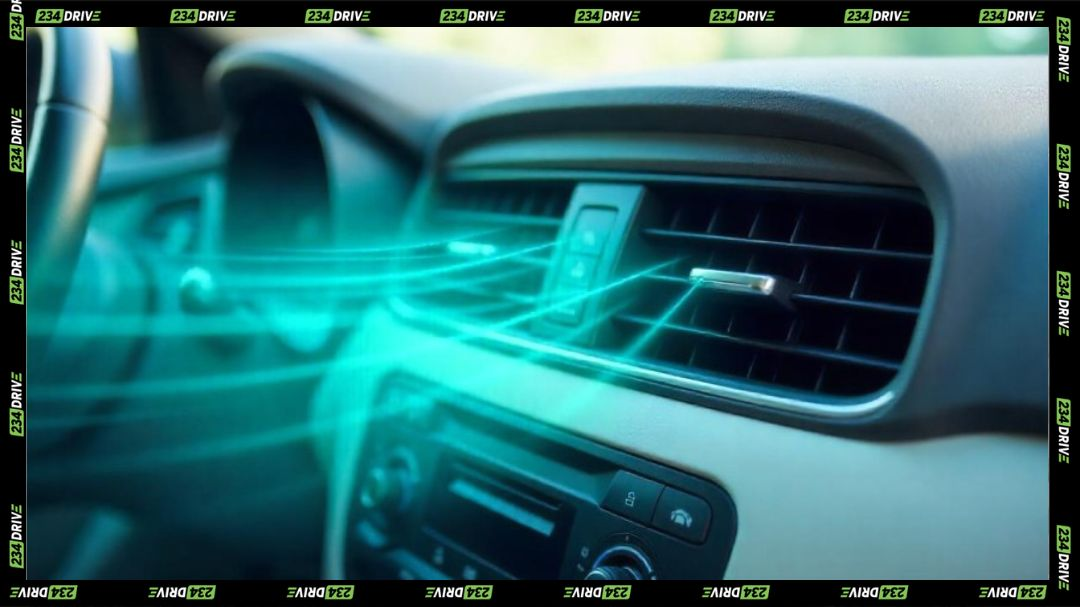
Vent clips harness the vehicle’s climate control system. Attached directly to the air conditioning louvres, they allow forced air to blow across a scented pad or liquid reservoir. They provide rapid scent distribution when the AC is active, typically costing between ₦2,000 and ₦5,000. Their primary limitation is uneven scent distribution when the climate control fan is lowered or switched off.
Ultrasonic plug-in diffusers
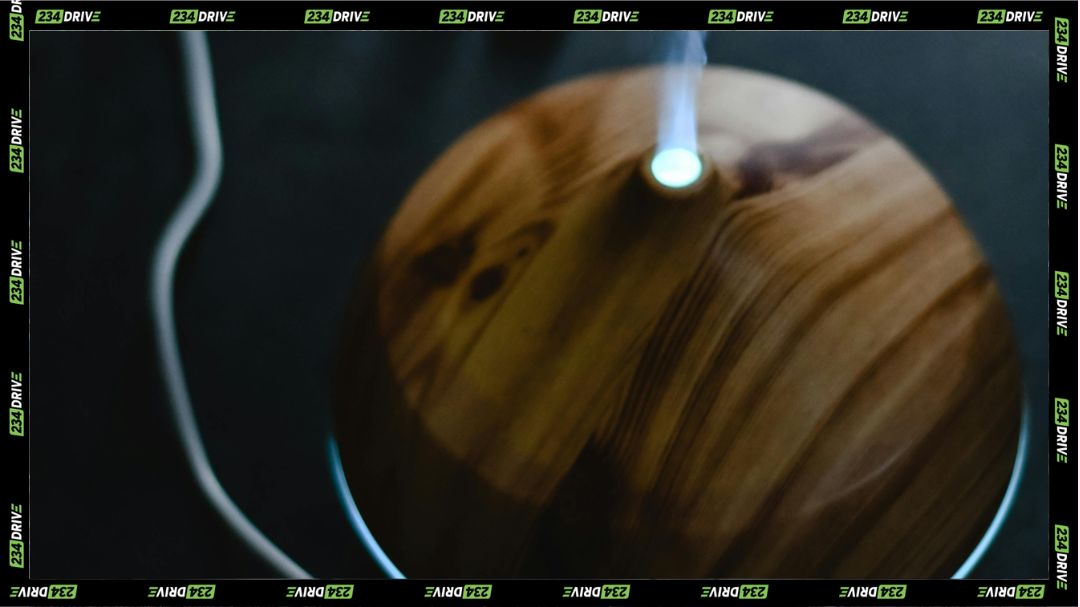
Powered by a 12V socket or USB port, ultrasonic diffusers use high-frequency vibrations to break down water and essential oils into a fine mist. Priced between ₦5,000 and ₦20,000, they offer adjustable scent profiles. However, they require frequent water refills and can leave moisture residue on interior plastics if run continuously in already humid climates.
Cold-air nebulising systems
At the premium end of the market are cold-air nebulisers, costing upwards of ₦15,000 and reaching over ₦100,000 for luxury models. These devices do not use water or heat. They use pressurised air to atomise pure fragrance oil into a dry nano-mist. Smart iterations activate automatically via motion sensors or ignition triggers and shut down when the vehicle stops. They deliver maximum scent integrity without mould risks.
Physiological impact and practical application
The physiological impact of scent directly affects driver performance. The olfactory bulb connects to the limbic system, the brain’s emotional and memory centre. In the context of African mobility, strategic scent profiling offers targeted benefits for drivers operating in high-stress environments.
During the dry season, harmattan dust infiltrates cabin seals, creating a dry, metallic atmosphere. Heavy rains produce dampness and musty AC odours. High-quality diffusers actively mask these environmental intrusions.
Furthermore, specific scent profiles are utilised for cognitive benefits. Drivers navigating heavy congestion frequently utilise peppermint, eucalyptus or citrus blends. These sharp notes are scientifically proven to enhance alertness and combat driver fatigue. Conversely, blends featuring lavender or chamomile are deployed to reduce stress and mitigate road rage during peak traffic hours.
Safety protocols for tropical climates
Operating liquid fragrance systems inside a vehicle under the Nigerian sun requires strict adherence to safety protocols. A vehicle parked in direct sunlight can reach interior temperatures exceeding 60 degrees Celsius. Under these conditions, cheap plastic diffuser casings warp and leak.
The primary risk is chemical damage to the vehicle interior. Essential oils and concentrated fragrance oils—particularly citrus variants—are powerful solvents. If undiluted oil leaks onto a plastic dashboard or leather upholstery, it will etch and permanently damage the surface. Diffuser lids must be securely fastened and liquid reservoirs should never be positioned directly above sensitive electronic components.
Equally critical is chemical safety regarding inhalation. The global benchmark for environmental fragrances is the International Fragrance Association (IFRA) Category 10A standard. This metric dictates safe usage levels for diffusers in enclosed spaces. Unregulated synthetic fresheners, often contain phthalates and harsh volatile organic compounds (VOCs), that induce headaches and nausea. Safe operation requires verifying IFRA compliance and avoiding over-concentration.
The economics of the DIY diffuser market
The high demand for vehicle aromatherapy has generated a robust micro-economy across Nigeria. Local fragrance vendors supply DIY car diffuser components that rival imported brands in longevity and quality. Consumers can easily find affordable car diffusers online to begin mixing their own formulas.
This DIY sector is highly relevant for the ride-hailing industry. For drivers on platforms like Uber and Bolt, passenger ratings dictate earning potential and platform access. A premium cabin environment directly influences perceived ride quality, correlating with higher ratings and increased tips.
Creating a custom diffuser is highly cost-effective for operators. The standard production method involves:
- Sourcing a 10ml glass bottle with a wooden diffuser cap.
- Mixing IFRA-approved fragrance oil with a dedicated diffuser base (such as dipropylene glycol) at a 20% oil to 80% base ratio.
- Allowing the reeds to prime for 24 hours before use.
This process yields a bespoke product that lasts between three and six weeks, with a unit production cost frequently falling below ₦2,000. It functions as a direct investment in the vehicle’s commercial viability.
The baseline
The shift toward premium car diffusers reflects a broader demand for control over the commuting environment. While drivers cannot instantly resolve traffic congestion or infrastructure deficits, they can dictate the air quality within their vehicle cabins. Whether utilising a luxury smart nebuliser or a cost-effective DIY mix, the modern car diffuser serves as a highly functional tool for maintaining alertness, hygiene and sanity on Nigerian roads.