
It is a scene nearly every Nigerian driver knows too well. You are navigating a flooded stretch of the Lekki-Epe Expressway in Lagos, driving through a sudden deluge in Abuja or trying to find your way home through waterlogged streets in Port Harcourt. Suddenly, your engine sputters, dies and refuses to crank.
If your car won’t start after driving through water, you are facing one of the most stressful seasonal hazards of Nigerian driving. Whether you drive a dependable Toyota Corolla, a Camry, a Honda Accord or a smaller hatchback like a Toyota Vitz, the decisions you make in the next ten minutes will determine if you face a minor electrical dry-out bill or a multi-million Naira engine replacement.
Why Your Engine Fails When Wet
When you drive through deep water—anything higher than six inches or reaching the lower half of your bumper—your vehicle becomes highly vulnerable. Water intrusion causes several mechanical and electrical failures, often occurring simultaneously.
1. The Hydrolock Catastrophe
Hydrolock occurs when water enters your engine’s air intake and gets sucked into the cylinders. Unlike fuel and air, water does not compress. When pistons attempt to compress water, the immense force bends connecting rods, fractures pistons or blows the head gasket. If your engine is hydrolocked, it will either refuse to crank entirely or make a harsh metallic clunking sound when you turn the key.
2. Electrical Short Circuits
Modern cars are essentially computers on wheels. Water easily soaks spark plugs, ignition coils, the alternator and the engine control unit—frequently referred to by Nigerian mechanics as the brain box. When these components get wet, the ignition system cannot generate a spark. Moisture inside your wiring harness leads to sudden electrical short circuits, leaving you with a dead key turn or a starter motor that fails to engage.
3. Fluid Contamination
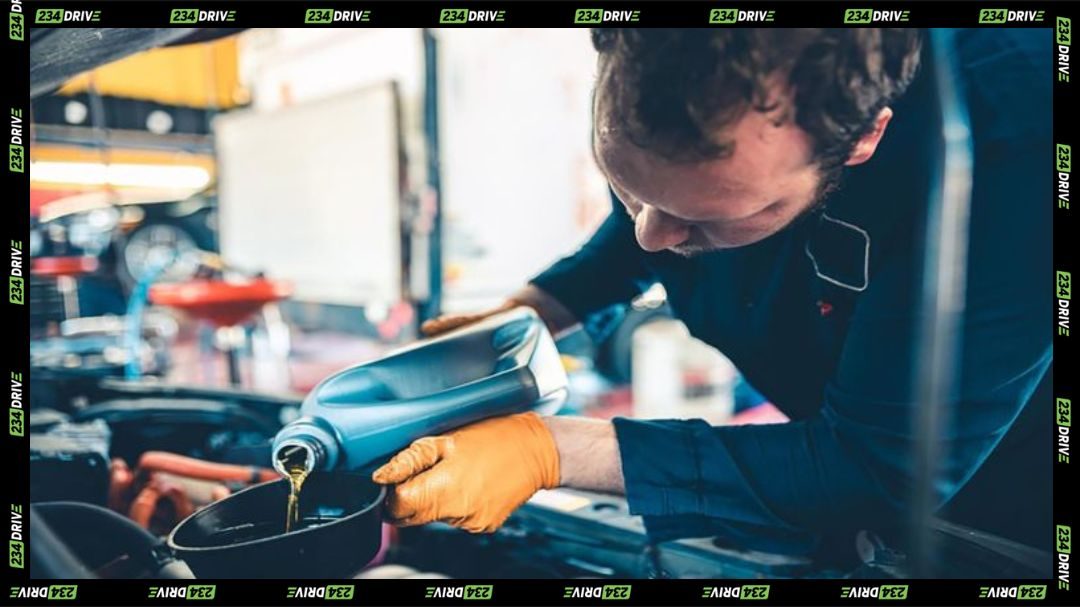
Your engine oil, transmission fluid and brake fluid operate in sealed systems. However, floodwater can enter these systems through breathers, dipstick tubes or damaged seals. When water mixes with engine oil, it ruins the oil’s lubricating properties, leaving a milky, chocolate-milk-like mixture on your dipstick.
Immediate Actions: What to Do (and What Not to Do)
The worst thing you can do when your car stalls in water is to keep turning the ignition. Attempting to start a wet engine is the single biggest mistake Nigerian drivers make, transforming a minor electrical issue into a completely destroyed engine block.
If you find yourself stalled, follow these steps immediately:
1. Prioritise Your Safety
If the water is rising rapidly, do not worry about the car. Turn on your hazard lights, exit the vehicle safely and move to higher ground. When dealing with flooded street safety, remember that moving water can sweep a vehicle away or hide dangerous open drains.
2. Do Not Attempt to Restart the Engine
Keep your foot off the accelerator and do not turn the key. When it comes to handling flooded vehicles, attempting to crank the engine with water trapped in the cylinders will cause hydrolock and instantly ruin your engine.
3. Disconnect the Battery
If you can safely access the bonnet, disconnect the negative terminal of the battery. This cuts power to the electrical system, preventing short circuits and saving your expensive brain box from frying.
4. Perform a Visual Check
Once the vehicle is on dry ground, open the bonnet and check the air filter housing. If the paper filter is soaked, water has entered the cylinders. Pull the dipstick; if the oil looks milky, do not run the engine under any circumstances.
5. Remove the Spark Plugs and Crank
If you have basic tools, you can remove spark plugs and disable the fuel pump fuse. Crank the engine with the plugs removed to shoot out any trapped water safely. If you are uncomfortable doing this, leave it to a professional.
6. Dry Out the Electricals
Use compressed air, dry towels or WD-40 on wet wiring harnesses, spark plug wells and fuse boxes. WD-40 is a water dispersant that helps expel moisture from delicate contacts.
Diagnosis and Repair Costs in Nigeria
Repairing a flood-damaged vehicle in Nigeria depends heavily on your car model, the depth of the water and how quickly you took action.
| Service Type | Estimated Cost Range (2026) |
| Electrical Drying & Scanning | ₦50,000 – ₦120,000 |
| Starter Motor Replacement | ₦40,000 – ₦90,000 |
| Engine Oil & Filter Flush | ₦35,000 – ₦70,000 |
| Brain Box (ECU) Replacement | ₦150,000 – ₦450,000+ |
| Complete Engine Replacement | ₦600,000 – ₦2,500,000+ |
For minor electrical issues, a skilled mechanic in hubs like Ladipo in Lagos, Apo in Abuja or Mile 3 in Port Harcourt can dry out your sensors and clear error codes for a reasonable fee. However, if your engine suffered hydrolock, you will need a complete rebuild or a Tokunbo engine replacement. For modern vehicles, this can easily exceed ₦1,500,000, which is why acting cautiously is so important.
A Warning on the Tokunbo Market
When shopping for a used vehicle, be incredibly vigilant. Many flood-damaged salvaged cars from North America and Europe are imported as Tokunbo vehicles. To avoid inheriting someone else’s nightmare, you must learn how to spot flood-damaged cars by looking out for musty interior smells, rust under the seats, electrical glitches in the dashboard and water lines inside the spare tyre well. Always insist on a comprehensive pre-purchase inspection before making a payment
Navigating Insurance Policies in Nigeria
If you find yourself facing an expensive engine swap, your next call should be to your insurance provider. However, the reality of car insurance in Nigeria can be complex during the rainy season.
Most basic third-party insurance policies will not pay a single Kobo for water damage. To get coverage, you must hold a comprehensive car insurance policy. Even then, you need to verify if your policy includes a special perils cover, which explicitly covers natural disasters like floods.
When filing a claim with providers like Leadway, AXA Mansard or AIICO, documentation is everything. Take clear photos of the flooded street and the water level relative to your car before towing it. Do not attempt to start the engine, as insurers can deny claims if they prove your actions caused the hydrolock rather than the flood itself. Keep all towing receipts and official police or LASTMA reports if available.
How to Protect Your Vehicle This Rainy Season
Preventing flood damage is far cheaper than repairing it. Use these practical tips to navigate the rainy season safely:
- Avoid Unknown Depths: If you cannot see the road markings or the bottom of the puddle, do not drive through it. Turn around and seek an alternative route.
- Understand Your Intake Location: Know where your car sucks in air. Many modern sedans have air intakes positioned low in the bumper, making them highly vulnerable to shallow floods.
- Invest in High-Ground Clearance: If you live in highly flood-prone areas like Lekki or Iyana-Oworo, prioritise SUVs or crossovers with higher ground clearance over low-riding sedans.
- Apply Dielectric Grease: Applying dielectric grease to electrical connectors before the heavy rains start protects your wiring harness from moisture intrusion.
- Verify Your Insurance Policy: If you have comprehensive insurance, call your provider to confirm if your policy includes ‘special perils’ cover, as standard policies often exclude flood damage.
The Bottom Line
A car that will not start after driving through water is a stressful situation, but it does not have to mean the end of your engine. By staying calm, refusing to crank the engine and towing the vehicle directly to a trusted mechanic, you can save yourself millions of Naira in avoidable repairs.
Stay safe, drive smart and respect the water this rainy season.