
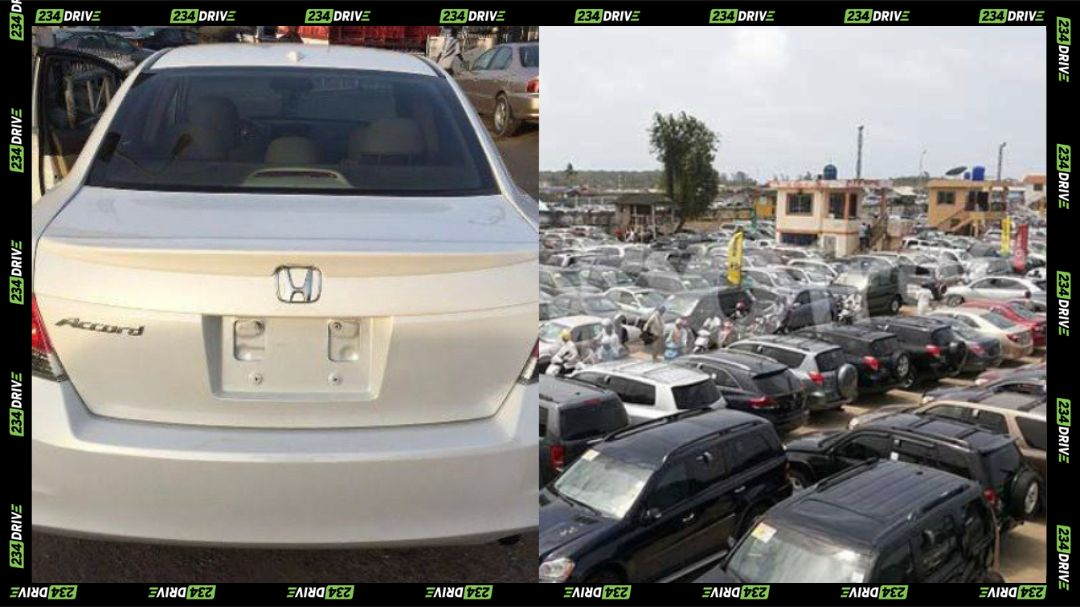
In the Nigerian used car market, the phrase ‘first body’ is a powerful selling point. Sellers, car dealers and importers routinely use it to promise that a vehicle still has its original factory paint and has never been in an accident. However, given how cars are imported and driven locally, many vehicles sold as pristine have actually undergone heavy panel beating and respraying.
Relying only on seller claims or a shiny exterior carries major risks when buying a tokunbo (foreign-used) car or a Nigerian-used vehicle. A good respray can easily hide frame damage, heavy body filler and broken safety systems. Telling the difference between factory paint and an aftermarket respray requires a straightforward inspection using your eyes, your hands and a few simple tools.
Why Repaints Matter in the Nigerian Market
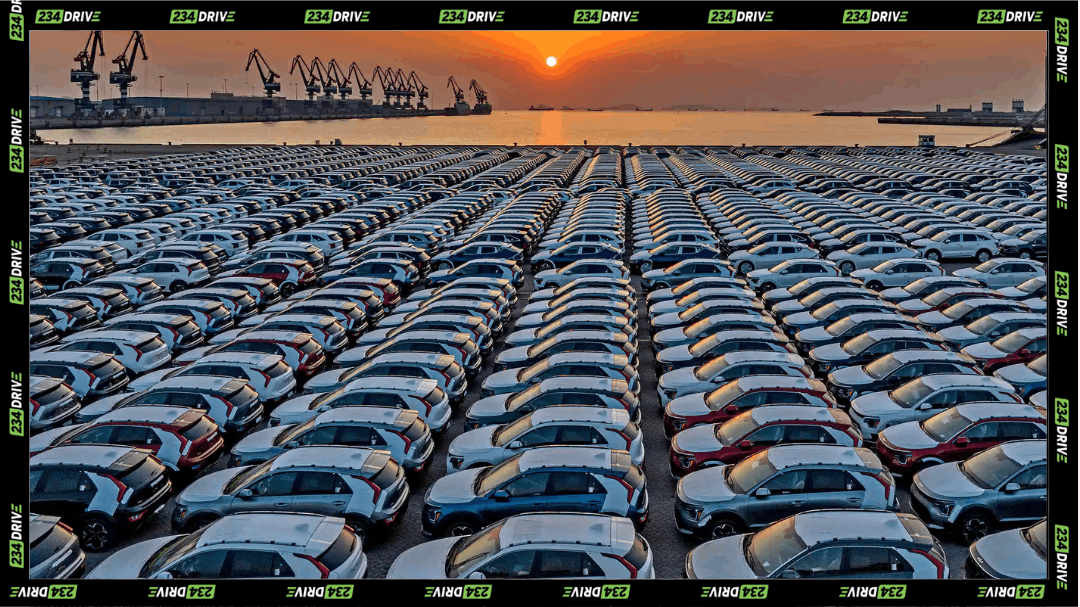
Understanding why cars get repainted helps buyers make better decisions. Many tokunbo cars entering Nigerian ports from North America or Europe come from salvage and insurance auctions. Many of these vehicles were damaged in crashes or severe storms before export. Importers and local body shops routinely straighten frames, fill dents with body paste and respray panels to make cars look brand new for buyers.
For Nigerian-used vehicles, repainting is usually done after road accidents or to cover up aging paint. Car sellers rarely disclose past repairs, making ‘buyer beware’ the daily reality. Vehicle history check platforms such as AutoVIN Nigeria, BuyCars.ng and LegitCar provide valuable records about foreign auction history and shipping details. However, they cannot track repairs, panel beating or resprays carried out after the car clears customs in Nigeria.
Because of this gap, doing a thorough physical inspection is your only real protection against buying a poorly repaired crash vehicle.
Visual Signs of an Aftermarket Repaint
Car manufacturers paint vehicles using robotic systems in dust-free factories. This process ensures exact paint thickness, strong adhesion and smooth colour matching across every panel. Local body shops simply cannot replicate these factory conditions.
Colour Differences Between Panels
Factory paint matches perfectly across the steel and aluminium body of the car. When looking at a car, compare adjacent panels under natural sunlight. Check the transition from the front fender to the door, the bonnet to the fender, and the rear quarter panel to the boot lid. A slight difference in shade or metallic shine means one panel was painted separately.
When checking visual signs of repainting, remember that plastic and metal age differently. Plastic bumpers often fade faster than steel panels under sunlight, but shade variations between two metal panels almost always indicate a respray.
Texture and Orange-Peel Variations
Factory paint has a subtle, uniform texture often called ‘orange-peel’ because it resembles the skin of an orange. This light ripple is created when the clear coat layer dries in the factory. When a panel is repainted in an aftermarket spray booth, this texture rarely matches the rest of the car.
A panel that looks glass-smooth, overly shiny or has rough wave patterns points to a respray. When evaluating paint finish quality, stand three to four metres away and look at light reflections along the side of the car. Wavy or broken reflection lines show that the panel was sanded unevenly or has thick filler underneath.
Overspray on Rubber and Trim
Car factories paint bare metal shells before installing glass, rubber seals, plastic trim, door handles and wiring. Repair shops, on the other hand, usually cover surrounding parts with masking tape and paper instead of taking the whole door apart.
Inspect rubber door seals, window trim, headlight edges and suspension parts for small paint dots or light spraying. Check the undersides of side mirrors and inner wheel arches. Finding paint on flexible rubber or black plastic trim is solid proof of an aftermarket respray.
Tape Lines and Edges
Masking tape used during a respray leaves a raised edge where the new paint stops. Run your fingers along hidden panel edges, door jambs, fuel flap edges and window frames. Factory paint flows smoothly around corners. A sharp ridge or rough line where the clear coat ends shows that the area was taped off for a partial respray.
Panel Gaps and Unpainted Bolts
Repainting often requires removing doors, bonnets or boot lids. While car factories maintain tight, uniform gaps between panels—usually between three and five millimetres—manual reinstallation often leads to uneven gaps.
Look closely at the door jambs and hinge areas. Factory hinge bolts are painted together with the car body. Bolts with chipped paint, tool marks or missing paint around the edges confirm that the panel was unbolted for alignment or repair. Look out for paint runs or clear coat peeling, which are clear signs for detecting hidden body repairs during your check.
| Feature | Factory Finish (Original) | Aftermarket Repaint |
| Paint Thickness | 100 to 180 microns, highly consistent | Over 200 microns, irregular or off-scale |
| Colour and Texture | Matching shade with subtle orange-peel | Shade variations, glass-smooth or wavy finish |
| Overspray | None on seals, trim or hardware | Present on rubber seals, bolts and plastic trim |
| Panel Gaps | Tight and even throughout | Uneven gaps or misaligned panels |
| Hardware and Labels | Unpainted bolt heads, intact VIN labels | Painted bolt heads, missing or moved labels |
| Panel Edges | Smooth transitions around all edges | Rough edges, hard tape lines or raised ridges |
Simple Touch and Symmetry Checks
Visual checks should always be backed up by physical touch tests to catch subtle bodywork issues:
- Edge Touch Test: Slide your fingers along the bottom edges of the doors, inside the wheel arches and around the bonnet rim. Factory edges feel completely smooth. Repainted panels often feel rough or gritty because paint drift settles on the edges during spraying.
- Side-to-Side Comparison: Compare the left side of the vehicle directly with the right side. Ensure door jambs, spot welds, inner arch profiles and sealant lines match in shape and texture.
- Label Verification: Manufacturers place Vehicle Identification Number (VIN) stickers, tyre pressure labels and emission tags on door jambs and under the bonnet. Missing, painted-over or crooked labels mean a panel was replaced or heavily resprayed.
Tools That Help Spot Repaints
While visual checks reveal quick flaws, high-quality resprays require simple measurement tools for accurate confirmation.
Paint Thickness Gauge
A digital paint thickness gauge measures the distance from the outer paint surface down to the metal body. It is the most reliable tool for checking factory paint.
Factory paint measures between 100 and 180 microns across most cars. Readings between 180 and 250 microns indicate a cosmetic respray or extra clear coat. Readings above 300 microns—or meters that fail to give a reading—confirm thick body filler (‘Bondo’) under the paint.
When using paint thickness gauges, take at least four readings on every main panel, including the bonnet, roof, doors and boot lid. Compare left-side readings against right-side readings. Dual-technology gauges that work on both steel and aluminium panels are available across Nigerian retail platforms for between ₦20,000 and ₦85,000.
Magnetic Body Filler Tester
For a simple check on steel panels, a small magnet or magnetic paint tester works well. Original steel panels pull the magnet firmly through factory paint. Where heavy body filler sits under a respray, the magnet feels weak or fails to stick at all.
Checking Frame and Chassis Safety
A repainted door or wing may only be cosmetic, but it can also point to underlying frame damage. Check these key structural areas before making an offer:
- Engine Bay Strut Towers: Inspect the inner wings and suspension towers inside the engine bay. Mismatched paint, bent metal or fresh black undercoating points to front-end crash repairs.
- Boot Floor and Spare Wheel Well: Lift the spare tyre carpet and check the floor pan. Factory seam sealer is applied in clean, neat lines. Crinkled metal or fresh spray paint inside the wheel well shows rear-collision impact.
- Chassis Rails: Inspect the frame rails under the engine and cabin using a torch. Look for clamp marks from frame-straightening machines, fresh welds or thick rubber coating used to hide frame damage. Following a structured used car inspection process helps ensure these critical safety areas are systematically checked.
Buyer Advice
Finding out that a car has been repainted does not mean you should walk away immediately. Minor resprays to fix scratches or parking dents are normal if done well. However, unrecorded crash damage hidden beneath fresh paint weakens the car’s structure and reduces its value.
Always inspect vehicles in bright daylight rather than inside dim garages or at night. Pair your physical inspection with a vehicle history check and an independent review by a trusted mechanic or panel beater. Where minor respraying is found on an otherwise solid frame, use your findings to negotiate a lower price.