
It is a familiar scene at the popular car slots in Berger, Lagos or Apo, Abuja. You spot a gleaming Toyota Corolla or a clean Honda Accord with spotless paint, a sparkling engine bay and a price tag that seems just a bit too good to be true. The dealer assures you the car is in pristine condition, imported straight from the US with active customs papers.
However, beneath that shiny wax and freshly shampooed interior lies a ticking financial time bomb.
Every year, thousands of waterlogged salvage vehicles from flood-prone regions in North America and Europe are auctioned off, patched up and shipped to West Africa. In our local market, these are sold to unsuspecting buyers as clean Tokunbo cars. Learning how to identify flood damaged cars is the single most important skill you can have to protect your hard-earned money from deceptive roadside dealerships.
This comprehensive guide walks you through the hidden risks of waterlogged vehicles, a practical seven-minute physical inspection checklist and the digital verification steps to ensure your next ride is completely dry.
Why Flood Damage is a Tokunbo Death Sentence
When a vehicle gets submerged in water—especially corrosive saltwater from coastal hurricanes—the damage is rarely immediate or highly visible. Instead, water seeps deep into the vehicle’s electrical, mechanical and structural systems, initiating a slow process of decay. This structural vulnerability is why avoiding flooded vehicles must be your first priority.
For modern vehicles, which are essentially complex computers on wheels, water exposure is a death sentence. The moisture corrodes delicate wiring harnesses, ruins safety sensors and short-circuits the engine control unit—commonly known by Nigerian mechanics as the brain box.
While a quick cosmetic clean-up can make a vehicle look brand new on a dealer’s lot, the long-term consequences are disastrous. Buyers of these masked waterlogged vehicles face recurring electrical glitches, sudden engine failures, failed airbag deployments and a rapid loss of resale value. If you want to avoid these headaches, you must know what signs to look for during your physical inspection.
Car Airbag Panel. Source: Pexels
The 7-Minute Flood Inspection Checklist
When it comes to spotting waterlogged vehicles, you do not need to be an expert mechanic to identify a water-damaged vehicle. By conducting this quick, structured seven-minute inspection in bright daylight, you can catch the hidden telltale signs that sellers try hard to disguise.
1. The Olfactory Test (Minute 1)
Your nose is your most reliable diagnostic tool when inspecting a used vehicle. Close all the doors and windows of the car for a minute, then step inside and take a deep breath.
- The Musty Trap: A strong, damp, musty or swampy odour is a clear sign of mould growing in the carpet padding or seat foam.
- The Air Freshener Cover-up: Be highly suspicious of cars that are heavily sprayed with strong perfumes or loaded with multiple air fresheners. Sellers often use these intense scents to temporarily mask the stubborn smell of damp carpet.
2. The Carpet and Fabric Inspection (Minutes 2 to 3)
Water always settles at the lowest points of a vehicle. This makes the floorboards and seat rails the most revealing areas to inspect.
- Feel for Moisture: Press your fingers firmly into the carpets near the pedals, under the front seats and along the rear passenger floorboards. If the carpet feels unusually soft, damp or sticky, water has entered the cabin.
- Check the Padding: If the dealer permits, lift the plastic doorsill plates and peer underneath the carpet. The foam padding beneath is extremely difficult to dry and will retain silt, sand or water stains long after the top carpet has dried. A common topic in tokunbo market discussions is how sellers try to clean these areas superficially while leaving the structural padding completely wet.
- Rust on Rails: Inspect the metal seat rails and the bolts holding the seats to the floor. Under normal conditions, these interior parts never rust. Heavy corrosion or orange rust here is a major red flag.
- The Seatbelt Pull: Pull the seatbelts completely out to their very end. Feel for dampness and inspect the fabric for distinct water lines, mildew spots or mud stains.
3. The Trunk and Spare Tyre Excavation (Minutes 4 to 5)
Sellers often spend days detailing the engine bay and cabin but completely forget to clean the trunk.
- The Spare Tyre Well: Empty the trunk, lift the carpet cover and look directly into the spare tyre well. This deep metal pocket is a natural collection point for floodwater. Look for standing water, rust patches, dried mud lines or accumulated silt in the crevices.
- Mouldy Tools: Check the jack, wheel spanner and towing hook. If these metal tools are heavily corroded or covered in a chalky white residue, they have been submerged.
4. Under the Bonnet and Electronics (Minutes 6 to 7)
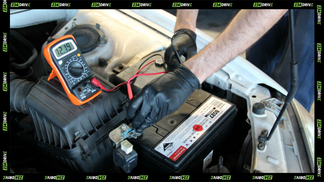
Before starting the car, open the bonnet and perform a quick visual sweep of the engine bay.
- Silt in Crevices: Look for dried mud, sand or fine silt trapped in hard-to-reach areas, such as behind the alternator, inside electrical connectors or around the starter motor. A normal dusty engine is expected, but mud in high crevices is abnormal.
- Foggy Lenses: Inspect the headlights, taillights and dashboard instrument clusters. Moisture bubbles or fogging inside these sealed plastic units indicates they have been underwater.
- The Electronic Test: Turn the key to the accessory position. Ensure all dashboard warning lights turn on and then turn off when the engine cranks. Individually test every single electronic system—windows, side mirrors, locks, air conditioning, radio and steering wheel controls. Any erratic behaviour or random warning lights should make you walk away.
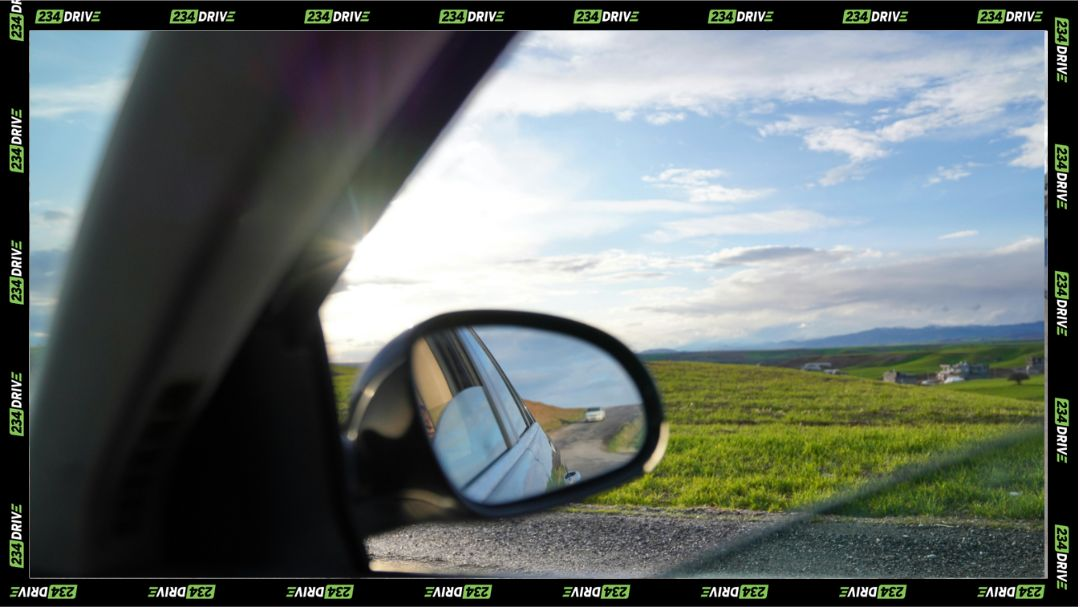
Car Side mirror. Source: Pexels
Red Flags vs. Clean Signs
To help you quickly categorise your findings during an inspection, refer to this straightforward comparison table:
| Inspection Area | Flood Red Flags (Walk Away) | Healthy Clean Signs (Buy) |
| Cabin Odour | Musty, damp, mouldy smell or overpowering artificial perfume cover-ups | Neutral, clean air or normal aged leather/fabric smell |
| Metal Seat Rails | Flaking orange rust, corroded bolts or fresh grease hiding rust | Clean, painted metal with no oxidation or rust |
| Seatbelts | Stains, mud lines at the end of the belt or mismatched date tags | Dry, unstained webbing that matches the car’s age |
| Spare Tyre Well | Standing water, damp wood covers, mud residue or rusty jack tools | Bone-dry painted metal with clean, functional tools |
| Electricals | Flickering dashboard lights, unresponsive window switches or erratic AC | Instant, crisp response from all electronic functions |
The Digital Shield: Verify the Vehicle History
While physical inspections are vital, some professional rebuilds can disguise even the most obvious warning signs. This is where digital verification becomes your ultimate shield.
Before making any financial commitment, always demand the vehicle chassis number—popularly known as the Vehicle Identification Number (VIN). If a dealer hesitates or refuses to provide the VIN, treat it as a deal-breaker and leave the slot immediately.
You can use reliable online vehicle history platforms to perform free vehicle history checks on the car’s past. Look specifically for titles marked as salvage, water damage, flood or total loss. Many Tokunbo cars imported from coastal areas in the US were written off by insurance firms as salvage after hurricanes, only to be shipped to Nigeria, repaired and sold as clean. Spending a few thousand Naira on a history report can save you millions of Naira in future repair bills.
The Bottom Line
Spotting a flood-damaged car requires patience, attention to detail and a refusal to be rushed by sweet-talking dealers. If a deal feels too good to be true, it almost certainly is.
Always combine your physical inspection with a verified history report and invite a trusted mechanic to perform a thorough Pre-Purchase Inspection (PPI) before handing over any money. In a seasonal market where floods are common and car purchases represent significant investments, staying vigilant is the only way to drive away with absolute peace of mind.