
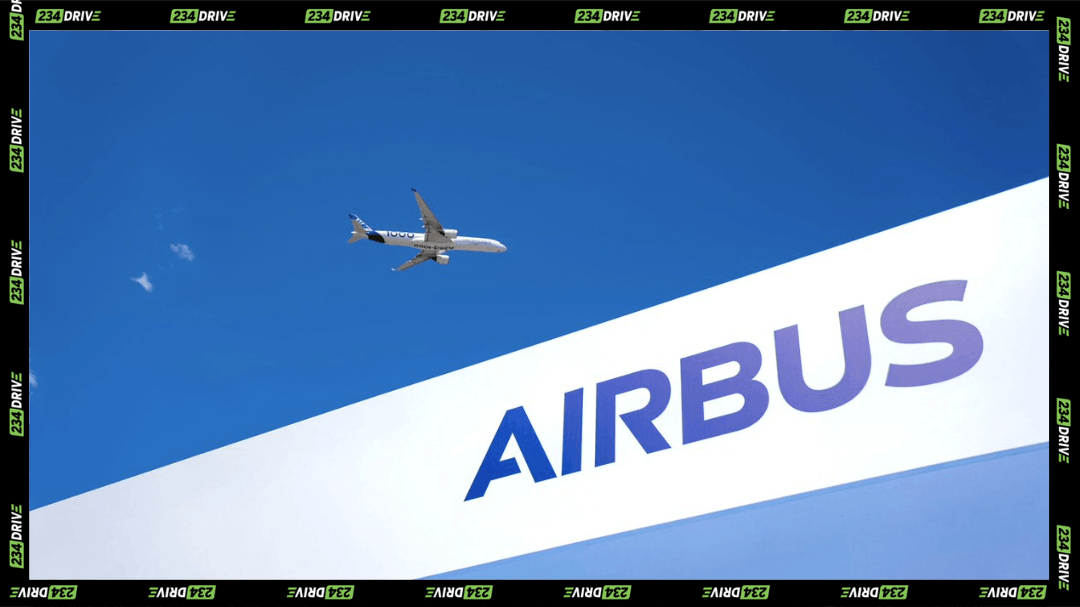
Morocco has grown from a manufacturing base into a major centre for the global aerospace industry, according to Gabriel Semelas, president of Airbus Africa and the Middle East.
He linked the country’s rise to long-term industrial planning, skilled workers, stable policies and strong investment in transport and production facilities.
Morocco Strengthens Aerospace Industry Through Skills, Infrastructure and Investment
Speaking ahead of Throne Day, a public holiday marking the king’s ascension to the throne, Semelas described Morocco’s industrial growth under King Mohammed VI as a major shift for the country’s economy.
Over the past two decades, Morocco has built industries around aircraft wiring, cabling, composite materials, maintenance and engineering. Government programmes have helped international suppliers and local businesses operate within the same production network.
Industrial zones such as Midparc in Casablanca bring manufacturers, suppliers and trained workers together. This setup helps companies reduce delays, improve cooperation and meet strict aerospace standards.
Investment in transport has supported this industrial growth. The expansion of Tanger Med port and upgrades to airports have made it easier to move goods, workers and passengers.
The country plans to raise airport capacity to 80 million passengers by 2030 as it prepares for tourism growth and the 2030 FIFA World Cup. The upgrades could strengthen Morocco’s position as an aviation link between Europe, Africa and the Americas.
Semelas pointed to stable rules, government support and long-term planning as key reasons global companies trust the market.
Universities and institutions such as the Institute for Aeronautics Trades now train engineers and technicians for jobs beyond assembly. Local workers support digital production, advanced engineering and the development of complex aircraft parts.
Morocco’s proximity to Europe also shortens transport routes and makes supply chains more reliable. Its location gives aerospace companies easier access to markets across Africa.
Semelas added that the country is investing in renewable energy, sustainable aviation fuel and higher-value work as the global industry moves towards cleaner aviation.
‘Morocco is no longer just a production base,’ he stated. ‘It is now establishing itself as one of the three main pillars of the future of aviation.’
Morocco’s Industrial Growth Extends Into Automobile Manufacturing
The industrial base supporting Morocco’s aerospace sector has also helped the country become a major automobile manufacturing centre. Carmakers now use its factories, ports and supplier network to produce vehicles for local buyers and export markets.
Renault also plays a major role in this growth. The company opened its Tangier plant in 2012 and also operates the SOMACA factory in Casablanca. Both facilities work with a growing network of local parts makers and logistics companies, allowing Morocco to produce more vehicle components within the country.
Additionally, Morocco has started attracting brands in the global shift towards electric vehicles. In February 2026, Tesla opened its first official African store at AnfaPlace Mall in Casablanca. Customers can view the Model 3 and Model Y and arrange test drives, making Morocco the company’s first formal retail market in Africa.
The country is also developing a battery supply chain to support future EV production. A planned Gotion High-Tech factory in the Rabat-Salé-Kénitra industrial zone will produce battery cells and packs for electric vehicles.