
Ten minutes after leaving a Lagos filling station, Oluwaseyi Oluwabiyi’s car broke down. What should have been a simple fuel purchase became an expensive problem after a mechanic allegedly found water instead of petrol in her tank.
She reported the case to Lagos State Consumer Protection Agency (LASCOPA), which helped her recover the repair costs and additional compensation from the station.
How Oluwabiyi Secured Repairs and Damages Through LASCOPA
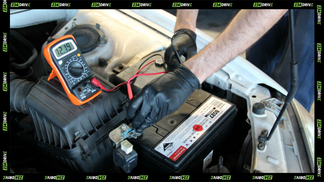
Oluwabiyi said her car broke down about 10 minutes after she left the Lagos filling station where she had bought petrol. A mechanic inspected the vehicle and, according to her account, found water instead of petrol in the fuel tank.
She reported the incident to LASCOPA that same day and submitted photographs, videos and other supporting evidence. The agency asked her to obtain an estimate for the repairs before inviting her and representatives of the filling station to a mediation session.
Following the process, LASCOPA held the station responsible, according to Oluwabiyi. The business paid for the repairs and additional damages, restoring her vehicle to its condition before the incident.
The Lagos State Government also shared Oluwabiyi’s testimonial through its official social media channels. In the video, she described LASCOPA as an under-recognised public agency and encouraged residents to report unresolved consumer disputes.
Oluwabiyi did not have to take the filling station straight to court. She submitted her evidence to LASCOPA, which brought both sides together, mediated the dispute and secured a settlement covering her repairs and additional damages.
The Lagos State Consumer Protection Agency investigates complaints, settles disputes and acts against businesses that violate consumer rights. Operating under the state’s Ministry of Commerce, Cooperatives, Trade and Investment, it also handles cases involving defective products and poor services
What Happens When Water Gets Into Your Car’s Fuel Tank?
Water does not need to flood an entire car before it causes serious damage. Once contaminated petrol enters the tank, the fuel pump carries the mixture towards the engine. Petrol supports combustion; water does not. As the water reaches the injectors, the engine may hesitate, lose power, misfire, stall or refuse to restart.
Water can also corrode parts of the fuel system and damage components such as the pump, filter and injectors. Technicians may need to drain the tank, clean the fuel lines and replace damaged parts.
While this differs from hydrolock, which usually happens when an engine pulls floodwater through its air intake. Both situations can stop a car and leave its owner facing a large repair bill.
If a car begins struggling shortly after refuelling, the driver should stop safely and avoid repeatedly restarting it. Keeping the receipt, recording the filling station and pump used, and collecting photos or videos can also help a mechanic diagnose the problem and support any complaint against the fuel seller.