
Navigating the midsize luxury sedan market in Nigeria requires balancing the desire for prestige with the harsh realities of local road conditions, fuel prices and mechanical support. While crossovers and sport utility vehicles dominate Nigerian roads, a dedicated class of urban professionals and driving enthusiasts remains loyal to premium executive sedans.
For these buyers, the Lexus GS 350 has long represented the ultimate sweet spot—offering rear-wheel-drive dynamics, a potent V6 engine and legendary Toyota reliability.
Because Lexus discontinued the GS model line globally after the 2020 model year, buyers in 2026 must look strictly at used vehicles. Navigating this market requires a clear understanding of current pricing, generational differences and the actual cost of keeping this premium sedan running on Nigerian tarmac.
The Cost of Luxury: Lexus GS 350 Price in Nigeria (Mid-2026)
The price of a used Lexus GS 350 in Nigeria depends heavily on the model year, mileage, cosmetic condition and import status. Analysing the year-based valuation data reveals how heavily depreciated early models contrast with the premium commanded by the highly sought-after late-generation models.
| Generation / Production Years | Condition / Import Status | Typical Price Range (NGN) | Core Market Reality |
| Third Generation (2006–2010) | Mostly Nigerian Used / High-mileage Tokunbo | ₦6,000,000 – ₦12,000,000 | Affordable entry point, but prone to worn suspension components, failing electronics and interior wear. |
| Fourth Generation Pre-Facelift (2013–2014) | Pristine Foreign Used (Tokunbo) | ₦15,000,000 – ₦26,000,000 | The absolute sweet spot for value. Standard foreign used models trade at ₦17m–₦23m. |
| Fourth Generation Facelift (2015–2020) | Premium Tokunbo / Low-mileage F Sport | ₦20,000,000 – ₦56,000,000+ | Highly sought-after with aggressive spindle grilles. Top-tier 2016+ models command major premiums. |
Older third-generation models (2006–2010) represent the entry point, generally trading between ₦6 million and ₦12 million. While affordable, these units often suffer from high mileage, worn suspension components and outdated interior technology.
The fourth-generation models built between 2013 and 2014 represent the absolute sweet spot for value. Lagos port clearing costs and exchange rate changes keep foreign-used pricing high, which is evident when scanning current market listings for fourth-generation cars.
A smart shopper looking at active local classifieds will find that the 2013 to 2014 models are the optimal sweet spot, commanding between ₦15 million and ₦26 million. Buyers looking for the aggressive 2016 facelift to the final 2020 production run must prepare to spend anywhere from ₦20 million to well over ₦56 million for pristine, low-mileage F Sport options.
Key Specifications: The Fourth-Generation Standard
When discussing the Lexus GS 350, most Nigerian buyers focus on the fourth-generation platform (2013–2020), which introduced the brand’s iconic spindle grille and major chassis refinements.
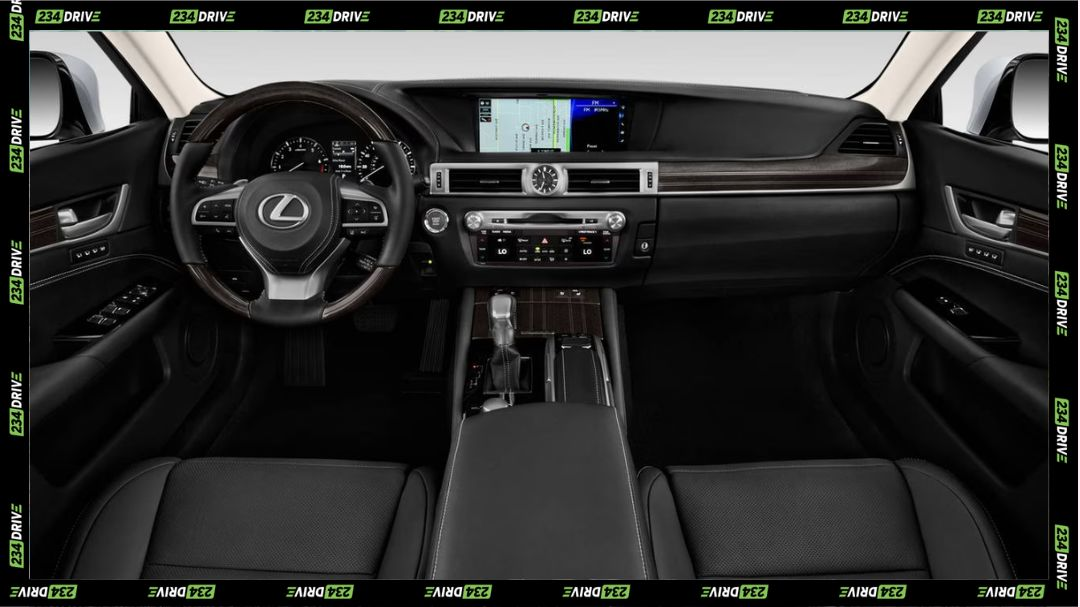
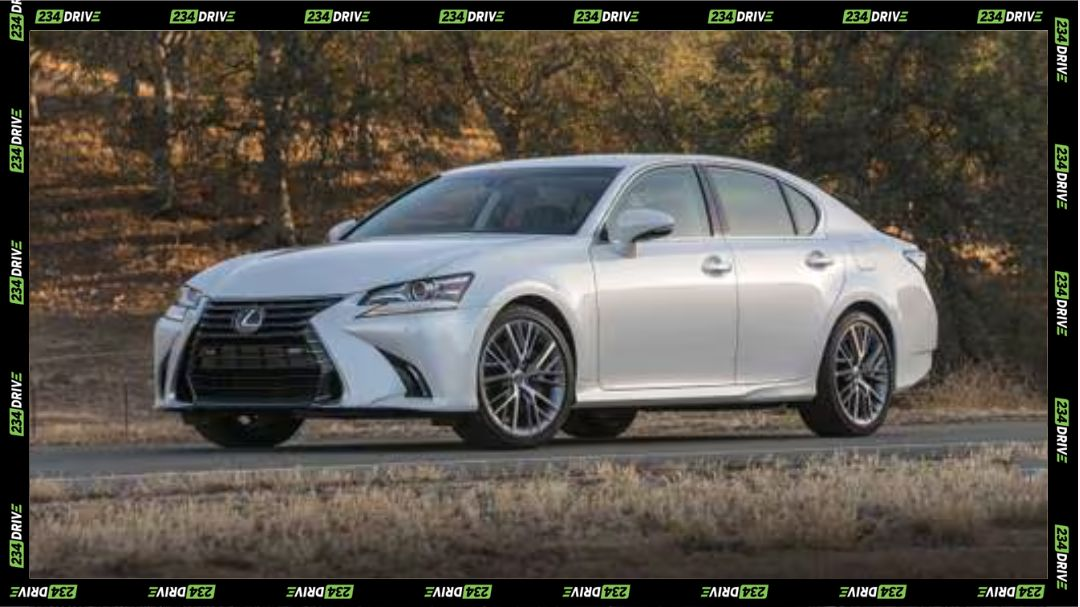
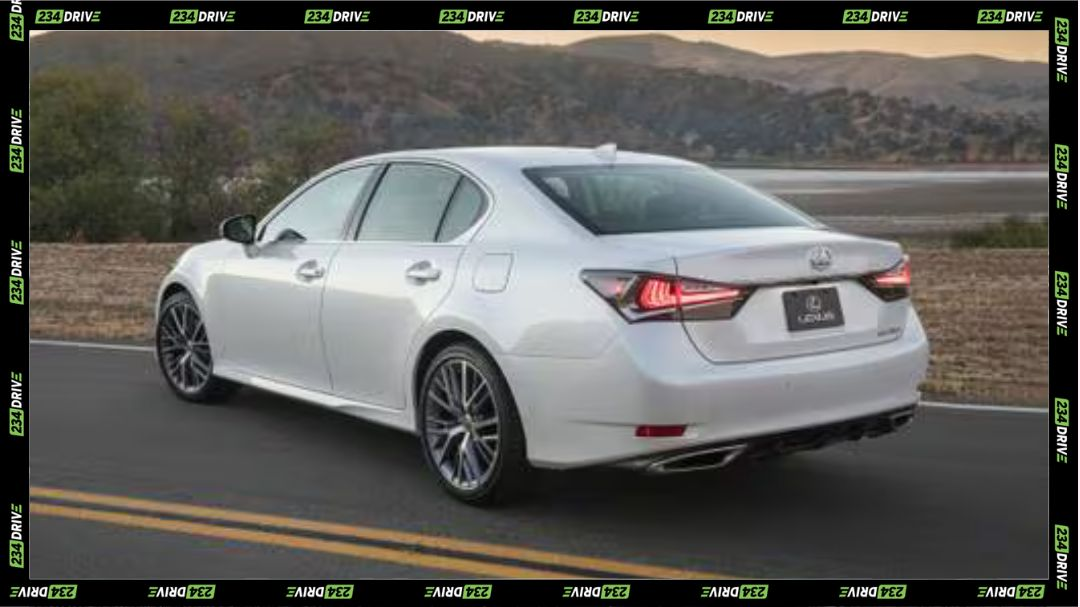
At the heart of the GS 350 is the highly praised 3.5-litre naturally aspirated V6 petrol engine. Depending on the year, this powerplant is either the 2GR-FSE or the direct-injected 2GR-FKS, pushing out between 306 and 311 horsepower alongside 277 to 280 lb-ft of torque. Power is sent to the rear wheels via an eight-speed automatic transmission, while all-wheel-drive models utilise a six-speed automatic.
The 3.5-litre naturally aspirated engine receives praise in local performance assessments for its immediate throttle response, robust cooling and strong highway acceleration.
While performance is brisk—achieving a 0–100 km/h sprint in roughly six seconds—fuel consumption is a major talking point in Nigeria’s subsidy-free energy economy. Real-world city driving in heavy Lagos traffic will yield around 6 to 8 km/L, though this can improve to 11 or 12 km/L on smooth, open interstate highways like the Lagos–Ibadan expressway. Lexus mandates premium unleaded petrol to prevent engine knocking and preserve the direct-injection system.
Pros: Why the GS 350 Remains a Smarter Buy Than German Rivals
The decision to buy a used Lexus GS 350 over a Mercedes-Benz E-Class or BMW 5 Series of similar vintage usually comes down to three operational advantages.
- Toyota DNA and Reliability: The GS 350 shares critical engineering philosophies with mainstream Toyota models. The V6 engine is fundamentally robust, with many well-maintained units easily crossing 300,000 kilometres without requiring major internal engine repairs.
- Widespread Parts Availability: Because many components are shared with the popular Lexus RX 350, ES 350 and various Toyota platforms, finding replacement brake pads, filters, spark plugs and belts is incredibly easy in auto parts hubs like Ladipo in Lagos or Garki in Abuja.
- Strong Resale Value: The Nigerian used car market values reliability above all else. A used Lexus GS 350 depreciates far slower than its European counterparts, ensuring that a well-maintained unit can be resold quickly without a catastrophic loss in capital.
Cons and Local Road Realities: The Hidden Costs
Despite its strengths, owning a luxury sport sedan in Nigeria presents distinct operational challenges that buyers must anticipate.
First, the sportier suspension tuning—especially on the F Sport trims—coupled with low-profile tyres is a recipe for high maintenance costs. Nigeria’s prominent potholes, deep craters and uneven expansion joints on major bridges quickly destroy shock absorbers, control arm bushings and stabiliser links. Replacing the Adaptive Variable Suspension (AVS) dampers found on F Sport models is expensive, forcing many owners to downgrade to standard aftermarket struts when they fail.
Second, the sophisticated direct-injection system is sensitive to poor-quality fuel, which is a common issue at some local filling stations. Contaminated petrol can lead to clogged fuel injectors, oxygen sensor failures and carbon buildup on the intake valves, requiring specialised diagnostic gear and premium cleaning additives to resolve.
Additionally, older units are prone to minor but annoying electrical faults, such as failing door lock actuators, degraded rear sunshade motors and pixelated infotainment screens.
Pre-Purchase Checklist for Nigerian Buyers
Because you cannot buy a new GS 350, you must approach the used market with extreme caution. Buyers looking at available Tokunbo models must prioritise vehicle history checks and verify that the car has not been imported from flood-prone zones or northern winter climates where undercarriage rust is common.
- Run a Comprehensive History Report: When buying a Tokunbo unit, always use the vehicle identification number (VIN) to check its US or Canadian history. Avoid salvage-titled cars that have suffered severe structural accident damage or flooding.
- Inspect the Suspension and Chassis: Take the car to a mechanic with a lift. Look closely for leaking AVS shocks, cracked suspension bushings and any signs of rust underneath, especially if the vehicle was imported from northern, snow-prone regions.
- Perform a Cold Start Test: Listen closely to the engine upon starting it after it has sat overnight. A brief, metallic rattling sound on a cold start points to worn VVT-i gear actuators—a known issue that is costly to repair.
- Verify Customs Documentation: The Federal Road Safety Corps (FRSC) and Nigeria Customs Service are highly active. Ensure the vehicle’s duty-paid status is fully verified through official channels before completing the purchase to avoid vehicle impoundment.
Final Verdict
The Lexus GS 350 remains a highly compelling option for executive class transport in Nigeria. It successfully delivers the premium cabin, rear-wheel-drive handling dynamics and prestige of an executive vehicle without the crippling maintenance anxieties associated with European luxury sedans.
Provided you budget for high-quality petrol, hire a qualified technician for servicing and carefully inspect your target car’s history, this discontinued sedan remains a remarkably resilient investment.