
The physical environment of Nigerian roads is actively hostile to automotive paintwork. Between the abrasive dust of the Harmattan season, the intense tropical UV radiation that degrades clear coats and the inevitable side scrapes that occur in gridlocked traffic across Lagos or Kano, bodywork damage is a mathematical certainty.
Ignoring these abrasions is an expensive mistake. In a highly humid climate with heavy seasonal rainfall, exposed metal rapidly oxidises into rust, fundamentally compromising the vehicle’s structural integrity and plummeting its resale value. Understanding exactly how to remove scratches from car surfaces is therefore not merely about aesthetics—it is a critical element of vehicle maintenance and asset preservation.
While not every scrape requires a trip to the panel beater, assessing the severity of the damage dictates the financial and mechanical response. This is the definitive breakdown of how to evaluate, treat and prevent paint damage in the Nigerian driving environment.
The Anatomy of a Scratch: Assessing the Damage
Modern automotive paint systems consist of four primary layers. From the outside in, these are the clear coat (which provides gloss and UV protection), the base coat (the actual vehicle colour), the primer and finally the bare metal or plastic body panel.
Before applying any chemicals to your vehicle, you must determine how many layers the object has penetrated. The automotive industry standard for this is the fingernail test.
Start by washing the affected area thoroughly. Run a clean fingernail gently across the scratch. If your nail glides over it without catching, the damage is superficial and isolated entirely within the clear coat. This is highly DIY-friendly.
If your nail catches slightly, the scratch has carved deeper into the clear coat but has likely spared the colour beneath. As detailed in comprehensive breakdowns of the car scratch fingernail test and repair processes, these require polishing compounds or very light wet-sanding.
However, if your fingernail catches firmly or you can visibly see a white, grey or reddish-brown colour inside the groove, the scratch has penetrated the base coat or reached the primer. If you see bare, shiny metal, the damage is severe and requires immediate sealing to prevent rapid rust formation.
DIY Methods for Surface and Clear-Coat Scratches
For superficial damage where the clear coat is only lightly scuffed, home remedies can be surprisingly effective. Standard whitening toothpaste or a thick paste made from baking soda and water acts as a mild abrasive. Apply a small amount to a damp microfibre cloth, rub it into the scratch using small circular motions for roughly 60 seconds, wipe it clean and evaluate. Do not repeat this more than three times to avoid burning through the clear coat entirely.
For deeper clear-coat issues, commercial products are required. Reviewing the common DIY methods to remove car body scratches confirms that liquid or paste scratch-removers are the most practical solution. The process is straightforward: wash and dry the area, apply the polishing compound with a dedicated applicator pad using back-and-forth motions, buff off the residual haze and seal the area with car wax.
When attempting DIY repairs, strictly follow these core rules:
- Always work in the shade. Applying abrasive compounds to hot metal in the afternoon sun bakes the chemical into the paint, creating a cloudy stain that is incredibly difficult to remove.
- Clean the area exhaustively beforehand. Rubbing a compound over residual road grit essentially turns your cloth into sandpaper.
- Use light-to-medium pressure. Let the micro-abrasives in the polish do the mechanical work.
- Test any new product on an inconspicuous area first, such as the lower edge of a bumper.
For a broader perspective on handling deeper clear coat issues, general step-by-step guides on how to remove scratches from a car emphasise the use of varying grit wet/dry sandpaper, though this requires a steady hand and an understanding of paint levelling.
Deep Scratches and the Professional Threshold
When a scratch penetrates to the primer or bare metal layer, abrasive polishes are useless because the coloured paint is physically missing. The only DIY solution at this stage involves colour-matched touch-up paint.
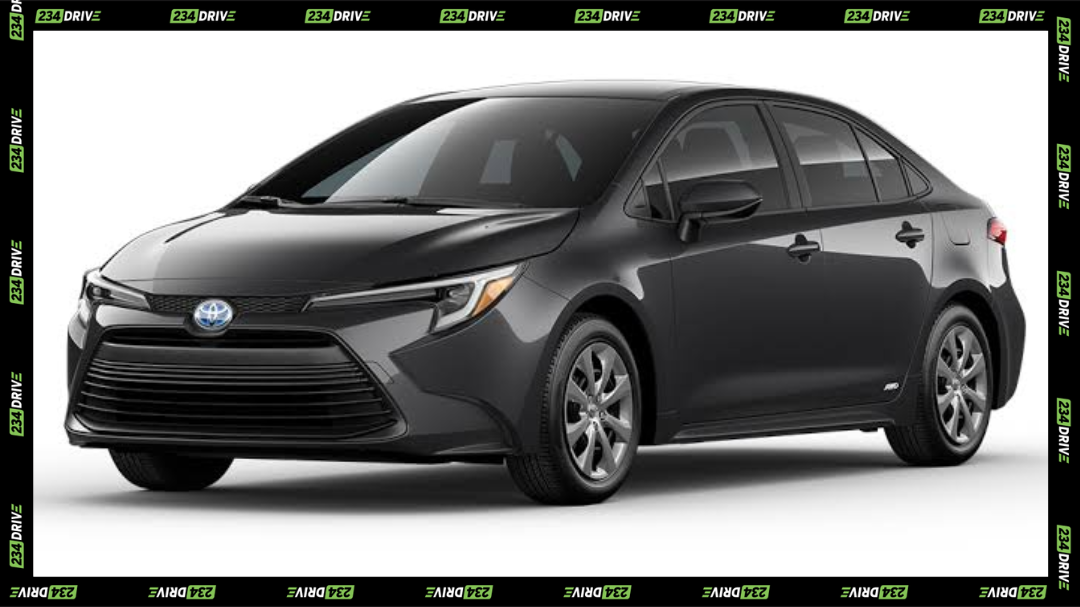
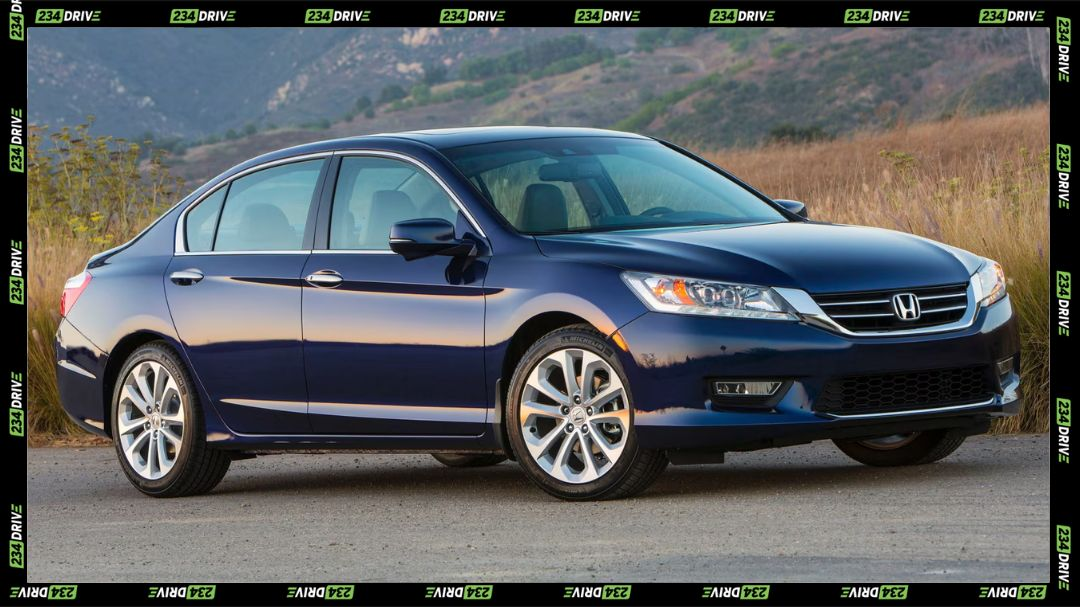
Popular vehicles on Nigerian roads—like the Toyota Corolla, Camry and Honda Accord—have readily available paint codes located on the driver’s side door jamb sticker. Applying touch-up paint requires cleaning the groove with isopropyl alcohol, carefully applying the paint with a fine-tipped brush or toothpick (ensuring you fill the scratch rather than smearing it over the surrounding intact paint) and allowing it to cure completely.
For extensive damage, deep gouges or large-scale keying, you must cross the professional threshold. Analysing automotive bodywork and paint restoration procedures makes it clear that failing to properly seal exposed metal inevitably leads to subsurface rust that destroys the panel from the inside out.
The Local Aftermarket: Products and Pricing
Sourcing the right materials in Nigeria is relatively simple. Products are widely available across major e-commerce platforms like Jumia and physical automotive hubs such as Ladipo Market in Lagos.
Pricing fluctuates based on brand and exchange rates, but mid-2026 market data provides a reliable baseline. Basic scratch remover pens—often marketed as instant fixes—typically range from ₦3,000 to ₦7,000. These largely deposit a temporary clear resin that washes away after a few weeks.
For actual abrasive correction, liquid and paste removers from generic or mid-tier brands sit between ₦3,000 and ₦15,000. Checking current market listings for car scratch removers reveals a massive inventory of ’20-second’ pastes. However, heavy-duty rubbing compounds from established global brands like Turtle Wax or Meguiar’s command a premium, ranging from ₦20,000 to well over ₦50,000 for comprehensive correction kits.
If you opt for professional intervention, expect to pay between ₦20,000 and ₦50,000 for minor panel corrections and dent pulling. A full, high-quality vehicle respray currently demands anywhere from ₦150,000 to north of ₦400,000 depending on the vehicle size, paint quality and the specific body shop.
Prevention and Climate Adaptation
Treating scratches is reactionary; protecting the paintwork is the strategy. The Nigerian climate requires specific protective measures to extend the lifespan of an automotive finish.
The most critical habit is regular washing using proper car shampoo and a soft microfibre mitt. Roadside car washes frequently use harsh detergents designed for laundry and abrasive sponges that introduce thousands of microscopic swirl marks into the clear coat.
During the Harmattan season, do not dry-wipe dust off your vehicle. The fine particulate matter acts like abrasive grit. Rinse the car thoroughly before applying any sponge or cloth.
Finally, apply a high-quality wax every two to three months. Wax provides a sacrificial layer that absorbs minor abrasions, repels water during the rainy season and offers vital UV protection against the relentless tropical sun. For higher-value vehicles, a professionally applied ceramic coating or paint protection film (PPF) on vulnerable areas like the front bumper and bonnet provides the ultimate defence against the daily violence of the Nigerian commute.