
The topographical reality of coastal Nigerian cities has fundamentally altered how buyers must evaluate vehicle reliability. During the heavy rainy seasons, areas previously considered safe from severe waterlogging—including premium enclaves like Victoria Garden City (VGC) which recently experienced unprecedented overflow after 14 dry years—are now highly susceptible to flash flooding. This infrastructural deficit means that encountering deep water is no longer restricted to traditional flood plains. It can happen on the daily commute, on the way to a business meeting or on a simple weekend drive.
For the Nigerian car owner, understanding exactly how water interacts with automotive engineering is now a critical survival skill. The standard advice to ‘avoid driving through floods’ is often practically impossible in gridlocked urban centres where turning back is not an option.
However, a critical disclaimer must precede any mechanical analysis: no consumer vehicle is entirely waterproof. A Toyota, a Lexus, a Honda or a heavy-duty pickup can all suffer catastrophic engine failure if driven recklessly into deep water. What we are examining are the categories of vehicles that possess specific engineering traits making them highly resilient when navigating flooded roads.
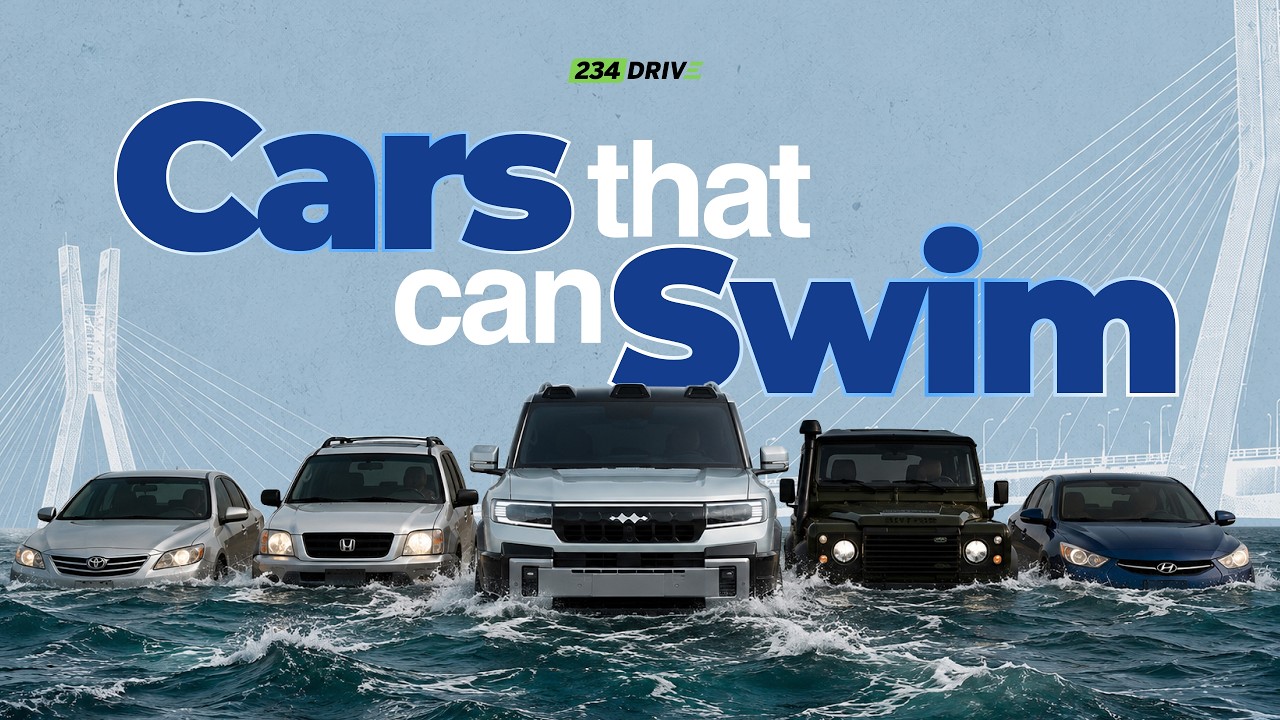
Here is the definitive breakdown of the seven vehicle categories that stand the best chance of surviving the Nigerian rainy season.
Category 1: Legacy Saloons with Hydraulic Steering
One of the most robust survivors of urban flooding is the legacy saloon car manufactured before 2013. The secret to their resilience lies entirely in their steering architecture.
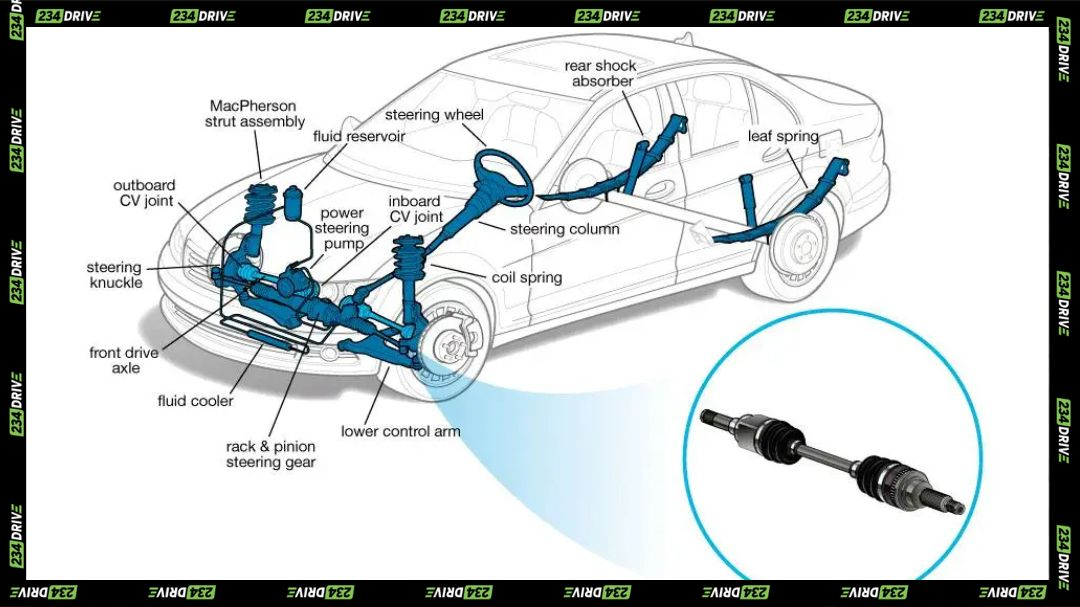
Older vehicles utilise hydraulic power steering systems. These are mechanical setups driven by an engine belt and rely on power steering fluid stored in a reservoir. Because the system is entirely mechanical rather than electrical, it is highly immune to water damage. If you drive a 2011 Toyota Camry, a 2008 Honda Civic, an older Corolla or a Mazda 3, your primary steering components will not short-circuit when submerged.
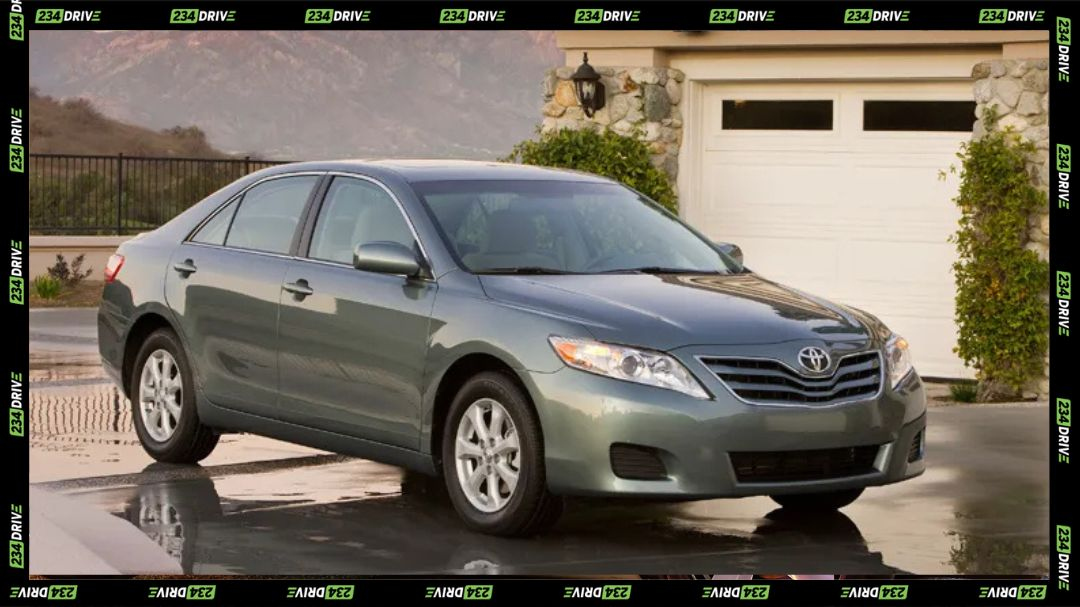
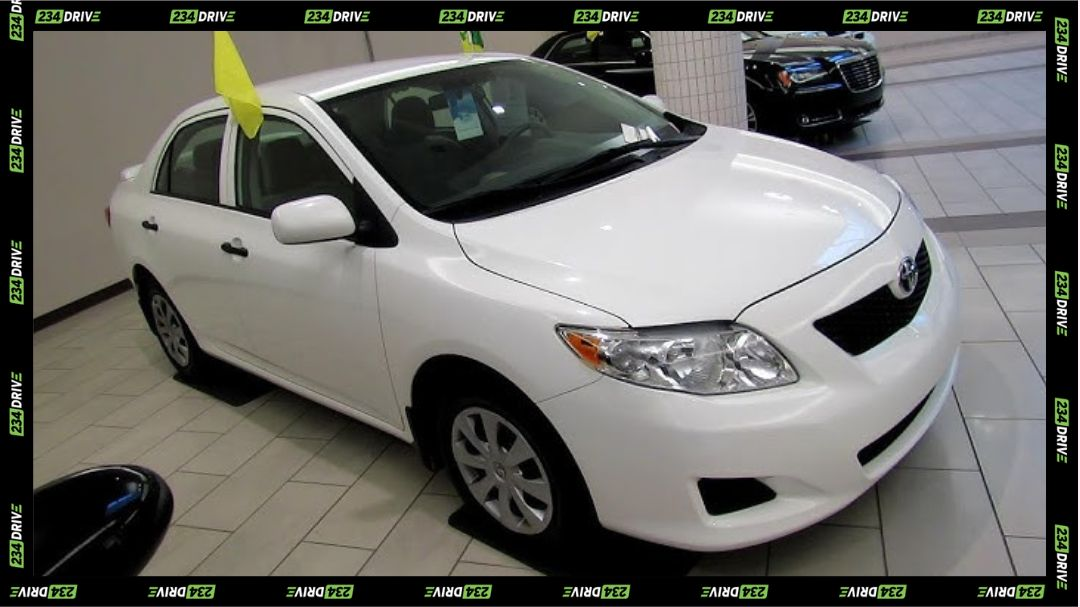
The sole vulnerability of these legacy saloons is the air intake, which acts as the engine’s respiratory system. The intake is typically located behind the front grille. If floodwater rises to the level of the grille, the engine will suck in water rather than air, resulting in immediate and catastrophic hydrostatic lock. Provided the water remains below the grille and your steering rack boots (the corrugated rubber seals protecting the inner tie rods) are not torn, these older saloons can navigate moderate floods with surprising ease.
Category 2: Legacy SUVs with Hydraulic Steering
This category shares the exact same mechanical advantage as the legacy saloons—the lack of sensitive electric power steering—but adds the critical element of high ground clearance.
Vehicles in this bracket include the first-generation Honda Pilot, early Honda CR-Vs, the first-generation Nissan Pathfinder and the legendary 2002 to 2008 Toyota 4Runner models. Because these SUVs sit significantly higher off the tarmac, their air intakes are elevated well above the standard flood lines that plague roads in Lagos or Port Harcourt.
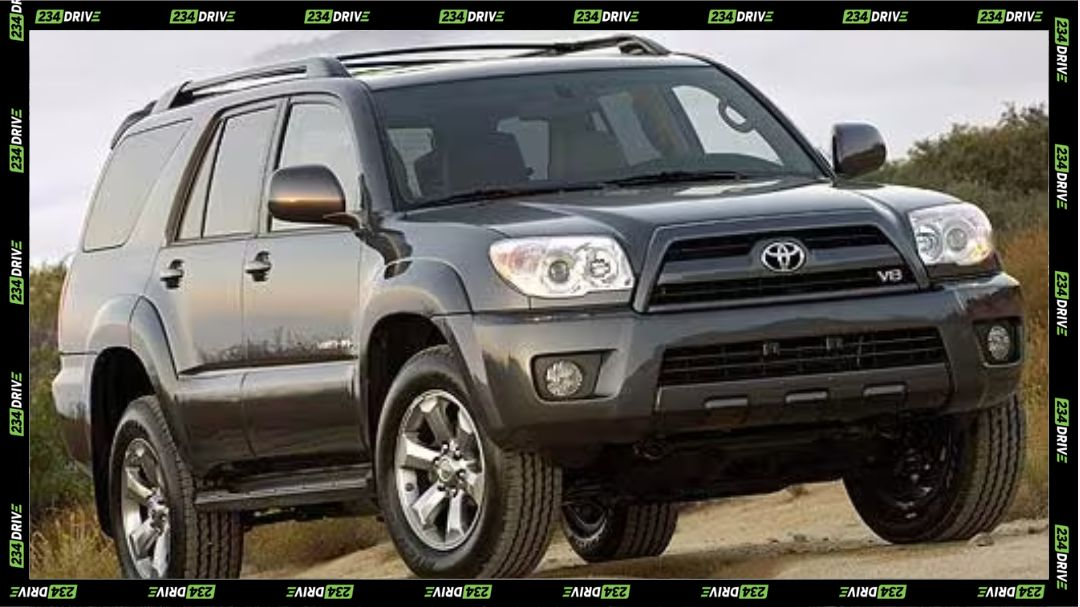
For drivers of these vehicles, traversing heavily waterlogged roads is a low-stress exercise. The combination of sealed mechanical steering and a high-mounted intake means you can safely navigate the deeper outer lanes of a flooded road while lower vehicles are forced to a halt.
Category 3: Saloons and SUVs with Column-Mounted EPS
As the automotive industry transitioned past 2013, Electric Power Steering (EPS) became the global standard to improve fuel economy. EPS introduces a severe vulnerability to flooding because water and low-mounted electrical modules do not mix.
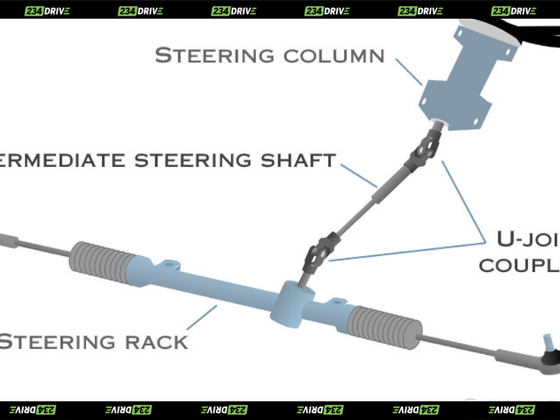
However, not all EPS systems are designed equally. The system comprises two main parts: the mechanical steering rack that turns the front wheels and the electronic module that provides the power assistance. In many premium European vehicles like BMW and Mercedes-Benz, the sensitive EPS module is bolted directly onto the steering rack at the bottom of the car. When you drive into a flood, this module is instantly submerged and frequently fails.
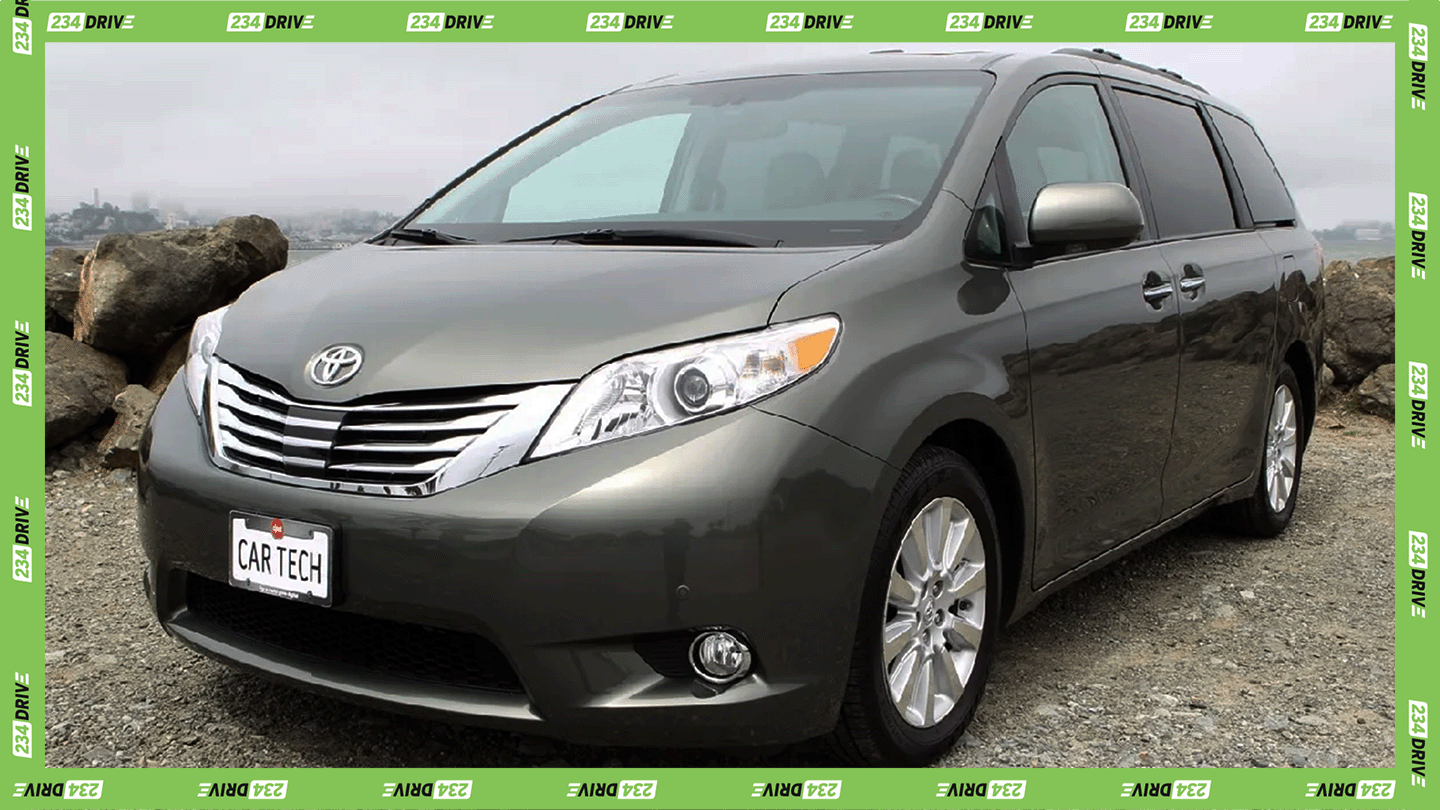
Conversely, some manufacturers designed their systems with the EPS module mounted much higher up on the steering column, safely inside the vehicle’s cabin. Cars like the Hyundai Elantra, the 2012 Toyota Camry and the 2013 Honda Accord utilise this column-mounted design.
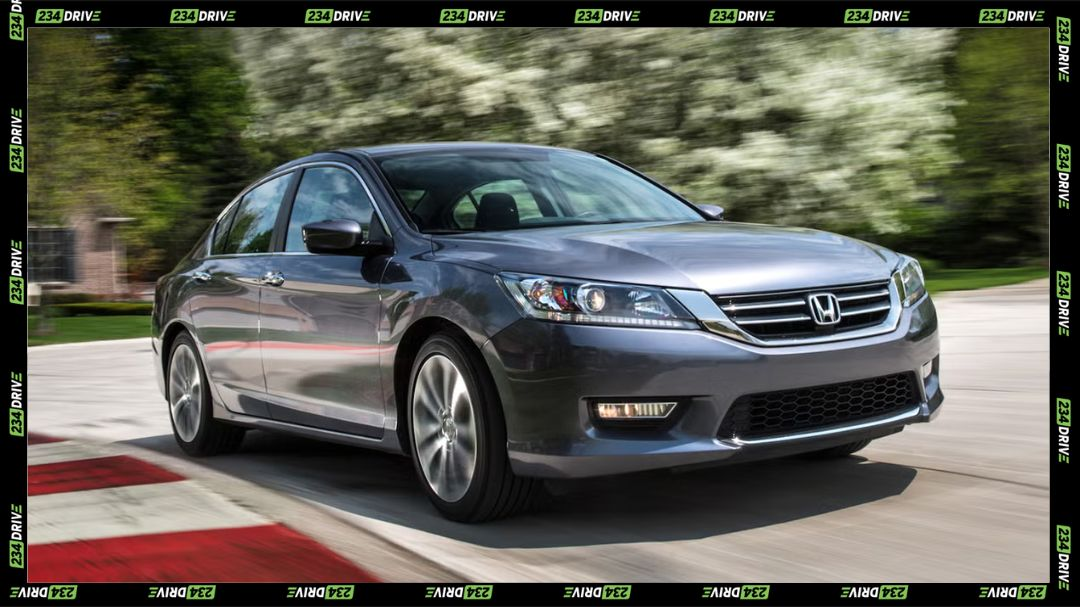
In these vehicles, you can drive through water that covers half of your tyre without damaging the steering electronics, because the vulnerable module is located near the driver’s knees rather than the front axle. As long as the water does not rise to the midpoint of the doors, the steering system remains protected.
Category 4: Body-on-Frame SUVs and Trucks
The modern crossover SUV (like a Toyota RAV4 or Honda Highlander) is built using a unibody chassis, essentially a reinforced saloon car platform. In contrast, traditional off-roaders are built using a body-on-frame architecture, where the passenger cabin is bolted onto a heavy steel ladder frame.
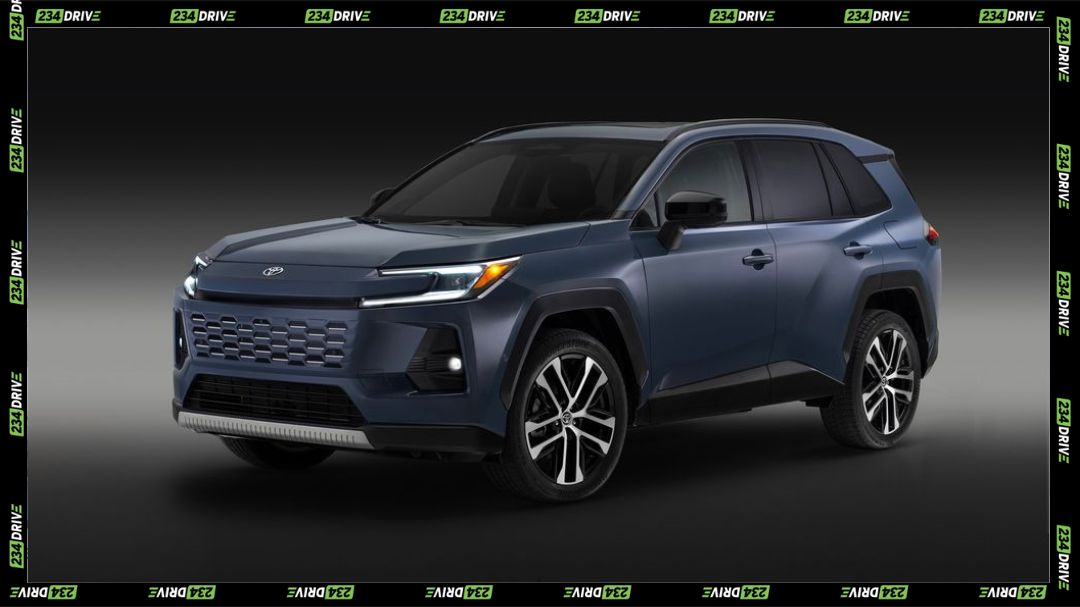
Vehicles in this category include the Toyota Fortuner, Prado, Lexus GX 460, Mitsubishi Pajero, Ford Everest and pickup trucks like the Toyota Tacoma and Tundra. These platforms are explicitly engineered for agricultural, military and heavy off-road use.
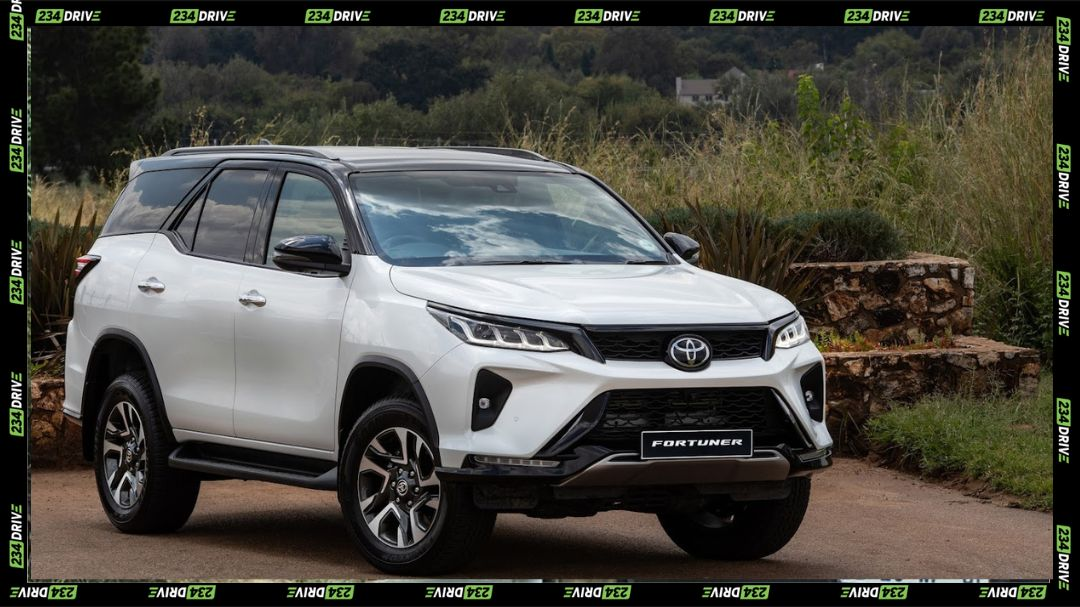
Consequently, critical driveline components are heavily protected and mounted high up in the chassis. The sheer height of a body-on-frame SUV grants the driver excellent visibility to judge water depth. The primary danger for these heavy vehicles is not a short circuit but water current. If a flood is deep enough to reach the bonnet of a Prado, the volume and force of the moving water can physically sweep the three-tonne vehicle off the road.
Category 5: Vehicles with Dedicated Wading Modes
The newest evolution in flood survival relies on advanced software and adaptive air suspension. Several modern premium SUVs and high-end pickup trucks now feature dedicated ‘wading’ or ‘water fording’ modes accessible via a button on the dashboard.
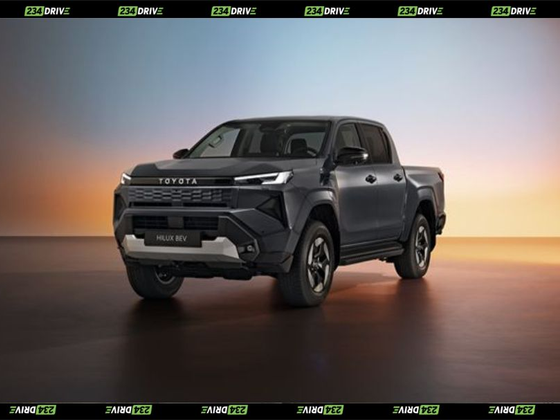
When engaged, these systems typically seal cabin vents and use air suspension to physically lift the body of the vehicle several inches higher off the axles. The BYD Shark 6 pickup, for example, is officially rated to wade through up to 28 inches of water. Other highly capable vehicles in this bracket include the Range Rover line, the BYD Bao 8, the Jetour T2 and modern iterations of the Ford Ranger and Toyota Hilux.
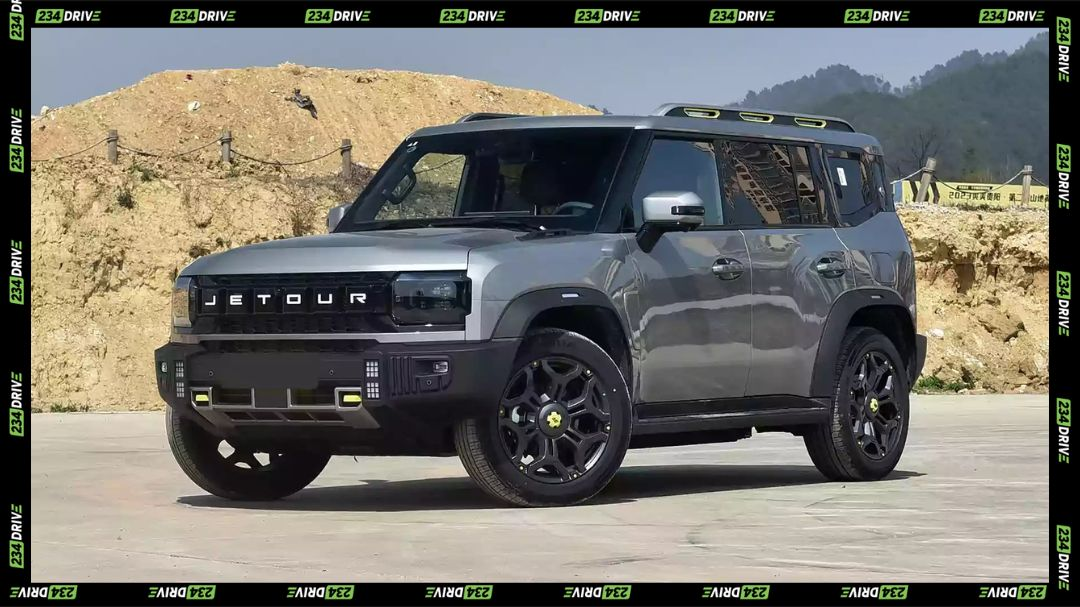
Drivers must strictly adhere to the manufacturer’s specified wading depth. Exceeding this limit in a highly digitised vehicle like a Range Rover will push water into complex electrical wiring harnesses, leading to repair bills that can easily run into millions of Naira.
Category 6: Modern EVs with Sealed Batteries
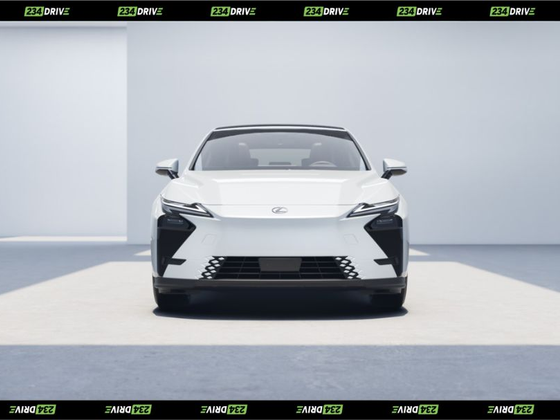
There is a pervasive and entirely incorrect assumption that Electric Vehicles (EVs) are fragile in the rain and will electrocute their occupants if driven into a puddle. In reality, modern EVs are remarkably adept at navigating floods.
The high-voltage battery packs in vehicles like the BYD Atto 3, Hyundai Ioniq 5, Kia EV6 and Tesla Model Y are hermetically sealed and mounted securely into the floorpan. Furthermore, EVs do not possess an air intake. Without an internal combustion engine, there is no risk of hydrostatic lock from sucking water into cylinders.
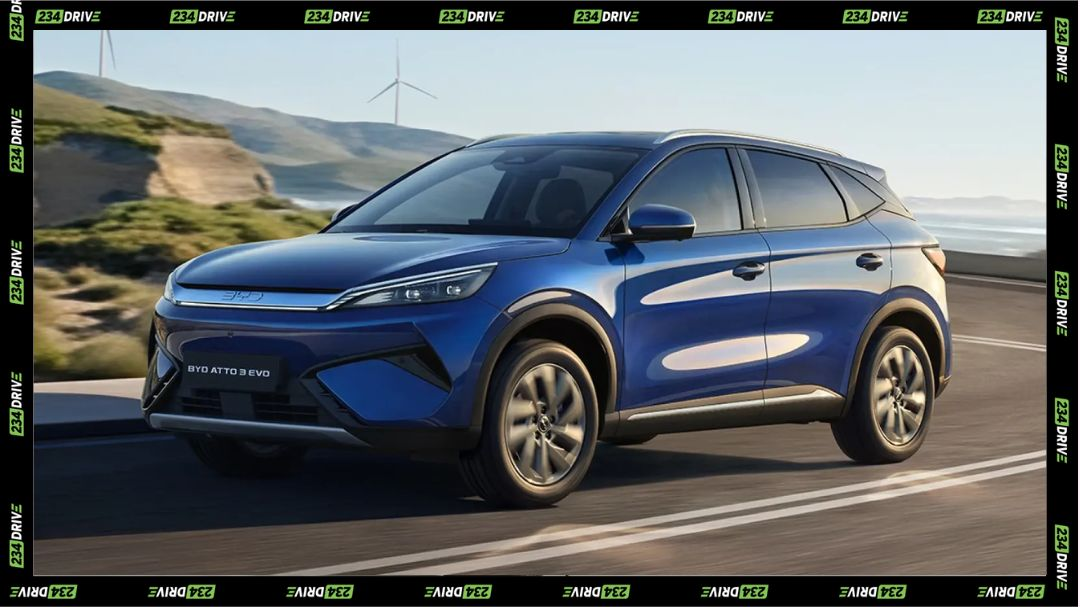
An EV can easily drive through water that reaches its door sills. However, there is a critical operational rule: you must keep moving. While the battery is sealed against splashes and brief submersion, it is not designed to withstand sustained hydrostatic pressure. If you park an EV in deep floodwater or become stuck in gridlock while submerged, the prolonged pressure will eventually force water past the seals, destroying the battery pack entirely.
Category 7: Purpose-Built Off-Roaders (The Snorkel Class)
At the extreme end of the survival spectrum are vehicles modified or factory-built for extreme water crossings. These include classic Land Rover Defenders and the Toyota Land Cruiser 70 series.
The defining feature of these vehicles is the snorkel—a highly visible plastic tube routing the engine’s air intake all the way up the A-pillar to the roofline. By relocating the intake to the highest possible point on the vehicle, the engine can continue to breathe even if the entire bonnet is submerged underwater.
While practically invincible in urban floods, these vehicles are rarely suited for the daily commute. They are notoriously uncomfortable, handle poorly on dry tarmac and consume massive amounts of fuel due to their weight and unrefined aerodynamics.
Pre-Flood Diagnostics
Knowing your vehicle’s category is only half the battle. Before the rainy season peaks, you must verify the physical integrity of your car’s underbody.
Ensure your mechanic inspects your steering rack boots and CV joint boots. If these rubber seals are torn, even a shallow puddle will force water and grit into your steering rack, destroying it from the inside out. Additionally, research the exact location of your vehicle’s Engine Control Unit (ECU). Certain Honda models, for instance, have the brain box mounted perilously low in the passenger footwell where a leaking door seal during a flood can cause a catastrophic total electrical failure.
Driving through floods in Nigeria is an exercise in calculated risk. Understanding exactly where your car breathes and how its steering is wired is the difference between arriving home safely and abandoning your vehicle to the waters.